Genres
Artists
Albums
Make Music
Sign in
Sign in
Artists
Papuan Folk Music
Artists
Papuan Folk Music
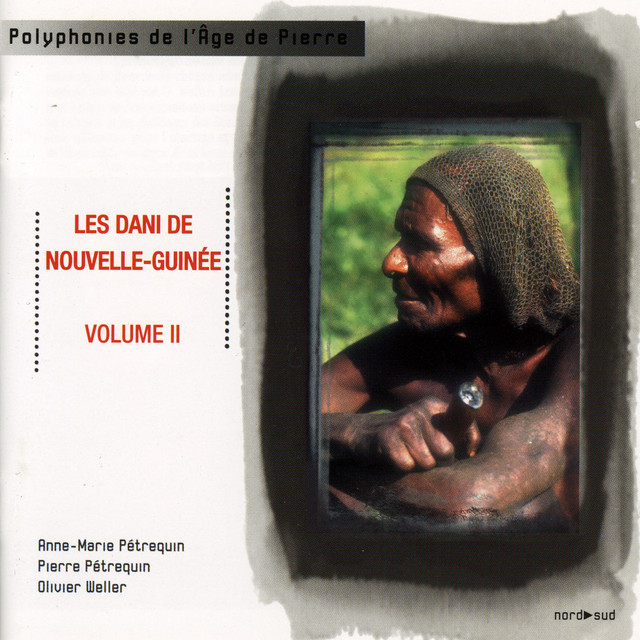
Les Dani de Nouvelle Guinée
2001
·
1 album
Listen
1
/5
Genres
Papuan Folk Music
Papuan folk music refers to the traditional and community-based music of the Indigenous peoples of the island of New Guinea, spanning today’s Papua New Guinea and the Indonesian provinces of Papua and West Papua. It encompasses hundreds of distinct musical micro-traditions tied to language groups, clans, and ecological zones from coastal islands to highland valleys. Core soundworlds include the deep pulse of kundu/tifa hand drums and garamut slit drums, bright bamboo flutes and panpipes, resonant conch shells, rattles and seed shakers, and the susap (mouth harp), often used in courtship. Vocals are central: unison or tightly interlocking group singing, call-and-response, vocables, and heterophony are common, with scales ranging from pentatonic and anhemitonic to locally specific tunings and microtonal inflections. Music functions in ceremony and daily life—initiation and bridewealth exchanges, origin-myth performances, mourning, canoe launches, sago harvests, and warrior dances. Dance is inseparable from the sound, with body adornment, mask traditions, and synchronized movement shaping the rhythm and phrasing. In coastal areas, gong-chime sets and later guitar/ukulele string-band textures intersect with older idioms, while highland aerophone traditions favor bamboo and bone flutes, bullroarers, and powerful communal chant.
Discover
Listen
Papuan Traditional
Papuan traditional refers to the Indigenous musical practices of the peoples of the island of New Guinea, especially in what is now Papua New Guinea and the Papuan provinces of Indonesia. Core timbres are the kundu/tifa single‑headed hand drum, the garamut slit drum, bamboo flutes and panpipes, conch shells, rattles, and distinctive mouth harps such as the susap/pikon. Vocals are central, often in antiphonal call‑and‑response or heterophony, with locally specific scales that frequently lean pentatonic or anhemitonic. Dance and song are inseparable in communal festivals known as sing‑sing. Although these traditions long predate colonial contact, missionization and regional exchange layered in new elements: Christian hymns and plainchant practice, Polynesian choral idioms (e.g., peroveta, ute, taibubu), and later guitar/ukulele that helped seed string‑band styles. Social dances like Biak/Yapen’s Yospan combine tifa drumming with ukulele/guitar, illustrating how newer instruments were localized within Papuan aesthetics.
Discover
Listen
Albums
2001
1
/5
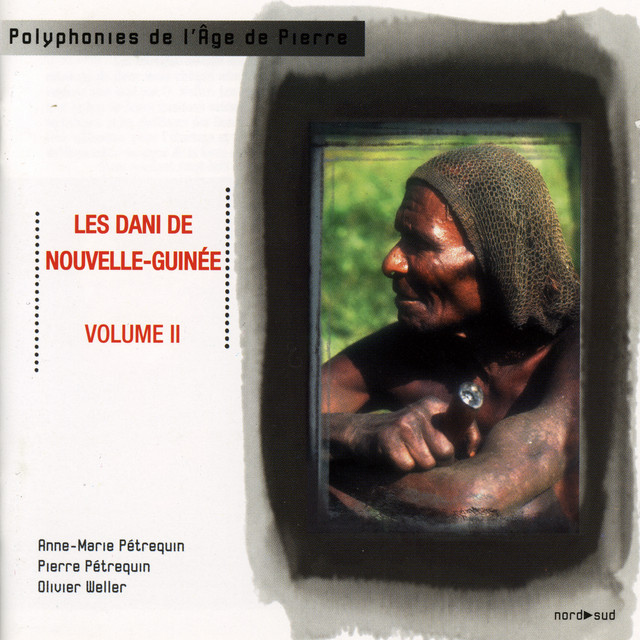
Les Dani de Nouvelle-Guinée Volume II
Papuan Traditional
Papuan Folk Music
Similar artists
1
/5
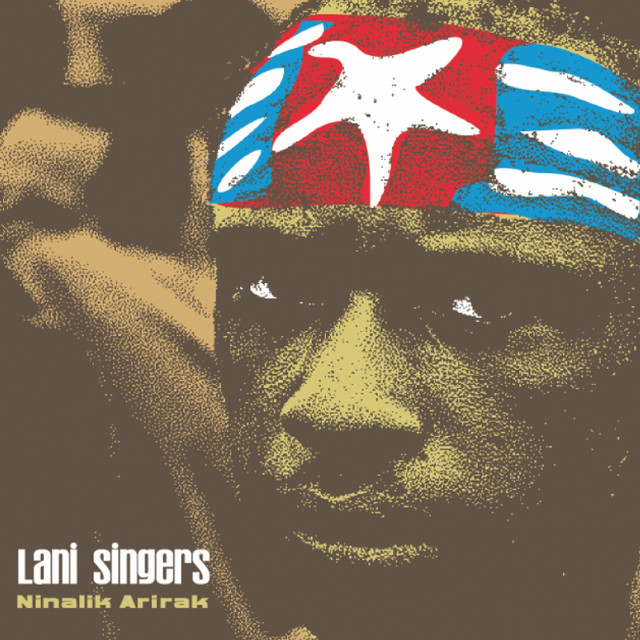
The Lani Singers
Papuan Folk Music
Papuan Traditional
Footwork Jungle
1
/5
Telek
Tolai Rock
Melanesian Music
Austronesian Music
1
/5
Papua New Guinea Stringbands With Bob Brozman
Maluku
Traditional Music
Austronesian Music
1
/5
The Marind Anim of West Papua
Traditional Music
Papuan Folk Music
Papuan Traditional
1
/5
Blasius To Una Turtavu
Traditional Music
Melanesian Music
Papuan Folk Music
1
/5
Black Merlin
Ebm
Experimental Techno
Melanesian Music
1
/5
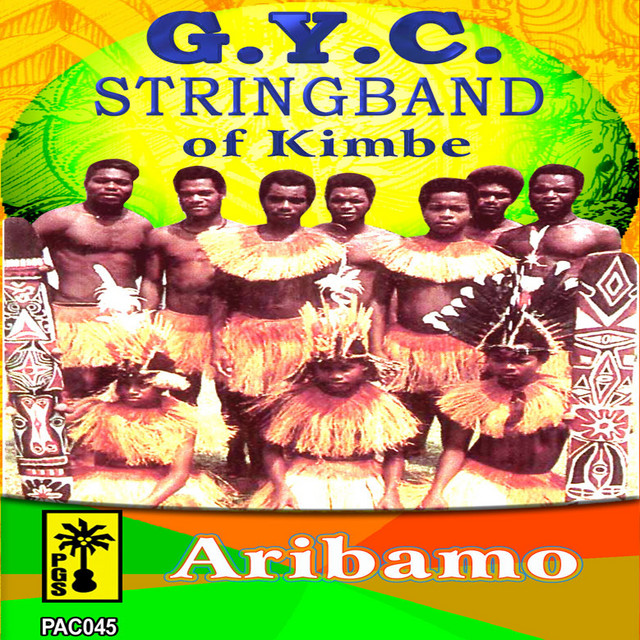
G.Y.C. STRING BAND OF KIMBE
Papuan Folk Music
Steven Feld
Field Recording
Folk
Melanesian Music
Download our mobile app
Get the Melodigging app and start digging for new genres on the go
Download on the App Store
Get it on Google Play
© 2026 Melodigging
Give feedback
Legal
Melodding was created as a tribute to
Every Noise at Once
, which inspired us to help curious minds keep digging into music's ever-evolving genres.