Your digging level
Description
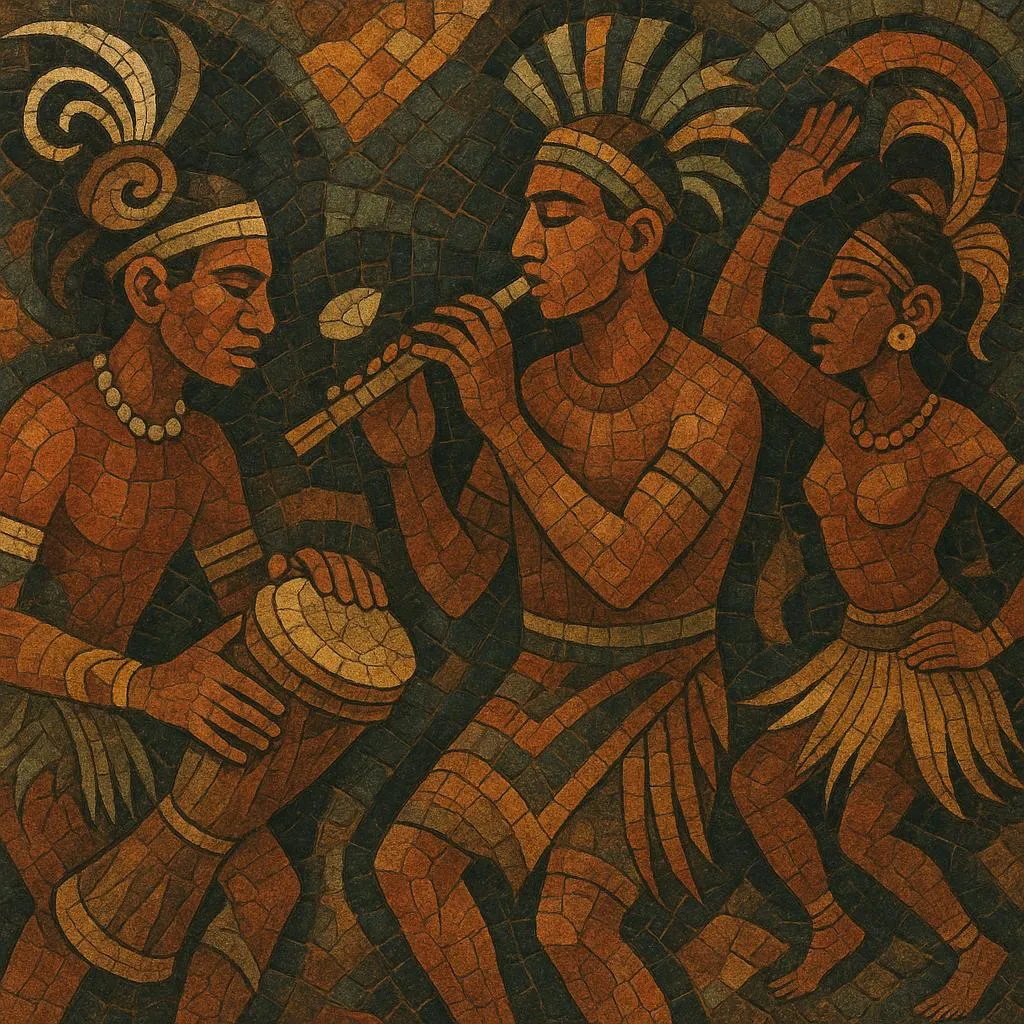
Papuan traditional refers to the Indigenous musical practices of the peoples of the island of New Guinea, especially in what is now Papua New Guinea and the Papuan provinces of Indonesia. Core timbres are the kundu/tifa single‑headed hand drum, the garamut slit drum, bamboo flutes and panpipes, conch shells, rattles, and distinctive mouth harps such as the susap/pikon. Vocals are central, often in antiphonal call‑and‑response or heterophony, with locally specific scales that frequently lean pentatonic or anhemitonic. Dance and song are inseparable in communal festivals known as sing‑sing.
Although these traditions long predate colonial contact, missionization and regional exchange layered in new elements: Christian hymns and plainchant practice, Polynesian choral idioms (e.g., peroveta, ute, taibubu), and later guitar/ukulele that helped seed string‑band styles. Social dances like Biak/Yapen’s Yospan combine tifa drumming with ukulele/guitar, illustrating how newer instruments were localized within Papuan aesthetics.
History
Papuan music developed across hundreds of language groups and ecologies, centering voice, drum ensembles (kundu/tifa) and slit gongs (garamut), aerophones (bamboo flutes, panpipes, conch), and mouth harps used for courtship and storytelling. These practices are embedded in ceremony, kinship, and dance at communal sing‑sing gatherings.
European and missionary presence brought Christian hymnody and plainchant practices that coexisted with, and sometimes reframed, local repertoires. Polynesian song forms (peroveta, ute, taibubu) also circulated via regional networks, becoming part of coastal repertoires.
Post‑WWII diffusion of guitars and ukuleles catalyzed Papuan string‑band styles while sing‑sing festivals in Goroka, Mount Hagen, and Port Moresby staged regional traditions for national audiences. The period also saw early documentation and recordings of traditional music.
Ensembles such as Sanguma blended garamut, flutes, and other traditional forces with rock and jazz to represent a modern Melanesian identity on international stages. In West Papua, Arnold Ap’s group Mambesak curated and revitalized local songs as cultural and political expression.
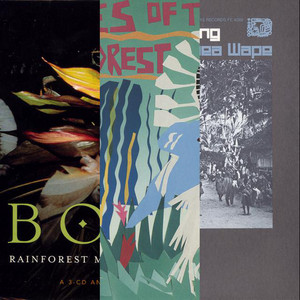
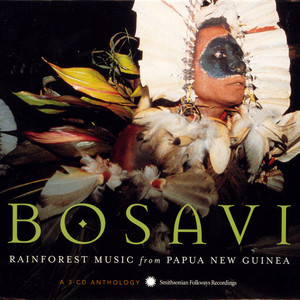
Field recordings like Steven Feld’s Voices of the Rainforest introduced Bosavi/Kaluli sound worlds to global listeners, while artists such as George Telek and string‑bands sustained and hybridized tradition. Social dances like Yospan continue to evolve with tifa, ukulele, and local bass. Museums and archives also foreground iconic instruments such as the Asmat tifa and Sepik garamut.
Use kundu/tifa hand drums for the main pulse and garamut slit drums for deep, resonant signals and antiphonal accents. Add bamboo flutes/panpipes, conch shells, shakers, and mouth harp (susap/pikon) for coloration and solo commentary. For social‑dance contexts (e.g., Yospan), carefully integrate ukulele/guitar and locally made bass while keeping tifa central.
Build cyclic grooves with interlocking drum parts; layer a steady kundu/tifa heartbeat with off‑beat garamut strokes and shaker patterns. Favor call‑and‑response structures and heterophony: multiple voices sing the same line with individualized ornamentation. Dance pieces are moderate‑to‑fast; lament/ritual items are slower and spacious.
Write short, motivic melodies in pentatonic or anhemitonic scales. Keep harmony sparse—parallel intervals or drones—unless drawing from localized choral practice shaped by Christian hymnody. If using guitars/ukulele, strum percussively to support the rhythmic dance feel rather than imposing dense Western progressions.
Alternate leader–chorus lines, drum breaks, and dance cues. Lyrics often address land, clan histories, courtship, hunting/harvest cycles, and contemporary issues; keep verses concise and repetitive for communal participation. For field‑recording aesthetics, respect environmental sound as part of the texture, following models like Bosavi/Kaluli soundscapes.