Your digging level
Description
Maluku is a regional umbrella for popular and traditional music from the Moluccan (Maluku) Islands of eastern Indonesia, especially Ambon and Seram. It blends local song forms and communal choral practice with Indonesian pop, R&B/ballad aesthetics, and church-influenced harmonies.
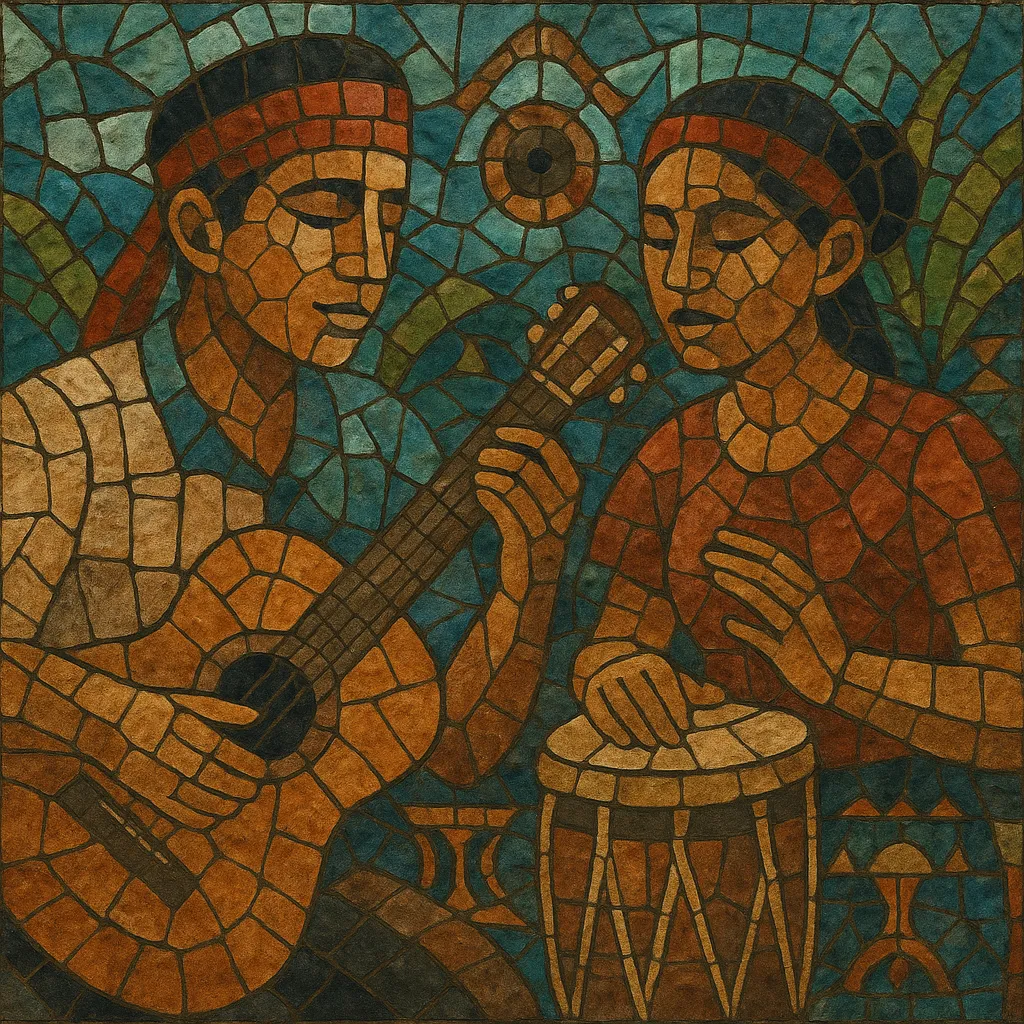
Typical timbres pair guitars (often with clean, Hawaiian-tinged strumming) and supple pop rhythm sections with indigenous percussion such as tifa hand drums and totobuang (small gong-chime) patterns. Vocals are central—solo lines are frequently supported by rich, close harmony backing, reflecting the area’s famed choir culture and hymn-singing traditions. Lyrics alternate between Bahasa Indonesia and Ambonese Malay, often using affectionate pronouns and colloquialisms (e.g., “beta” for “I/me,” “ale” for “you”).
Across its spectrum, Maluku music ranges from tender, sentimental ballads to festive, line-dance-oriented songs popular at social gatherings, weddings, and diaspora events.
History
Church music and hymnody, introduced during the colonial era, encouraged part-singing and the development of strong community choirs across the Moluccas. Local song forms and narrative chants (kapata) coexisted with urban Indonesian currents such as keroncong, bringing guitar- and ukulele-driven textures to Ambon and surrounding islands.
Following Indonesian independence and Moluccan migration to the Netherlands, Moluccan musicians became highly visible in both Indonesia and the Dutch diaspora. Their affinity for polished vocals, Western pop balladry, and guitar bands took shape in this period. Choir discipline and church harmonies remained a backbone, while Indonesian pop modernized arrangements and studio production.
A wave of Moluccan and Ambonese-heritage singers rose to national prominence, shaping Indonesian pop/R&B with silky timbres, emotive ballads, and impeccable background harmonies. Danceable regional hits also circulated widely at community events, with tifa-driven rhythms and call-and-response hooks becoming signature crowd-pleasers.
Today, Maluku music thrives both at home and in the diaspora. Artists mix glossy pop-ballad production with roots percussion, occasional reggae- or Latin-tinged grooves, and bilingual lyricism. YouTube and social platforms help regional acts reach national audiences, while community choirs and church ensembles continue to nurture vocal talent.