Genres
Artists
Albums
Make Music
Sign in
Sign in
Artists
French-Canadian Folk Music
Artists
French-Canadian Folk Music
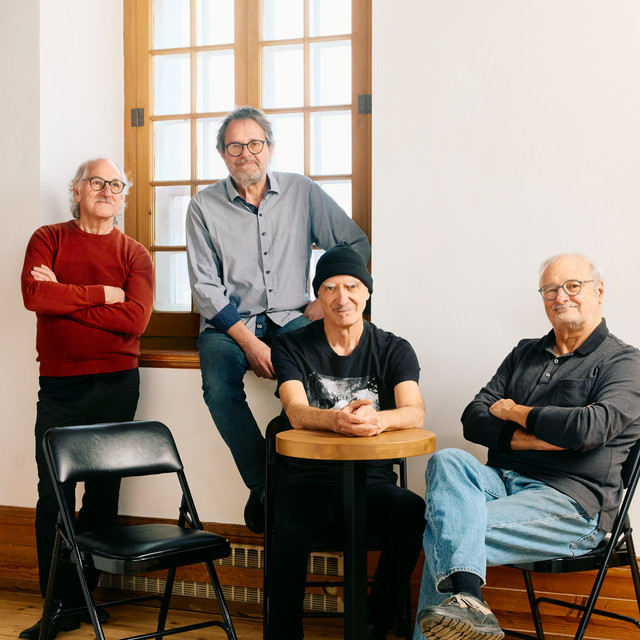
Les Charbonniers De L'enfer
2007–2008
·
3 albums
Listen
2
/5
Genres
Néo-Trad
Néo-trad is a contemporary Québécois style that refreshes traditional folk dance tunes, songs, and vocal techniques with modern songwriting and band arrangements. Built on reels, jigs, call-and-response refrains, and turlutte (mouth music), it keeps core instruments such as fiddle, accordion, jaw harp, spoons, and podorythmie (foot-tapping) while adding drum kit, electric bass, and guitars. Lyrics—most often in Quebec French—celebrate heritage, everyday life, and social issues with a direct, populist tone. The result is energetic, danceable folk with the punch and hooks of pop-rock, bridging living tradition and 21st‑century popular music.
Discover
Listen
Chanson Québécoise
Chanson québécoise is the French-language singer‑songwriter tradition of Québec, rooted in poetic, narrative lyrics and intimate performance. It blends the literary focus of French chanson with North American folk and, later, rock and pop sonorities. Typically performed in cafés, cabarets, and the boîtes à chansons that flourished during the Quiet Revolution, the style emphasizes storytelling, social commentary, and cultural identity—often delivered in Québec French (including joual). Arrangements range from voice‑and‑guitar simplicity to fuller folk‑rock and orchestral textures developed in the 1970s and beyond.
Discover
Listen
Traditional Music
Traditional music is an umbrella term used in the mid–20th century by folklorists and ethnomusicologists to denote community-rooted, orally transmitted repertoires tied to social ritual, work, celebration, and storytelling. Unlike commercial pop or art-music traditions, traditional music is typically learned by ear, varies regionally, and evolves slowly through communal participation. It often features modal melodies, cyclic rhythms, heterophony or unison singing, and indigenous instruments whose timbres are integral to local identity. Lyrics tend to preserve language, history, and collective memory. While the musical practices themselves can be ancient, the phrase “traditional music” emerged to replace earlier, narrower or colonial framings like “folk” or “ethnic” music, foregrounding continuity, locality, and living practice rather than exoticism.
Discover
Listen
French-Canadian Folk Music
French-Canadian folk music (musique traditionnelle québécoise et acadienne) is the vernacular music of Francophone communities in Canada, especially Quebec and Acadia. It blends old-world French dance forms and balladry with Celtic fiddle traditions and North American work-song practices. Core sonic markers include fiddle- and diatonic button-accordion–led dance tunes (reels in 2/2 or 4/4, jigs in 6/8), vigorous podorythmie (percussive foot-tapping) as the rhythm engine, and call-and-response singing known as chansons à répondre. Mouth music and vocables (turlutte, reel à bouche) often substitute for instruments, while guitars, piano, harmonica, and jaw harp provide accompaniment. Lyrically, strophic ballads and narrative songs portray voyageurs, lumber camps, seasonal festivities, and courtship, frequently in regional French dialects (e.g., Joual, Acadian). The overall feel is communal, dance-driven, and melodically catchy, with harmonies typically rooted in I–IV–V progressions and modal touches (especially Mixolydian). It thrives at kitchen parties, weddings, and community dances, sustaining a living, intergenerational tradition.
Discover
Listen
Folk Québécois
Folk québécois is the traditional folk music of French-speaking Quebec, shaped by centuries of oral transmission among settlers, voyageurs, and lumber-camp singers. It blends French balladry and dance forms with strong Celtic (Irish and Scottish) fiddle traditions and local North American adaptations. The sound is driven by fiddle and diatonic button accordion, anchored by podorythmie (seated foot-tapping used as percussion), call-and-response chansons à répondre, and lively dance tunes such as reels, jigs, and quadrilles. Lyrics are typically in French (often with joual dialect), celebrating village life, work, love, humor, and legends, and often feature mouth-music refrains (turlutte).
Discover
Listen
Albums
2008
1
/5
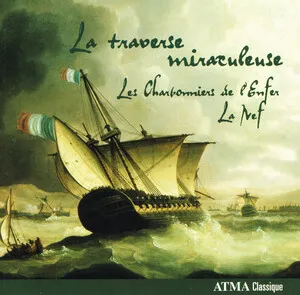
La traverse miraculeuse
Les Charbonniers de l'enfer / La Nef
French-Canadian Folk Music
2007
2
/5
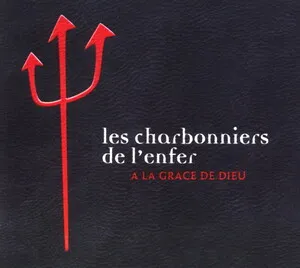
À la grâce de Dieu
Les Charbonniers de l'enfer
French-Canadian Folk Music
Néo-Trad
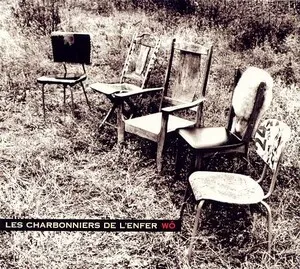
Wô
Les Charbonniers de l'enfer
French-Canadian Folk Music
Similar artists
2
/5
La Bottine Souriante
French-Canadian Folk Music
Traditional Music
Néo-Trad
2
/5
Le Vent du Nord
French-Canadian Folk Music
Cajun
Celtic
2
/5
Le RÊve Du Diable
French-Canadian Folk Music
Canadian Folk Music
Chanson Québécoise
3
/5
Les Cowboys Fringants
Rock Quebecois
Chanson Québécoise
Rock
2
/5
Yves Lambert
Celtic
Chanson Québécoise
Folk Québécois
1
/5
La Volée d'Castors
Chanson Québécoise
Folk Québécois
Traditional Music
1
/5
De Temps Antan
Cajun
Chanson Québécoise
Folk Québécois
1
/5
Nicolas Pellerin
Chanson Québécoise
Folk Québécois
Traditional Music
1
/5
Les Cuillères à Carreaux
Chanson Québécoise
Folk Québécois
Traditional Music
1
/5
Les Tireux d'Roches
Chanson Québécoise
Folk Québécois
Traditional Music
Download our mobile app
Get the Melodigging app and start digging for new genres on the go
Download on the App Store
Get it on Google Play
© 2026 Melodigging
Give feedback
Legal
Melodding was created as a tribute to
Every Noise at Once
, which inspired us to help curious minds keep digging into music's ever-evolving genres.