Genres
Artists
Albums
Make Music
Sign in
Sign in
Artists
Moroccan Rap
Artists
Moroccan Rap
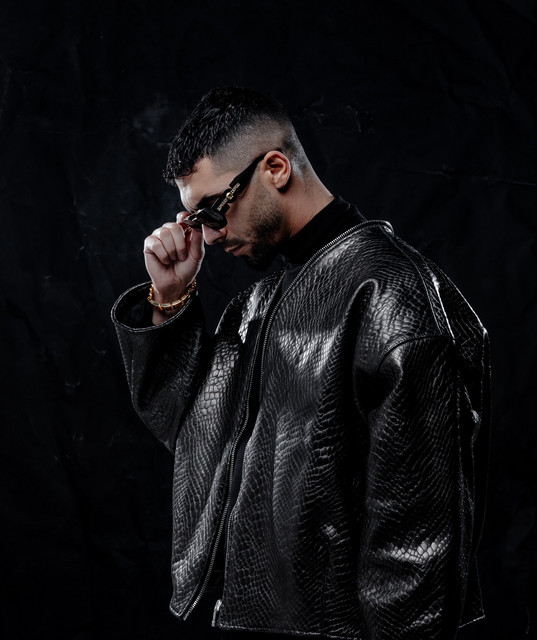
Lartiste
2023
·
1 album
Listen
4
/5
Genres
Chill Drill
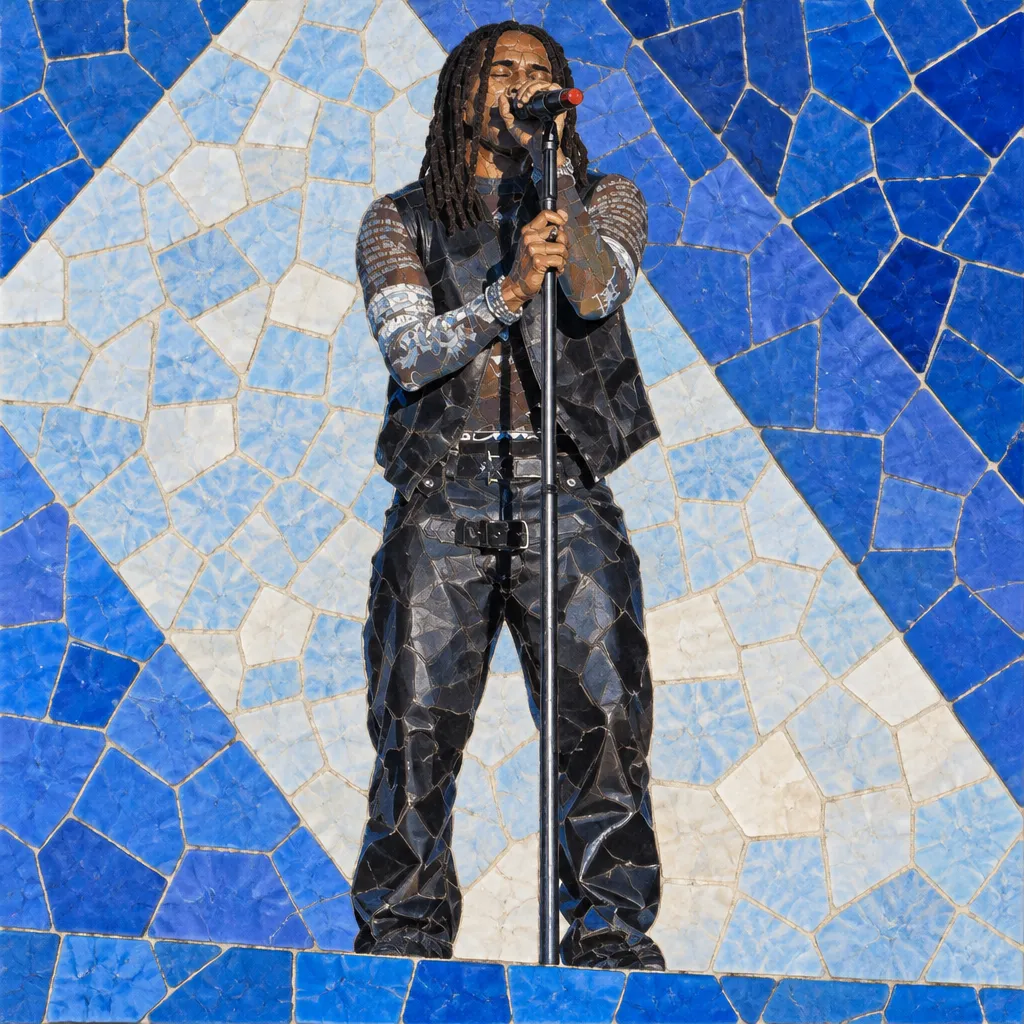
Chill drill is a mellow, melodic offshoot of UK drill that keeps the style’s distinctive sliding 808s, syncopated hi-hats, and snare-on-3 placement, but softens the overall timbre and mood. Instead of ominous synths and harsh textures, it leans on airy pads, Rhodes pianos, gentle guitar loops, and lo‑fi ambience. Vocals tend to be more introspective and tuneful, with sing-rap hooks, laid-back cadences, and reflective lyric themes (romance, ambition, day-to-day life). The result bridges drill’s rhythmic identity with chillhop and lo‑fi hip hop’s relaxed atmosphere, creating tracks that are both groove-driven and easy to live with.
Discover
Listen
Rage Rap
Rage rap is a high-energy, synth-forward strain of contemporary trap characterized by distorted 808s, fast rolling hi‑hats, and bright, detuned supersaw or arpeggiated lead lines borrowed from EDM. The beats are usually minimal in harmony but maximal in timbre, building intensity with looping motifs, risers, and dramatic filter sweeps. Vocals tend to be shouted or projective rather than whispered, with catchy, repetitive hooks and ad‑lib heavy delivery. Lyrical themes often center on flexing, hedonism, designer fashion, and internet-native lifestyle signifiers. Typical tempos land in the 130–150 BPM range, favoring short, loop-driven structures that explode quickly and end before the energy dips, making the style highly viral and performance-ready.
Discover
Listen
Afro Drill
Afro drill is a regionalized form of drill that fuses the gritty, sliding-808 sonics and half‑time bounce of UK/Chicago drill with African rhythmic feel, languages, and street narratives. Born around the turn of the 2020s in Ghana (popularly called the Asakaa movement) and quickly echoed across other African scenes and diasporas, it retains drill’s cold, minor‑key atmosphere while introducing Afrobeats/highlife‑tinged melodies, syncopated percussion, and local flows in Twi, Ghanaian Pidgin, Yoruba, Sheng, and more. The result is music that is simultaneously raw and danceable—dark, street‑level storytelling delivered with regional slang and call‑and‑response hooks, framed by modern drill drum programming and African groove sensibilities.
Discover
Listen
Brazilian Trap
Brazilian trap (trap brasileiro) is the Brazilian adaptation of the Atlanta-born trap sound, performed primarily in Portuguese and colored by local rhythms, slang, and aesthetics. It features 808-heavy beats, half-time grooves, rapid hi-hat rolls, and melodic, Auto-Tuned vocals, while often folding in the swing and percussive feel of funk carioca. Lyrics commonly move between street realities, internet-native lifestyle, fashion, and aspirational luxury, with strong regional accents and Brazilian vernacular giving it a distinct identity from US trap.
Discover
Listen
Pop Urbaine
Pop urbaine is a French mainstream pop style that blends contemporary R&B, hip hop, Afrobeats, dancehall, zouk, raï, and reggaeton with chart‑friendly songwriting. It emphasizes melodic hooks, mid‑tempo grooves, and sleek vocal production (often with Auto‑Tune) while foregrounding everyday, romantic, and nightlife themes in colloquial French. Rhythmically it favors syncopated Afro‑Caribbean patterns, sparse but bouncy 808 drums, and light guitar or synth plucks, creating a buoyant, danceable feel without the aggressiveness of club music. Vocals typically alternate between sung refrains and rap‑influenced verses, with catchy refrains designed for streaming and social media virality. The genre became a defining sound of French popular culture in the late 2010s, driven by a new generation of Francophone artists with diasporic roots who globalized French pop while keeping its language and local slang at the center.
Discover
Listen
Lo Star
Lo star is a streaming-era umbrella tag used to group under-the-radar, low-profile artists who sit on the fringes of indie, alternative, DIY pop, and related scenes. Rather than denoting a single, tightly defined musical vocabulary, it marks a discovery space of self-produced or small-label projects with modest audiences, genre-fluid aesthetics, and a distinctly DIY approach to recording and release. Expect intimate vocals, inexpensive or home-studio production, hybrid acoustic/electronic textures, and songwriting that favors personal storytelling and immediacy over polish. Because it functions as a curatorial category for emerging or niche acts, the sonic palette spans indie rock and folk-pop to bedroom pop and lo-fi electronic, unified by scale, ethos, and distribution more than by strict musical rules.
Discover
Listen
Draga
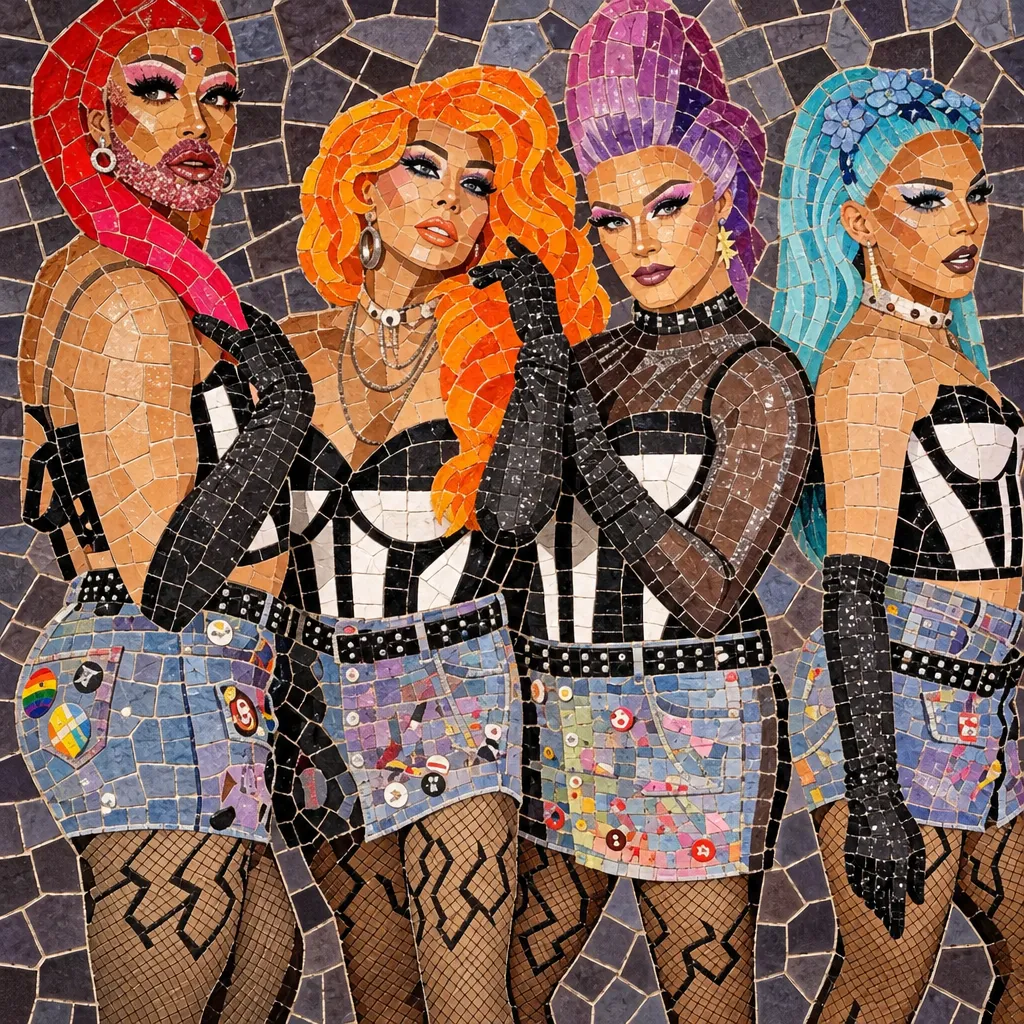
Draga is a Spanish‑language drag‑pop scene centered in Mexican queer nightlife and online culture. It blends high‑camp theatrics, witty and often satirical lyrics, and club‑ready production informed by electropop, reggaeton/dembow, moombahton, and ballroom vogue aesthetics. Tracks are typically hook‑driven and performance‑oriented—designed to work both as standalone pop singles and as lip‑sync or live show centerpieces. Vocals often mix melodic choruses with spoken attitude, ad‑libs, and punchline‑style one‑liners. The sound palette favors glossy synths, bouncy low‑end, clap‑heavy reggaeton grooves, and big, glittering drops, while visuals and persona are inseparable from the music’s meaning and impact.
Discover
Listen
Latin Afrobeats
Latin Afrobeats is a hybrid of West African Afrobeats and Latin urban pop in which Spanish (and sometimes Portuguese) lyrics ride syncopated, polyrhythmic grooves. It marries Afrobeats’ swung shakers, off‑beat hi‑hats, guitar licks, and buoyant bass with dembow and dancehall drum patterns common to reggaeton and Latin pop. The result is a bright, dance‑forward style with catchy toplines, call‑and‑response hooks, and concise song forms tailored to streaming. Production tends to be minimal yet percussive, with Afro‑percussion (shekere, conga/bongo colors), plucked guitars or synth plucks, and warm sub‑bass supporting melodies that often draw on pentatonic or natural minor scales. Themes revolve around romance, partying, and feel‑good celebration, making the music equally at home in clubs and playlists.
Discover
Listen
Shatta
Shatta is a raw, high-energy French Caribbean take on dancehall that crystallized in the 2010s within the Guadeloupe–Martinique scene. It is powered by hard-hitting dembow-derived grooves, booming 808 sub-bass, clipped snares, and sirens/airhorns designed for clubs and car sound systems. Vocals—often in Antillean Creole and French—favor short, repetitive hooks, call-and-response chants, and provocative, party-focused or streetwise themes. Stylistically, Shatta blends Jamaican dancehall attitude with local French Antillean aesthetics (and some bouyon drive), plus trap-era sound design. The result is an aggressive, minimal, dancefloor-first sound that’s immediately “bashment” in feel yet distinct to the FWI (French West Indies).
Discover
Listen
Sky Room
Sky room is a streaming-era microgenre of airy, pastel-hued alt‑pop and indie R&B that sits between bedroom pop and chill electronic music. It emphasizes soft, close-miked vocals, spacious reverbs, light trap‑influenced percussion, and gentle synth or clean guitar textures. The overall sound is weightless and daydreamy—designed as much for background listening as for late‑night introspection. Lyrically, sky room leans toward intimate, confessional themes—quiet anxieties, tender romance, and coming‑of‑age self-reflection—conveyed with minimalist phrasing and catchy, understated hooks.
Discover
Listen
Twerk
Twerk is a high-energy club and festival style built around pounding 808 bass, head-nodding half‑time grooves at double‑time feel, and chantable hooks designed for the dancefloor. Typically sitting near 95–110 BPM, its percussion borrows the call‑and‑response patterns and bounce of New Orleans Bounce while embracing the sub‑heavy thump and party-forward attitude of Miami Bass. Modern productions often fold in trap-style hi-hats, crowd commands, and minimal, catchy riffs, prioritizing rhythm and movement over complex harmony.
Discover
Listen
Moroccan Pop
Moroccan pop is contemporary, radio‑friendly music from Morocco that blends North African rhythms and modes with global pop craft. It draws on chaabi street grooves, gnawa bass patterns, and Andalusian ornamentation while embracing glossy production, catchy toplines, and dance‑floor energy. Sung primarily in Moroccan Arabic (Darija), it often weaves in French, Standard Arabic, Amazigh (Tamazight), and occasional English phrases. The sound palette ranges from darbuka, bendir, and qraqeb to modern drum machines, synths, and Auto‑Tune, yielding sleek hooks that sit comfortably between Arab pop, French pop, R&B, hip hop, EDM, and, more recently, reggaeton and Afro‑leaning rhythms.
Discover
Listen
Moroccan Rap
Moroccan rap is a hip hop movement from Morocco that blends American rap foundations with North African rhythms, melodies, and street vernaculars. It is primarily performed in Darija (Moroccan Arabic), often mixed with French, Modern Standard Arabic, and Tamazight, creating a distinct linguistic and cultural voice. Musically, the style draws on trap and boom-bap production while sampling or referencing local sources such as gnawa grooves, chaabi claps, and raï-adjacent melodic turns. Lyrically it ranges from sharp social critique and political commentary to autobiographical storytelling, swaggering bravado, and urban poetry reflecting the realities of Moroccan cities and the diaspora.
Discover
Listen
French R&b
French R&B (R&B français) is a francophone take on contemporary R&B that blends sleek, groove‑driven production with French pop sensibilities and urban slang. It typically features smooth, melismatic vocals, mid‑tempo rhythms, and lush harmonies, while drawing on hip‑hop’s drum programming and featured rap verses. Shaped by France’s multicultural scene, the style often integrates influences from raï and zouk as well as US new jack swing and neo‑soul. Lyrics commonly explore love, vulnerability, empowerment, and everyday city life, delivered in conversational French (sometimes with verlan, Arabic, Lingala, or English code‑switching). Since the 2010s, the sound has increasingly absorbed Afrobeats/afropop grooves and trap‑era textures, widening its appeal across the francophone world.
Discover
Listen
French Rap
French rap is the Francophone expression of hip hop culture, built on rhythmic speech, sampling, and beat-driven production while centering the French language (and its slang, verlan) as an instrument of flow and meaning. From its boom-bap and electro beginnings in the late 1980s, the genre evolved through a 1990s golden age of dense lyricism and social commentary, and later absorbed trap, drill-adjacent rhythms, and Afrobeats/African diasporic grooves. Regional scenes (Paris/Île-de-France, Marseille, Lyon) contributed distinct sounds and accents, while North and West African diasporas infused melodies, instrumentation, and themes. Lyrically, French rap balances razor-sharp wordplay and literary devices with narratives about identity, inequality, everyday life, and ambition. Sonically, it spans sample-heavy jazz-rap, soulful boom-bap, glossy synths, moody minor-key textures, and 808-heavy beats suitable for both reflective storytelling and club energy.
Discover
Listen
Pop Rap
Pop rap blends the rhythmic vocal delivery and beat-centric production of hip hop with the catchy hooks, polished structures, and radio-friendly sensibilities of pop music. It typically features melodic choruses (often sung), accessible themes, and mid-tempo grooves designed for mass appeal. Production prioritizes clean, bright sonics, simple harmonic progressions, and memorable top-line melodies, while verses keep to clear, punchy flows that are easy for broad audiences to follow. Because it sits between two commercial powerhouses—pop and hip hop—pop rap has frequently served as a gateway for mainstream listeners to explore rap, while giving hip hop artists a framework to cross over to pop charts.
Discover
Listen
Hip Hop
Hip hop is a cultural and musical movement that emerged from Black, Latino, and Caribbean communities, centering around rapping (MCing), DJing/turntablism, sampling-based production, and rhythmic speech over beats. It prioritizes groove, wordplay, and storytelling, often reflecting the social realities of urban life. Musically, hip hop is built on drum-centric rhythms (from breakbeats to 808 patterns), looped samples, and bass-forward mixes. Lyrically, it ranges from party anthems and braggadocio to political commentary and intricate poetic forms, with flow, cadence, and rhyme density as core expressive tools. Beyond music, hip hop encompasses a broader culture, historically intertwined with graffiti, b-boying/b-girling (breakdance), fashion, and street entrepreneurship, making it both an art form and a global social language.
Discover
Listen
Show all 17 genres
Albums
2023
3
/5
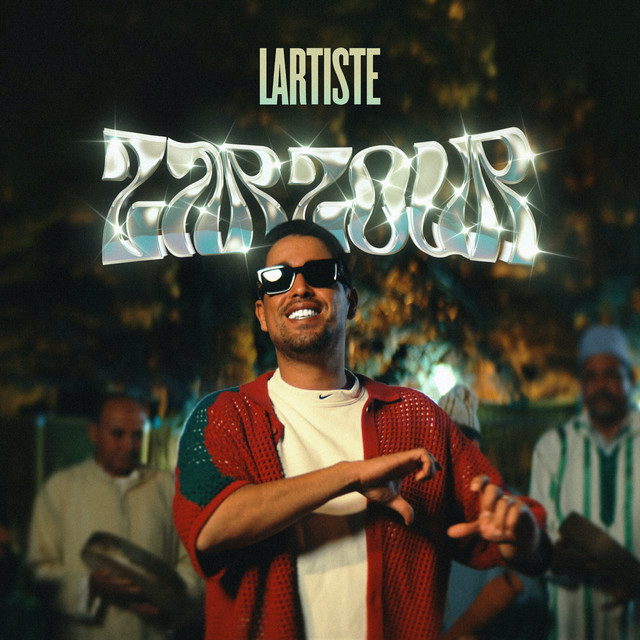
Zarzour
Lartiste
Moroccan Rap
Similar artists
4
/5
TIF
Moroccan Rap
French Rap
Moroccan Pop
4
/5
Soolking
Moroccan Pop
Afro Drill
Chill Pop
3
/5
Anas
French R&b
Moroccan Pop
Moroccan Rap
2
/5
Yanso
French Rap
Moroccan Pop
Moroccan Rap
4
/5
ElGrandeToto
Moroccan Rap
Arabic Rap
Moroccan Pop
4
/5
Inkonnu
Arabic Hip Hop
Moroccan Pop
Moroccan Rap
4
/5
Draganov
Moroccan Pop
Moroccan Rap
Arabic Hip Hop
4
/5
Mister You
Moroccan Rap
Afro Drill
French Rap
3
/5
Balti
Moroccan Rap
Raï
Arabic Hip Hop
3
/5
Bo9al
Moroccan Rap
Arabic Hip Hop
Draga
Download our mobile app
Get the Melodigging app and start digging for new genres on the go
Download on the App Store
Get it on Google Play
© 2026 Melodigging
Give feedback
Legal
Melodding was created as a tribute to
Every Noise at Once
, which inspired us to help curious minds keep digging into music's ever-evolving genres.