Genres
Artists
Albums
Make Music
Sign in
Sign in
Artists
Cantautor
Artists
Cantautor
La Unión
1984–2015
·
4 albums
Listen
4
/5
Genres
Pov: Indie
"pov: indie" is a social-media-native microstyle built around short, cinematic indie-pop/indie-rock snippets designed to accompany a first-person (POV) narrative. Instead of being defined by a single new musical technique, it is defined by context: the music is chosen or written to feel like the soundtrack to a specific moment (a crush, a late-night walk, moving to a new city, seasonal nostalgia). Sonically it typically uses bright but soft guitars or synths, intimate vocals, simple memorable hooks, and production that reads clearly on phone speakers. The emotional tone is often wistful, tender, and “coming-of-age,” with lyrics that can be understood quickly in a 10–30 second clip.
Discover
Listen
Movida Madrileña
Movida madrileña is a late-1970s to mid-1980s cultural and musical movement centered in Madrid that celebrated freedom, experimentation, and urban nightlife in the wake of Spain’s transition to democracy. It blends punk’s DIY spirit with new wave, post-punk, synth-pop, and power pop, favoring catchy choruses, angular guitars, prominent bass lines, and bright analog synthesizers. Visually and lyrically it is playful, irreverent, and hedonistic—embracing fashion, film, photography, fanzines, and club culture—while often deploying irony to comment on modernity, identity, and the city. Key venues (notably Rock-Ola), indie labels (DRO, GASA, Tres Cipreses), and radio/TV programs (Radio 3’s shows, La Edad de Oro, La bola de cristal) amplified the sound and attitude across Spain.
Discover
Listen
Synth-Pop
Synth-pop is a pop-oriented style that foregrounds the synthesizer as its primary instrument, often paired with drum machines and sequencers. It favors clean, melodic hooks, concise song structures, and a sleek, modernist sound that ranges from cool and minimal to lush and romantic. Emerging at the turn of the 1980s from the UK new wave and post-punk scenes, synth-pop leveraged affordable analog and then digital keyboards to bring electronic textures into the mainstream. Its sonic palette includes arpeggiated basslines, shimmering pads, bright leads, gated or machine-driven drums, and polished vocals that convey both futuristic detachment and emotional immediacy.
Discover
Listen
New Wave
New wave is a broad, pop-oriented umbrella for styles that emerged in the mid-to-late 1970s as a sleeker, more melodic outgrowth of punk culture. Initially, the term varied by region: in the United States it was first used by critics and labels (famously Sire Records’ “Don’t Call It Punk” campaign in 1977) to rebrand punk-associated artists with more radio-friendly aesthetics; in the United Kingdom it encompassed a wider constellation of fresh, stylish post-punk-era sounds. Over time, “new wave” became a catch‑all for hooky guitar pop, synth-driven songs, danceable rhythms, and modernist production sensibilities. Sonically, it blends tight, upbeat rhythms (often disco- and reggae-informed), clean chorus/flanger guitars, prominent synthesizers, and concise, hook-led songwriting. Its visual identity—sharp suits, futurist imagery, and fashion-forward presentation—was integral, aligning with the rise of music television and emphasizing art-school wit, irony, and modern urban themes.
Discover
Listen
Cantautor
Cantautor refers to the Spanish-language singer‑songwriter tradition in which the performer is the primary author of both lyrics and music, often accompanying themselves on acoustic guitar or piano. The style foregrounds poetic, narrative, and socially engaged lyrics, delivered with an intimate vocal approach and simple, folk-leaning harmonies. While it overlaps with global singer‑songwriter currents, cantautor developed a distinct identity in Spain and Latin America through its connection to local poetry, vernacular folk idioms, and political expression during the 1960s–1980s.
Discover
Listen
Latin Rock
Latin rock blends the instrumentation and attitude of rock with Afro‑Latin and Caribbean rhythms, percussion, and song forms. Typical bands combine electric guitars, bass, and drum kit with congas, bongos, timbales, and hand percussion, creating a driving, danceable groove grounded in the clave. Vocals may be in Spanish, Portuguese, Spanglish, or English, and lyrics range from love songs and urban life to social and political commentary. Harmonically, Latin rock draws from blues/rock progressions but frequently incorporates modal colors (Dorian, Mixolydian) and montuno‑style vamps borrowed from salsa and Afro‑Cuban traditions. The result sits comfortably between club‑ready rhythm and arena‑sized rock energy.
Discover
Listen
Rock En Español
Rock en español is the umbrella term for rock music performed in Spanish across Latin America and Spain. It adapts the attitude, instrumentation, and songwriting of Anglo-American rock—electric guitars, bass, drums, and hook-driven choruses—while foregrounding Spanish lyrics and local themes. The style ranges from 1960s beat- and garage-influenced bands to 1970s blues/psychedelia and the punk, new wave, and pop-rock explosions of the 1980s and 1990s. Lyrically it moves from social critique and urban realism to romance and introspection, often reflecting the political and cultural realities of Spanish-speaking countries.
Discover
Listen
Pop Rock
Pop rock blends the hook-focused immediacy of pop with the instrumentation and drive of rock. It prioritizes catchy melodies, concise song structures, and polished production while retaining guitars, bass, and drums as core elements. Typical pop rock tracks use verse–pre-chorus–chorus forms, strong vocal harmonies, and memorable riffs. The sound ranges from jangly and bright to mildly overdriven and arena-ready, aiming for radio-friendly appeal without abandoning rock’s rhythmic punch.
Discover
Listen
Pop
Pop is a broad, hook-driven style of popular music designed for wide appeal. It emphasizes memorable melodies, concise song structures, polished vocals, and production intended for radio, charts, and mass media. While pop continually absorbs elements from other styles, its core remains singable choruses, accessible harmonies, and rhythmic clarity. Typical forms include verse–pre-chorus–chorus, frequent use of bridges and middle-eights, and ear-catching intros and outros. Pop is not defined by a single instrumentation. It flexibly incorporates acoustic and electric instruments, drum machines, synthesizers, and increasingly digital production techniques, always in service of the song and the hook.
Discover
Listen
Show all 9 genres
Albums
2015
3
/5
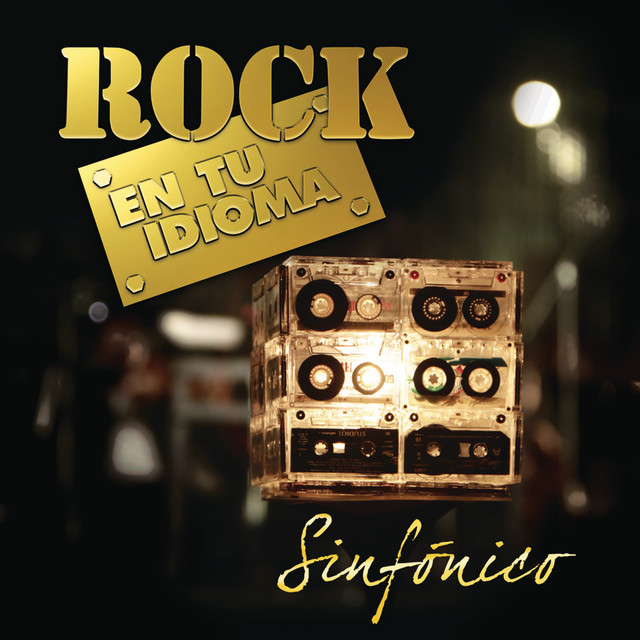
Rock en Tu Idioma Sinfónico
La Unión
Cantautor
2014
3
/5
Las 100 Mejores Canciones de los 80
La Unión
Cantautor
1985
1
/5
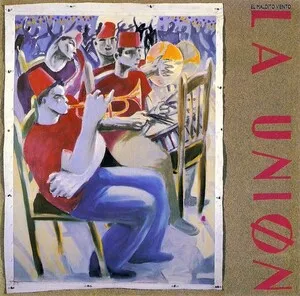
El maldito viento
La Unión
Movida Madrileña
1984
3
/5
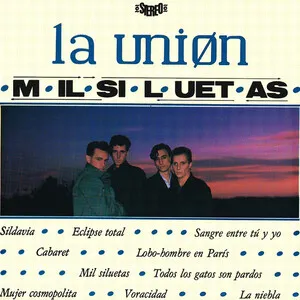
Mil siluetas
La Unión
Movida Madrileña
Pop
Synth-Pop
Similar artists
4
/5
Mecano
Cantautor
Synth-Pop
Movida Madrileña
4
/5
Hombres G
Latin Rock
Mexican Rock
Movida Madrileña
3
/5
Nacha Pop
Movida Madrileña
Pop
Pop Rock
3
/5
Radio Futura
Movida Madrileña
Rock
Pop
5
/5
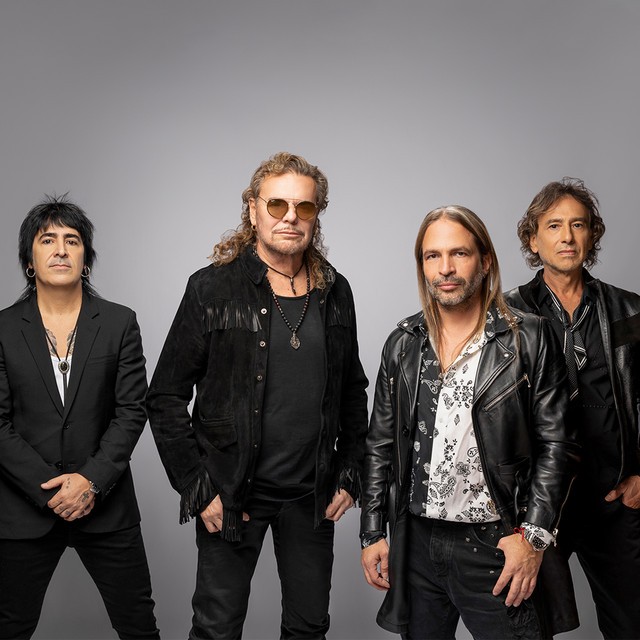
Maná
Latin
Latin Rock
Mexican Rock
4
/5
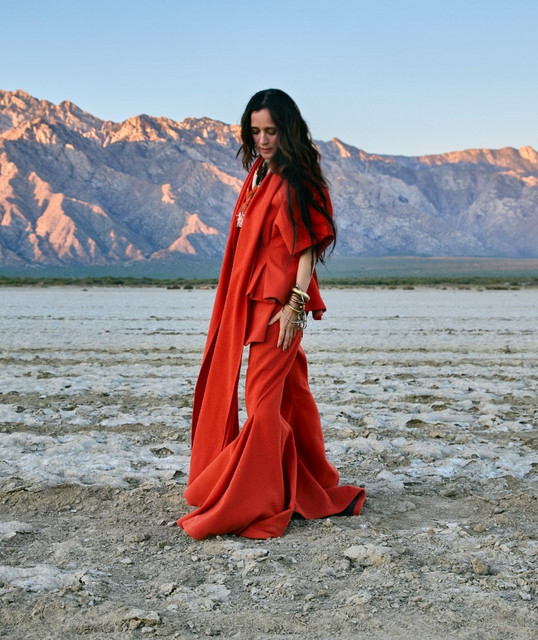
Julieta Venegas
Latin Pop
Latin Alternative
Latin
4
/5
Soda Stereo
Argentine Rock
Rock
Latin Rock
4
/5
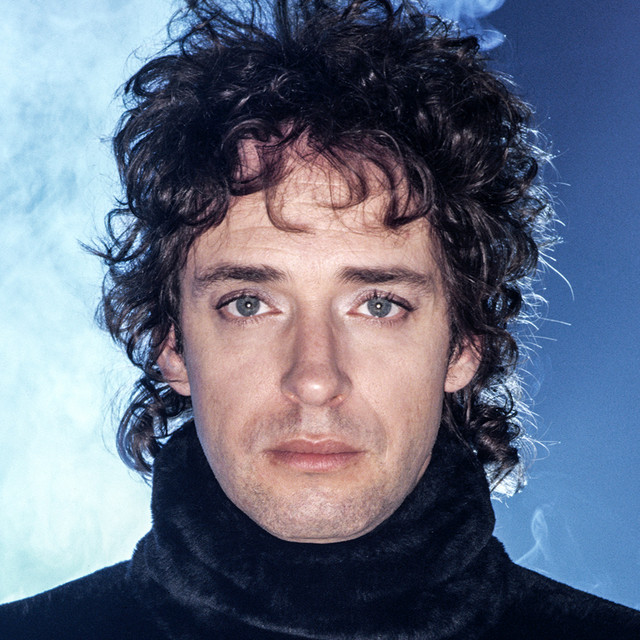
Gustavo Cerati
Argentine Rock
Rock Sónico
Pop
4
/5
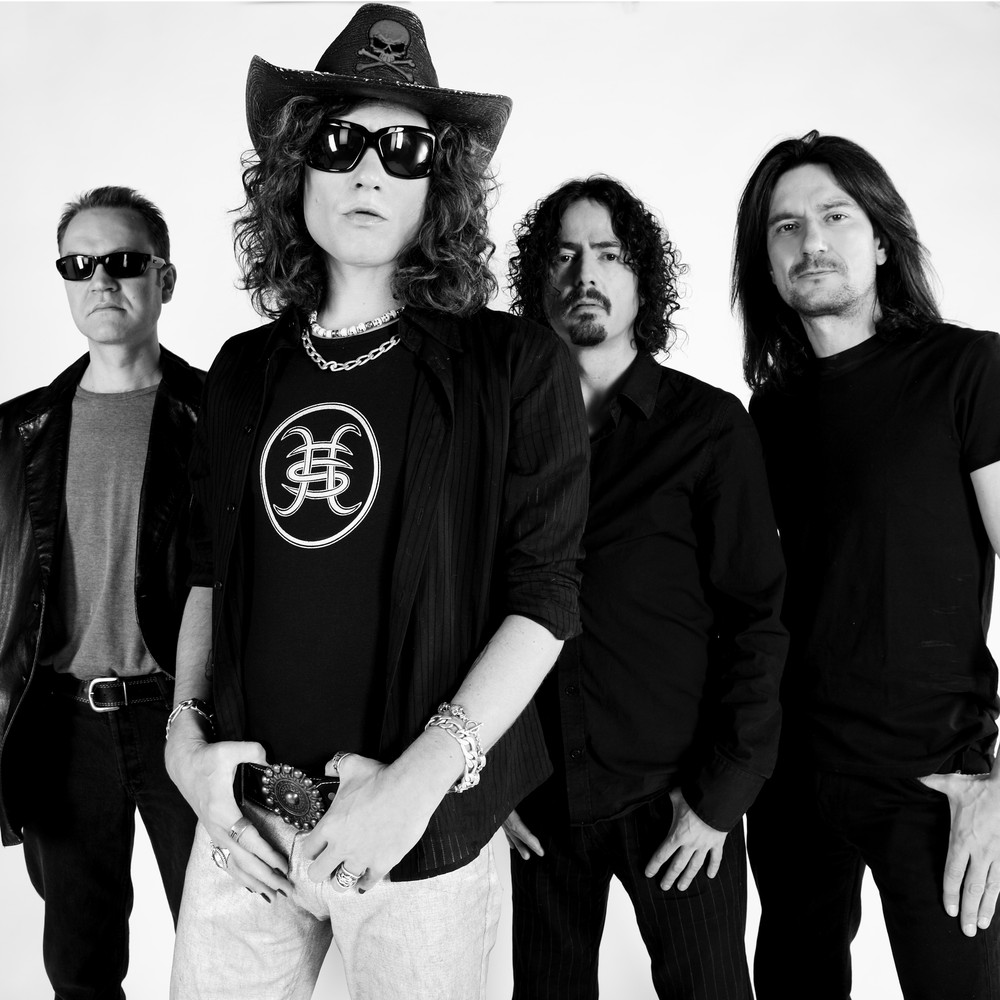
Heroes Del Silencio
Latin Alternative
Latin Rock
Mexican Rock
4
/5
Charly García
Argentine Rock
Rock
New Wave
Download our mobile app
Get the Melodigging app and start digging for new genres on the go
Download on the App Store
Get it on Google Play
© 2026 Melodigging
Give feedback
Legal
Melodding was created as a tribute to
Every Noise at Once
, which inspired us to help curious minds keep digging into music's ever-evolving genres.