Genres
Artists
Albums
Make Music
Sign in
Sign in
Artists
Alternative Dance
Artists
Alternative Dance
La Roux
Listen
4
/5
Genres
Slap House
Slap house is a pop-leaning strain of deep/house music built around a short, percussive "slap" bass that punches through the mix with aggressive sidechain compression. It typically sits between 118–125 BPM, uses simple minor-key harmony, and places a catchy topline—often a pitched‑down vocal or a cover of a familiar hit—over a sparse, club‑ready groove. The style borrows the weighty low end and rhythmic bounce of Brazilian bass while streamlining arrangements for streaming and radio. Clean four‑on‑the‑floor kicks, clipped claps on 2 and 4, and a tight, syncopated bass riff define the drop, with subtle pads, plucks, and FX in the breakdowns. Its combination of moody harmony, recognizable hooks, and dancefloor impact helped it dominate charts and TikTok/Spotify playlists in the late 2010s and early 2020s.
Discover
Listen
Tropical House
Tropical house is a mellow, melodic offshoot of deep house that blends a four-on-the-floor pulse with sun-soaked timbres like steel drums, marimba, pan flute, and warm acoustic guitar. It typically runs around 100–115 BPM, favors major-key progressions, and foregrounds breezy hooks over heavy drops, making it feel more like a summer pop record than a club banger. Vocals often carry romantic, nostalgic, or escapist themes—beaches, sunsets, and travel—while the production emphasizes soft percussion, sidechained pads, and a smooth, rolling sub. The genre rose to global prominence mid-2010s through hit remixes and crossover singles that brought house aesthetics into mainstream pop radio.
Discover
Listen
Uk Drill
UK drill is a dark, hard-edged offshoot of hip hop that emerged in London in the mid‑2010s. It is characterized by sliding 808 basslines, sparse minor‑key melodies, skittering hi‑hat rolls, and heavy, punchy drums programmed in a cold, half‑time groove around 138–144 BPM. Vocals are delivered in deadpan, menacing flows that draw on London road slang and, at times, Jamaican patois cadences. Lyrical themes often depict street realities, territoriality, and social pressure, set against an austere, cinematic soundscape. The genre’s sound design emphasizes tension—detuned pianos, eerie pads, choral stabs, and dissonant textures—while maintaining a head‑nodding bounce that makes it club‑potent despite its bleak tone. Developed by crews across South and East London, UK drill translated the template of Chicago drill through the lens of grime and UK road rap, becoming a globally influential style that reshaped drill scenes from New York to Sydney.
Discover
Listen
Vixa
Vixa is a Polish club-oriented strain of mainstream EDM that blends the swagger of big room house with the bouncy drive of Melbourne bounce and Dutch house. In Poland, “vixa” is also slang for a wild party, and the genre reflects that ethos: hard-hitting kicks, bold supersaw or brass-stab leads, and simple, chantable hooks designed for maximum dancefloor impact. Typically sitting around 128–132 BPM, vixa favors dramatic snare-roll builds, pitch-rising risers, and explosive drops with offbeat bass patterns. DJ edits of pop and regional hits—reworked into high-energy drops—are common, helping the sound dominate Polish club nights and festival stages where it thrives on big, euphoric moments.
Discover
Listen
Beats
Beats is a loose, producer-driven category for rhythm-forward instrumentals built around hip‑hop drum patterns without necessarily being rap songs or featuring vocals. It functions as an umbrella for stock, "type," and backing tracks used by rappers, singers, streamers, and content creators, spanning boom‑bap swing to trap hi‑hat grids and R&B‑leaning grooves. On streaming platforms it often appears as standalone instrumentals packaged by tempo, mood, or artist style (e.g., “trap type beat,” “R&B instrumental,” “club beat”), prioritizing portability and utility over artist identity. While rooted in hip‑hop production aesthetics—kicks, snares, 808s, chopped samples—Beats blends downtempo, electronic, and contemporary R&B sensibilities, aiming for clarity, loopability, and immediate vibe.
Discover
Listen
Melodic Dubstep
Melodic dubstep is a song-oriented, emotionally expressive branch of dubstep that blends the genre’s half-time drums and sound-design-heavy drops with lush chord progressions, cinematic atmospheres, and vocal-led songwriting. It typically sits around 140 BPM (often written and perceived in half-time), using supersaw stacks, plucky arps, and wide pads drawn from trance and progressive house, while retaining dubstep’s punchy kicks, snare-on-3 backbeat, and bass-focused drops. Compared to aggressive brostep, melodic dubstep prioritizes memorable toplines, warm harmonies, and dramatic builds that culminate in cathartic yet tasteful drops. It often features lyrical themes of longing, hope, and resilience, making it common in vocal collaborations and festival-ready singalongs.
Discover
Listen
Popwave
Popwave is a song‑forward branch of synthwave that fuses glossy 1980s pop aesthetics with contemporary electronic production. Where classic synthwave often favors instrumental, cinematic moods, popwave puts vocals and hooks at the center: big choruses, radio‑ready structures, and emotive lyrics about youth, night drives, neon‑lit romance, and bittersweet nostalgia. Sonically it leans on analog‑styled polysynths, driving eighth‑note basslines, gated‑reverb drums, shimmering guitars, and frequent sax or lead‑guitar cameos—yet it’s mixed and mastered to modern pop standards. The result is a style that feels simultaneously retro and current: the color and optimism of 80s chart pop, filtered through the songwriting discipline of today’s electropop and the sound design DNA of synthwave.
Discover
Listen
Classify
Classify is a streaming-era microgenre that blends light classical technique with contemporary pop repertoire, typically presented as unobtrusive instrumental covers. It prioritizes soft dynamics, gentle tempos, and intimate recording to create a calm, elegant backdrop suitable for studying, working, or events. Most arrangements are for solo piano, string quartet, cello/piano duos, or small chamber ensembles. Harmonies remain diatonic and consonant, melodies are clearly voiced, and textures favor arpeggios, ostinati, and sustained legato lines. The overall aesthetic borrows from modern classical and new age moods while retaining the familiarity of pop song forms.
Discover
Listen
Deep Tropical House
Deep tropical house is a mellow, low-end–rich offshoot of tropical house that blends the genre’s sunlit, beachy timbres (steel or mallet-like plucks, airy flutes, nylon-guitar or marimba motifs) with the smooth, subterranean warmth of deep house. Typically sitting around 100–115 BPM, it favors a steady four-on-the-floor kick, soft off-beat hats, hand percussion (shakers, congas), and a sidechained, rounded sub or sine/saw bass. Pads and keys are lush but restrained, with long reverbs and delays creating a humid, enveloping space. Vocals tend to be intimate and breathy, often centering nostalgic, romantic, or feel-good themes. Compared with mainstream tropical house, deep tropical house is less syrupy and more nocturnal: fewer big-room pop flourishes, more low-mid warmth, deeper grooves, and a calmer, poolside-after-dark atmosphere.
Discover
Listen
Halftime Dnb
Halftime DnB is a bass-focused offshoot of drum and bass that retains DnB’s tempo (typically 170–174 BPM) but places the drums in a half-time grid, creating the feel of 85–87 BPM. The result is a spacious, head‑nod swing that blends the sound design intensity of DnB with the groove logic of hip hop and trap. Producers emphasize heavyweight sub lines, neuro-influenced bass design, and skeletal, syncopated drum patterns (kicks and 808s up front, snares landing hard on beat three). Texture and negative space are integral, with percussion details, foley, and minimal melodic fragments carrying the narrative. The style sits naturally between club systems and headphone listening, often occupying the same ecosystems as UK bass, the autonomic/leftfield DnB continuum, and the LA beat scene.
Discover
Listen
Melodic Drill
Melodic drill is a substyle of drill rap that blends the dark, sliding 808s and syncopated drum programming of UK and New York drill with tuneful, often Auto‑Tuned hooks and emotive toplines. It typically uses minor‑key piano, guitar, or vocal‑chop loops, and favors spacious, reverb‑washed textures that leave room for singers and sing‑rap flows. While it keeps drill’s street‑reportage and coded slang, its songwriting leans toward catchy choruses, bittersweet melodies, and themes of loss, ambition, and love alongside grit. In clubs and on social media, the style’s hook‑forward writing and accessible harmonies helped it cross from the streets to mainstream pop playlists.
Discover
Listen
Otacore
Otacore is a fan-driven, internet-native umbrella for music centered on anime, manga, gaming, and broader otaku culture. Rather than a single strict musical style, it describes a cluster of scenes where pop, electronic, rock, and rap intersect with anime aesthetics, story tropes, and character/fandom references. Typical otacore repertoires include Vocaloid productions, anisong-style pop/rock, high-energy EDM with kawaii sound design, nightcore-style edits, game-inspired chiptune flourishes, and cover cultures (English/Japanese) tied to anime and game franchises. Distribution and discovery are powered by platforms such as Nico Nico Douga, YouTube, SoundCloud, streaming playlists, and later TikTok, where memeability, fan videos (AMVs), and vtuber performances help songs spread globally.
Discover
Listen
The Wave
The Wave is a loosely defined cluster of American post-hardcore/emo bands that surged in the early 2010s as emo-pop’s mainstream moment faded. The name was a tongue‑in‑cheek scene tag that stuck in press coverage, but it points to a real overlap in sound, ethos, and touring networks. Musically, The Wave fuses the urgency of 1990s post‑hardcore and screamo with confessional, literate lyric writing associated with emo. Expect shouted or half‑sung/half‑spoken vocals, dynamic quiet‑loud builds, intricate but driving drums, and guitar textures that shift between glassy clean arpeggios and overdriven, emotive climaxes. The songs often emphasize catharsis, narrative detail, and community-minded DIY presentation.
Discover
Listen
Artcore
Artcore is a subgenre of hardcore techno that fuses high-BPM club energy with the orchestral colors and dramatic writing of cinematic classical music. Producers combine pounding four-on-the-floor kicks, breakbeats, and modern EDM sound design with strings, piano, choirs, and sweeping harmonic progressions. The result is a maximalist, emotive style: towering builds, through-composed sections, key changes, and leitmotifs are common, while supersaw leads, reese basses, and intricate percussion keep the dancefloor intensity. The sound took shape in Japan’s doujin and rhythm-game circles, but it has since spread globally among electronic musicians who favor epic, narrative arrangements.
Discover
Listen
Brostep
Brostep is a high-intensity, EDM-leaning strain of dubstep that foregrounds aggressively modulated midrange basses, dramatic builds, and arena-sized drops. Where classic UK dubstep emphasizes sub-bass weight, spaciousness, and dubwise minimalism, brostep shifts the focus to bright, distorted, and highly articulated bass sound design, often supported by festival-ready structures and glossy, loud mastering. Typical tempos sit around 140 BPM (often presented in half-time), with snare on beat 3, punchy kick patterns, and dense fills. Signature sounds include vowel/formant "talking" basses, metallic growls, comb-filtered screeches, and heavy multiband distortion, arranged in call-and-response riffs that drive the drop.
Discover
Listen
Dubstep Product
Dubstep product is a production/library music take on dubstep tailored for sync: trailers, esports broadcasts, gaming content, advertising, influencer videos, and broadcast bumpers. It takes the sound design, half‑time groove, and drop‑centric structures of UK/US dubstep (including brostep/tearout variants) and packages them into edit‑friendly cues with clean hit points, sting endings, alternate mixes, stems, and duration cuts (15/30/60 seconds). The result balances maximalist bass design with practical considerations for dialogue, sound effects, and branding overlays. Compared with club‑oriented dubstep, dubstep product favors punchy, readable arrangements, cinematic impacts, and clearly marked builds/drops that translate across headphones, TV speakers, and mobile devices.
Discover
Listen
Queer Country
Queer country is a contemporary movement within country and Americana that centers LGBTQ+ voices, stories, and aesthetics while keeping strong ties to classic country songwriting, instrumentation, and vocal styles. Musically, it often draws from traditional country, outlaw country, honky-tonk, and folk-country, but its defining feature is lyrical perspective: songs about queer love, gender expression, chosen family, rural/working-class life, and the tension between tradition and belonging. Rather than being a single fixed sound, queer country is best understood as a scene and cultural re-framing of country music—one that challenges the genre’s historic heteronormativity while celebrating its narrative power and community roots.
Discover
Listen
Drill
Drill is a subgenre of hip hop that emerged on Chicago’s South Side in the early 2010s. It is defined by stark, menacing production; booming 808 sub‑bass with frequent pitch slides; skittering hi‑hats; and sparse, minor‑key melodies built from pianos, synth pads, strings, bells, or eerie soundscapes. Vocals are typically deadpan or urgent, with ad‑libs punctuating lines. Lyrically, drill foregrounds raw street reportage—survival, trauma, crews, and contested territory—often delivered with bleak realism. Tempos in original Chicago drill tend to sit around 60–75 BPM (often felt in double‑time), while later UK and New York scenes adopt 130–145 BPM grids with off‑kilter snare placement and distinctive sliding 808 patterns. The overall aesthetic prioritizes weighty low end, rhythmic tension, and an uncompromising mood.
Discover
Listen
London On Indie
London ON indie refers to the indie rock and indie pop scene centered in London, Ontario, Canada (often nicknamed the Forest City). It blends guitar-forward alternative rock, tuneful indie pop, and a DIY punk spirit, with occasional synth-pop shimmer and dream‑pop textures. The scene is sustained by university radio (CHRW/Radio Western), grassroots labels and promoters, and a tight network of venues such as London Music Hall, Rum Runners, and the much‑mythologized Call The Office. Lyrically, artists often capture small‑city resilience, relationships, and touring life across Southwestern Ontario, favoring earnest hooks, driving rhythms, and sing‑along choruses.
Discover
Listen
Seapunk
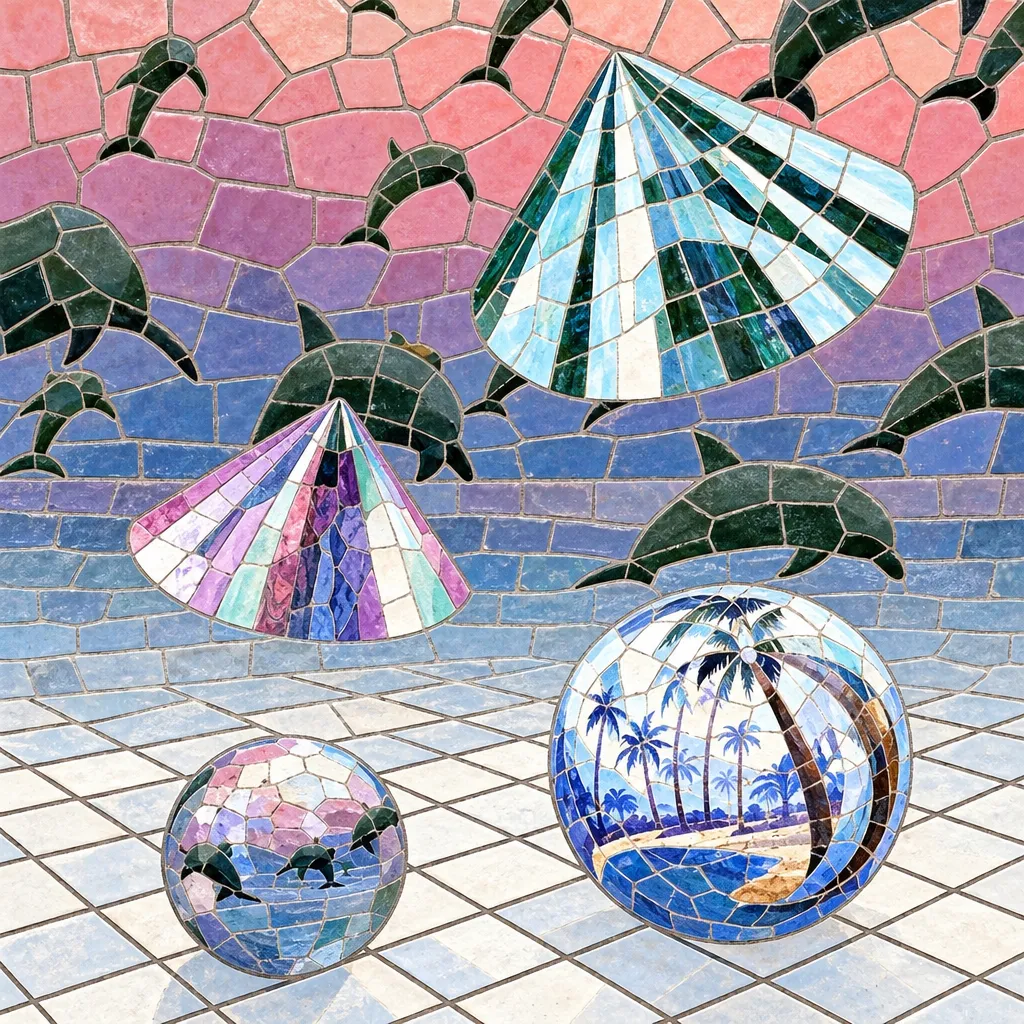
Seapunk is an early-2010s internet-born microgenre and multimedia aesthetic that fuses retro-rave sonics with Y2K-era, ocean-themed visuals. Its sound blends 1990s house and trance riffs, chopped-and-screwed and vaporwave-adjacent sampling, splashy 808/909 drums, and glossy, “watery” synth textures. The visual world is as important as the music: turquoise/teal palettes, 3D chrome dolphins, coral gradients, pixel seas, and GIF-era net art. Together, these define a playful, nostalgic, and cyber-aquatic identity that celebrates both rave euphoria and web-native DIY culture.
Discover
Listen
Neo-Synthpop
Neo-synthpop is a 21st‑century revival of 1980s synth‑driven pop that blends vintage analog timbres with modern pop songwriting and contemporary production polish. It retains the genre’s hallmark qualities—catchy hooks, prominent synthesizer leads, arpeggiators, and drum‑machine grooves—while adopting today’s mixing standards, wider stereo imaging, and louder, cleaner masters. Artists in neo-synthpop typically draw on shimmering pads, propulsive eighth‑note basslines, and glossy, reverb‑kissed snares. Lyrically, it often balances youthful romanticism and introspection with a subtly wistful, nostalgic tone, evoking neon‑lit nights, urban melancholia, and bittersweet euphoria. The result feels both retro and new: the immediacy of classic synthpop reframed for modern streaming and live festival contexts.
Discover
Listen
Alternative Dance
Alternative dance blends the textures and songwriting of alternative rock and post‑punk with club‑oriented rhythms and production. Born in the UK at the cusp of the late 1980s “Second Summer of Love,” it embraced house/acid house grooves, sequenced bass lines, and sampling while keeping indie sensibilities, guitars, and song structures. The result is music that works on a dancefloor but still reads like an alternative single. Typical hallmarks include four‑on‑the‑floor or breakbeat drums, jangly or funky guitars, prominent bass (often synth), euphoric pads, and hook‑forward vocals. Landmark albums like New Order’s Technique and Primal Scream’s Screamadelica helped define its palette and ethos.
Discover
Listen
Synth-Pop
Synth-pop is a pop-oriented style that foregrounds the synthesizer as its primary instrument, often paired with drum machines and sequencers. It favors clean, melodic hooks, concise song structures, and a sleek, modernist sound that ranges from cool and minimal to lush and romantic. Emerging at the turn of the 1980s from the UK new wave and post-punk scenes, synth-pop leveraged affordable analog and then digital keyboards to bring electronic textures into the mainstream. Its sonic palette includes arpeggiated basslines, shimmering pads, bright leads, gated or machine-driven drums, and polished vocals that convey both futuristic detachment and emotional immediacy.
Discover
Listen
Electronic
Electronic is a broad umbrella genre defined by the primary use of electronically generated or electronically processed sound. It encompasses music made with synthesizers, drum machines, samplers, computers, and studio/tape techniques, as well as electroacoustic manipulation of recorded or synthetic sources. The genre ranges from academic and experimental traditions to popular and dance-oriented forms. While its sonic palette is rooted in electricity and circuitry, its aesthetics span minimal and textural explorations, structured song forms, and beat-driven club permutations. Electronic emphasizes sound design, timbre, and studio-as-instrument practices as much as melody and harmony.
Discover
Listen
Show all 24 genres
Similar artists
5
/5
Kid Cudi
Hip Hop
Pop Rap
Electronic
5
/5
David Guetta
Dance
Electronic
House
5
/5
Teddy Swims
Pop
Soul
Pop Soul
5
/5
Marshmello
Electronic
Edm
Brostep
5
/5
Tiësto
Dance
Trance
Electronic
4
/5
Clean Bandit
Tropical House
Electronic
Pop
4
/5
Alok
Brazilian Bass
Electronic
Electro House
4
/5
Armin van Buuren
Progressive Trance
Trance
Electronic
4
/5
Gabry Ponte
Italo Dance
Eurodance
Slap House
4
/5
felix jaehn
German Dance
Tropical House
Electronic
Download our mobile app
Get the Melodigging app and start digging for new genres on the go
Download on the App Store
Get it on Google Play
© 2026 Melodigging
Give feedback
Legal
Melodding was created as a tribute to
Every Noise at Once
, which inspired us to help curious minds keep digging into music's ever-evolving genres.