Genres
Artists
Albums
Make Music
Sign in
Sign in
Artists
Congolese Rumba
Artists
Congolese Rumba
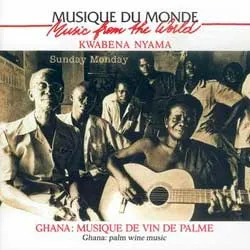
Kwabena Nyama
2005
·
1 album
Listen
1
/5
Genres
Hiplife
Hiplife is a Ghanaian fusion of classic highlife rhythms and melodies with hip hop’s rapped delivery, drum programming, and sampling aesthetics. Built around mid‑tempo grooves, hiplife typically marries syncopated, guitar-led highlife riffs and horn stabs with hip hop drum patterns, dancehall energy, and catchy R&B‑style hooks. Artists rap predominantly in Ghanaian languages (Twi, Ga, Ewe) and Ghanaian Pidgin English, foregrounding local idioms, humor, social commentary, and storytelling. The result is a vibrant, dance‑forward urban pop sound that remains unmistakably Ghanaian while being fully conversant with global rap and Caribbean diasporic styles.
Discover
Listen
Congolese Rumba
Congolese rumba (often called African rumba) is a danceable, guitar-driven popular music that emerged in Kinshasa and Brazzaville after World War II. It blends Afro‑Cuban son and bolero harmonies with Central African rhythmic sensibilities and call‑and‑response vocals. Typical recordings feature interlocking electric guitars (rhythm, mi‑solo and lead) playing lilting, cyclical figures over a steady, clave‑informed groove, buoyed by congas, maracas, cowbell, bass tumbao, and occasional horns. Songs frequently move from a lyrical, crooning verse into an extended instrumental vamp called the “sebene,” where the band raises the energy for dancers. Lyrically, Congolese rumba often uses Lingala (and sometimes French), celebrating romance, urban life, and social themes with suave vocal harmonies and a refined sense of melody.
Discover
Listen
Highlife
Highlife is a popular music genre from Ghana that blends indigenous rhythmic cycles and song forms with Western instrumentation and harmonies. It is instantly recognizable by its bright, interlocking guitar lines (often played with a two‑finger plucking technique), buoyant polyrhythms, call‑and‑response vocals, and jazzy horn riffs. Early dance‑band highlife favored brass and woodwinds (trumpet, saxophone, trombone) and big‑band arrangements, while guitar‑band highlife drew from palm‑wine guitar styles with lighter, lilted grooves. Across its variants, the music typically sits in major or mixolydian tonalities and uses dominant 7th/9th chord colors. From its coastal roots in the late 19th and early 20th centuries to post‑independence urban dance halls, highlife has continually evolved, later embracing electric guitars, synthesizers, and drum machines—yielding contemporary uptempo, synth‑driven forms that still retain the genre’s danceable feel.
Discover
Listen
Palm-Wine
Palm‑wine is a coastal West African guitar music that grew out of informal gatherings in palm‑wine bars and sailors’ quarters along the Sierra Leone–Liberia–Ghana–Nigeria coastline. It is characterized by lilting, finger‑picked acoustic guitar patterns, relaxed mid‑tempo grooves, and conversational, often humorous storytelling lyrics delivered in local languages or pidgin. The style blends indigenous rhythms and call‑and‑response singing with elements sailors encountered abroad—especially sea shanties and Caribbean song forms—resulting in a light, danceable, and intimate sound sometimes known in Sierra Leone as maringa. Its small‑ensemble format (guitar, shakers, hand percussion, bottle, or spoons) and convivial feel made it the social soundtrack of coastal taverns, later seeding guitar‑band highlife and early juju in the region.
Discover
Listen
Kru Music
Kru music refers to the traditional and coastal popular music practices of the Kru peoples of present-day Liberia (and adjacent Côte d’Ivoire). At its core are communal vocal traditions, call-and-response singing, polyrhythmic percussion, and work songs historically linked to canoe and maritime labor. In the early 20th century, Kru seafarers integrated imported guitars into local idioms while traveling West Africa’s coast and working on ships. This guitar-led coastal style—performed alongside rattles, bells, and hand drums—fed directly into the palm-wine and early guitar-band currents that later shaped highlife and other West African popular styles. The result is a spectrum that runs from ritual and community performance to lilting, fingerpicked guitar songs with buoyant 12/8 feels.
Discover
Listen
Traditional Folk
Traditional folk is a broad umbrella for orally transmitted songs and dance tunes that circulated in rural and working-class communities before the age of mass recording. Repertoires include narrative ballads, laments, love songs, work songs, lullabies, and instrumental dance sets such as reels, jigs, hornpipes, and marches. Stylistically, traditional folk favors strophic forms, pentatonic or modal melodies (often Dorian and Mixolydian), limited harmonic movement, and strong, memorable tunes designed for communal singing and dancing. Performances range from unaccompanied solo voice to small ensembles built around fiddle, flute/whistle, pipes, concertina/accordion, guitar, banjo, and frame drum. Ornamentation, variation by verse, and flexible tempo are integral, reflecting an oral tradition where songs live through continual reinterpretation. Although it is pan‑regional, the modern idea of “traditional folk” coalesced in the 19th century through collectors and revivalists who documented vernacular music and framed it as cultural heritage.
Discover
Listen
Albums
2005
1
/5
Ghana: Musique de vin de palme
Kwabena Nyama
Palm-Wine
Kru Music
Similar artists
1
/5
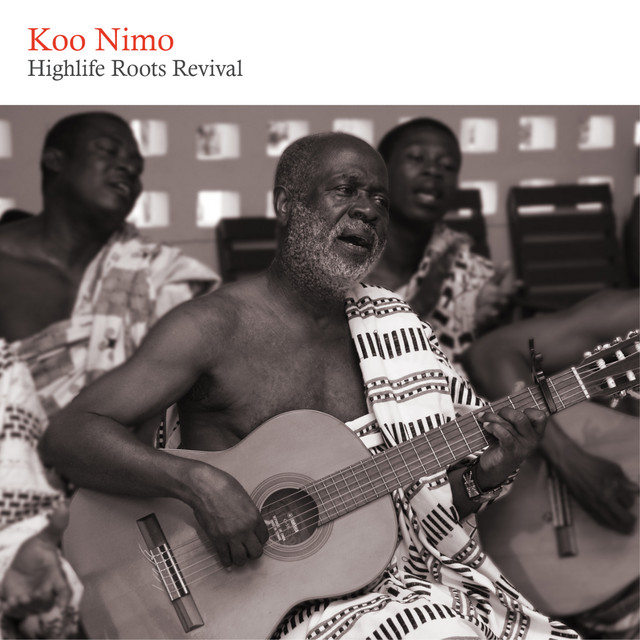
Koo Nimo
Kru Music
Palm-Wine
Highlife
1
/5
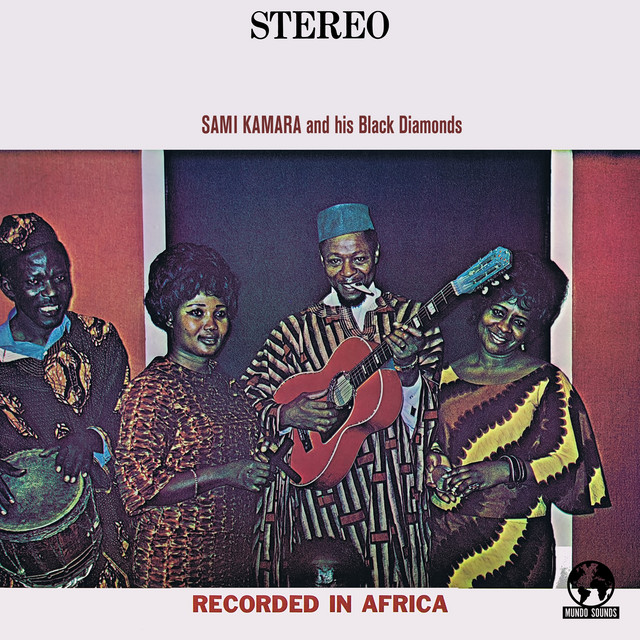
Sami Kamara And His Black Diamonds
Highlife
Traditional Folk
Kru Music
4
/5
Phyno
Highlife
Afropop
Hiplife
4
/5
King Promise
Highlife
Hiplife
Azonto
4
/5
Flavour
Afrobeat
Afrobeats
Afropop
4
/5
Sarkodie
Afro Drill
Afrobeat
Afrobeats
4
/5
R2Bees
Afrobeat
Afrobeats
Afropop
4
/5
Shatta Wale
Ghanaian Hip Hop
Highlife
Asakaa
4
/5
Lasmid
Highlife
Ghanaian Hip Hop
Asakaa
3
/5
Kwesi Arthur
Afro Drill
Afrobeat
Afrobeats
Download our mobile app
Get the Melodigging app and start digging for new genres on the go
Download on the App Store
Get it on Google Play
© 2026 Melodigging
Give feedback
Legal
Melodding was created as a tribute to
Every Noise at Once
, which inspired us to help curious minds keep digging into music's ever-evolving genres.