Genres
Artists
Albums
Make Music
Sign in
Sign in
Artists
Avant-Garde
Artists
Avant-Garde
Kids Eat Crayons
2014
·
1 album
Listen
1
/5
Genres
Mathcore
Mathcore is an extreme offshoot of metalcore and hardcore punk characterized by rapid-fire shifts in meter, tempo, and texture. It emphasizes dissonant, angular riffing; complex, polymetric drum patterns; and whirlwind song structures that often feel deliberately chaotic. The genre fuses the precision and rhythmic gamesmanship of math rock with the aggression of hardcore and the density of extreme metal. Songs routinely feature sudden stops, blast beats, start–stop riffing, odd time signatures, and atonal or chromatic harmonies, producing a sound that is tense, volatile, and cathartic.
Discover
Listen
Nu Jazz
Nu jazz is a late-1990s movement that blends contemporary electronic production with the improvisational language and harmony of jazz. It keeps jazz’s extended chords, modal colors, and live soloing, but places them over programmed beats, sampled textures, and synth-driven arrangements. Typical tracks feature warm Rhodes or piano voicings, roomy horns, and deep bass sitting alongside house, broken beat, or downtempo grooves. The result is music that feels both club-ready and listening-focused, bridging intimate jazz sensibilities with modern electronic sound design.
Discover
Listen
Jazzcore
Jazzcore is a high‑intensity fusion of free jazz’s open improvisation with the velocity, distortion, and confrontational aesthetics of hardcore punk and noise rock. Typically built around saxophone, electric guitar, electric bass, and drum kit, it leans into atonality, sudden dynamic lurches, odd meters, and blast‑beat or punk tempos. Extended techniques (multiphonics, feedback, prepared instruments), sharp stop‑start edits, and collage-like forms are common, producing music that can pivot from spacious abstraction to ferocious walls of sound in seconds. Where jazz fusion polished virtuosic interplay, jazzcore emphasizes abrasion and urgency while retaining improvisational freedom—placing skronking saxes and freely shifting rhythms inside the body language of punk.
Discover
Listen
Experimental
Experimental music is an umbrella term for practices that prioritize exploration, process, and discovery over adherence to established genre norms. It embraces new sound sources, nonstandard tuning systems, indeterminacy and chance operations, graphic and open-form scores, extended techniques, and technology-led sound design (tape, electronics, computers, and live processing). Rather than a single style, it is a methodology and ethos: testing hypotheses about sound, structure, and performance, often blurring boundaries between composition, improvisation, sound art, and performance art. Listeners can expect unfamiliar timbres, unusual forms, and an emphasis on how music is made as much as the resulting sound.
Discover
Listen
Free Jazz
Free jazz is a radical branch of jazz that rejects fixed chord progressions, strict meter, and conventional song forms in favor of collective improvisation, textural exploration, and spontaneous interaction. Musicians prioritize timbre, dynamics, and gesture as much as pitch and harmony, often using extended techniques (multiphonics, overblowing, prepared piano) and unconventional sounds. While rooted in the blues and earlier jazz vocabularies, free jazz frees improvisers from pre-set harmonic cycles, allowing lines to unfold over tonal centers, shifting modes, drones, or complete atonality. Rhythm sections may float without a steady pulse, or drive with layered polyrhythms and “energy playing.” The result ranges from contemplative soundscapes to cathartic, high-intensity eruptions. Culturally, the genre intersected with the civil rights era and broader avant-garde movements, emphasizing autonomy, community, and new possibilities for musical expression.
Discover
Listen
Avant-Garde
Avant-garde music is an umbrella term for boundary-pushing practices that challenge prevailing norms of harmony, rhythm, timbre, form, and performance. It privileges experimentation, conceptual rigor, and a willingness to reframe what counts as music at all. Historically tied to early 20th‑century artistic modernism, avant-garde music introduced atonality, the emancipation of noise, and new forms of notation and process. It embraces indeterminacy, extended techniques, electronics, spatialization, and multimedia performance, treating sound as material to be sculpted, questioned, and reinvented.
Discover
Listen
Albums
2014
Dogs At Play Among the Ruins
Kids Eat Crayons
Jazzcore
Similar artists
1
/5
Zs
Brutal Prog
Avant-Garde
Experimental
1
/5
gaop
Avant-Garde
Experimental
Free Jazz
1
/5
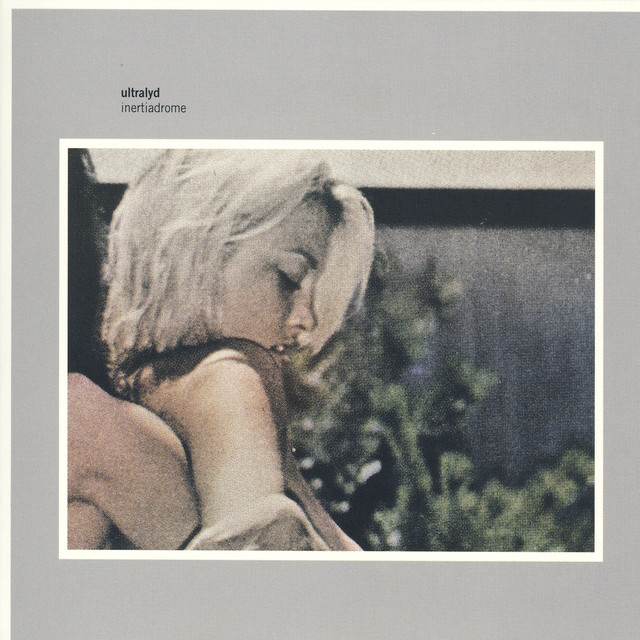
Ultralyd
Avant-Garde
Electroacoustic
Experimental
1
/5
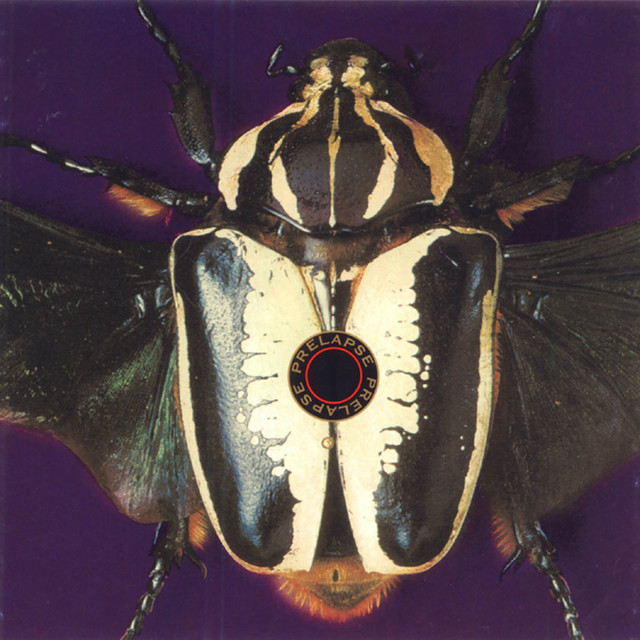
Prelapse
Avant-Garde
Experimental
Experimental Jazz
1
/5
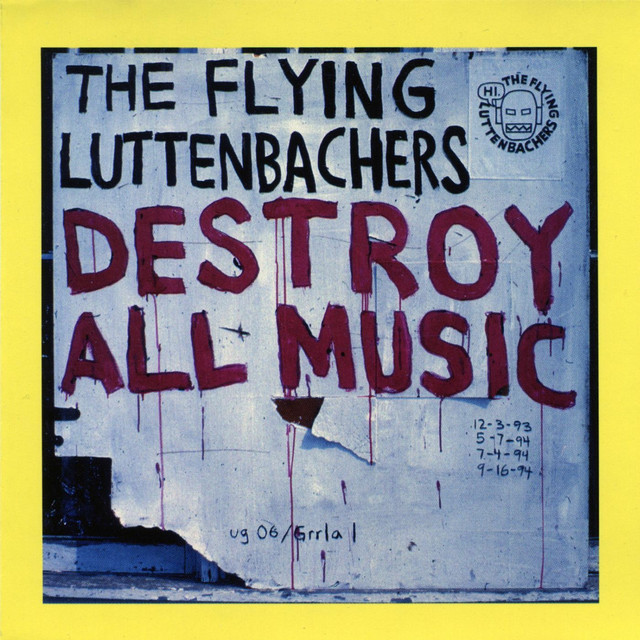
The Flying Luttenbachers
Chicago No Wave
Brutal Prog
Jazz
1
/5
Various Artists
Soundtrack
Afro-Funk
Alternative Rock
2
/5
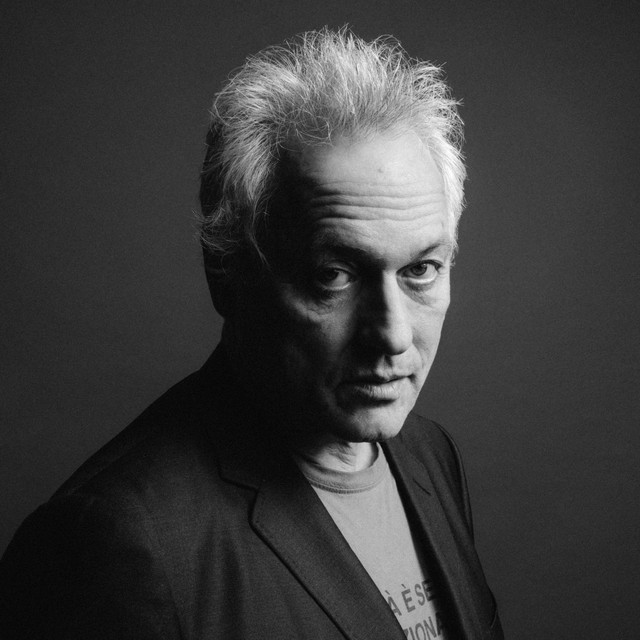
Marc Ribot
Afro-Cuban Jazz
Experimental
Avant-Garde
2
/5
Melt-Banana
Noise
Noise Rock
Noisecore
2
/5
Merzbow
Japanoise
Noise
Harsh Noise
2
/5
Prurient
Industrial
Noise
Fort Thunder Scene
Download our mobile app
Get the Melodigging app and start digging for new genres on the go
Download on the App Store
Get it on Google Play
© 2026 Melodigging
Give feedback
Legal
Melodding was created as a tribute to
Every Noise at Once
, which inspired us to help curious minds keep digging into music's ever-evolving genres.