Genres
Artists
Albums
Make Music
Sign in
Sign in
Artists
Hard House
Artists
Hard House
KETTAMA
2024–2025
·
4 albums
Listen
4
/5
Genres
Neo Rave
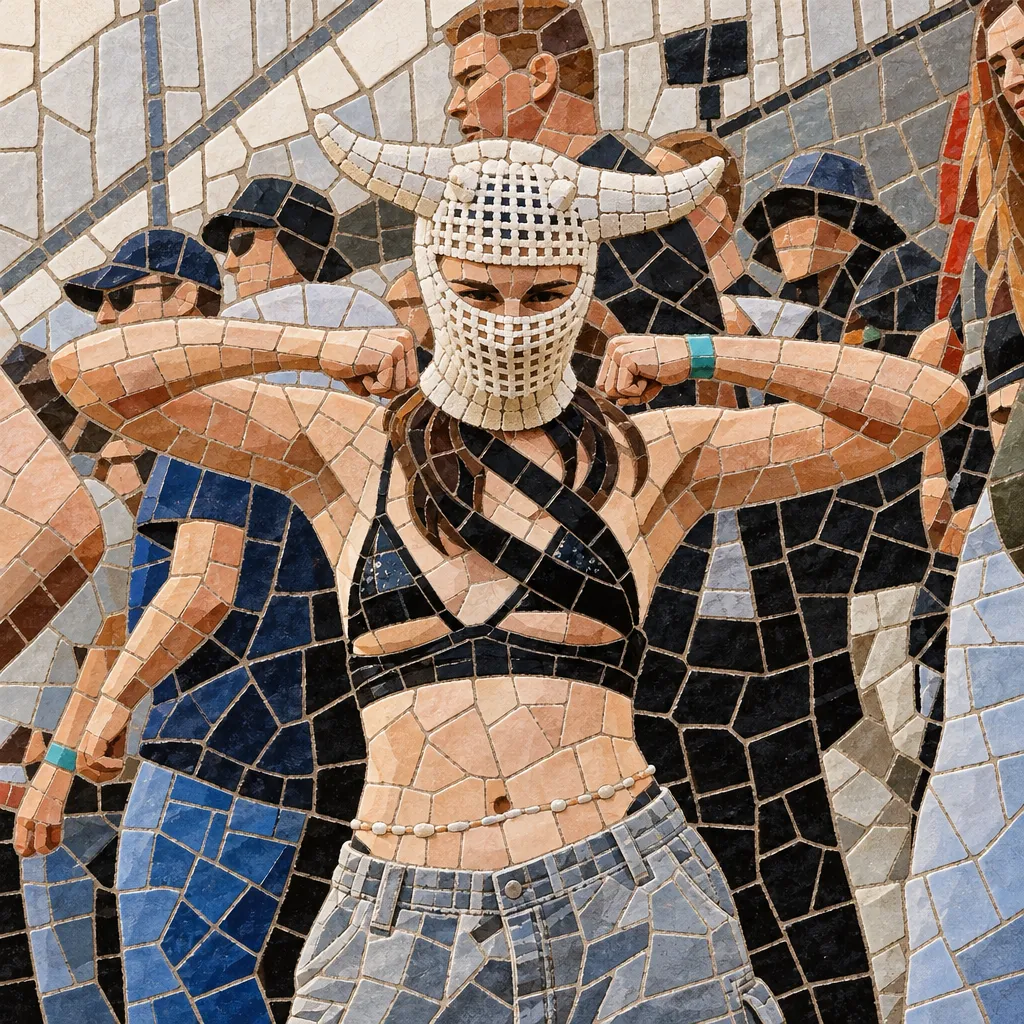
Neo rave is a contemporary electronic dance music trend that revives and recombines the energy, aesthetics, and rhythmic vocabulary of 1990s and early-2000s rave culture. It typically draws on hard trance, hard house, hard techno, trance, eurodance, donk, and other peak-time club sounds, but presents them with modern production polish, sharper low end, louder masters, internet-age branding, and a fashion-conscious club identity. The style is characterized by fast tempos, forceful four-on-the-floor kick drums, bright or nostalgic synth hooks, trance-inspired buildups, abrasive or euphoric drops, and an intentional blending of underground rave references with contemporary festival and club sensibilities. As a scene label as much as a strict sound category, neo rave often overlaps with hard techno, hypertechno, trance revival, donk-influenced club music, and post-pandemic rave culture. Its appeal lies in combining nostalgia, immediacy, spectacle, and physical dancefloor intensity.
Discover
Listen
Deep Big Room
Deep big room is a hybrid branch of EDM that fuses the stadium-scale drops and arrangement of big‑room house with the warmer timbres, deeper basslines, and more groove‑led sensibilities of deep/progressive house. Instead of the piercing supersaw leads and maximalist claps typical of early‑2010s main‑stage tracks, deep big room favors chunky, sidechained low‑end, percussive toplines, filtered plucks, organ/piano stabs, and longer, moodier breakdowns. The result is music that still “hits” on large systems but reads less abrasive—more rolling, hypnotic, and groove‑centric—while retaining crowd‑moving build/drop architecture.
Discover
Listen
Gaming Edm
Gaming EDM is a bright, hook‑driven branch of electronic dance music tailored for online gaming, streaming, and creator culture. It blends festival‑ready drops and sidechained supersaws with melodic, video‑game–friendly timbres (arpeggiated leads, chip/8‑bit flourishes) and clean royalty-friendly production that sits well under voice chat or commentary. The songs are typically concise, high‑energy, and instantly catchy, engineered to loop well on streams and to sync to highlight reels and esports content.
Discover
Listen
Malayalam Hip Hop
Malayalam hip hop is the localized form of hip hop created by artists from Kerala, India, performed primarily in the Malayalam language. It blends global rap aesthetics (boom‑bap, trap, and alternative hip hop) with Kerala’s rhythmic and melodic sensibilities, often sampling or referencing folk percussion (chenda, thavil), Mappila folk idioms, and Carnatic/Raga motifs. Lyrically, it covers identity, migration (especially Gulf Malayali experiences), social commentary, political satire, and everyday urban life, frequently code‑switching between Malayalam and English. The scene grew online through DIY production and YouTube releases, and later crossed into the mainstream via film soundtracks and brand collaborations, while maintaining a strong independent, crew‑driven culture.
Discover
Listen
Post-Dubstep
Post-dubstep is a loosely defined wave of UK-born electronic music that grew out of dubstep but moved away from its rigid 140 BPM wobble-bass formula. It keeps the bass-weight, sound-system focus, and rhythmic syncopation of dubstep and UK garage, but folds in house and techno tempos, R&B vocal chops, ambient space, and experimental production. Typical tracks explore 120–135 BPM (not fixed at 140), use broken 2‑step/garage swing instead of 4/4, and favor detailed sound design over maximal drops. You’ll often hear hushed, intimate vocals (sampled or original), neo-soul/jazz-influenced chords, and micro-edited percussion with lots of negative space. The mood is frequently introspective, melancholic, and textural—more headphone-oriented than festival-leaning—yet still rooted in club culture.
Discover
Listen
Ukg Revival
UKG revival refers to the modern resurgence of UK garage (UKG) aesthetics after the style’s early‑2000s decline. It recasts classic 2‑step swing, rubbery sub‑bass, chopped R&B vocals, and organ/piano stabs with contemporary production, club formats, and pop sensibilities. Typical tracks sit around 128–135 BPM, with syncopated, skippy drum programming and swung hi‑hats, soulful chord colors, and prominent, rolling basslines. The revival often blends speed‑garage grit, bassline energy, and house polish, while borrowing contemporary topline writing and social‑media‑driven hooks for wider crossover appeal. Culturally, the movement connects today’s audiences to late‑’90s/early‑’00s UKG heritage (pirate radio, MC culture, and champagne‑garage euphoria) through fresh artists, labels, and events that foreground inclusivity, DIY distribution, and festival‑ready anthems.
Discover
Listen
Speed House
Speed house is a high-tempo offshoot of house that accelerates the genre’s usual groove into the 140–155 BPM range while retaining a four-on-the-floor pulse. It fuses the punchy low-end and switch-up drops of bass house with the streamlined structure of tech house, often adding rave-style stabs, fidgety fills, and chopped vocal hooks. Sound design tends to emphasize aggressive, saturated basslines, crisp drum transients, and snappy turnarounds, creating a festival-ready, high-energy feel that still reads as house rather than hard dance. The style became widely identified through the Speed House Movement community and releases, spreading across North America and Europe via DJ edits, label samplers, and social media-driven virality.
Discover
Listen
Seapunk
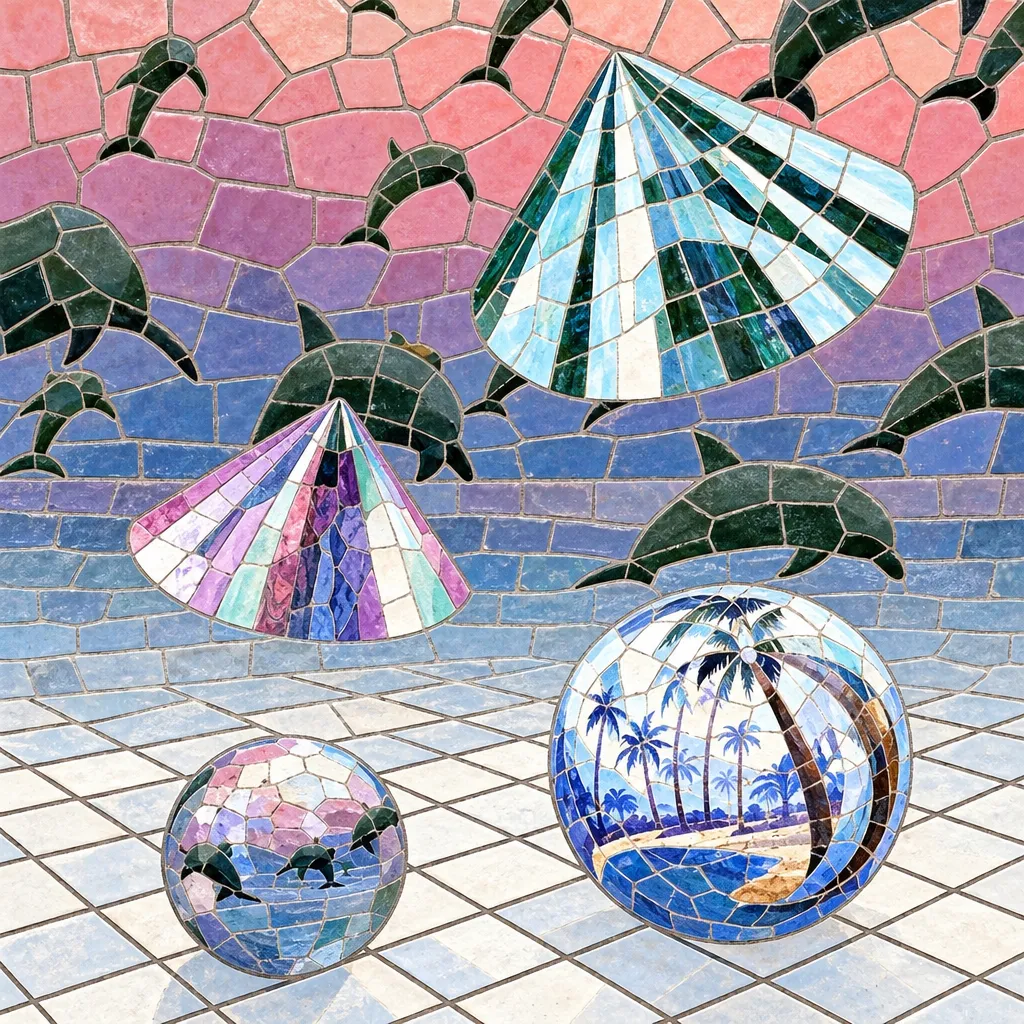
Seapunk is an early-2010s internet-born microgenre and multimedia aesthetic that fuses retro-rave sonics with Y2K-era, ocean-themed visuals. Its sound blends 1990s house and trance riffs, chopped-and-screwed and vaporwave-adjacent sampling, splashy 808/909 drums, and glossy, “watery” synth textures. The visual world is as important as the music: turquoise/teal palettes, 3D chrome dolphins, coral gradients, pixel seas, and GIF-era net art. Together, these define a playful, nostalgic, and cyber-aquatic identity that celebrates both rave euphoria and web-native DIY culture.
Discover
Listen
Hybrid Trap
Hybrid trap is an EDM subgenre that fuses Southern hip hop–derived trap rhythms and 808 low end with the sound-design intensity and drop-centric structure of dubstep and electro house. It typically runs at 75/150 BPM in a halftime feel, features skittering hi-hats and snare/clap hits on beat three, and pairs punchy 808 kick–sub combos with midrange growls, reese basses, screeches, and cinematic brass stabs. Producers lean heavily on modern synthesis, resampling, and aggressive processing (distortion, multiband compression, OTT) to craft dynamic, call-and-response drops suited to festival stages. Compared with “classic” EDM trap, hybrid trap places greater emphasis on dubstep-like bass design, complex fills, and theatrical builds, while retaining trap’s swaggering grooves and minimalistic, percussive motifs.
Discover
Listen
Uk Jackin
UK jackin is a bass-forward strain of house and UK garage that emerged in the UK during the early 2010s. It blends the swing and shuffle of garage with the chunky, percussive drive of house, emphasizing rubbery low‑end riffs, organ stabs, and chopped R&B or soul vocals. Compared with classic Chicago jackin’ house, the UK variant is darker and punchier, drawing heavily from bassline and UK bass aesthetics. Tracks typically sit around 124–130 BPM, use swung drums and syncopated bass patterns, and are arranged with DJ‑friendly intros, tension‑building breakdowns, and emphatic drops.
Discover
Listen
Big Room House
Big room house is a festival-focused strain of EDM built for massive sound systems and outdoor main stages. It typically runs around 126–132 BPM (most commonly 128), uses four-on-the-floor kick patterns, and features huge, simple lead riffs designed to be instantly memorable to large crowds. A defining trait is the contrast between cinematic, reverb-washed breakdowns and ultra-dry, percussive drops driven by a powerful kick, sub, and a few bold supersaw or horn-like synth stabs. Arrangements lean on dramatic builds with snare rolls, risers, and crowd-hyping vocal chops, culminating in drops that emphasize impact over harmonic complexity.
Discover
Listen
Deep Euro House
Deep Euro House is a European-bred, melodically rich branch of deep house that blends club-ready four‑on‑the‑floor grooves with warm, emotive sound design and pop-aware songcraft. It favors lush pads, silky basslines, soft piano or guitar stabs, and subtly processed vocals, often in minor keys with bittersweet chord changes. Compared with classic Chicago deep house, Deep Euro House leans more cinematic and refined: filtered synth swells, sidechained textures, airy reverbs, and clean, modern low end. Tempos typically sit around 118–124 BPM, with grooves that feel unhurried yet propulsive—equally at home on late-night dancefloors and in headphone listening. The "Euro" aspect reflects not only its geography (Germany, Switzerland, France, the Netherlands, Austria, Belgium) but also a melodic sensibility shaped by European club culture, indie electronica, and Balearic moods: wistful, romantic, and polished without losing house’s foundational swing.
Discover
Listen
Focus Trance
Focus trance is a modern, low‑drama branch of trance tailored for concentration, study, coding, and deep work. It borrows trance’s hypnotic pulse and long-form structure, but softens the edges: fewer big drops, restrained builds, minimal vocals, and a narrow dynamic range that lets listeners sink into a steady flow state. Sonically, it tends to sit between ambient trance and progressive trance: warm pads, subtly modulated arps, muted kicks and basslines that groove without dominating, and gently evolving textures. Most tracks avoid abrupt transitions, extreme high‑frequency content, or dense mid‑range clutter, making them ideal as a musical backdrop that sustains attention over long sessions.
Discover
Listen
The Wave
The Wave is a loosely defined cluster of American post-hardcore/emo bands that surged in the early 2010s as emo-pop’s mainstream moment faded. The name was a tongue‑in‑cheek scene tag that stuck in press coverage, but it points to a real overlap in sound, ethos, and touring networks. Musically, The Wave fuses the urgency of 1990s post‑hardcore and screamo with confessional, literate lyric writing associated with emo. Expect shouted or half‑sung/half‑spoken vocals, dynamic quiet‑loud builds, intricate but driving drums, and guitar textures that shift between glassy clean arpeggios and overdriven, emotive climaxes. The songs often emphasize catharsis, narrative detail, and community-minded DIY presentation.
Discover
Listen
Future House
Future house is a mid‑2010s strain of house music known for rubbery, plucked bass leads, clean and punchy drums, and streamlined, drop‑focused arrangements. It bridges the groove and warmth of deep/UK house with the sheen and impact of big‑room/electro‑house, often featuring metallic or organ‑like bass timbres that “speak” melodically. Typical tracks sit around 124–128 BPM, use tight sidechain compression for a pumping feel, and contrast sparse, atmospheric breakdowns with hooky, syncopated bass drops. Vocals, when present, are concise—often chopped or pitched—and the sound design emphasizes clarity, swing, and a modern, club‑ready polish.
Discover
Listen
Lo-Fi House
Lo-fi house is a strain of house music that embraces imperfections—tape hiss, vinyl crackle, overdriven drums, and slightly detuned synths—to evoke warmth and nostalgia. It retains a classic 4/4 house pulse but softens the edges with hazy pads, subdued vocals, and wistful melodies. Emerging as an internet-driven micro–scene, the style often uses inexpensive or deliberately degraded production chains (cassette saturation, bit reduction, SP-404–style resampling) to achieve its character. The result is dance music that feels intimate and bedroom-made, equally suited to small dancefloors and solitary late-night listening.
Discover
Listen
Hard House
Hard house is a high-energy, riff-driven branch of house music that emerged in the UK club scene in the mid-1990s. It pairs a relentless four-on-the-floor 909 kick and off‑beat open hi-hats with pumping, rolling basslines and bold, hooky synth stabs. Typical tempos range from about 135 to 150 BPM, with dramatic snare fills, risers, and breakdowns that set up big, euphoric drops. Sonically it favors thick, saturated drums; hoover-style and supersaw leads; trance-tinged chords; and chopped or pitched vocal snippets. The focus is dancefloor momentum and DJ-friendly arrangement: long intros/outros, clear breakdowns, and memorable lead riffs designed for peak-time impact.
Discover
Listen
Uk Garage
UK garage is a British evolution of US garage/house that emerged in the mid-to-late 1990s around London’s pirate radio, record shops, and clubs. It is characterized by shuffling, syncopated rhythms, swung hi‑hats, crisp snares, and a pronounced sense of groove at roughly 130–138 BPM. The style blends house’s soulful chords and R&B vocals with jungle/drum & bass sound-system bass weight, often featuring chopped and time‑stretched vocal samples, organ/piano stabs, and warm Rhodes textures. Two major strands formed: 4x4 (straight four-on-the-floor with heavy swing) and 2‑step (broken kick patterns that avoid a constant four-on-the-floor). MC toasting and call‑and‑response vocals became a signature of the scene. Substyles include speed garage (darker, bass‑heavier, often with wobbly LFO bass) and 2‑step (sparser, more syncopated drums). UK garage’s club‑ready energy and vocal sensibility propelled it into the mainstream and laid the groundwork for grime, dubstep, bassline, and UK funky.
Discover
Listen
Euro-Trance
Euro-trance is a commercial, radio-friendly strain of trance that blends the anthemic melodies and breakdown-to-drop dramaturgy of classic trance with the catchy hooks, verse–chorus structures, and glossy production of Eurodance and dance-pop. Typically running between 130 and 145 BPM, it features four-on-the-floor kicks, off‑beat basslines, wide supersaw leads, bright arpeggios, and big, euphoric breakdowns that resolve into memorable synth hooks. Vocals—often female and pop-oriented—are common, with concise radio edits alongside longer club mixes. The overall mood is uplifting and immediately accessible, favoring major keys, simple yet effective chord cycles, and sheen-heavy mixing.
Discover
Listen
Speed Garage
Speed garage is a fast, bass-heavy strain of UK garage that emerged in the late 1990s. It is defined by a driving 4/4 kick, a distinctly swung/shuffled groove, and massive sub‑bass lines that borrow weight, timbre, and attitude from jungle and drum and bass. Typical tracks sit around 132–138 BPM, feature chopped and timestretched R&B or diva vocal snippets, organ house stabs, filter sweeps, and rude‑boy/dancehall samples. Compared with other UK garage styles, speed garage is tougher and more direct: straight four-on-the-floor drums, aggressive bass riffs, and sound system energy designed for big club rigs and rewind culture.
Discover
Listen
Hardgroove Techno
Hardgroove techno is a late-1990s strain of techno that re-centers funk and percussive swing inside a driving, DJ‑friendly loop. It favors syncopated hi‑hats, shuffling shakers, rolling toms/congas, and muscular low-end over harsh distortion, producing a propulsive, dancefloor-first momentum. Typically running around 130–140 BPM, the style uses short, tightly-edited loops, filter/EQ cuts, and deft drum programming to create continuous groove tension. Harmonic content is sparse—stabs, chords, or vocal snippets are used sparingly—so the focus stays on rhythm, swing, and energy. Think Detroit-informed machine funk meeting disco/house sample sensibility, engineered for long blends and peak-time pressure.
Discover
Listen
House
House is a dance music genre that emerged in Chicago in the early 1980s, defined by a steady four-on-the-floor kick drum, off-beat hi-hats, soulful or hypnotic vocals, and groove-centric basslines. Typical tempos range from 118–130 BPM, and tracks are structured in DJ-friendly 16–32 bar phrases designed for seamless mixing. Drawing on disco’s celebratory spirit, electro-funk’s drum-machine rigor, and Italo/Hi-NRG’s synth-led sheen, house prioritizes repetition, tension-and-release, and communal energy on the dancefloor. Its sound palette often includes 808/909 drums, sampled or replayed disco/funk elements, filtered loops, piano/organ stabs, and warm, jazzy chords. Over time, house diversified into many substyles—deep house, acid house, French house, tech house, progressive house, and more—yet it remains a global foundation of club culture, known for emphasizing groove, inclusivity, and euphoria.
Discover
Listen
Garage House
Garage house (often called US garage or New York/New Jersey garage) is a soulful, vocal-driven strain of house music that coalesced around the Paradise Garage in New York and the Zanzibar in Newark in the mid-to-late 1980s. It blends the four-on-the-floor pulse of early house with the lush orchestration and harmonies of disco, boogie, Philly soul, gospel, and contemporary R&B. Typical tracks feature warm chords (piano, Rhodes, or the Korg M1 organ), call-and-response vocals, syncopated basslines, shuffling hi-hats, and rich, uplifting arrangements designed for extended club mixes. Where Chicago house often emphasized minimal drum-machine jack tracks, garage house foregrounded songcraft—hooks, bridges, key changes, and church-influenced vocal performances—giving the genre a deeply emotive, dancefloor-focused character.
Discover
Listen
Techno
Techno is a four-on-the-floor, machine-driven form of electronic dance music that emerged in mid-to-late 1980s Detroit. It is characterized by steady 4/4 kick drums, repetitive and hypnotic rhythmic patterns, synthetic timbres, and an emphasis on texture, groove, and forward momentum over elaborate harmony. Producers typically use drum machines, sequencers, and synthesizers to build layered percussion, pulsing basslines, and evolving motifs. While often dark and minimalistic, techno spans a wide spectrum—from soulful, futuristic Detroit aesthetics to hard, industrially tinged European strains—yet it consistently prioritizes kinetic energy for dancefloors and a sense of machine futurism.
Discover
Listen
Show all 24 genres
Albums
2025
4
/5
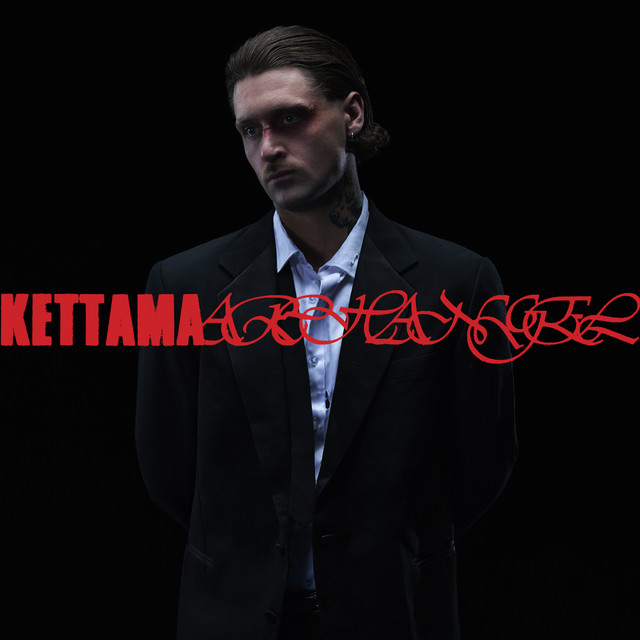
Archangel
Kettama
Speed Garage
Euro-Trance
Hard House
2025
3
/5
It Gets Better (Forever Mix)
KETTAMA
Hard House
Uk Garage
2024
1
/5
Pretty Green Eyes (Sunset Ibiza Mix)
KETTAMA
Hard House
Uk Garage
2024
4
/5
Pretty Green Eyes (Sunset Ibiza Mix)
KETTAMA
Hard House
Uk Garage
House
Similar artists
1
/5
Various Artists
Afro-Funk
Alternative Rock
Ambient
4
/5
Sammy Virji
Bassline
Uk Garage
House
3
/5
Todd Edwards
Garage House
Uk Garage
Speed Garage
2
/5
DJ Q
2-Step
Speed Garage
Bassline
3
/5
bullet tooth
Bassline
Hard House
Uk Garage
3
/5
The Streets
Uk Garage
Electronic
Hip Hop
3
/5
JACK MARLOW
Uk Garage
Rally House
Gaming Edm
3
/5
Sunship
Uk Garage
House
Shib
3
/5
MALUGI
Hard House
Eurodance
Neo Rave
3
/5
Vard.
Uk Garage
Rally House
Gaming Edm
Download our mobile app
Get the Melodigging app and start digging for new genres on the go
Download on the App Store
Get it on Google Play
© 2026 Melodigging
Give feedback
Legal
Melodding was created as a tribute to
Every Noise at Once
, which inspired us to help curious minds keep digging into music's ever-evolving genres.