Genres
Artists
Albums
Make Music
Sign in
Sign in
Artists
Minimal Dubstep
Artists
Minimal Dubstep
Kercha
2019–2025
·
4 albums
Listen
2
/5
Genres
Ghoststep
Ghoststep is a moody, ultra-atmospheric offshoot of dubstep and post-dubstep that foregrounds negative space, reverb, and spectral textures over aggressive bass drops. Typically sitting around dubstep’s halftime feel, it replaces maximalist sound design with foggy pads, granular artifacts, distant vocal wisps, vinyl crackle, and field recordings. Sub‑bass remains central, but it is smoother (often sine-based) and more enveloping than brutal, giving the impression of sounds emerging from, and receding into, a haunted environment. Stylistically, ghoststep draws from future garage’s shuffling UKG DNA and the hauntological/witch‑house palette: decayed media patina, tape hiss, and melancholic harmony in minor modes. The result is nocturnal, introspective music that feels intimate and cinematic rather than club-bombastic.
Discover
Listen
Tearout Brostep
Tearout brostep is a hyper-aggressive strain of brostep that emphasizes violently modulated midrange basses, high-impact drops, and rapid-fire switch‑ups. It typically runs at 140–150 BPM in half‑time, pairing chest‑punching snares with seismic subs and screeching or growling lead basses. Producers lean heavily on advanced wavetable/FMX sound design, serial resampling, multiband distortion, OTT-style compression, and tight sidechaining to create a wall of kinetic, metallic energy. Arrangements often feature cinematic intros, tension‑building risers, and whiplash-inducing call‑and‑response bass phrases designed for headbanging festival crowds.
Discover
Listen
Post-Dubstep
Post-dubstep is a loosely defined wave of UK-born electronic music that grew out of dubstep but moved away from its rigid 140 BPM wobble-bass formula. It keeps the bass-weight, sound-system focus, and rhythmic syncopation of dubstep and UK garage, but folds in house and techno tempos, R&B vocal chops, ambient space, and experimental production. Typical tracks explore 120–135 BPM (not fixed at 140), use broken 2‑step/garage swing instead of 4/4, and favor detailed sound design over maximal drops. You’ll often hear hushed, intimate vocals (sampled or original), neo-soul/jazz-influenced chords, and micro-edited percussion with lots of negative space. The mood is frequently introspective, melancholic, and textural—more headphone-oriented than festival-leaning—yet still rooted in club culture.
Discover
Listen
Downtempo Bass
Downtempo bass is a modern electronic style that fuses the relaxed pacing and texture-first focus of downtempo with the sound‑design intensity and low‑frequency weight of contemporary bass music. Typically sitting around 70–100 BPM (or 140–200 BPM felt in halftime), it features sub‑heavy, sculpted bass lines, crisp but unhurried drums, and spacious, cinematic atmospheres. Producers draw from ambient pads, world/organic instrumentation, and field recordings, then anchor these timbres with dubstep‑informed subs, glitchy ear‑candy, and hip‑hop/halftime grooves. The result is music that can be both meditative and body‑moving: intimate in texture yet powerful on a sound system, equally at home in headphones, yoga/downtempo gatherings, and late‑night bass stages.
Discover
Listen
Psybass
Psybass (often written psy-bass) is a psychedelic bass-music style that blends the sound-design mentality of psytrance with the swagger and groove of modern bass genres. It typically runs at midtempo speeds, emphasizes hypnotic low-end movement, and layers kaleidoscopic textures over organic percussion and field recordings. Expect intricately modulated basslines, trippy FX, and elastic halftime rhythms. The mood ranges from shamanic and ceremonial to futuristic and glitchy, with arrangements that breathe—swelling from spacious, downtempo passages into dense, polyrhythmic climaxes. Tonally, psybass leans on modal and drone-like harmonies (Dorian, Phrygian, pentatonic colors) and often incorporates timbres from world instruments and nature recordings, while maintaining an unmistakably electronic, high-fidelity sheen.
Discover
Listen
Dubstep Product
Dubstep product is a production/library music take on dubstep tailored for sync: trailers, esports broadcasts, gaming content, advertising, influencer videos, and broadcast bumpers. It takes the sound design, half‑time groove, and drop‑centric structures of UK/US dubstep (including brostep/tearout variants) and packages them into edit‑friendly cues with clean hit points, sting endings, alternate mixes, stems, and duration cuts (15/30/60 seconds). The result balances maximalist bass design with practical considerations for dialogue, sound effects, and branding overlays. Compared with club‑oriented dubstep, dubstep product favors punchy, readable arrangements, cinematic impacts, and clearly marked builds/drops that translate across headphones, TV speakers, and mobile devices.
Discover
Listen
Experimental Bass
Experimental bass is a left‑field branch of contemporary bass music that prioritizes sound design, unusual rhythms, and non‑standard song structures over traditional drops and formulas. Built on cavernous sub‑bass and halftime grooves, it pulls equally from dubstep’s low‑end weight, glitch hop’s cut‑up editing, and IDM’s exploratory mindset. Producers lean into resampling, granular and FM synthesis, spectral processing, and heavy use of space (silence, gating, and extreme dynamics) to craft ultra-detailed, often psychedelic textures. The result is bass music that feels tactile and three‑dimensional: lurching grooves, asymmetrical motifs, and cinematic soundscapes that reward close listening while still moving a dancefloor.
Discover
Listen
Minimal Dubstep
Minimal dubstep is a sparse, low-end-focused strain of dubstep that emphasizes negative space, sub‑bass pressure, and stripped‑back rhythm. Typically centered around 138–142 BPM with half‑time drum programming, it pares arrangements to only the essentials: kick, snare, a few percussive details, and a monolithic, dub‑treated bassline. Rather than dense mid‑range “wobble,” the style favors sine‑heavy subs, restrained sound design, and dubwise mixing—echoes, delays, and long reverb tails that let silence and decay do as much expressive work as the notes themselves. Drawing on minimal techno’s repetition and dub techno’s spatial depth, minimal dubstep cultivates a dark, moody atmosphere that rewards big sound systems and deep listening.
Discover
Listen
Deep Dubstep
Deep dubstep is a minimalist, sub‑bass–driven branch of dubstep that emphasizes space, weight, and soundsystem imagery over overt aggression. Running mostly at 140 BPM with a half‑time feel, it favors clean sine/triangle subs, restrained drum programming, and cavernous dub effects. Compared to mainstream or “brostep” variants, deep dubstep keeps the focus on low‑end pressure, negative space, and hypnotic repetition, drawing heavily on UK sound system culture and classic dub techniques (reverb, delay, tape‑style saturation). Its palette often includes field recordings, mic’d foley, and moody pads, with sparse melodies that leave room for the bass to physically move a room.
Discover
Listen
Dubstep
Dubstep is a bass‑centric electronic dance music genre that emerged in South London in the early 2000s. It is typically around 140 BPM and is defined by a half‑time rhythmic feel, sub‑heavy basslines, sparse yet impactful drums, and a strong emphasis on space, tension, and sound system weight. Hallmark traits include syncopated kick patterns, snares on the third beat of the bar, swung/shuffly hi‑hats inherited from UK garage, and modulated low‑frequency bass (“wobbles”) shaped with LFOs, filters, and distortion. Influences from dub reggae (echo, delay, and minimalism), jungle/drum & bass (bass science and sound system culture), and 2‑step garage (rhythmic swing and shuffles) are central. The style ranges from deep, meditative “dub” aesthetics (often called deep dubstep) to more aggressive, midrange‑driven variants that later informed brostep and festival bass. Atmosphere, negative space, and subwoofer translation are as important as melody or harmony.
Discover
Listen
Electronic
Electronic is a broad umbrella genre defined by the primary use of electronically generated or electronically processed sound. It encompasses music made with synthesizers, drum machines, samplers, computers, and studio/tape techniques, as well as electroacoustic manipulation of recorded or synthetic sources. The genre ranges from academic and experimental traditions to popular and dance-oriented forms. While its sonic palette is rooted in electricity and circuitry, its aesthetics span minimal and textural explorations, structured song forms, and beat-driven club permutations. Electronic emphasizes sound design, timbre, and studio-as-instrument practices as much as melody and harmony.
Discover
Listen
Show all 11 genres
Albums
2025
2
/5
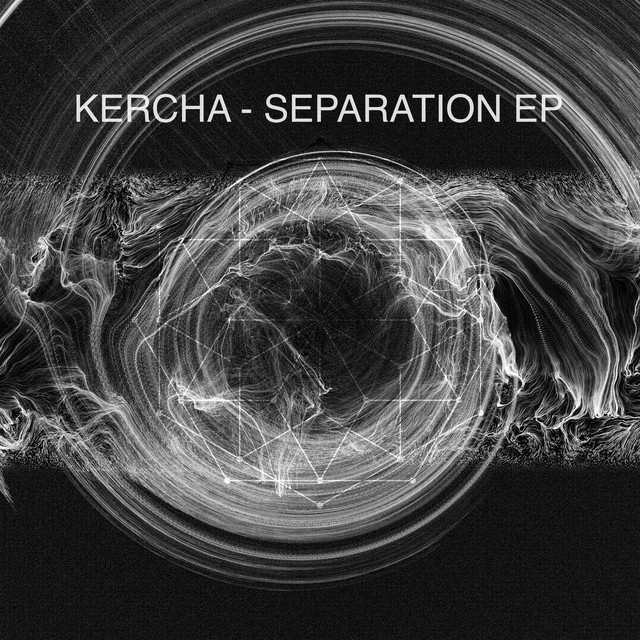
Separation
Kercha
Minimal Dubstep
2022
2
/5
The Right To Freedom
Kercha
Minimal Dubstep
Dubstep
Electronic
2020
1
/5
Broken Illusions
Kercha
Minimal Dubstep
Deep Dubstep
2019
1
/5
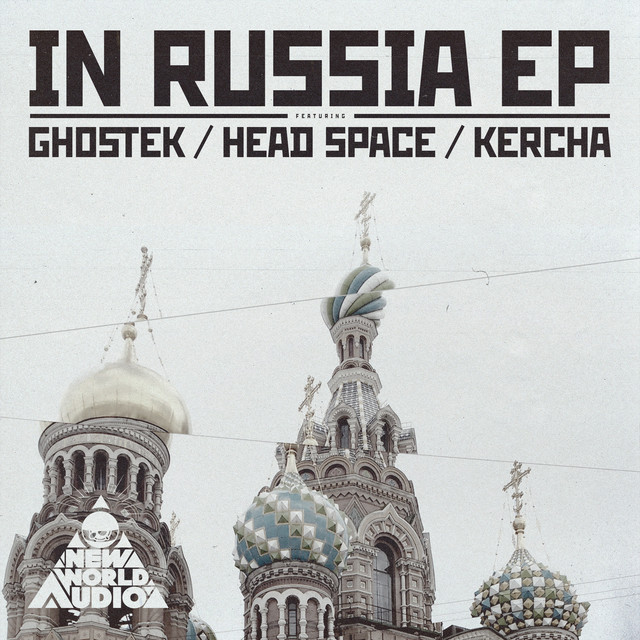
In Russia
Kercha
Minimal Dubstep
Deep Dubstep
Similar artists
2
/5
Sub Basics
Deep Dubstep
Dub
Dub Techno
1
/5
Various Artists
Afro-Funk
Alternative Rock
Ambient
2
/5
Ternion Sound
Minimal Dubstep
Deep Dubstep
Bass Music
1
/5
Egoless
Minimal Dubstep
Deep Dubstep
Dubstep
3
/5
Distinct Motive
Deep Dubstep
Dubstep
Bass Music
1
/5
V.I.V.E.K
Minimal Dubstep
Deep Dubstep
Dubstep
2
/5
Nomine
Dubstep
Minimal Dubstep
Classic Dubstep
2
/5
MYTHM
Bass Music
Cinematic Dubstep
Deep Dubstep
2
/5
Congi
Dub
Dubstep
Ghoststep
1
/5
Leon Switch
Deep Dubstep
Dubstep
Minimal Dubstep
Download our mobile app
Get the Melodigging app and start digging for new genres on the go
Download on the App Store
Get it on Google Play
© 2026 Melodigging
Give feedback
Legal
Melodding was created as a tribute to
Every Noise at Once
, which inspired us to help curious minds keep digging into music's ever-evolving genres.