Genres
Artists
Albums
Make Music
Sign in
Sign in
Artists
Deep Dubstep
Artists
Deep Dubstep
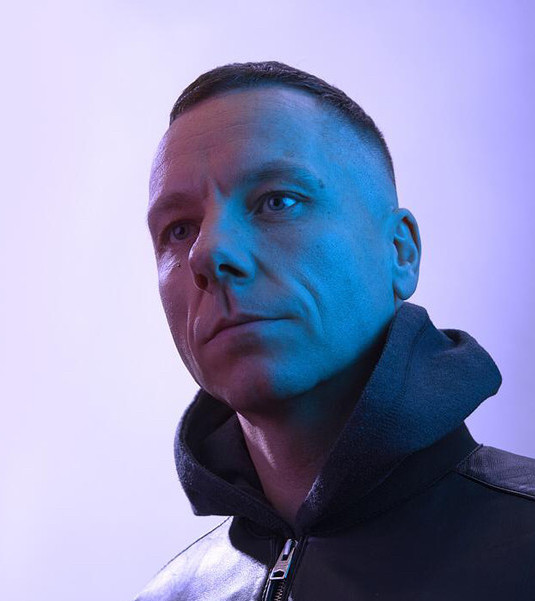
Sub Basics
2015–2025
·
2 albums
Listen
2
/5
Genres
Experimental Club Music
Experimental club music (often called post-club or deconstructed club) is a hybrid, avant‑garde approach to club production and performance that treats the dancefloor as a laboratory. It uses the grammar of contemporary club forms—heavy sub‑bass, kick patterns, samples, MC or chopped vocals—as raw material to be cut apart, collaged, and reassembled. Instead of four‑to‑the‑floor regularity, it favors asymmetry, abrupt contrasts, negative space, and extreme sound design drawn from noise, industrial, grime, ballroom/vogue, reggaeton, and internet culture. The result ranges from skeletal, percussive workouts to dense, cinematic soundscapes that can be as confrontational as they are cathartic. Just as importantly, the scene has been a site of diasporic, queer, and trans expression, where identity and politics are embedded in sonic choices and performance practice.
Discover
Listen
Ghoststep
Ghoststep is a moody, ultra-atmospheric offshoot of dubstep and post-dubstep that foregrounds negative space, reverb, and spectral textures over aggressive bass drops. Typically sitting around dubstep’s halftime feel, it replaces maximalist sound design with foggy pads, granular artifacts, distant vocal wisps, vinyl crackle, and field recordings. Sub‑bass remains central, but it is smoother (often sine-based) and more enveloping than brutal, giving the impression of sounds emerging from, and receding into, a haunted environment. Stylistically, ghoststep draws from future garage’s shuffling UKG DNA and the hauntological/witch‑house palette: decayed media patina, tape hiss, and melancholic harmony in minor modes. The result is nocturnal, introspective music that feels intimate and cinematic rather than club-bombastic.
Discover
Listen
Downtempo Bass
Downtempo bass is a modern electronic style that fuses the relaxed pacing and texture-first focus of downtempo with the sound‑design intensity and low‑frequency weight of contemporary bass music. Typically sitting around 70–100 BPM (or 140–200 BPM felt in halftime), it features sub‑heavy, sculpted bass lines, crisp but unhurried drums, and spacious, cinematic atmospheres. Producers draw from ambient pads, world/organic instrumentation, and field recordings, then anchor these timbres with dubstep‑informed subs, glitchy ear‑candy, and hip‑hop/halftime grooves. The result is music that can be both meditative and body‑moving: intimate in texture yet powerful on a sound system, equally at home in headphones, yoga/downtempo gatherings, and late‑night bass stages.
Discover
Listen
Deep Dubstep
Deep dubstep is a minimalist, sub‑bass–driven branch of dubstep that emphasizes space, weight, and soundsystem imagery over overt aggression. Running mostly at 140 BPM with a half‑time feel, it favors clean sine/triangle subs, restrained drum programming, and cavernous dub effects. Compared to mainstream or “brostep” variants, deep dubstep keeps the focus on low‑end pressure, negative space, and hypnotic repetition, drawing heavily on UK sound system culture and classic dub techniques (reverb, delay, tape‑style saturation). Its palette often includes field recordings, mic’d foley, and moody pads, with sparse melodies that leave room for the bass to physically move a room.
Discover
Listen
Dubstep
Dubstep is a bass‑centric electronic dance music genre that emerged in South London in the early 2000s. It is typically around 140 BPM and is defined by a half‑time rhythmic feel, sub‑heavy basslines, sparse yet impactful drums, and a strong emphasis on space, tension, and sound system weight. Hallmark traits include syncopated kick patterns, snares on the third beat of the bar, swung/shuffly hi‑hats inherited from UK garage, and modulated low‑frequency bass (“wobbles”) shaped with LFOs, filters, and distortion. Influences from dub reggae (echo, delay, and minimalism), jungle/drum & bass (bass science and sound system culture), and 2‑step garage (rhythmic swing and shuffles) are central. The style ranges from deep, meditative “dub” aesthetics (often called deep dubstep) to more aggressive, midrange‑driven variants that later informed brostep and festival bass. Atmosphere, negative space, and subwoofer translation are as important as melody or harmony.
Discover
Listen
Minimal Dubstep
Minimal dubstep is a sparse, low-end-focused strain of dubstep that emphasizes negative space, sub‑bass pressure, and stripped‑back rhythm. Typically centered around 138–142 BPM with half‑time drum programming, it pares arrangements to only the essentials: kick, snare, a few percussive details, and a monolithic, dub‑treated bassline. Rather than dense mid‑range “wobble,” the style favors sine‑heavy subs, restrained sound design, and dubwise mixing—echoes, delays, and long reverb tails that let silence and decay do as much expressive work as the notes themselves. Drawing on minimal techno’s repetition and dub techno’s spatial depth, minimal dubstep cultivates a dark, moody atmosphere that rewards big sound systems and deep listening.
Discover
Listen
Wonky
Wonky is a lopsided, synth-forward strain of experimental hip hop and UK bass that emerged in the late 2000s. It is defined by off-grid, swaggering drum programming, rubbery sub-bass, and brightly detuned, pitch-bent lead synths that feel as if they wobble in and out of time. Producers often work around 70–80 BPM (or 140–160 BPM in half-time), using heavy swing, microtiming, and syncopation to create a drunken, stumbling groove. Sonically, it blends the head-nod of instrumental hip hop with the sound design sensibilities of IDM, the sub-weight of dubstep, and the neon melodicism associated with Bristol’s "purple" sound. The result is music that is both club-ready and headphone-detailed: playful yet moody, maximal in color but minimal in arrangement, and distinctly characterized by elastic rhythms and glossy, detuned synth textures.
Discover
Listen
Dub Techno
Dub techno is a minimalist offshoot of techno that fuses Detroit/Berlin techno rhythms with classic Jamaican dub studio techniques. It emphasizes space, depth, and decay through extensive use of tape‑style delays, spring/plate reverbs, and filtering. Typical tracks hover around 118–130 BPM with understated 4/4 drums, deep sub‑bass, and repeating, softly struck chord stabs (often minor 7ths or suspended voicings) that are washed in reverb. The result is a hypnotic, immersive sound world—grainy, foggy, and textural—where small timbral changes and delay tails provide the narrative. The genre coalesced in early‑1990s Berlin around Basic Channel and related labels, drawing on Detroit techno’s futurism and Jamaican dub’s mixing philosophy while embodying the austere spatial aesthetics of the Berlin scene.
Discover
Listen
Drum And Bass
Drum and bass (DnB) is a fast, rhythmically intricate form of electronic dance music centered on breakbeats at roughly 160–180 BPM and powerful, sub‑heavy basslines. It grew out of the UK’s early ’90s rave and jungle scenes, combining chopped funk breaks (most famously the Amen break), dub and reggae sound‑system aesthetics, hip‑hop sampling, and techno’s futurist sound design. Across its many substyles—liquid funk’s soulful harmonies, techstep and neurofunk’s cold, machine‑like bass engineering, jump‑up’s hooky bass riffs, atmospheric DnB’s pads and space—drum and bass remains a DJ‑oriented, dancefloor‑driven genre that prizes tight drum programming, deep low end, and precise arrangement for mixing.
Discover
Listen
Dub
Dub is a studio-born offshoot of reggae that uses the mixing desk as a performance instrument. Producers strip songs down to their rhythmic core—drums and bass—and then rebuild them in real time with radical mutes, echoes, reverbs, and filters. Typically created from the B-sides (“versions”) of reggae singles, dub foregrounds spacious low-end, one-drop or steppers drum patterns, and fragmented vocal or instrumental phrases that drift in and out like ghostly textures. Spring reverb, tape echo, and feedback are not just effects but compositional tools, turning the studio into an instrument of improvisation. The result is bass-heavy, spacious, and hypnotic music that emphasizes negative space and textural transformation, laying the foundation for countless electronic and bass music styles.
Discover
Listen
Show all 10 genres
Albums
2025
2
/5
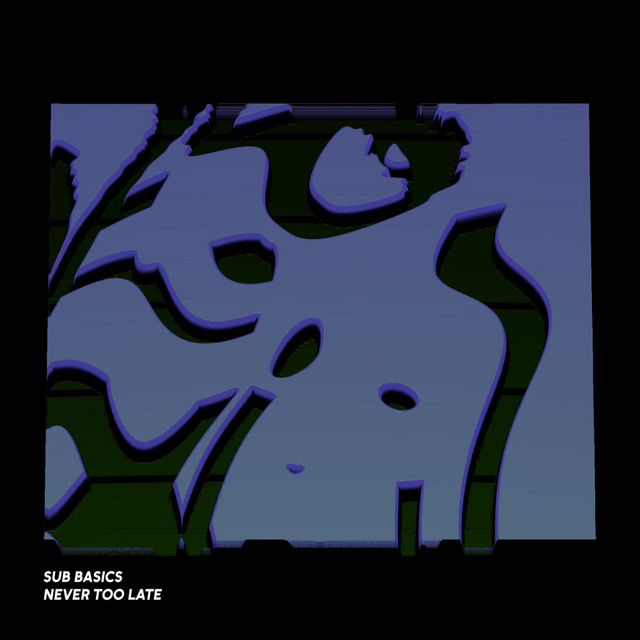
Never Too Late
Sub Basics
Minimal Dubstep
Deep Dubstep
2015
2
/5
Vapour / Orbit / Elixir
Sub Basics
Minimal Dubstep
Deep Dubstep
Similar artists
1
/5
Various Artists
Afro-Funk
Alternative Rock
Ambient
2
/5
Mystic State
Drum And Bass
Drumstep
Dub
2
/5
Commodo
Dubstep
Trap Edm
Bass Music
2
/5
Ternion Sound
Minimal Dubstep
Deep Dubstep
Bass Music
2
/5
Congi
Dub
Dubstep
Ghoststep
2
/5
Nomine
Dubstep
Minimal Dubstep
Classic Dubstep
2
/5
Bukkha
Dub
Dub Techno
Dubstep
2
/5
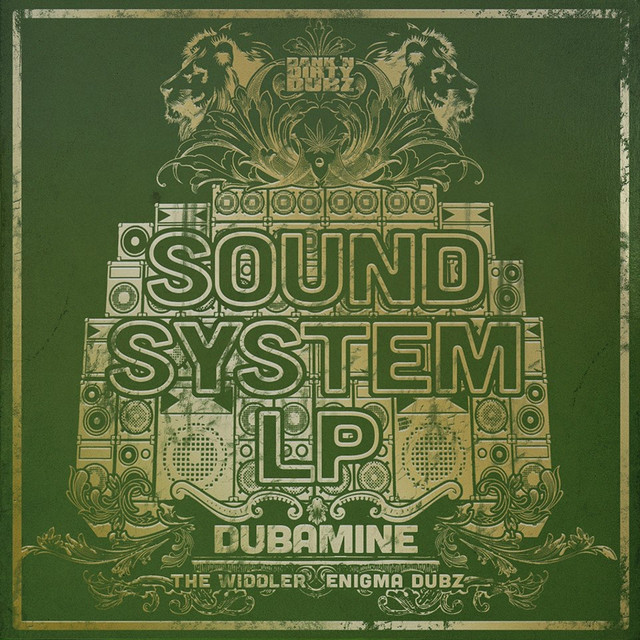
Dubamine
Dub
Dubstep
Minimal Dubstep
2
/5
Versa
Dub
Dub Techno
Dubstep
1
/5
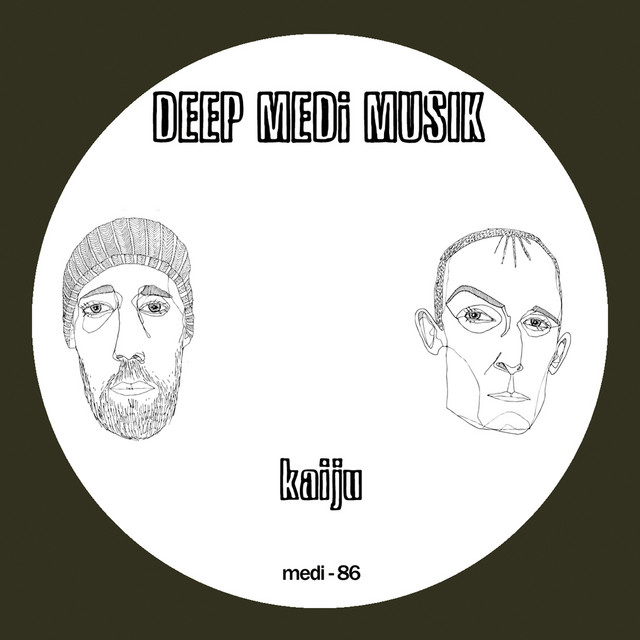
Kaiju
Deep Dubstep
Dub
Dubstep
Download our mobile app
Get the Melodigging app and start digging for new genres on the go
Download on the App Store
Get it on Google Play
© 2026 Melodigging
Give feedback
Legal
Melodding was created as a tribute to
Every Noise at Once
, which inspired us to help curious minds keep digging into music's ever-evolving genres.