Genres
Artists
Albums
Make Music
Sign in
Sign in
Artists
Chamber Music
Artists
Chamber Music
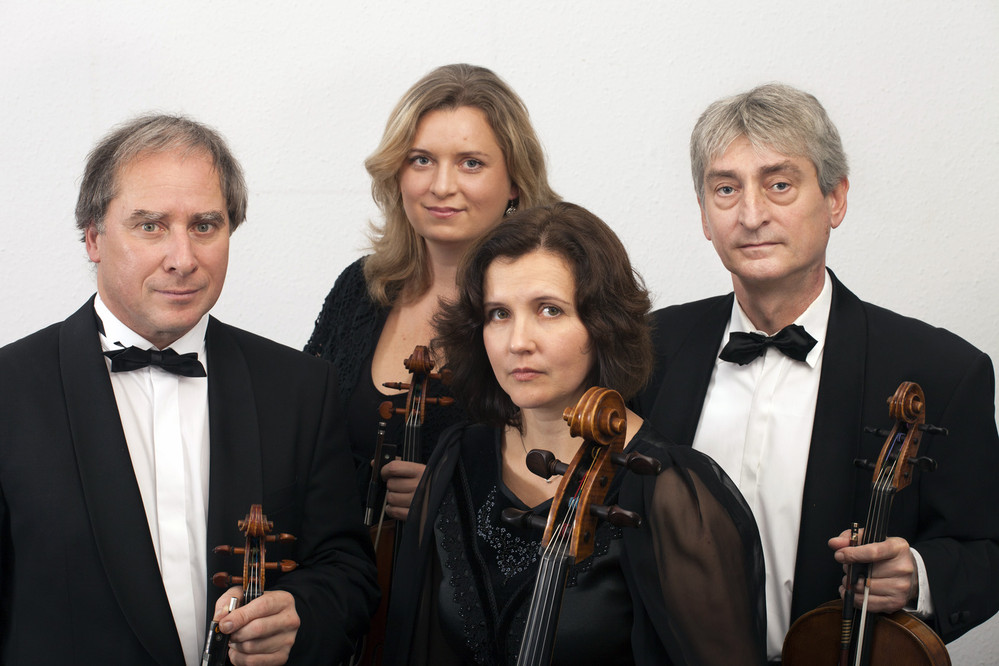
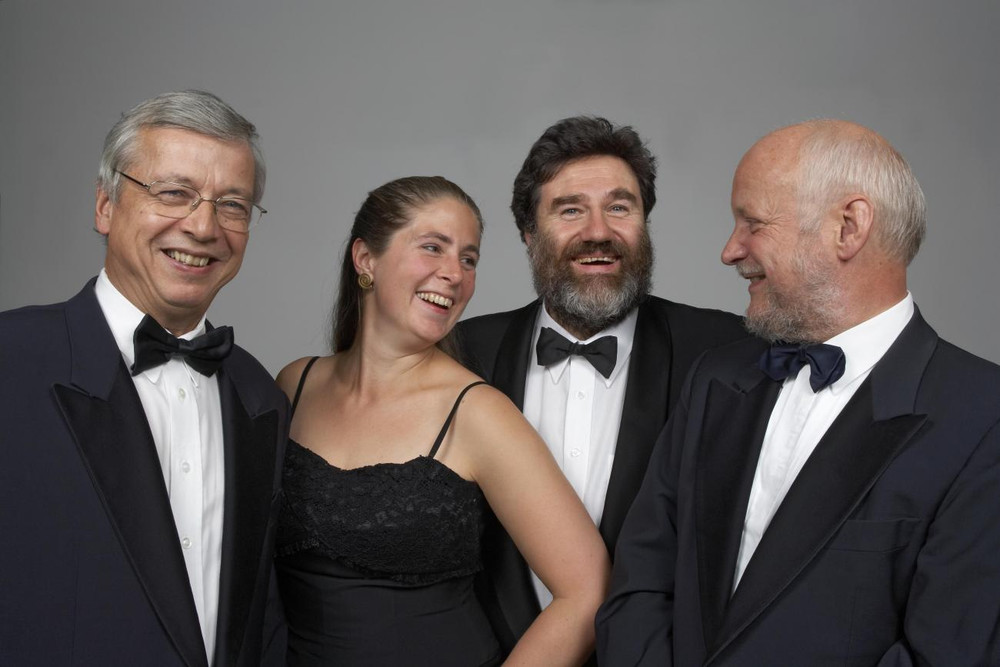
Keller Quartett
1988
·
1 album
Listen
1
/5
Genres
String Quartet
The string quartet is a cornerstone chamber-music genre scored for two violins, viola, and cello. It typically features a conversational texture where four independent voices share thematic material, balancing melody, harmony, and counterpoint. The classic four‑movement plan (fast sonata‑form, slow movement, minuet/scherzo, and a lively finale) became a hallmark in the Classical era, while later composers expanded and transformed the form, harmony, rhythm, and timbre. From Haydn and Mozart through Beethoven and Schubert to Bartók and Shostakovich, the quartet has served as a laboratory for compositional craft and expressive depth, ranging from intimate lyricism to rigorous structure and avant‑garde experimentation.
Discover
Listen
Chamber Music
Chamber music is a tradition of composed music for small ensembles—typically one player per part—intended for intimate spaces such as courts, salons, and private rooms rather than large public halls. Its aesthetic emphasizes clarity of texture, conversational interplay among parts, and balance without a conductor. Hallmark formations include the string quartet, piano trio, wind quintet, string quintet, and various mixed ensembles. Multi‑movement cycles (often in sonata form) and finely wrought counterpoint are common, ranging from Baroque trio sonatas to Classical string quartets and modern works with expanded timbres and techniques. Because of its scale and transparency, chamber music has long been a proving ground for compositional craft and ensemble musicianship, shaping the core of Western art music from the Baroque through the present.
Discover
Listen
Fugue
A fugue is a contrapuntal composition built around a single, clearly defined musical subject that is imitated and developed across multiple independent voices. One voice introduces the subject, and subsequent voices enter successively with an answer (a transposed version of the subject), often accompanied by a recurring countersubject. After the exposition, episodes made from fragments of the subject and countersubject modulate to related keys and prepare further entries. Composers employ devices such as inversion, augmentation, diminution, stretto, and pedal points to intensify the texture and drive form. Fugues appear as stand‑alone keyboard or organ works, as movements in chamber and orchestral music, and as sections within larger vocal or instrumental genres.
Discover
Listen
Albums
1988
2
/5
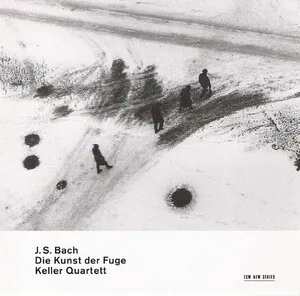
Die Kunst der Fuge
Johann Sebastian Bach / Keller Quartett
Fugue
String Quartet
Chamber Music
Similar artists
3
/5
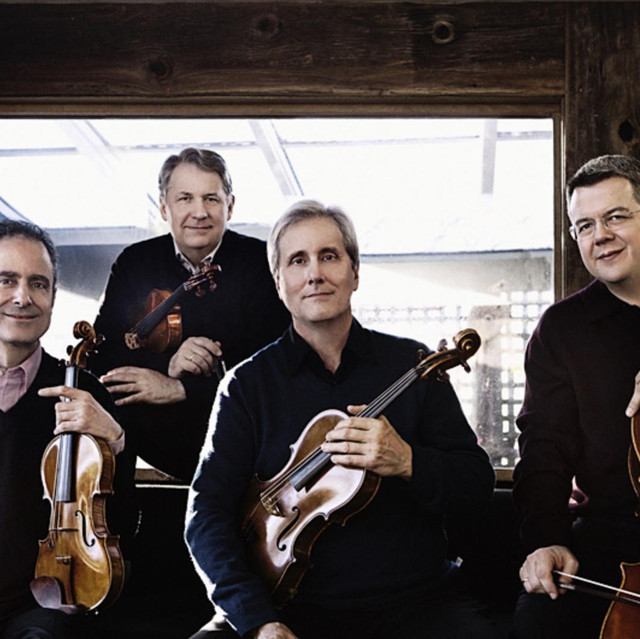
Emerson String Quartet
Chamber Music
Classical
String Quartet
4
/5
Johann Sebastian Bach
Baroque
Classical
Baroque Suite
4
/5
Ludwig van Beethoven
Classical
Classical Period
Romantic Classical
4
/5
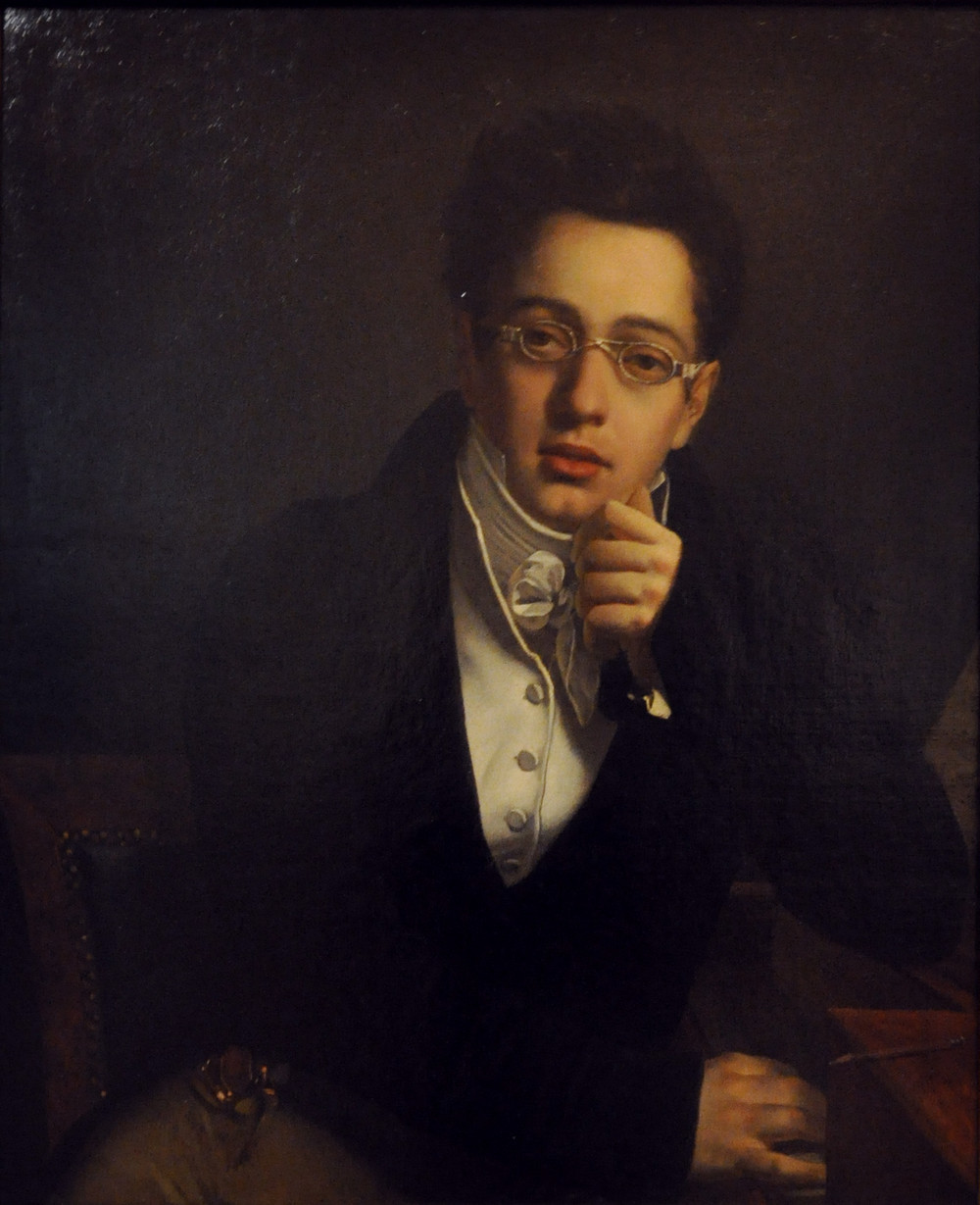
Franz Schubert
Impromptu
Lied
Art Song
4
/5
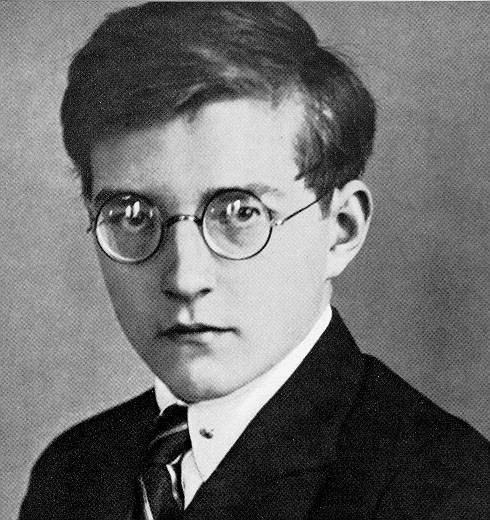
Dmitri Shostakovich
Classical
Chamber Music
Fugue
2
/5
Alban Berg Quartett
Chamber Music
Classical
String Quartet
2
/5
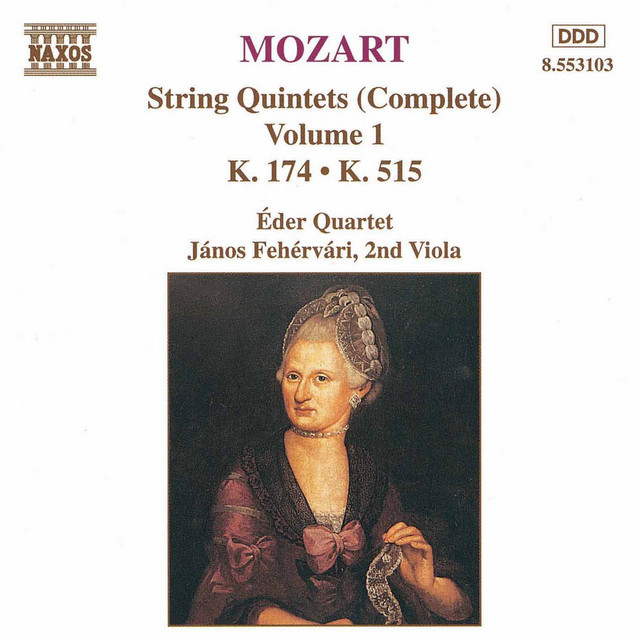
Eder Quartet
Chamber Music
Classical
Hungarian Classical Performance
2
/5
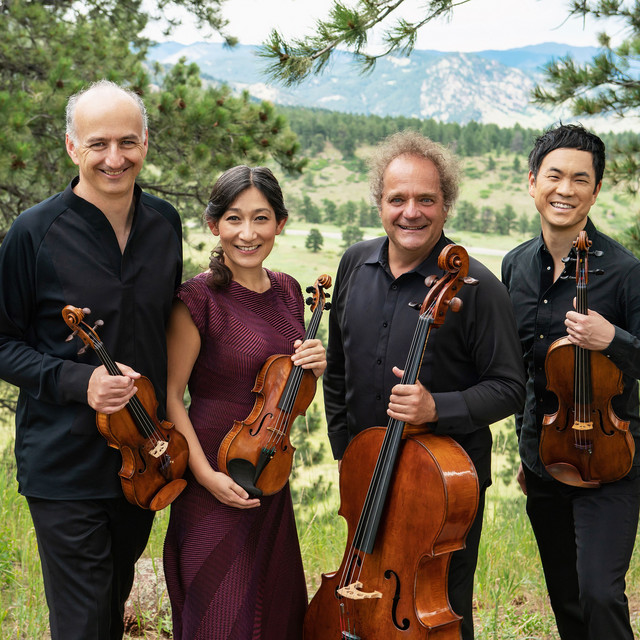
Takács Quartet
Chamber Music
String Quartet
Classical
2
/5
Anton Webern
Serialism
Chamber Music
Second Viennese School
2
/5
Quartetto Italiano
Chamber Music
String Quartet
Classical
Download our mobile app
Get the Melodigging app and start digging for new genres on the go
Download on the App Store
Get it on Google Play
© 2026 Melodigging
Give feedback
Legal
Melodding was created as a tribute to
Every Noise at Once
, which inspired us to help curious minds keep digging into music's ever-evolving genres.