Genres
Artists
Albums
Make Music
Sign in
Sign in
Artists
Cantopop
Artists
Cantopop
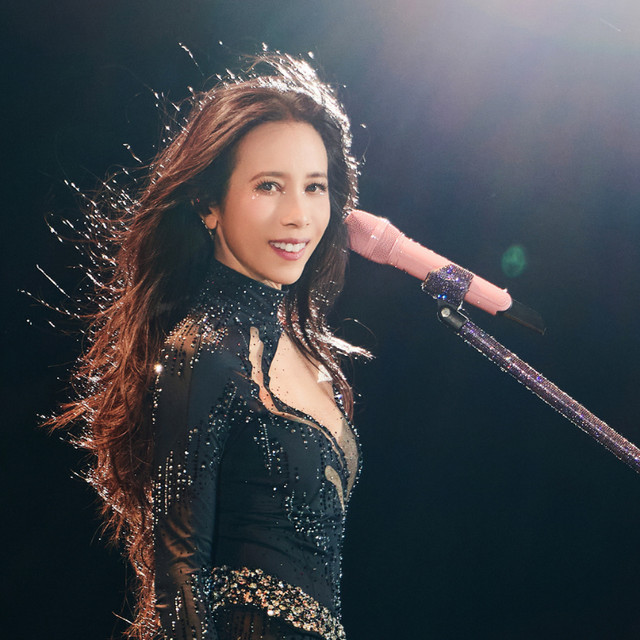
Karen Mok
1996–2001
·
2 albums
Listen
3
/5
Genres
Chinese Viral Pop
Chinese viral pop is contemporary Chinese‑language pop music engineered for discovery and rapid spread on short‑video and streaming platforms such as Douyin (TikTok in China), Kuaishou, Bilibili, and later global TikTok. It blends mainstream Mandopop songwriting with ultra‑catchy, immediately memorable hooks, short intros, simple harmonic progressions, and production choices that suit phone speakers (bright vocals, forward mids, compressed low‑end). Producers often borrow from trap, EDM, electropop, lo‑fi/bedroom pop aesthetics, and occasionally retro city‑pop colors, while some tracks incorporate "guofeng" (traditional Chinese timbres like guzheng/erhu) for a culturally distinctive hook. Beyond sound, the genre is defined by platform‑native behaviors: sped‑up/slowed edits, loop‑friendly pre‑choruses, dance/meme cues, and lyrics that are relatable and quote‑able, optimized for 10–30 second clips.
Discover
Listen
Gufeng
Gufeng (古风, literally “ancient style”) is a modern Chinese pop-adjacent style that evokes the sound-world, imagery, and poetics of premodern China. It blends traditional instruments, pentatonic melodies, and classical literary diction with contemporary songwriting, recording, and distribution practices. Emerging largely from online communities and ACG (anime–comics–games/donghua) fandoms, Gufeng favors lyrical themes such as mountains-and-rivers landscapes, courtly romance, martial-arts chivalry, and historical fantasy. The production commonly combines guzheng, pipa, dizi, xiao, and erhu with soft pop arrangements, cinematic pads, and subtle electronic beats, resulting in a nostalgic yet fresh sound that is distinct from mainstream Mandopop.
Discover
Listen
Small Room
Small room is a contemporary micro‑genre that sits near bedroom pop and intimate indie folk, defined by hushed, close‑miked vocals, minimal arrangements, and soft dynamics. Its recordings emphasize the natural, dry sound of a single space—often literally a small room—creating an intimate, confessional atmosphere. Typical instrumentations include gentle acoustic or clean electric guitar, soft piano, understated electronic drums, and airy pads or lo‑fi textures. Tempos are moderate to slow, harmonic movement is simple and diatonic, and lyrics focus on introspection, relationships, and everyday detail. The overall aesthetic privileges understatement, warmth, and proximity, as if the artist were singing a private demo directly to the listener.
Discover
Listen
Cantopop
Cantopop (Cantonese pop) is a Hong Kong–born branch of Chinese-language popular music sung primarily in Cantonese. It blends Western pop songwriting and production with local lyrical sensibilities, drawing early inspiration from shidaiqu, film/TV themes, disco, soft rock, synth-pop, and later R&B and hip hop. Stylistically, it favors hook-forward melodies, polished arrangements, emotive ballads, and mid‑ to uptempo dance tracks. Lyrics often center on romance, urban life, and identity, typically crafted with careful attention to the tones and rhythms of spoken Cantonese. The genre enjoyed a regional golden age in the 1980s–1990s and continues to evolve through contemporary pop, indie, and crossover influences.
Discover
Listen
Taiwanese Pop
Taiwanese pop is the broad umbrella for popular music created in Taiwan, spanning Mandarin (Mandopop) and Taiwanese Hokkien (Taiyu) repertoires, with contributions in Hakka and Indigenous languages. It blends the melodic lineage of early Chinese shidaiqu, Japanese kayōkyoku/idol aesthetics, and Western pop-rock, R&B, hip hop, and synth-driven production. The result is a polished, hook-forward sound that ranges from intimate folk-pop ballads to stadium-sized rock and dance-pop. Beyond style, Taiwanese pop is defined by its songwriting craft, emotive vocals, and karaoke-friendly choruses. Its industry infrastructure—iconic labels, variety TV, and cross-strait distribution—helped make Taipei a major hub for Chinese-language popular music across East and Southeast Asia.
Discover
Listen
Breakbeat
Breakbeat is a broad branch of electronic music defined by its use of broken, syncopated drum patterns ("breakbeats") rather than straight four-on-the-floor rhythms. Producers typically build tracks from looped and chopped drum breaks—often sampled from vintage funk, jazz, and R&B recordings—layered with basslines, synths, and effects. As both a production technique and a stylistic umbrella, breakbeat underpins and intersects with many scenes: from old‑school hip‑hop turntablism and electro to the UK rave continuum (breakbeat hardcore, big beat, Florida breaks) and onward to garage-derived styles. While not synonymous with jungle and drum & bass, the same culture of sampling and chopping classic breaks (e.g., the Amen break) helped inform those genres as well.
Discover
Listen
C-Pop
C-pop (Chinese popular music) is an umbrella term for contemporary popular music sung primarily in Chinese languages, especially Mandarin and Cantonese, and produced across Mainland China, Hong Kong, Taiwan, and the wider Chinese diaspora. It encompasses well-known streams such as Mandopop and Cantopop while also including works in Hokkien and other Sinitic varieties. Stylistically, C-pop blends Western pop, R&B, hip hop, rock, and electronic production with Chinese melodic sensibilities and traditional timbres. Hallmarks include memorable vocal-centric hooks, lyric-driven ballads, polished dance-pop, and frequent incorporation of pentatonic flavors and traditional instruments alongside modern synths and drums. C-pop is culturally influential across East and Southeast Asia, with stars whose appeal rests on both musical craft and multimedia presence (film/TV, variety shows, social platforms).
Discover
Listen
Mandopop
Mandopop (Mandarin popular music) is the Mandarin-language branch of Chinese popular music, built on songcraft that blends Western pop forms with Chinese melodic aesthetics and lyric sensibilities. It favors strong vocal melodies, polished production, and emotionally direct lyrics, ranging from lush romantic ballads to sleek R&B, dance-pop, and band-driven pop-rock. Because Mandarin is a tonal language, phrasing and melodic contour are crafted to respect word tones while remaining singable and memorable. Historically centered in Shanghai’s pre-war Shidaiqu era, Mandopop later flourished in Taiwan and Hong Kong and now thrives across Mainland China, Singapore, Malaysia, and the global Chinese diaspora. It is both a mass-market mainstream and a platform for singer-songwriters who continually fuse local idioms with global pop trends.
Discover
Listen
Show all 8 genres
Albums
2001
2
/5
Golden Flower 一朵金花
Karen Mok 莫文蔚
Cantopop
Breakbeat
C-Pop
1996
2
/5
全身莫文蔚
Karen Mok 莫文蔚
Cantopop
Similar artists
4
/5
G.E.M.
Cantopop
C-Pop
Mandopop
4
/5
A-Mei Chang
Cantopop
C-Pop
Mandopop
4
/5
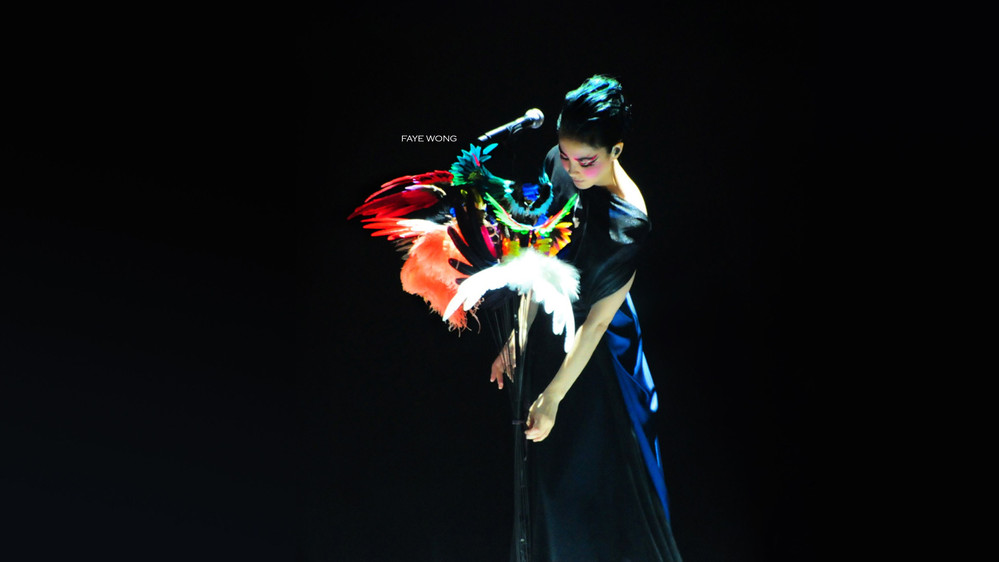
Faye Wong
C-Pop
Cantopop
Mandopop
4
/5
Eason Chan
Cantopop
Taiwanese Pop
C-Pop
3
/5
Candy Lo
Cantopop
C-Pop
Chinese Viral Pop
3
/5
Chyi Yu
Mandopop
C-Pop
Campus Folk
4
/5
Jay Chou
Zhongguo Feng
Mandopop
Ballad
4
/5
Stefanie Sun
C-Pop
Cantopop
Chinese Viral Pop
4
/5
Jacky Cheung
C-Pop
Cantopop
Chinese Viral Pop
4
/5
Khalil Fong
C-Pop
Cantopop
Chinese Viral Pop
Download our mobile app
Get the Melodigging app and start digging for new genres on the go
Download on the App Store
Get it on Google Play
© 2026 Melodigging
Give feedback
Legal
Melodding was created as a tribute to
Every Noise at Once
, which inspired us to help curious minds keep digging into music's ever-evolving genres.