Genres
Artists
Albums
Make Music
Sign in
Sign in
Artists
Chamber Music
Artists
Chamber Music
Kammerakademie Potsdam
2011–2014
·
2 albums
Listen
2
/5
Genres
Classical Oboe
Classical oboe refers to Western art‑music written for, or prominently featuring, the oboe and its close relatives (oboe d’amore, English horn/cor anglais). Emerging from the Baroque era after the shawm evolved into the hautbois in France, the oboe became a primary color in orchestral, chamber, and concerto settings. Its timbre is penetrating yet lyrical—capable of pastoral sweetness and plaintive melancholy—and it often carries cantabile melodies in symphonies, concertos, sonatas, and chamber works. The repertoire spans solo concertos and sonatas, obbligato arias in opera and sacred music, woodwind quintets, and modern solo/ensemble works, with idioms and techniques that changed across Baroque, Classical, Romantic, and contemporary styles.
Discover
Listen
Chamber Music
Chamber music is a tradition of composed music for small ensembles—typically one player per part—intended for intimate spaces such as courts, salons, and private rooms rather than large public halls. Its aesthetic emphasizes clarity of texture, conversational interplay among parts, and balance without a conductor. Hallmark formations include the string quartet, piano trio, wind quintet, string quintet, and various mixed ensembles. Multi‑movement cycles (often in sonata form) and finely wrought counterpoint are common, ranging from Baroque trio sonatas to Classical string quartets and modern works with expanded timbres and techniques. Because of its scale and transparency, chamber music has long been a proving ground for compositional craft and ensemble musicianship, shaping the core of Western art music from the Baroque through the present.
Discover
Listen
Bohemian Baroque
Bohemian Baroque refers to Baroque-era music cultivated in the historical lands of Bohemia and Moravia (today the Czech Republic). It flourished in courts, cathedral chapels, Jesuit colleges, and pilgrimage churches during the 17th and early 18th centuries. Stylistically, it blends Italianate concertato writing and the stylus phantasticus with the contrapuntal rigor of Central Europe. It emphasizes basso continuo, expressive rhetoric, chromatic inflection, and brilliant writing for strings and natural trumpets, while also preserving a rich vernacular hymn tradition (kancionál) in Czech. The repertoire spans masses, litanies, motets, sonatas, sacred cantatas, and devotional songs, ranging from monumental polychoral works to intimate pieces for voice and continuo. Its sound world is at once ceremonial and devotional, often marked by festive trumpets for feast days and poignant chromaticism in penitential movements.
Discover
Listen
Orchestral
Orchestral music refers to compositions written for an orchestra—a large ensemble typically built around a string section (violins, violas, cellos, double basses), complemented by woodwinds, brass, percussion, and often harp, keyboard, or other auxiliary instruments. A conductor coordinates the ensemble, shaping balance, phrasing, and expression. The style emphasizes coloristic timbre combinations, dynamic range from the softest pianissimo to explosive tuttis, and textures that can shift seamlessly between transparent chamber-like writing and monumental masses of sound. Orchestral writing underpins concert genres such as symphonies, overtures, and tone poems, as well as opera, ballet, and modern film and game scores. While orchestral writing evolved across centuries, its core craft centers on melody, counterpoint, harmony, register, and orchestration—the art of assigning musical ideas to instruments to achieve clarity, contrast, and narrative impact.
Discover
Listen
Classical
Classical music is the notated art-music tradition of Europe and its global descendants, characterized by durable forms, carefully codified harmony and counterpoint, and a literate score-based practice. The term “classical” can refer broadly to the entire Western art-music lineage from the Medieval era to today, not just the Classical period (c. 1750s–1820s). It privileges long-form structures (such as symphonies, sonatas, concertos, masses, and operas), functional or modal harmony, thematic development, and timbral nuance across ensembles ranging from solo instruments to full orchestras and choirs. Across centuries, the style evolved from chant and modal polyphony to tonal harmony, and later to post-tonal idioms, while maintaining a shared emphasis on written notation, performance practice, and craft.
Discover
Listen
Albums
2014
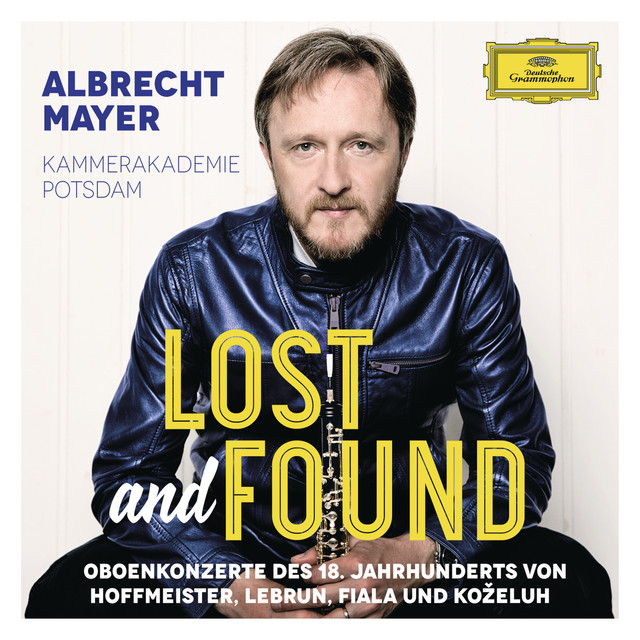
Lost And Found - Oboenkonzerte des 18. Jahrhunderts von Hoffmeister, Lebrun, Fiala und Koželuh
Albrecht Mayer, Franz Anton Hoffmeister, Kammerakademie Potsdam, Ludwig August…
Bohemian Baroque
2011
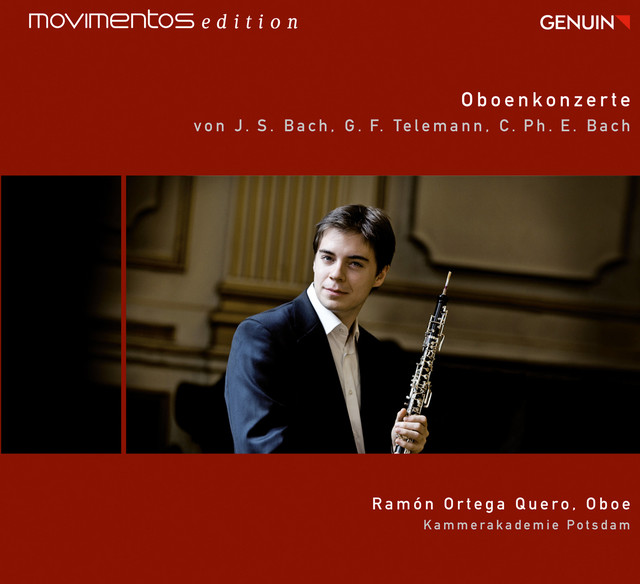
J.S. Bach, Telemann & C.P.E. Bach: Oboe Concertos (Movimentos Edition)
Kammerakademie Potsdam, Ramon Ortega Quero
Classical Oboe
Similar artists
4
/5
Johann Sebastian Bach
Baroque
Classical
Baroque Suite
4
/5
Wolfgang Amadeus Mozart
Classical
Requiem
Classical Period
3
/5
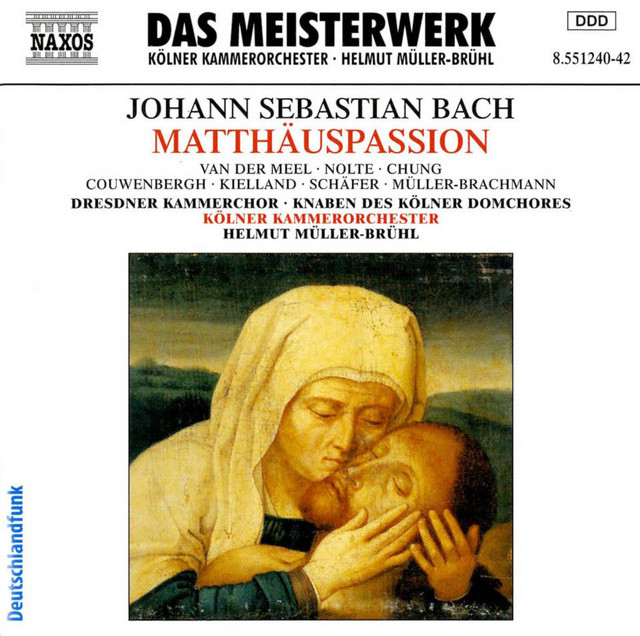
Kolner Kammerorchester
Chamber Music
Classical
Classical Oboe
3
/5
Trevor Pinnock
Baroque
Concerto
Classical
3
/5
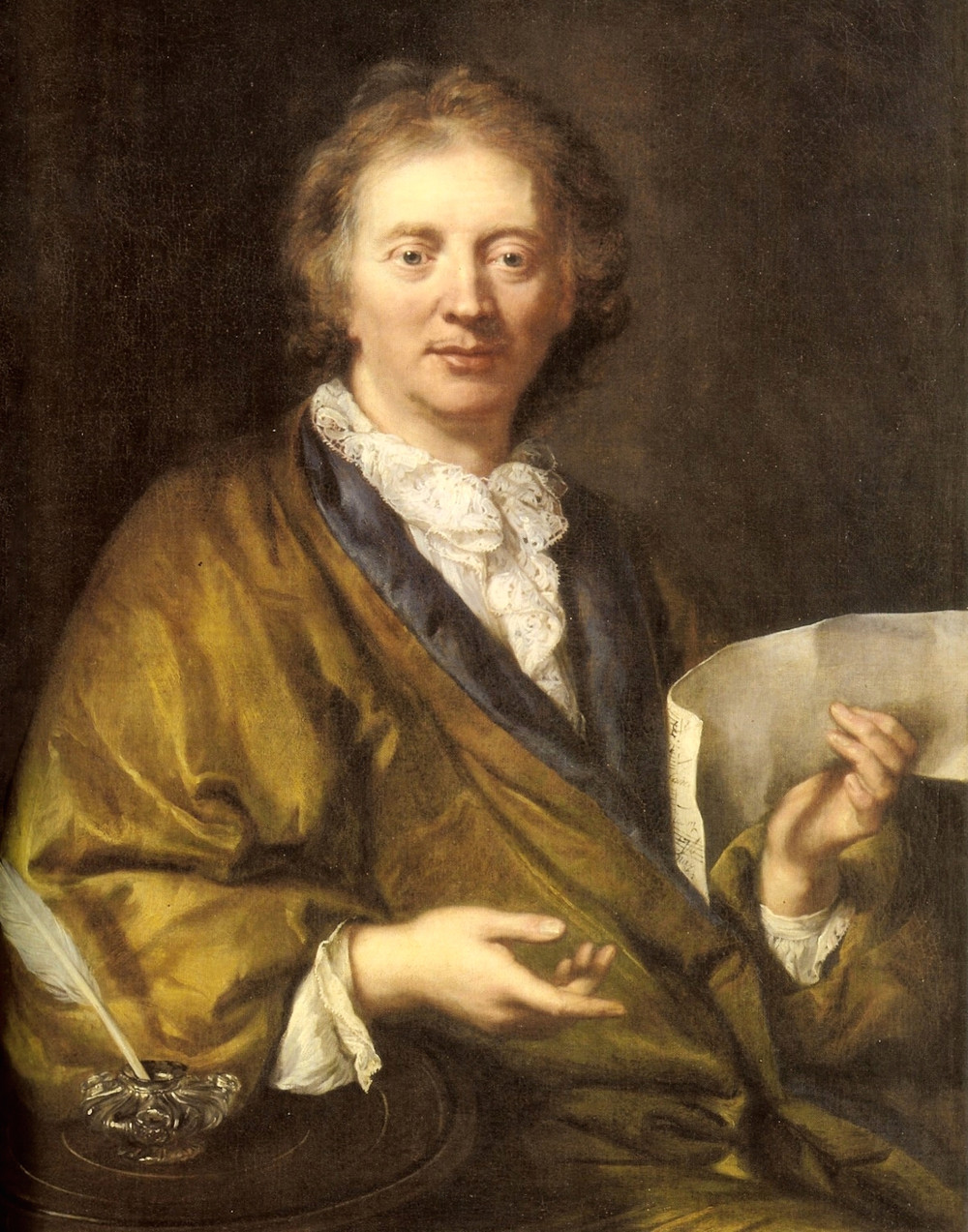
François Couperin
Chamber Music
Classical
Early Music
3
/5
Andrew Manze
Classical
Concerto
Baroque
2
/5
Britten Sinfonia
Chamber Music
Choral
Classical
2
/5
Paul Dombrecht
Baroque
Chamber Music
Classical
2
/5
Jozsef Kiss
Baroque
Chamber Music
Classical
2
/5
Slovak Chamber Orchestra
Chamber Music
Classical
Native American Music
Download our mobile app
Get the Melodigging app and start digging for new genres on the go
Download on the App Store
Get it on Google Play
© 2026 Melodigging
Give feedback
Legal
Melodding was created as a tribute to
Every Noise at Once
, which inspired us to help curious minds keep digging into music's ever-evolving genres.