Genres
Artists
Albums
Make Music
Sign in
Sign in
Artists
Spoken Word
Artists
Spoken Word
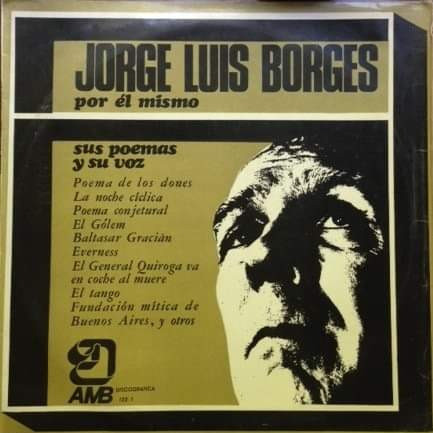
Jorge Luis Borges
1997
·
1 album
Listen
2
/5
Genres
Spoken Word
Spoken word is a performance-centered genre where text—poems, monologues, stories, or manifestos—is delivered aloud with musicality in voice rather than through singing. It may be entirely a cappella or accompanied by sparse instrumentation (often jazz combos, ambient textures, or minimal electronics) that frames the cadence and rhetoric of the performer. The emphasis is on language: prosody, pacing, imagery, and argument. Pieces often explore personal narratives, social critique, and political themes, drawing on techniques such as internal rhyme, alliteration, and repetition. While recordings exist, the tradition is fundamentally live, prioritizing immediacy, audience engagement, and oratorical presence.
Discover
Listen
Tango
Tango is a song-and-dance music from the Río de la Plata region, crystallizing in Buenos Aires (Argentina) and Montevideo (Uruguay) in the late 19th century. It is characterized by a melancholic, dramatic tone; richly expressive melodies; and a distinctive rhythmic feel rooted in the habanera and milonga. Core ensembles feature bandoneón, violin(s), piano, double bass, and sometimes guitar, forming the famed orquesta típica. Across the 1920s–1950s it became a worldwide craze, moving from rough immigrant bars to grand salons and radio, developing highly sophisticated arranging and performance practices. Lyrics often employ lunfardo (Buenos Aires slang) and dwell on urban nostalgia, love, betrayal, and the neighborhood (el barrio). Note on terminology: in flamenco, “tangos” is a distinct palo (song form) with a lively 4/4 compás, often in A Phrygian, closely related in feeling to rumba flamenca. Although it shares the name and a spirited character, flamenco tangos is a different tradition from the Río de la Plata tango described above.
Discover
Listen
Milonga
Milonga is a Río de la Plata song genre that took shape in the late 19th century among gaucho singers (payadores) in Argentina and Uruguay, with a parallel presence in Brazil’s southern state of Rio Grande do Sul. It is widely regarded as a direct precursor to tango. Characterized by a generally slow, loping rhythm in duple meter (2/4 or 4/4), milonga is most often performed with voice and a single criolla (nylon‑string) guitar using bass‑line “bordoneo,” light syncopation, and habanera‑like cells. Texts typically use décima (espinela) stanzas and reflect rural life, love, solitude, and the vastness of the pampas. Note: Here “milonga” refers to the song/folk style (often called milonga campera), not the later, faster urban dance form of tango known as “milonga.”
Discover
Listen
Albums
1997
1
/5
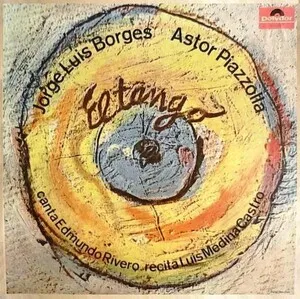
El Tango
Jorge Luis Borges & Astor Piazzolla
Milonga
Similar artists
3
/5
Atahualpa Yupanqui
Nuevo Cancionero
Argentine Music
Milonga
1
/5
Various Artists
Afro-Funk
Alternative Rock
Ambient
3
/5
Astor Piazzolla
Nuevo Tango
Tango
Rioplatense Music
3
/5
Juan Carlos Baglietto
Argentine Rock
Folklore Argentino
Latin Folk
3
/5
Osvaldo Pugliese
Candombe
Tango
Milonga
3
/5
Alfredo Zitarrosa
Milonga
Nueva Canción
Candombe
2
/5
Melingo
Tango
Candombe
Milonga
2
/5
Edmundo Rivero
Candombe
Tango
Milonga
1
/5
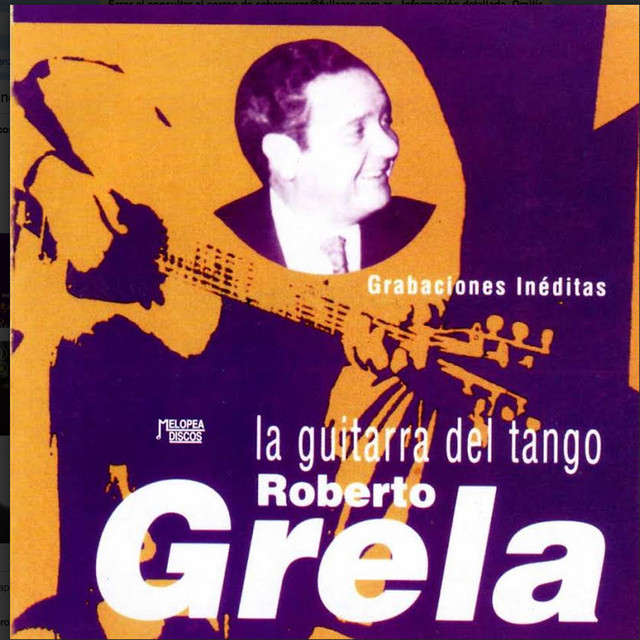
Roberto Grela
Candombe
Tango
Milonga
1
/5
Leopoldo Federico
Candombe
Tango
Milonga
Download our mobile app
Get the Melodigging app and start digging for new genres on the go
Download on the App Store
Get it on Google Play
© 2026 Melodigging
Give feedback
Legal
Melodding was created as a tribute to
Every Noise at Once
, which inspired us to help curious minds keep digging into music's ever-evolving genres.