Genres
Artists
Albums
Make Music
Sign in
Sign in
Artists
Delta Blues
Artists
Delta Blues
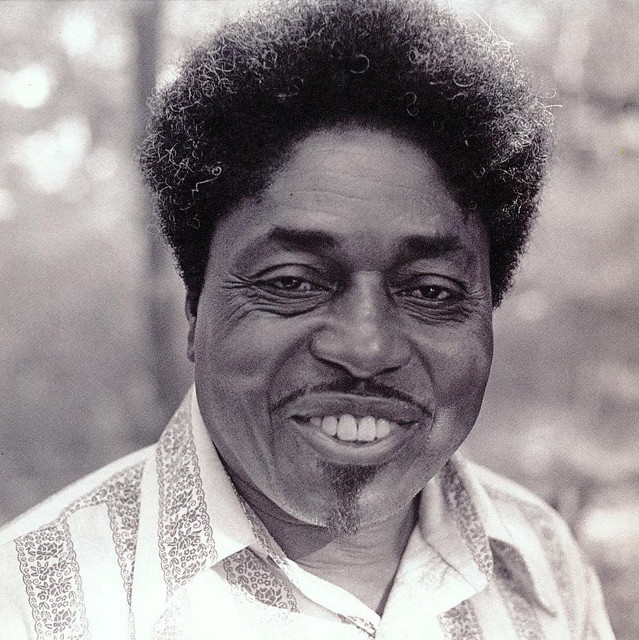
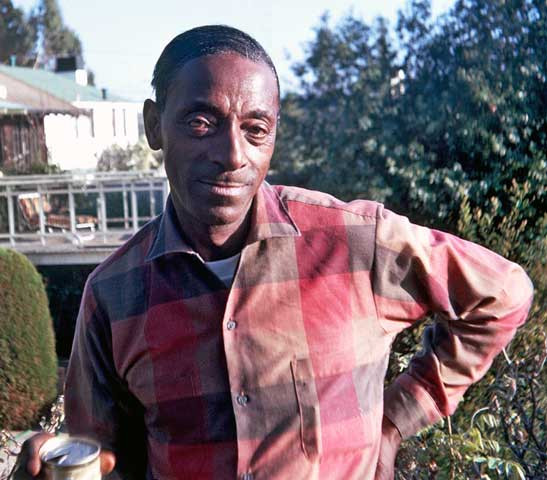
Johnny Shines
1969–1975
·
3 albums
Listen
2
/5
Genres
Modern Blues
Modern blues is a contemporary evolution of traditional and electric blues that embraces current songwriting, studio techniques, and cross-genre collaboration. It preserves the core blues vocabulary—blue notes, call-and-response phrasing, and 12‑bar and minor‑blues forms—while integrating elements of rock, soul, funk, and even pop and hip hop production. Sonically, modern blues favors saturated but articulate electric guitar tones, prominent backbeat drums, thick bass, and tasteful keys or organ. Lyrically it updates classic themes of struggle, love, resilience, and place with present-day imagery and personal storytelling. The result is a style that feels rooted and authentic yet radio- and festival-ready.
Discover
Listen
Delta Blues
Delta blues is a raw, emotionally direct style of country blues that emerged in the Mississippi Delta—an alluvial plain stretching from Memphis to Vicksburg. It is typically performed by a solo singer accompanying themselves on acoustic guitar, often with bottleneck slide. Hallmarks include expressive, speech-like vocals; flexible, rubato timing; insistent thumb-driven bass patterns; syncopated treble figures; and frequent use of open tunings. Lyrics are vivid and personal, touching on hardship, migration, love, work, spirituality, and folklore. Though commonly framed by 12‑bar and 8‑bar blues forms, Delta blues thrives on elastic phrasing, blue notes, and call-and-response between voice and guitar. Its sound is earthy, gritty, and intimate—music for porches, juke joints, and field gatherings—yet it became one of the most influential sources for electric urban blues and rock.
Discover
Listen
Classic Blues
Classic blues (often called "classic female blues") is the early, urban, theater-bred form of the blues that flourished primarily in the 1920s. It is characterized by powerful lead vocalists—frequently women—fronting small jazz ensembles or a piano accompanist, with arrangements that translated the blues idiom to vaudeville stages and recording studios. Musically it typically uses the 12‑bar blues form, AAB lyric stanzas, swung or shuffle rhythms in 4/4, and prominent use of blue notes (flattened 3rd, 5th, and 7th). The style sits at the crossroads of Southern blues traditions, ragtime and early jazz, and the songcraft and professionalism of vaudeville and Tin Pan Alley. Classic blues differs from country/delta blues by its more formal arrangements, band instrumentation, and theatrical delivery. It launched the commercial “race records” era with Mamie Smith’s 1920 hit "Crazy Blues," and set the template for later jazz and R&B vocal performance.
Discover
Listen
Country Blues
Country blues—also called rural blues or folk blues—is the earliest widely documented form of the blues, rooted in the everyday music-making of African Americans in the rural American South. It typically features a solo singer accompanying themselves on acoustic guitar, with flexible time, expressive vocal delivery, and abundant use of blue notes. While 12‑bar structures are common, country blues often stretches or compresses measures to fit the lyric, making phrasing elastic and conversational. Regional flavors emerged—Delta (driving, droning thumb bass and slide), Piedmont (ragtime‑inflected fingerpicking), and Texas (looser phrasing and single‑string leads)—but all share storytelling lyrics about work, travel, love, hardship, and spiritual longing.
Discover
Listen
Blues
Blues is an African American musical tradition defined by expressive "blue notes," call-and-response phrasing, and a characteristic use of dominant-seventh harmony in cyclical song forms (most famously the 12‑bar blues). It is as much a feeling as a form, conveying sorrow, resilience, humor, and hard-won joy. Musically, blues commonly employs the I–IV–V progression, swung or shuffled rhythms, and the AAB lyric stanza. Melodies lean on the minor/major third ambiguity and the flattened fifth and seventh degrees. Core instruments include voice, guitar (acoustic or electric), harmonica, piano, bass, and drums, with slide guitar, bends, and vocal melismas as signature techniques. Over time the blues has diversified into regional and stylistic currents—Delta and Piedmont country blues, urban Chicago and Texas blues, West Coast jump and boogie-woogie—while profoundly shaping jazz, rhythm & blues, rock and roll, soul, funk, and much of modern popular music.
Discover
Listen
Albums
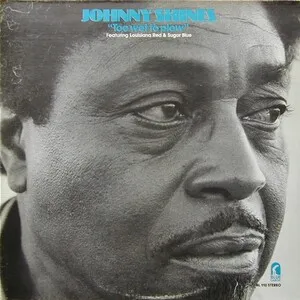
1975
2
/5
Too Wet to Plow
Johnny Shines
Delta Blues
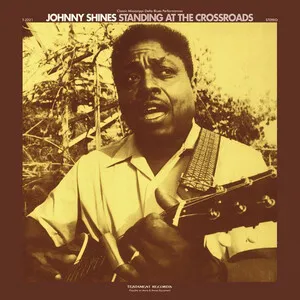
1971
1
/5
Standing at the Crossroads
Johnny Shines
Delta Blues
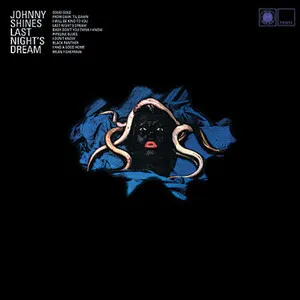
1969
1
/5
Last Night's Dream
Johnny Shines
Delta Blues
Similar artists
3
/5
R.L. Burnside
Hill Country Blues
Country Blues
Delta Blues
2
/5
Jimmy "Duck" Holmes
Blues
Country Blues
Classic Blues
1
/5
T-Model Ford
Blues
Classic Blues
Country Blues
3
/5
John Lee Hooker
Delta Blues
Blues
Country Blues
3
/5
Muddy Waters
Blues
Chicago Blues
Electric Blues
3
/5
Sonny Boy Williamson II
Delta Blues
Acoustic Blues
Blues
3
/5
Junior Kimbrough
Blues
Country Blues
Delta Blues
2
/5
Mississippi John Hurt
Piedmont Blues
Acoustic Blues
Country Blues
2
/5
Mississippi Fred McDowell
Country Blues
Delta Blues
Blues
2
/5
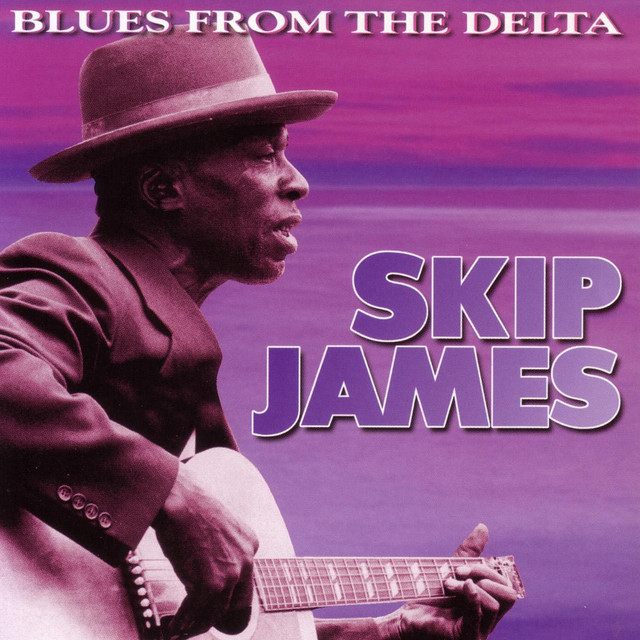
Skip James
Delta Blues
Country Blues
Blues
Download our mobile app
Get the Melodigging app and start digging for new genres on the go
Download on the App Store
Get it on Google Play
© 2026 Melodigging
Give feedback
Legal
Melodding was created as a tribute to
Every Noise at Once
, which inspired us to help curious minds keep digging into music's ever-evolving genres.