Genres
Artists
Albums
Make Music
Sign in
Sign in
Artists
Swamp Rock
Artists
Swamp Rock
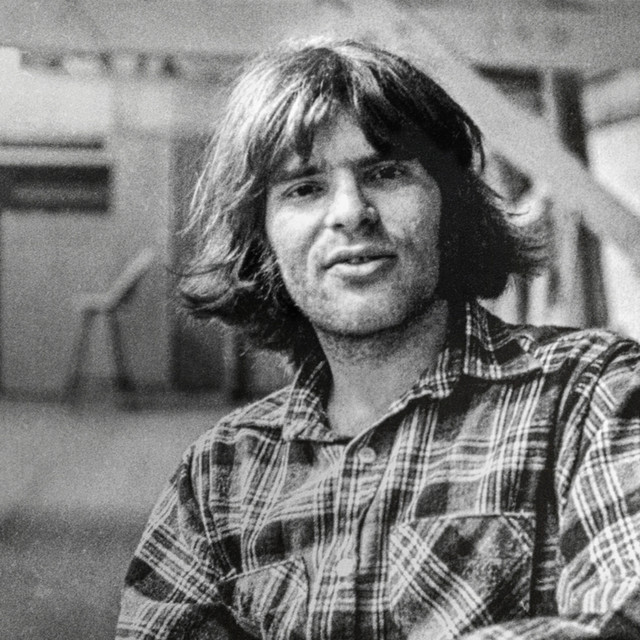
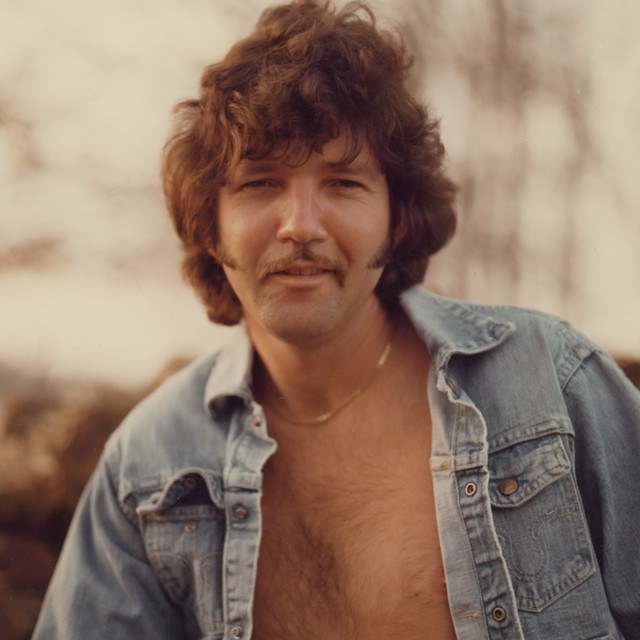
John Fogerty
1975–2025
·
13 albums
Listen
4
/5
Genres
Covertronica
Covertronica is a microgenre centered on electronically produced cover versions of well‑known songs. Artists retain the recognizability of the original melodies and hooks, but reimagine them with contemporary electronic palettes—glossy synths, side‑chained pads, drum machines, 808s, and modern pop/EDM production. The style thrives on clever reharmonization (e.g., minor/major flips), tempo shifts, and textural redesign, often translating rock, soul, or classic pop into sleek electropop/indietronica frameworks. Vocals are typically polished and upfront, with stacked harmonies, tight autotune as a color (when desired), and arrangement tricks such as filtered intros, half‑time drops, and breakdowns that mirror club and synth‑pop dynamics. Because the repertoire comes from existing songs, covertronica is as much about curatorial taste and arrangement craft as it is about sound design, making it a meeting point between DJ culture’s recontextualization and the singer‑producer era of the internet.
Discover
Listen
Deep New Americana
Deep new americana is a contemporary, roots-leaning micro‑scene that blends modern indie production aesthetics with the songcraft, storytelling, and acoustic textures of classic Americana. Compared with broader “new Americana,” the “deep” tag points to music that is earthier, more intimate, and less pop-facing: tube‑warm electric guitars, occasional pedal‑steel swells, fiddle or mandolin color, unhurried grooves, and close-knit vocal harmonies. Lyrics tend to be reflective and narrative, anchored in small details (roads, towns, seasons, family histories) while speaking to present-day anxieties and hopes. The sound favors organic recordings, dynamic performances, and arrangements that leave space for voices and instruments to breathe.
Discover
Listen
Southern Rock
Southern rock is a guitar-driven strain of American rock that emerged from the U.S. South, blending the grit of blues and the twang of country with the volume and swagger of rock. It is distinguished by twin-lead (often harmonized) guitars, prominent slide playing, boogie and shuffle grooves, and a live, jam-forward energy. Hammond B‑3 organ, piano, and rough-hewn, soulful vocals are common. Lyrically, it often explores working‑class life, regional identity, resilience, and the open road, while alternating between barroom stompers and expansive, improvisational epics.
Discover
Listen
Heartland Rock
Heartland rock is a style of mainstream American rock defined by anthemic songwriting, plainspoken storytelling, and a roots-oriented band sound. It centers on working‑class life, small towns, highways, and everyday resilience, using vivid, cinematic lyrics and big, sing‑along choruses. Musically, it blends the drive of classic rock with the twang of country rock and the earnestness of folk rock. Guitars (both electric and acoustic), organ or piano, steady backbeat drums, and occasional saxophone create a warm, road‑tested feel that favors live, unadorned arrangements over studio gloss.
Discover
Listen
Classic Rock
Classic rock is a radio-defined umbrella for mainstream, guitar-centered rock music from the mid-1960s through the 1980s. It emphasizes blues-based riffs, memorable choruses, sturdy backbeats, and prominent guitar solos, often framed by warm, analog production. Rather than being a single stylistic branch, classic rock curates a canon that spans hard rock, blues rock, folk rock, psychedelic and progressive strains, and heartland- and country-tinged rock. Albums and album-oriented rock (AOR) values—extended tracks, conceptual cohesion, and musicianship—are central to its identity. The sound evokes tube-amp crunch, Hammond organs, stacked vocal harmonies, and anthemic songwriting designed for both FM radio and the concert arena.
Discover
Listen
Swamp Rock
Swamp rock is a gritty, rootsy form of rock that evokes the humid atmosphere of the U.S. Gulf Coast. It blends the loping rhythms and minor-key moods of Louisiana swamp blues with rock and roll drive, country earthiness, and New Orleans R&B grooves. Characterized by tremolo‑soaked electric guitars, thick reverb, hypnotic mid‑tempo grooves, and warm Hammond organ or piano, the style favors simple, blues-based progressions and storytelling lyrics. Songs often reference bayous, backroads, voodoo lore, and the heat and haze of Southern life, creating a sound that feels both murky and magnetic.
Discover
Listen
Country Rock
Country rock is a hybrid of country music’s storytelling, twang, and acoustic textures with rock’s backbeat, amplification, and song structures. It typically features electric and acoustic guitars, pedal steel, close vocal harmonies, and a steady 4/4 groove, while lyrics focus on roads, small towns, heartbreak, and everyday American life. The sound ranges from jangly and rootsy to polished and radio-friendly, bridging bar-band energy with country elegance and shaping the template for later Americana and heartland styles.
Discover
Listen
Blues Rock
Blues rock is a guitar-driven style that fuses the raw feeling and 12‑bar structures of the blues with the power, volume, and rhythmic punch of rock. It emphasizes riff-based songs, pentatonic and blues-scale soloing, call‑and‑response between voice and guitar, and an expressive, often gritty vocal delivery. Typical ensembles are power trios (guitar, bass, drums) or quartet formats adding second guitar, keyboards, or harmonica, and performances commonly feature extended improvisation. Sonically, it favors overdriven tube-amp tones, sustained bends, vibrato, and dynamic contrasts, moving from shuffles and boogies to straight‑eighth rock grooves.
Discover
Listen
Rock
Rock is a broad family of popular music centered on amplified instruments, a strong backbeat, and song forms that foreground riffs, choruses, and anthemic hooks. Emerging from mid‑20th‑century American styles like rhythm & blues, country, and gospel-inflected rock and roll, rock quickly expanded in scope—absorbing folk, blues, and psychedelic ideas—while shaping global youth culture. Core sonic markers include electric guitar (often overdriven), electric bass, drum kit emphasizing beats 2 and 4, and emotive lead vocals. Rock songs commonly use verse–chorus structures, blues-derived harmony, and memorable melodic motifs, ranging from intimate ballads to high‑energy, stadium‑sized performances.
Discover
Listen
Pop
Pop is a broad, hook-driven style of popular music designed for wide appeal. It emphasizes memorable melodies, concise song structures, polished vocals, and production intended for radio, charts, and mass media. While pop continually absorbs elements from other styles, its core remains singable choruses, accessible harmonies, and rhythmic clarity. Typical forms include verse–pre-chorus–chorus, frequent use of bridges and middle-eights, and ear-catching intros and outros. Pop is not defined by a single instrumentation. It flexibly incorporates acoustic and electric instruments, drum machines, synthesizers, and increasingly digital production techniques, always in service of the song and the hook.
Discover
Listen
Rock And Roll
Rock and roll is a high-energy, dance-oriented popular music style that emerged in the United States in the early-to-mid 1950s. It fuses the 12‑bar blues and boogie‑woogie with the backbeat and instrumentation of rhythm & blues, the twang and storytelling of country, and the fervor of gospel. Its hallmark sound centers on a strong backbeat (accented on beats 2 and 4), driving rhythm sections, electric guitar riffs, prominent piano or saxophone leads, and catchy, chorus-forward songwriting. Typical harmonies revolve around I–IV–V progressions, often in 12-bar form, with swung or shuffle feels and punchy turnarounds. Culturally, rock and roll catalyzed a youth movement linked to dancing, teen identity, and social change. It bridged racial audiences by popularizing Black American musical traditions for mainstream listeners, and it laid the foundation for subsequent rock styles and much of modern pop.
Discover
Listen
Folk
Folk is a song-centered acoustic tradition rooted in community storytelling, everyday life, and social history. It emphasizes clear melodies, simple harmonies, and lyrics that foreground narrative, protest, and personal testimony. As a modern recorded genre, folk coalesced in the early-to-mid 20th century in the United States out of older ballad, work song, and rural dance traditions. It typically features acoustic instruments (guitar, banjo, fiddle, mandolin, harmonica), strophic song forms, and participatory singing (choruses, call-and-response).
Discover
Listen
Show all 12 genres
Albums
2025
3
/5
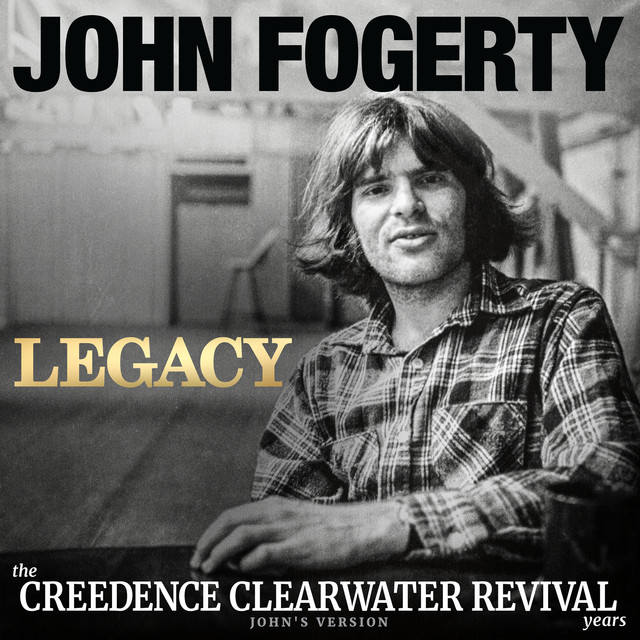
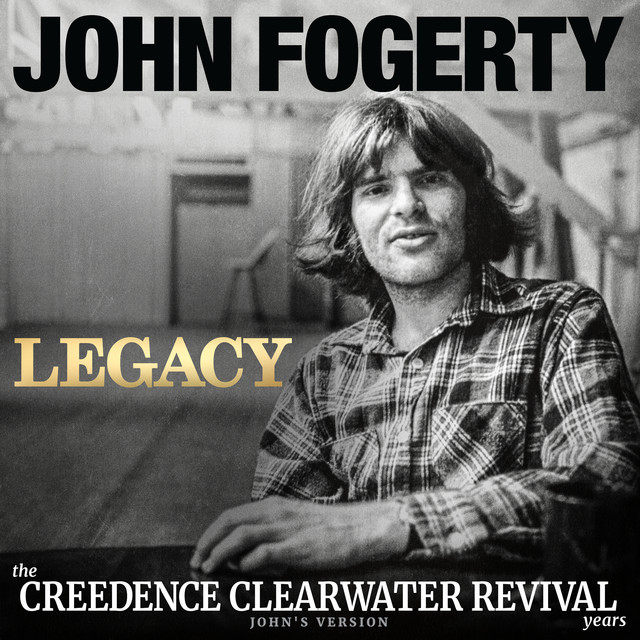
Legacy: the Creedence Clearwater Revival years (John's Version)
John Fogerty
Swamp Rock
Rock
2025
2
/5
Travelin’ Band (John’s Version)
John Fogerty
Swamp Rock
2025
2
/5
Up Around The Bend (John’s Version)
John Fogerty
Swamp Rock
2018
1
/5
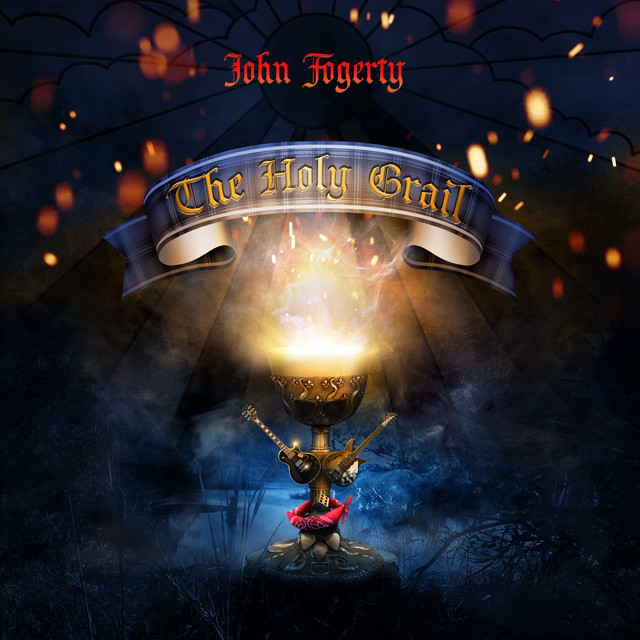
The Holy Grail
John Fogerty
Swamp Rock
Rock
Rock And Roll
2017
1
/5
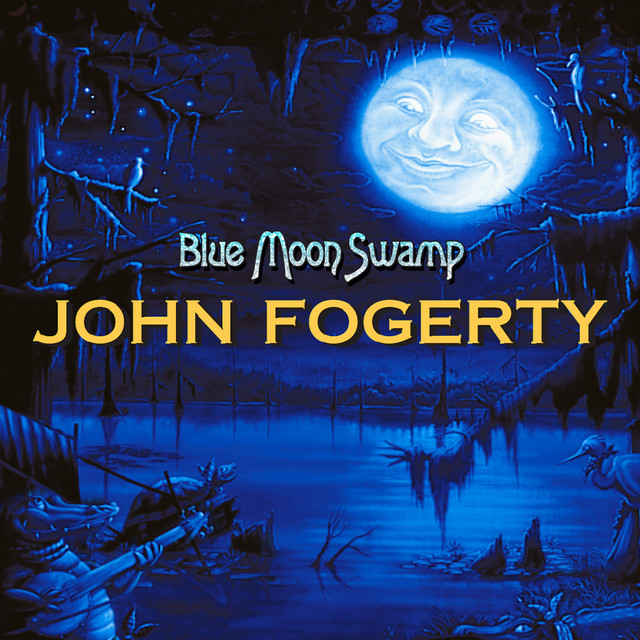
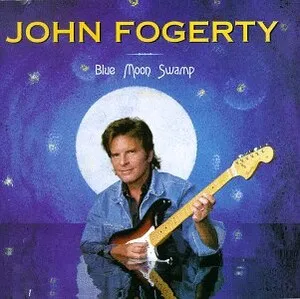
Blue Moon Swamp
John Fogerty
Swamp Rock
Country Rock
Pop
2017
1
/5
Blue Moon Swamp
John Fogerty
Swamp Rock
Country Rock
Pop
2013
3
/5
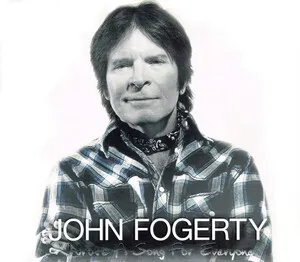
Wrote a Song for Everyone
John Fogerty
Swamp Rock
2010
1
/5
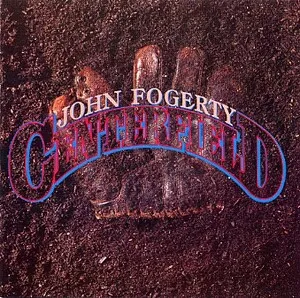
Centerfield
John Fogerty
Heartland Rock
Pop
Rock
2004
1
/5
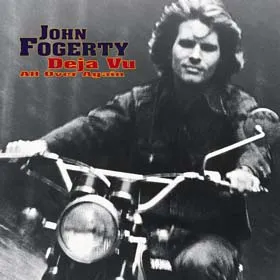
Deja Vu All Over Again
John Fogerty
Swamp Rock
1986
2
/5
Eye Of The Zombie
John Fogerty
Swamp Rock
1986
1
/5
Eye of the Zombie
John Fogerty
Swamp Rock
Country Rock
Pop
1985
4
/5
Centerfield (25th Anniversary)
John Fogerty
Swamp Rock
1975
1
/5
John Fogerty
John Fogerty
Heartland Rock
Similar artists
1
/5
Various Artists
Afro-Funk
Alternative Rock
Ambient
5
/5
Creedence Clearwater Revival
Southern Rock
Swamp Rock
Country Rock
3
/5
Tony Joe White
Louisiana Blues
Swamp Blues
Swamp Rock
4
/5
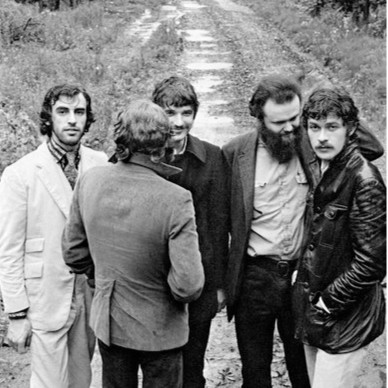
The Band
Folk Rock
Roots Rock
Swamp Rock
3
/5
Little Feat
Swamp Rock
Southern Rock
Rock
4
/5
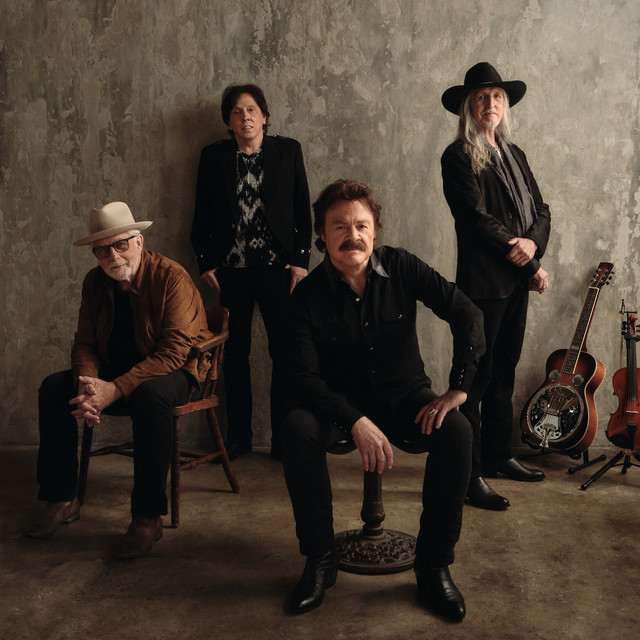
The Doobie Brothers
Yacht Rock
Classic Rock
Soft Rock
5
/5
Dolly Parton
Country
Nashville Sound
Pop
4
/5
Jimmy Buffett
Country Rock
Rock
Tropical Rock
4
/5
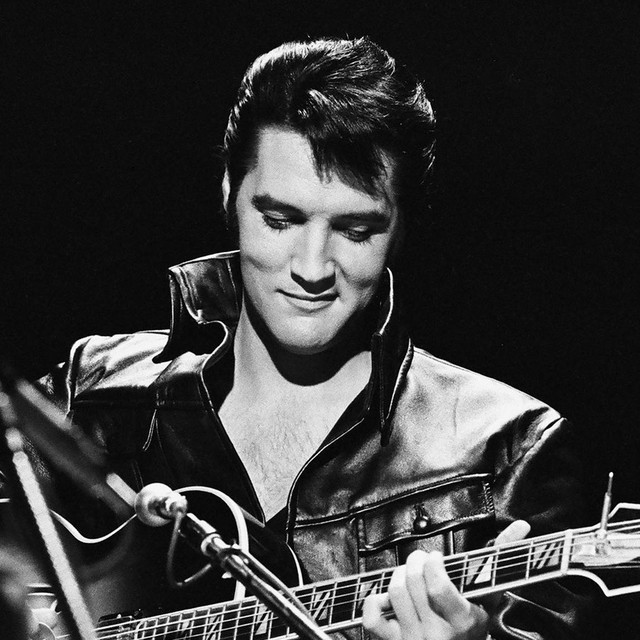
Elvis Presley
Rock And Roll
Rockabilly
Pop
4
/5
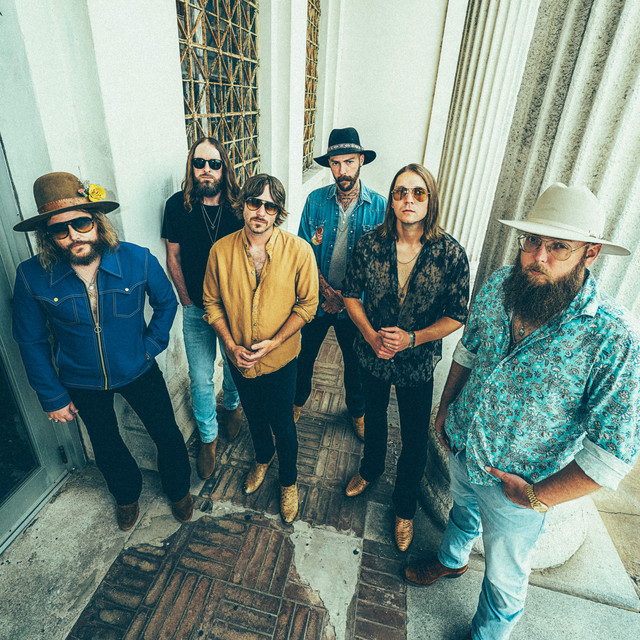
Whiskey Myers
Modern Southern Rock
Southern Rock
Country Rock
Download our mobile app
Get the Melodigging app and start digging for new genres on the go
Download on the App Store
Get it on Google Play
© 2026 Melodigging
Give feedback
Legal
Melodding was created as a tribute to
Every Noise at Once
, which inspired us to help curious minds keep digging into music's ever-evolving genres.