Your digging level
Description
Modern southern rock is the late‑20th/early‑21st century continuation of classic southern rock, updating the sound with heavier guitars, tighter songwriting, and production aesthetics drawn from alternative, Americana, and jam‑band scenes.
It keeps the idiom’s core—twin or triple lead guitars, slide work, Hammond B3 or piano, boogie and shuffle grooves, and stories rooted in Southern life—while widening its palette to include alt‑country lyric candor, jam‑band improvisation, and sometimes post‑grunge crunch. Lyrically, modern acts often balance pride of place with nuanced looks at class, race, religion, and politics, moving beyond caricature into detailed storytelling.
The result is music that can be bar‑band raw or arena‑scale, equally at home at rock festivals, Americana bills, or contemporary country stages.
History
After the 1970s heyday of southern rock, a new wave in the 1990s began carrying the torch with fresh context. Jam‑leaning outfits and Allman Brothers offshoots (e.g., Gov't Mule) re‑emphasized improvisation and hard blues, while Athens and Atlanta scenes (Widespread Panic, The Black Crowes) brought the sound back to mainstream rock audiences. This period re‑established the guitar‑forward, blues‑country fusion as a living form rather than a nostalgia act.
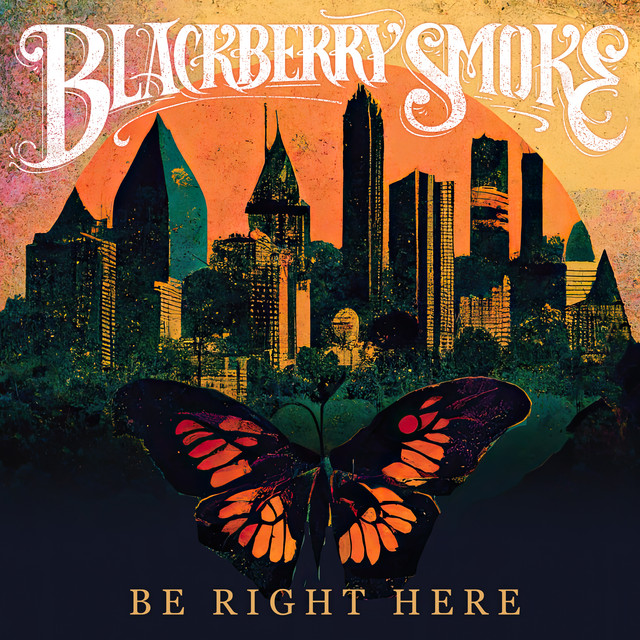
The 2000s saw bands formalize a distinctly modern voice. Drive‑By Truckers’ concept‑driven records set a template for contemporary Southern narratives—historical, political, and personal—delivered with bar‑band grit. Parallel to this, Blackberry Smoke fused barroom boogie, country charts savvy, and relentless touring, anchoring a durable circuit for the style across rock and Americana festivals.
By the 2010s, southern‑rock guitar tones and swagger were threaded through mainstream country and Americana. Acts like Whiskey Myers and The Cadillac Three pushed riff‑heavy songs beside story‑songs, while radio country’s rock turn (and bro‑country’s arena sonics) absorbed Southern rock’s crunch, rhythmic drive, and lyrical settings. The lines between modern southern rock, Americana, and country rock became intentionally porous.
A new cohort—The Steel Woods, The Marcus King Band, Black Stone Cherry, and others—has kept the idiom vibrant, pairing road‑tested musicianship with contemporary production. Syncs, festival circuits, and crossover bills broadened the audience, while the core ingredients—slide guitars, Hammond organs, triple‑guitar harmonies, and Southern storytelling—remain unmistakable.