Genres
Artists
Albums
Make Music
Sign in
Sign in
Artists
Bluegrass
Artists
Bluegrass
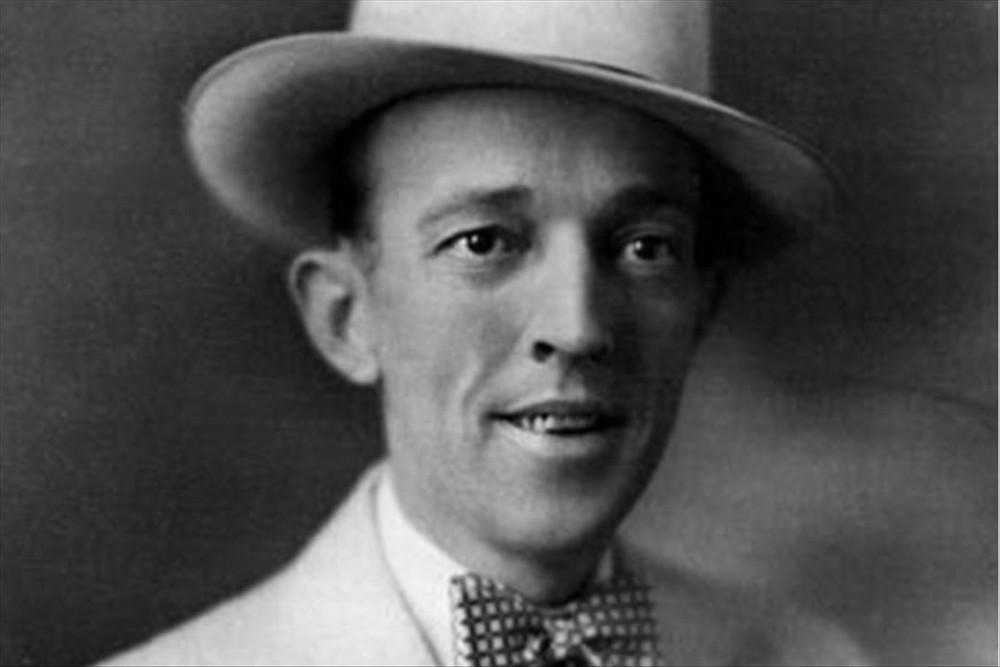
Jimmie Rodgers
Listen
2
/5
Genres
Bluegrass
Bluegrass is a style of American roots music that coalesced in the Appalachian region in the 1940s around Bill Monroe and his Blue Grass Boys. It is defined by all‑acoustic instrumentation (typically fiddle, mandolin, 5‑string banjo, guitar, and upright bass, with dobro often added), virtuosic ensemble interplay, and a distinctive “high lonesome” lead vocal timbre supported by tight three‑part harmonies. Musically, bluegrass fuses African American blues and jazz phrasing with Anglo‑Celtic ballads and dance tunes. Hallmarks include driving tempos, syncopated 3‑finger banjo rolls (popularized by Earl Scruggs), off‑beat mandolin “chop” backbeats, boom‑chuck guitar rhythm, two‑beat bass, and alternating instrumental “breaks.” Repertoires mix breakdowns and fiddle tunes with narrative ballads, gospel numbers, and contemporary songwriter material.
Discover
Listen
Classic Country
Classic country refers to the traditional sound of American country music established from the 1940s through the 1970s, before the genre’s heavy pop crossover of later decades. It foregrounds storytelling, plainspoken vocals, and clean, twangy instrumentation such as acoustic guitar, Telecaster-style electric guitar, fiddle, pedal steel, upright or electric bass, piano, and restrained drums. Hallmark rhythms include the two-step (in 2/4), the steady 4/4 shuffle, the “train beat,” and the country waltz (3/4). Harmony is typically diatonic and rooted in I–IV–V progressions with occasional secondary dominants and simple turnarounds. Lyrically, classic country centers on love and heartache, rural and working-class life, faith, family, drinking and redemption, and the open road. Production is intimate and voice-forward, ranging from the raw honky-tonk bar-band feel to the smoother Nashville sound with tasteful strings and backing vocals.
Discover
Listen
Honky Tonk
Honky tonk is a hard-edged, barroom strain of country music built for noisy dancehalls and roadside beer joints. It emphasizes a strong backbeat, simple I–IV–V harmony, and vivid storytelling about heartbreak, drinking, cheating, and working-class life. Sonically, it features twangy electric (often Telecaster) guitar, crying pedal steel or lap steel, fiddle, pounding honky-tonk piano with boogie-woogie figures, upright or electric bass, and a steady shuffle or two-step drum groove. Vocals are direct and emotive, often with a nasal twang and blue-note inflections, designed to cut through a lively room. Amplification and a danceable feel are central, reflecting its origins in Texas and Oklahoma bars after Prohibition, where musicians needed volume, rhythmic drive, and memorable hooks to reach listeners over clinking glasses and conversation.
Discover
Listen
Western Swing
Western swing is a dance-band hybrid that fuses prewar country string-band music with the rhythmic drive and improvisational language of jazz and swing. Born in Texas and Oklahoma dance halls, it features fiddles and steel guitar up front, a strong rhythm section, and frequent horn parts, producing an exuberant, toe-tapping sound meant for two-steps, shuffles, and waltzes. Unlike most early country styles, western swing embraces extended jazz harmonies, walking bass lines, and instrumental solos, often over 12‑bar blues or 32‑bar AABA song forms. Amplified guitars, non‑pedal steel (later pedal steel), piano, and drums gave the music a powerful, urban polish while keeping a distinctly Western flavor in melodies, repertoire, and themes.
Discover
Listen
Traditional Country
Traditional country is a roots-oriented branch of country music that preserves the acoustic timbres, plainspoken storytelling, and danceable rhythms of early "hillbilly" and honky-tonk styles. It favors fiddles, acoustic and steel guitars, upright bass, and modest percussion, with melodies and harmonies grounded in Anglo-American folk, gospel, and blues. Songs typically revolve around everyday life—love, heartbreak, faith, work, and small-town or rural experience—delivered with an unadorned, emotive vocal style. As a practice and ethos, traditional country resists pop sheen and elaborate production, emphasizing live ensemble interplay, two-step and waltz feels, and concise verse–chorus forms. Its sound is closely associated with the Grand Ole Opry era, barn-dance radio, and mid‑century jukebox honky-tonks.
Discover
Listen
Country Blues
Country blues—also called rural blues or folk blues—is the earliest widely documented form of the blues, rooted in the everyday music-making of African Americans in the rural American South. It typically features a solo singer accompanying themselves on acoustic guitar, with flexible time, expressive vocal delivery, and abundant use of blue notes. While 12‑bar structures are common, country blues often stretches or compresses measures to fit the lyric, making phrasing elastic and conversational. Regional flavors emerged—Delta (driving, droning thumb bass and slide), Piedmont (ragtime‑inflected fingerpicking), and Texas (looser phrasing and single‑string leads)—but all share storytelling lyrics about work, travel, love, hardship, and spiritual longing.
Discover
Listen
Yodeling
Yodeling is a vocal technique and repertory defined by rapid and intentional alternation between chest voice and head voice (falsetto), producing audible register breaks on open vowels. Rooted most famously in the rural Alps, it functioned historically as long‑distance herding calls and community signals across mountains and valleys. Closely related practices appear in multiple cultures worldwide (e.g., Central African forest singing, Scandinavian cattle calls), underscoring yodeling’s role as a practical form of vocal communication as much as a musical idiom. Across the 19th and 20th centuries, yodeling moved from pasture and village dances into stage entertainment, commercial folk music, and North American country and western traditions, where it became a signature expressive device (“blue yodels,” cowboy yodels) and a symbol of pastoral nostalgia.
Discover
Listen
Show all 7 genres
Similar artists
3
/5
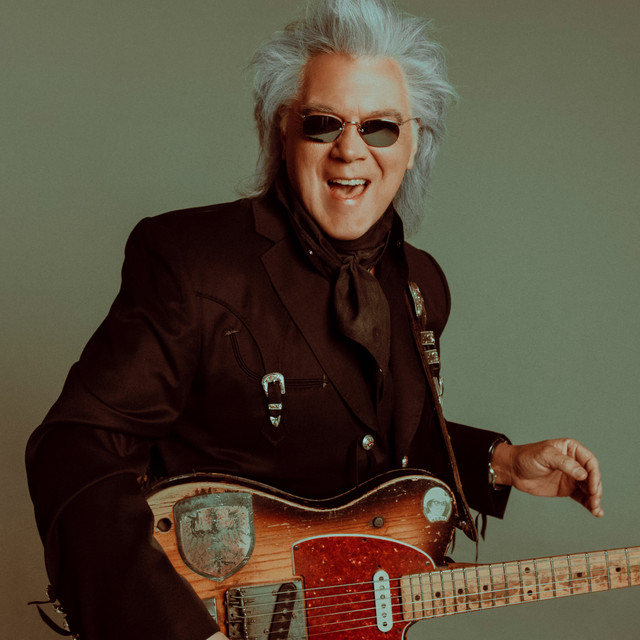
Marty Stuart
Bluegrass
Classic Country
Country
2
/5
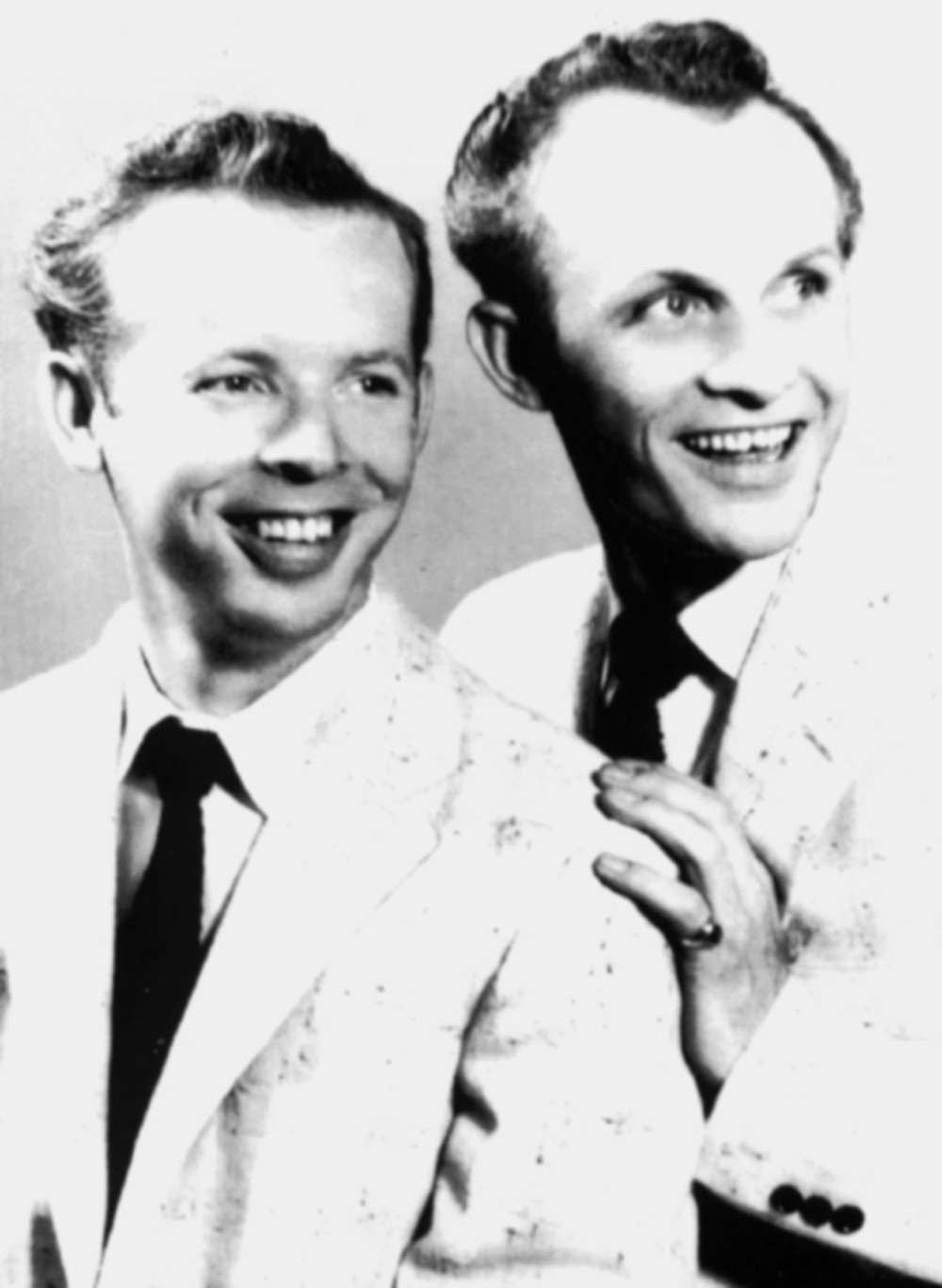
The Louvin Brothers
Appalachian Folk
Country Gospel
Close Harmony
2
/5
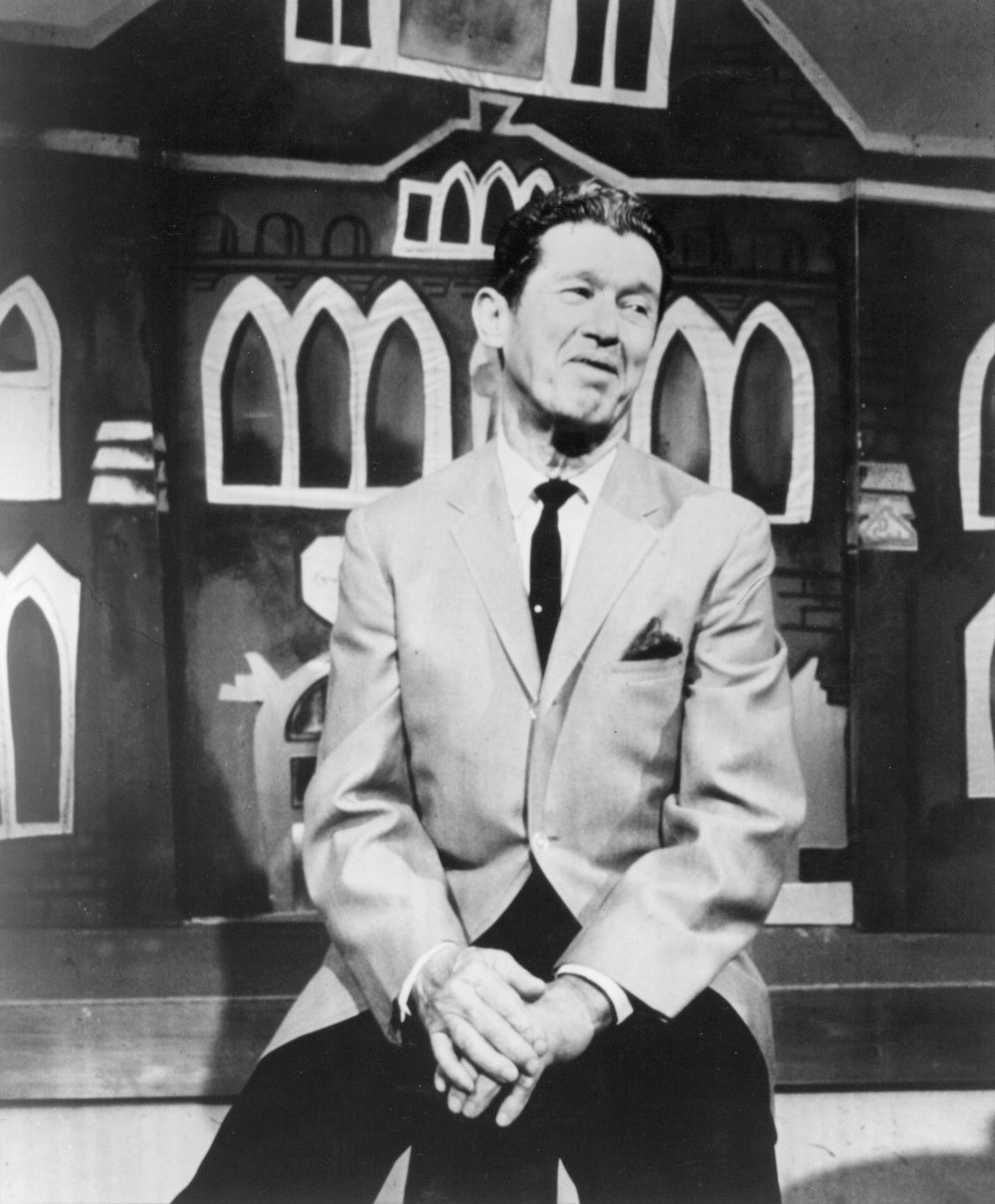
Roy Acuff
Western Swing
Bluegrass
Christian Country
4
/5
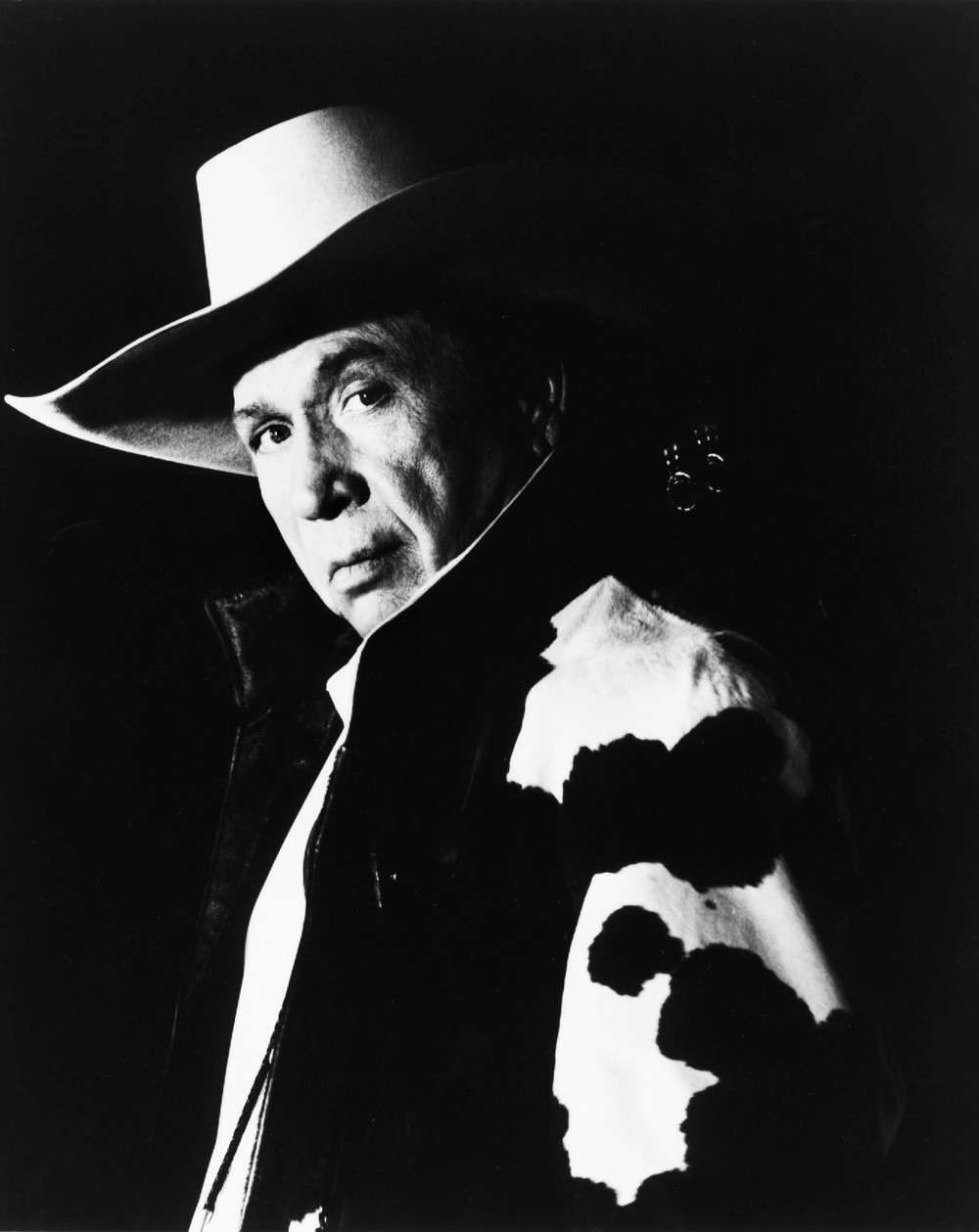
Buck Owens
Country
Bakersfield Sound
Honky Tonk
1
/5
Various Artists
Afro-Funk
Alternative Rock
Ambient
4
/5
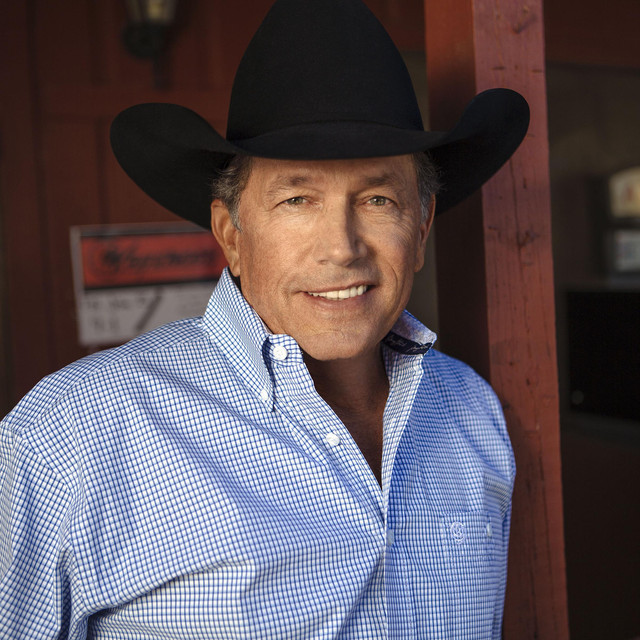
George Strait
Honky Tonk
Traditional Country
Country
4
/5
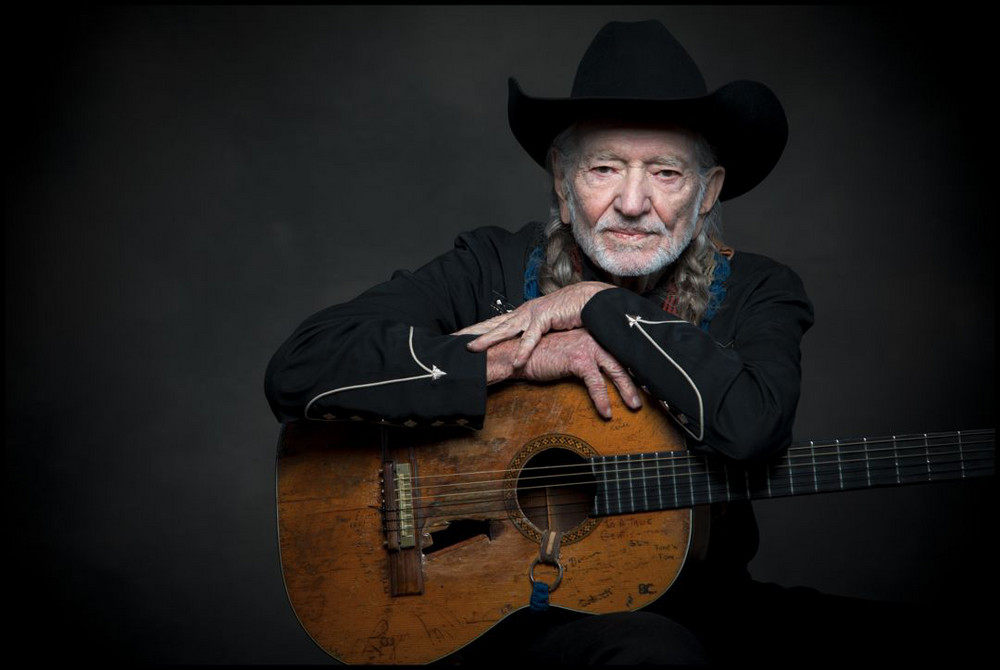
Willie Nelson
Country
Nashville Sound
Outlaw Country
4
/5
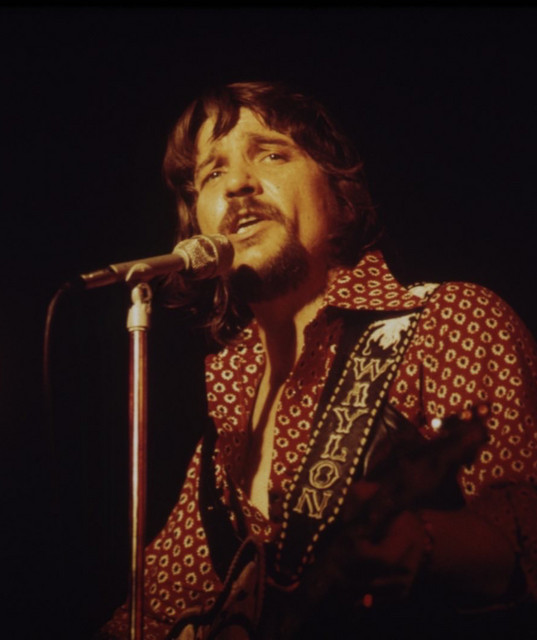
Waylon Jennings
Country
Outlaw Country
Honky Tonk
4
/5
George Jones
Country
Honky Tonk
Christian Country
4
/5
Conway Twitty
Country
Honky Tonk
Traditional Country
Download our mobile app
Get the Melodigging app and start digging for new genres on the go
Download on the App Store
Get it on Google Play
© 2026 Melodigging
Give feedback
Legal
Melodding was created as a tribute to
Every Noise at Once
, which inspired us to help curious minds keep digging into music's ever-evolving genres.