Genres
Artists
Albums
Make Music
Sign in
Sign in
Artists
Progressive Rock
Artists
Progressive Rock
Jeff Wayne
1978
·
1 album
Listen
3
/5
Genres
Channel Pop
Channel pop is a digital-era strain of mainstream pop shaped by video and creator platforms—especially YouTube and later TikTok and Instagram—where artists build audiences through frequent uploads on their own “channels.” Musically it favors intimate, highly polished but close-mic’d vocals, acoustic guitar or piano-led arrangements, restrained beats, and succinct, playlist-friendly structures. Many releases are cover-first (reimagining recent chart hits) with a steady flow of glossy singles, session-style performances, and creator collaborations that gradually blend into original material. Titles, artwork, and release cadence are optimized for search and recommendation algorithms, yielding a sound that is simultaneously personal and platform-aware.
Discover
Listen
Italo Beats
Italo beats is a contemporary, club-oriented offshoot of the classic Italian Italo sound, fusing the sleek melodicism of 1980s Italo disco with the punch and polish of modern European dance music. Typical tracks feature four-on-the-floor drums, bright synth leads, rubbery basslines, and hook-forward vocals that lean into romantic or nightlife themes. Rather than being a strict historical movement, Italo beats functions as a modern production style and DJ vernacular that revives Italo’s earworm melodies and neon textures while adopting current mixdown aesthetics (sidechained pads, wider stereo imaging, and festival-ready low end). It thrives in streaming-era dance culture, uniting Italian, Central/Eastern European, and broader EU producers around a recognizable “Italo-flavored” club sound.
Discover
Listen
Symphonic Prog
Symphonic prog (symphonic progressive rock) is a strand of progressive rock that adopts the scope, structure, and tonal palettes of Western classical music while retaining a rock band’s instrumentation and power. It is characterized by long, multi‑movement suites; recurring leitmotifs; dramatic dynamic shifts; and richly layered keyboard textures (Mellotron, Hammond organ, Minimoog). Arrangements often imitate orchestral writing through counterpoint, thematic development, and sectional contrast, with guitars and keyboards sharing lead roles much like orchestral sections. Lyrics tend toward literary, mythic, or philosophical themes, and the overall presentation emphasizes grandeur and narrative arc. The sound balances warmth and precision: crisp rhythm sections underpin harmonically sophisticated progressions, while symphonic voicings and choir‑like pads create an expansive, epic atmosphere.
Discover
Listen
Progressive Rock
Progressive rock is a rock subgenre that expands the genre’s formal, harmonic, and conceptual boundaries. It favors long-form compositions, intricate arrangements, and virtuosic musicianship, often drawing on Western classical, jazz, folk, and psychedelic idioms. Typical hallmarks include multi-part suites, shifting time signatures, extended instrumental passages, recurring motifs, and concept albums that present unified themes or narratives. The sound palette commonly features electric guitar, bass, and drums alongside an array of keyboards (Hammond organ, Mellotron, Moog/ARP synthesizers, piano), woodwinds or brass, and occasional orchestral additions. Lyrics often explore science fiction, mythology, philosophy, social commentary, and introspective themes.
Discover
Listen
Rock Opera
Rock opera is a narrative-driven form of rock music in which a sequence of songs tells a coherent story, often through distinct characters, recurring leitmotifs, and theatrical arcs. Unlike a loose concept album, a rock opera typically emphasizes plot, character development, and musical continuity, borrowing structural ideas from opera (overtures, reprises, arias/solos, and dramatic climaxes) while retaining the instrumentation, rhythms, and sonic vocabulary of rock. Works can exist as studio albums, staged productions, or films, and may range from guitar-centered ensembles to fully orchestrated scores with choirs and narration. The form emerged in the late 1960s with UK pioneers and grew alongside progressive and symphonic rock in the 1970s.
Discover
Listen
Symphonic Rock
Symphonic rock is a style of rock that integrates orchestral instrumentation, classical forms, and large‑scale arrangements into the core sound of a rock band. Typical timbres include strings, brass, woodwinds, choir, mellotron, Hammond organ, piano, and analog synthesizers supporting guitars, bass, and drums. The genre emphasizes grand, cinematic dynamics, thematic development, and harmonic richness drawn from Western classical music, while retaining the energy and songcraft of rock. It often overlaps with progressive rock, but places a particular focus on lush orchestration, romantic melodicism, and overtly symphonic textures—ranging from studio overdubs and mellotron layers to fully scored collaborations with symphony orchestras.
Discover
Listen
Drama
In music metadata and production‑music practice, “drama” denotes cue‑based underscore written to intensify narrative conflict, tension, and character emotion in plays, films, and television. It emphasizes pacing, dynamics, and leitmotivic development to mirror plot stakes rather than to function as a standalone song form. The label emerged from early cinema’s need for mood‑specific accompaniment and later solidified in library/production music catalogues for scripted TV and film. Typical palettes range from late‑Romantic orchestration to modern minimalist and hybrid electronic scoring, with cues spanning suspense, tragedy, revelation, and catharsis.
Discover
Listen
Electronic
Electronic is a broad umbrella genre defined by the primary use of electronically generated or electronically processed sound. It encompasses music made with synthesizers, drum machines, samplers, computers, and studio/tape techniques, as well as electroacoustic manipulation of recorded or synthetic sources. The genre ranges from academic and experimental traditions to popular and dance-oriented forms. While its sonic palette is rooted in electricity and circuitry, its aesthetics span minimal and textural explorations, structured song forms, and beat-driven club permutations. Electronic emphasizes sound design, timbre, and studio-as-instrument practices as much as melody and harmony.
Discover
Listen
Show all 8 genres
Albums
1978
2
/5
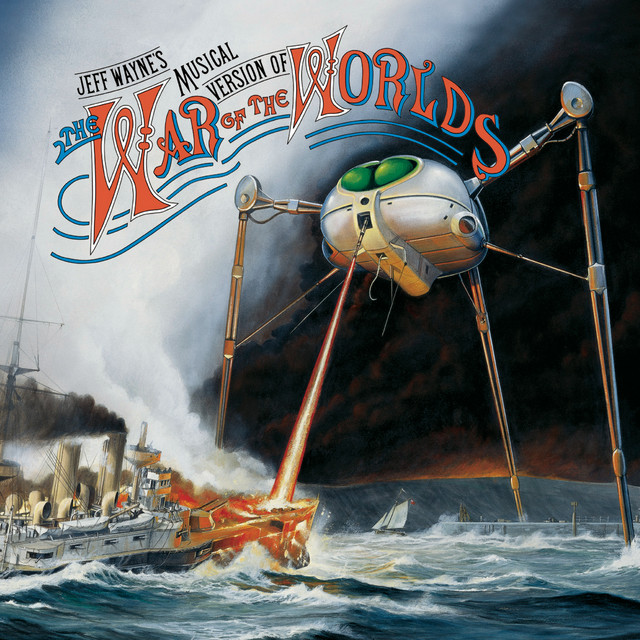
The War of the Worlds
Jeff Wayne
Symphonic Rock
Rock Opera
Symphonic Prog
Similar artists
4
/5
Genesis
Progressive Rock
Art Rock
Symphonic Rock
5
/5
Pink Floyd
Art Rock
Progressive Rock
Rock
4
/5
Yes
Progressive Rock
Art Rock
Rock
4
/5
King Crimson
Art Rock
Jazz Rock
Progressive Rock
2
/5
Neal Morse
Christian Rock
Progressive Rock
Contemporary Christian
3
/5
Camel
Progressive Rock
Art Rock
Krautrock
2
/5
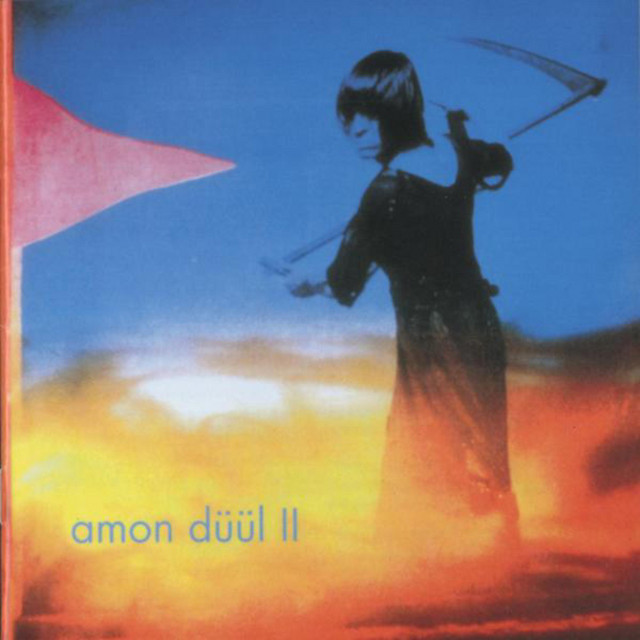
Amon Düül II
Krautrock
Progressive Rock
Rock
4
/5
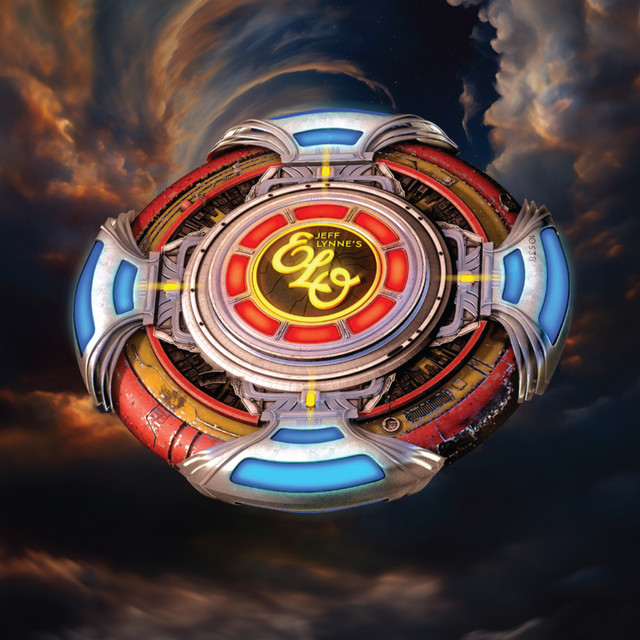
Electric Light Orchestra
Art Rock
Rock
Symphonic Rock
1
/5
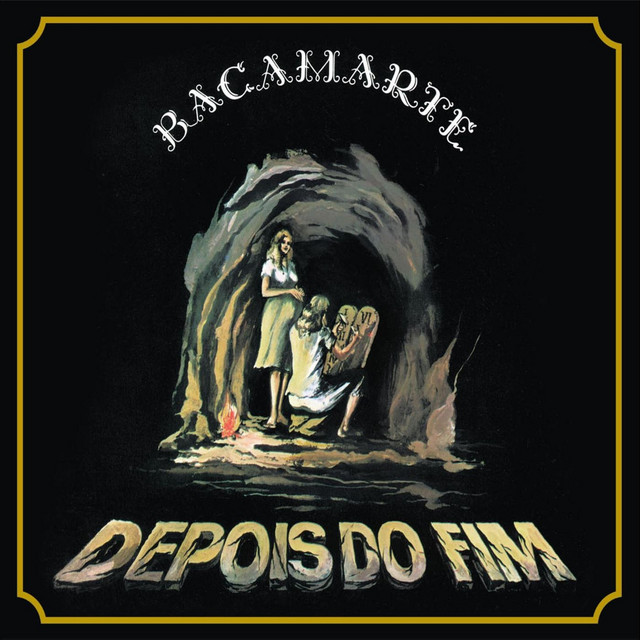
Bacamarte
Brazilian Rock
Progressive Rock
Rock
1
/5
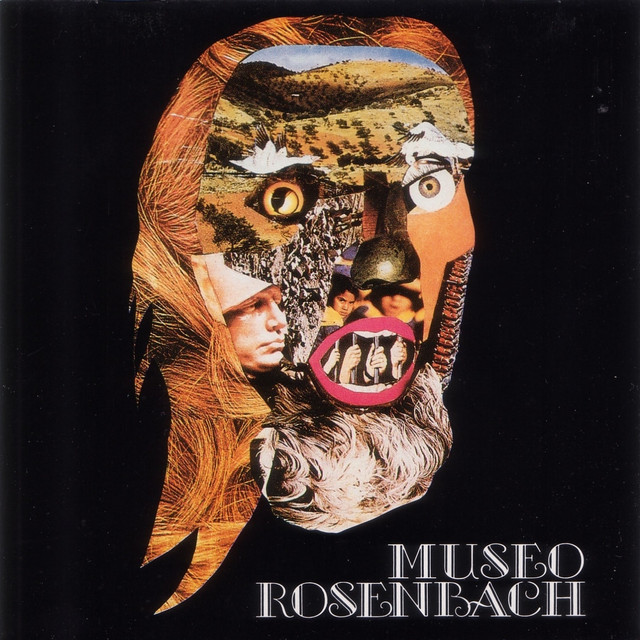
Museo Rosenbach
Progressive Rock
Rock
Symphonic Prog
Download our mobile app
Get the Melodigging app and start digging for new genres on the go
Download on the App Store
Get it on Google Play
© 2026 Melodigging
Give feedback
Legal
Melodding was created as a tribute to
Every Noise at Once
, which inspired us to help curious minds keep digging into music's ever-evolving genres.