Genres
Artists
Albums
Make Music
Sign in
Sign in
Artists
Bass Music
Artists
Bass Music
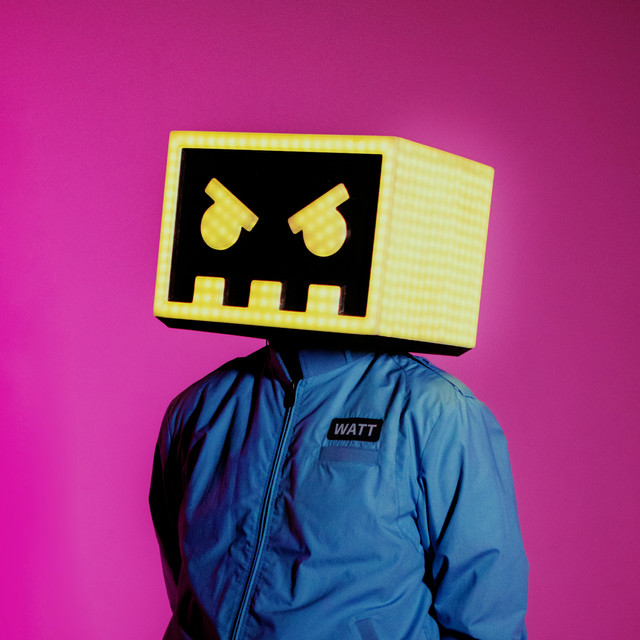
Jantsen
Listen
2
/5
Genres
Cinematic Dubstep
Cinematic dubstep is a hybrid of dubstep’s half‑time bass music and the sweep of film score writing. It layers colossal, trailer‑style sound design (impacts, risers, braaams) over orchestral textures—strings, brass, choirs, and big percussion—then delivers 140 BPM drops with growling basses and wide, atmospheric pads. Compared to standard brostep, it leans more narrative and emotive: introductions unfold like a cue from a movie, builds feel like a trailer climax, and breakdowns often return to piano, strings, or ambient soundscapes before a final, ‘act‑three’ drop. The result is music equally at home in esports intros, game/trailer sync, and festival stages.
Discover
Listen
Riddim Dubstep
Riddim dubstep is a minimalist, loop-driven branch of dubstep that emphasizes hypnotic repetition, half‑time drums, and lurching mid‑range bass motifs. Instead of flashy, constantly changing sound design, it focuses on a few tightly sculpted “wub” phrases that evolve through modulation, filtering, and subtle rhythmic variation. Rooted in UK sound‑system culture and the Jamaican concept of a reusable “riddim,” the style typically sits around 140 BPM, pairing a powerful sub with syncopated, percussive bass stabs. The overall feel is dark, bouncy, and relentlessly dance‑oriented—built for double‑drops, blends, and long DJ transitions on large rigs.
Discover
Listen
Tearout Brostep
Tearout brostep is a hyper-aggressive strain of brostep that emphasizes violently modulated midrange basses, high-impact drops, and rapid-fire switch‑ups. It typically runs at 140–150 BPM in half‑time, pairing chest‑punching snares with seismic subs and screeching or growling lead basses. Producers lean heavily on advanced wavetable/FMX sound design, serial resampling, multiband distortion, OTT-style compression, and tight sidechaining to create a wall of kinetic, metallic energy. Arrangements often feature cinematic intros, tension‑building risers, and whiplash-inducing call‑and‑response bass phrases designed for headbanging festival crowds.
Discover
Listen
Brostep
Brostep is a high-intensity, EDM-leaning strain of dubstep that foregrounds aggressively modulated midrange basses, dramatic builds, and arena-sized drops. Where classic UK dubstep emphasizes sub-bass weight, spaciousness, and dubwise minimalism, brostep shifts the focus to bright, distorted, and highly articulated bass sound design, often supported by festival-ready structures and glossy, loud mastering. Typical tempos sit around 140 BPM (often presented in half-time), with snare on beat 3, punchy kick patterns, and dense fills. Signature sounds include vowel/formant "talking" basses, metallic growls, comb-filtered screeches, and heavy multiband distortion, arranged in call-and-response riffs that drive the drop.
Discover
Listen
Dubstep Product
Dubstep product is a production/library music take on dubstep tailored for sync: trailers, esports broadcasts, gaming content, advertising, influencer videos, and broadcast bumpers. It takes the sound design, half‑time groove, and drop‑centric structures of UK/US dubstep (including brostep/tearout variants) and packages them into edit‑friendly cues with clean hit points, sting endings, alternate mixes, stems, and duration cuts (15/30/60 seconds). The result balances maximalist bass design with practical considerations for dialogue, sound effects, and branding overlays. Compared with club‑oriented dubstep, dubstep product favors punchy, readable arrangements, cinematic impacts, and clearly marked builds/drops that translate across headphones, TV speakers, and mobile devices.
Discover
Listen
Black Americana
Black Americana is a contemporary umbrella genre that centers Black artists within the traditions of Americana (roots-based U.S. music such as folk, country, blues, gospel, and soul). It often blends acoustic storytelling and roots instrumentation with Black musical lineages, highlighting themes of migration, labor, faith, resilience, love, and social justice. Rather than a single fixed sound, it is a scene and framing that reconnects “Americana” to its multiracial roots while pushing the style forward with modern production, R&B/soul phrasing, and genre-crossing songwriting.
Discover
Listen
Halftime Dnb
Halftime DnB is a bass-focused offshoot of drum and bass that retains DnB’s tempo (typically 170–174 BPM) but places the drums in a half-time grid, creating the feel of 85–87 BPM. The result is a spacious, head‑nod swing that blends the sound design intensity of DnB with the groove logic of hip hop and trap. Producers emphasize heavyweight sub lines, neuro-influenced bass design, and skeletal, syncopated drum patterns (kicks and 808s up front, snares landing hard on beat three). Texture and negative space are integral, with percussion details, foley, and minimal melodic fragments carrying the narrative. The style sits naturally between club systems and headphone listening, often occupying the same ecosystems as UK bass, the autonomic/leftfield DnB continuum, and the LA beat scene.
Discover
Listen
Psybass
Psybass (often written psy-bass) is a psychedelic bass-music style that blends the sound-design mentality of psytrance with the swagger and groove of modern bass genres. It typically runs at midtempo speeds, emphasizes hypnotic low-end movement, and layers kaleidoscopic textures over organic percussion and field recordings. Expect intricately modulated basslines, trippy FX, and elastic halftime rhythms. The mood ranges from shamanic and ceremonial to futuristic and glitchy, with arrangements that breathe—swelling from spacious, downtempo passages into dense, polyrhythmic climaxes. Tonally, psybass leans on modal and drone-like harmonies (Dorian, Phrygian, pentatonic colors) and often incorporates timbres from world instruments and nature recordings, while maintaining an unmistakably electronic, high-fidelity sheen.
Discover
Listen
Experimental Bass
Experimental bass is a left‑field branch of contemporary bass music that prioritizes sound design, unusual rhythms, and non‑standard song structures over traditional drops and formulas. Built on cavernous sub‑bass and halftime grooves, it pulls equally from dubstep’s low‑end weight, glitch hop’s cut‑up editing, and IDM’s exploratory mindset. Producers lean into resampling, granular and FM synthesis, spectral processing, and heavy use of space (silence, gating, and extreme dynamics) to craft ultra-detailed, often psychedelic textures. The result is bass music that feels tactile and three‑dimensional: lurching grooves, asymmetrical motifs, and cinematic soundscapes that reward close listening while still moving a dancefloor.
Discover
Listen
Hybrid Trap
Hybrid trap is an EDM subgenre that fuses Southern hip hop–derived trap rhythms and 808 low end with the sound-design intensity and drop-centric structure of dubstep and electro house. It typically runs at 75/150 BPM in a halftime feel, features skittering hi-hats and snare/clap hits on beat three, and pairs punchy 808 kick–sub combos with midrange growls, reese basses, screeches, and cinematic brass stabs. Producers lean heavily on modern synthesis, resampling, and aggressive processing (distortion, multiband compression, OTT) to craft dynamic, call-and-response drops suited to festival stages. Compared with “classic” EDM trap, hybrid trap places greater emphasis on dubstep-like bass design, complex fills, and theatrical builds, while retaining trap’s swaggering grooves and minimalistic, percussive motifs.
Discover
Listen
Neurostep
Neurostep is a hybrid subgenre that merges the sound‑design intensity of neurofunk drum & bass with the halftime groove and weight of dubstep. Typically sitting around 140 BPM (sometimes 150), it emphasizes intricate, constantly morphing bass timbres, razor‑edged transients, and tightly engineered drops. Compared to classic dubstep, neurostep is less about sparse wobble basses and more about complex, resampled, FM/phase‑modulated bass layers that evolve bar by bar. The drums are punchy and surgical—kicks carve through dense low‑end, snares land hard on the third beat, and ghosted percussion and glitch fills keep momentum between phrases. Its overall aesthetic is dark, technical, and cinematic: dystopian atmospheres, granular textures, and call‑and‑response bass motifs are common, while breakdowns often showcase sound‑design detail and tension before a precision‑engineered drop.
Discover
Listen
Trap Edm
Trap EDM (often called EDM trap) is a fusion of Southern U.S. hip hop trap rhythms with the build–up/drop architecture and sound design of electronic dance music. It typically runs at 140 BPM with a halftime feel (or 70–75 BPM), featuring 808 sub‑bass, crisp snare/clap on the third beat, rapid 1/16 to 1/32 hi‑hat rolls, brass or synth stabs, and big festival‑style drops. Unlike rap-oriented trap, Trap EDM is primarily instrumental and designed for large dance floors and festivals, emphasizing dramatic risers, tension–release dynamics, and heavy low‑end impact.
Discover
Listen
Dubstep
Dubstep is a bass‑centric electronic dance music genre that emerged in South London in the early 2000s. It is typically around 140 BPM and is defined by a half‑time rhythmic feel, sub‑heavy basslines, sparse yet impactful drums, and a strong emphasis on space, tension, and sound system weight. Hallmark traits include syncopated kick patterns, snares on the third beat of the bar, swung/shuffly hi‑hats inherited from UK garage, and modulated low‑frequency bass (“wobbles”) shaped with LFOs, filters, and distortion. Influences from dub reggae (echo, delay, and minimalism), jungle/drum & bass (bass science and sound system culture), and 2‑step garage (rhythmic swing and shuffles) are central. The style ranges from deep, meditative “dub” aesthetics (often called deep dubstep) to more aggressive, midrange‑driven variants that later informed brostep and festival bass. Atmosphere, negative space, and subwoofer translation are as important as melody or harmony.
Discover
Listen
Filthstep
Filthstep is an especially abrasive, high-impact strain of dubstep that emphasizes snarling mid‑range basses, extreme distortion, and hyperactive modulation. Sitting between UK dubstep’s half‑time lurch and the North American “brostep” festival push, filthstep typically runs at 140 BPM, using half‑time drum grids, machine‑gun bass phrases, metallic FM growls, screeching reese variations, and aggressive edits. Sound design is the star: producers sculpt layered wavetables and resampled bass hits through OTT compression, waveshaping, comb filtering, and rapid LFO automation to achieve a deliberately “dirty” or “filthy” texture. While often used informally as a scene term, filthstep marks a recognizable aesthetic—maximalist drops, call‑and‑response bass riffs, cinematic/horror stabs, and crowd‑igniting switch‑ups—optimized for club systems and large festival rigs.
Discover
Listen
Bass Music
Bass music is an umbrella category that emphasizes heavy, foregrounded low‑frequency content—whether a booming kick drum, a sub‑bassline, or both. It spans electronic dance music and hip hop lineages from the 1980s onward and is less about one fixed rhythm than about putting the bass spectrum at the center of the mix. Producers typically sculpt the bass using synthesizers, samplers, and drum machines—famously the Roland TR‑808—along with modern soft synths and sub‑enhancement tools. Because it is a broad label, bass music can range from half‑time hip hop swing to four‑on‑the‑floor house pulses and breakbeat frameworks, but in every case the arrangement, sound design, and mix are built to make the low end the driving force.
Discover
Listen
Show all 15 genres
Similar artists
3
/5
BARELY ALIVE
Filthstep
Briddim
Gaming Dubstep
2
/5
12th Planet
Filthstep
Bass Music
Deathstep
2
/5
FuntCase
Bass Music
Deathstep
Dub
3
/5
Virtual Riot
Dubstep
Bass Music
Complextro
3
/5
Caspa
Bass Music
Dub
Dubstep
4
/5
Subtronics
Bass Music
Deathstep
Dub
3
/5
Excision
Dubstep
Brostep
Electronic
3
/5
Wooli
Bass Music
Deathstep
Future Bass
3
/5
Sullivan King
Tearout Brostep
Dubstep
Brostep
3
/5
Getter
Dubstep
Cinematic Dubstep
Deathstep
Download our mobile app
Get the Melodigging app and start digging for new genres on the go
Download on the App Store
Get it on Google Play
© 2026 Melodigging
Give feedback
Legal
Melodding was created as a tribute to
Every Noise at Once
, which inspired us to help curious minds keep digging into music's ever-evolving genres.