Genres
Artists
Albums
Make Music
Sign in
Sign in
Artists
Folclor Andino
Artists
Folclor Andino
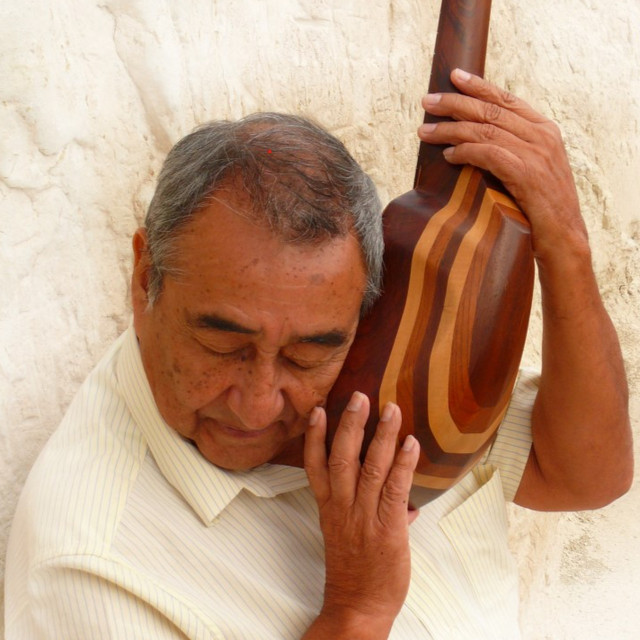
Jaime Torres
2007
·
2 albums
Listen
2
/5
Genres
Andean New Age
Andean new age is a meditative, atmospheric fusion of traditional Andean music with the tranquil textures and spacious production of the New Age movement. Characteristic timbres include quena (end-blown flute), zampoña/panpipes, charango, and bombo legüero, woven together with synthesizers, airy pads, soft percussion, and reverb-rich spaces. Melodies often draw on pentatonic and modal materials common to Andean traditions, but are arranged in slow-to-mid tempos with sustained drones and gentle ostinati that emphasize relaxation and contemplation. The result is music that evokes mountain vistas and pre-Columbian heritage while embracing contemporary studio aesthetics, making it at home in both world-music contexts and wellness, yoga, and ambient listening settings.
Discover
Listen
Folclor Andino
Folclor andino is the pan‑regional folk music of the Andean highlands, shaped by Indigenous Quechua and Aymara traditions and later mestizo influences. It centers on wind instruments such as quena (notched flute) and zampoña/siku (panpipes), the small 10‑string charango, guitar, and deep hand‑drummed bombos, producing bright timbres over earthy rhythms. Melodically it favors pentatonic and natural minor (Aeolian/Dorian) scales, parallel thirds, antiphonal hocketing between panpipe parts, and cyclical ostinatos. Repertoire often draws from regional forms like huayno, yaraví, carnavalito, and related highland dances, with lyrics that invoke the mountains, Pachamama (Mother Earth), love, migration, and social realities. As a modern stage and recording genre, folclor andino coalesced mid‑20th century when urban ensembles standardized instrumentation and performance, later intersecting with nueva canción’s socially engaged aesthetics and spreading globally through tours and world‑music circuits.
Discover
Listen
Conjunto Andino
Conjunto andino refers to the modern Andean folk ensemble format that crystallized in urban centers of the Central Andes during the 1960s and 1970s. Typical groups feature panpipes (zampoña/siku), end-blown flutes (quena), the small re-entrant lute charango, nylon- or steel-string guitar, bombo legüero or caja (drums), and occasional instruments like kena kena, ronroco, bandurria, and Andean harp. While rooted in Indigenous Quechua and Aymara musical traditions such as huayno, carnavalito, and sikuri panpipe music, the conjunto format standardized arrangements for stage performance and recording, blending rural repertories with urban harmony and song structures. The result is a recognizable acoustic sound marked by interlocking panpipe lines, bright charango strums, modal/pentatonic melodies, and dance-oriented rhythms.
Discover
Listen
Folklore Argentino
Folklore argentino (música folklórica argentina) is the umbrella term for Argentina’s regional traditional music and song. It gathers styles such as chacarera and zamba from the Northwest, chamamé and rasguido doble from the Litoral, cueca and tonada cuyana from Cuyo, malambo and milonga pampeana from the Pampas, vidala and baguala from the Andean northwest, and many more. While its roots stretch back to the colonial era and to indigenous traditions, the genre crystallized as a modern national repertoire during the mid‑20th‑century folkloric boom. It is marked by guitar-based accompaniment (rasgueado strumming), bombo legüero drum pulses, rich vocal traditions (solo and choral), and dance forms in compound meters with characteristic hemiolas. Themes often evoke the land, the gaucho, love and longing, community festivities, indigenous memory, and social justice.
Discover
Listen
Tango
Tango is a song-and-dance music from the Río de la Plata region, crystallizing in Buenos Aires (Argentina) and Montevideo (Uruguay) in the late 19th century. It is characterized by a melancholic, dramatic tone; richly expressive melodies; and a distinctive rhythmic feel rooted in the habanera and milonga. Core ensembles feature bandoneón, violin(s), piano, double bass, and sometimes guitar, forming the famed orquesta típica. Across the 1920s–1950s it became a worldwide craze, moving from rough immigrant bars to grand salons and radio, developing highly sophisticated arranging and performance practices. Lyrics often employ lunfardo (Buenos Aires slang) and dwell on urban nostalgia, love, betrayal, and the neighborhood (el barrio). Note on terminology: in flamenco, “tangos” is a distinct palo (song form) with a lively 4/4 compás, often in A Phrygian, closely related in feeling to rumba flamenca. Although it shares the name and a spirited character, flamenco tangos is a different tradition from the Río de la Plata tango described above.
Discover
Listen
Albums
2007
2
/5
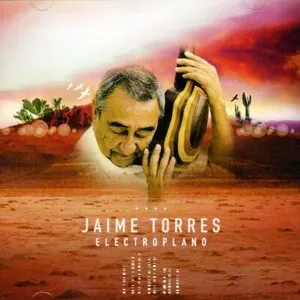
Electroplano
Jaime Torres
Andean New Age
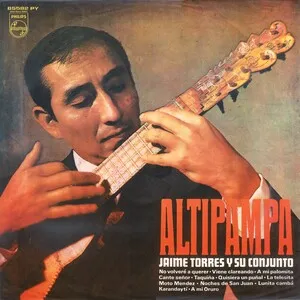
Altipampa
Jaime Torres
Conjunto Andino
Similar artists
3
/5
Ariel Ramírez
Argentine Music
Folclor Andino
Folklore Argentino
3
/5
Atahualpa Yupanqui
Nuevo Cancionero
Argentine Music
Milonga
4
/5
Mercedes Sosa
Nueva Canción
Argentine Music
Nuevo Cancionero
3
/5
Los Nocheros
Chamamé
Folclor Andino
Folklore Argentino
3
/5
Los Chalchaleros
Zamba
Chamamé
Chacarera
3
/5
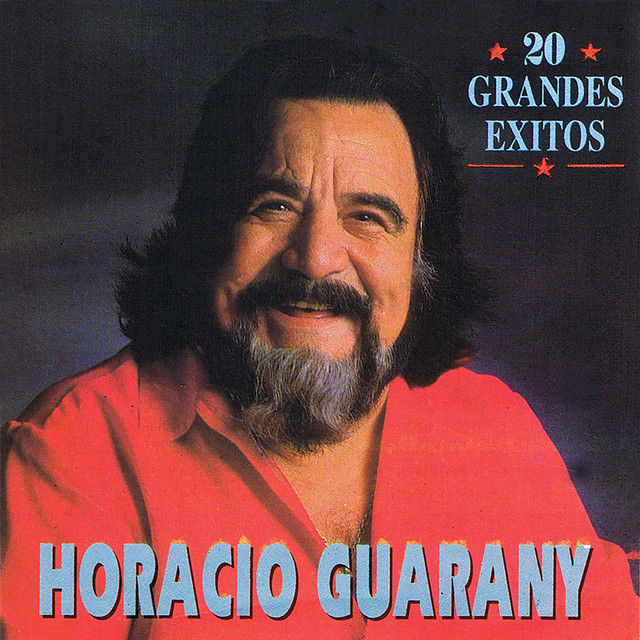
Horacio Guarany
Folklore Argentino
Chacarera
Chamamé
3
/5
AHYRE
Chamamé
Folclor Andino
Folklore Argentino
3
/5
Los Tekis
Chamamé
Folclor Andino
Folklore Argentino
3
/5
Cacho Castaña
Tango
Cuarteto
Folklore Argentino
3
/5
Victor Heredia
Nueva Canción
Argentine Rock
Folclor Andino
Download our mobile app
Get the Melodigging app and start digging for new genres on the go
Download on the App Store
Get it on Google Play
© 2026 Melodigging
Give feedback
Legal
Melodding was created as a tribute to
Every Noise at Once
, which inspired us to help curious minds keep digging into music's ever-evolving genres.