Genres
Artists
Albums
Make Music
Sign in
Sign in
Artists
Avant-Garde
Artists
Avant-Garde
Ikue Mori
Listen
1
/5
Genres
Laboratorio
Laboratorio is a Brazilian micro‑scene within contemporary hip hop that coalesced around artist‑run collectives and label ecosystems (most visibly Laboratório Fantasma). It blends boom‑bap and modern trap sensibilities with MPB, samba, and neo‑soul harmony, placing lyricism and social commentary at the core. The sound is defined by sample‑friendly, groove‑rich beats, live percussion drawn from Afro‑Brazilian traditions, and melodic hooks that often nod to MPB and samba‑soul. Artists use Portuguese lyricism to address race, class, identity, and everyday life, pairing incisive bars with warm, humanized production and frequent collaborations across rap, R&B, and pop.
Discover
Listen
Modern Classical
Modern classical is a contemporary strand of instrumental music that applies classical composition techniques to intimate, cinematic settings. It typically foregrounds piano and strings, is sparsely orchestrated, and embraces ambience, repetition, and timbral detail. Rather than the academic modernism of the early 20th century, modern classical as used today refers to accessible, mood-driven works that sit between classical, ambient, and film music. Felt pianos, close‑miked string quartets, tape hiss, drones, soft electronics, and minimal harmonic movement are common, producing a contemplative, emotionally direct sound that translates well to headphones, streaming playlists, and screen media.
Discover
Listen
Glitch
Glitch is an experimental electronic music genre that foregrounds the sounds of technological error—digital clicks, pops, clipping, buffer underruns, CD skipping, software crashes, and bit‑reduction. Rather than hiding artifacts, producers use them as primary musical material, often arranged through extreme micro‑editing and non‑linear sequencing. Texturally, glitch spans austere minimalism to warm, hazy ambience. Rhythms tend to be fragmented and asymmetrical, with sudden cuts, stutters, and silences that create tension and negative space. The palette commonly includes sine‑tone grains, granular clouds, filtered noise, and hyper‑detailed percussive fragments, sometimes sitting over subdued drones or dub‑inflected low end. The style emerged in the late 1990s around labels such as Mille Plateaux, influenced by IDM, minimal techno, and the aesthetics of failure in digital media. It later permeated pop and beat‑driven styles through sound‑design techniques that evoke imperfection and transience.
Discover
Listen
Free Improvisation
Free improvisation is a practice of spontaneous music-making that avoids fixed idioms, stylistic templates, and pre-agreed structures. Musicians prioritize listening, interaction, and the exploration of sound itself—timbre, texture, dynamics, and silence—over conventional melody, harmony, or pulse. Guitarist Derek Bailey popularized the notion of "non-idiomatic improvisation," describing a music that deliberately resists falling into recognizable genre habits. While often overlapping with free jazz and contemporary classical experimentalism, free improvisation is not confined to either. It welcomes any instrument or sound source—acoustic, electronic, or everyday objects—and frequently uses extended techniques, feedback, and unconventional performance gestures. Performances can range from whisper-quiet, pointillistic interplay to ferocious, high-energy noise, with the ensemble shaping form in real time through attention and constraint.
Discover
Listen
Experimental
Experimental music is an umbrella term for practices that prioritize exploration, process, and discovery over adherence to established genre norms. It embraces new sound sources, nonstandard tuning systems, indeterminacy and chance operations, graphic and open-form scores, extended techniques, and technology-led sound design (tape, electronics, computers, and live processing). Rather than a single style, it is a methodology and ethos: testing hypotheses about sound, structure, and performance, often blurring boundaries between composition, improvisation, sound art, and performance art. Listeners can expect unfamiliar timbres, unusual forms, and an emphasis on how music is made as much as the resulting sound.
Discover
Listen
Free Jazz
Free jazz is a radical branch of jazz that rejects fixed chord progressions, strict meter, and conventional song forms in favor of collective improvisation, textural exploration, and spontaneous interaction. Musicians prioritize timbre, dynamics, and gesture as much as pitch and harmony, often using extended techniques (multiphonics, overblowing, prepared piano) and unconventional sounds. While rooted in the blues and earlier jazz vocabularies, free jazz frees improvisers from pre-set harmonic cycles, allowing lines to unfold over tonal centers, shifting modes, drones, or complete atonality. Rhythm sections may float without a steady pulse, or drive with layered polyrhythms and “energy playing.” The result ranges from contemplative soundscapes to cathartic, high-intensity eruptions. Culturally, the genre intersected with the civil rights era and broader avant-garde movements, emphasizing autonomy, community, and new possibilities for musical expression.
Discover
Listen
Electroacoustic
Electroacoustic music is a broad art-music tradition that integrates recorded acoustic sound and electronically generated or processed sound into coherent musical works. It privileges timbre, gesture, texture, and spatialization over conventional melody-and-harmony song forms, often employing tape manipulation, synthesis, live electronics, and computer-based signal processing. Works are frequently composed for fixed media (stereo or multichannel loudspeakers) and may also involve live performers who are transformed in real time. Concert presentation typically emphasizes spatial diffusion and immersive listening, and the repertoire spans concert works, radio pieces, installations, and soundscape compositions.
Discover
Listen
Avant-Garde
Avant-garde music is an umbrella term for boundary-pushing practices that challenge prevailing norms of harmony, rhythm, timbre, form, and performance. It privileges experimentation, conceptual rigor, and a willingness to reframe what counts as music at all. Historically tied to early 20th‑century artistic modernism, avant-garde music introduced atonality, the emancipation of noise, and new forms of notation and process. It embraces indeterminacy, extended techniques, electronics, spatialization, and multimedia performance, treating sound as material to be sculpted, questioned, and reinvented.
Discover
Listen
Chamber Music
Chamber music is a tradition of composed music for small ensembles—typically one player per part—intended for intimate spaces such as courts, salons, and private rooms rather than large public halls. Its aesthetic emphasizes clarity of texture, conversational interplay among parts, and balance without a conductor. Hallmark formations include the string quartet, piano trio, wind quintet, string quintet, and various mixed ensembles. Multi‑movement cycles (often in sonata form) and finely wrought counterpoint are common, ranging from Baroque trio sonatas to Classical string quartets and modern works with expanded timbres and techniques. Because of its scale and transparency, chamber music has long been a proving ground for compositional craft and ensemble musicianship, shaping the core of Western art music from the Baroque through the present.
Discover
Listen
Show all 9 genres
Similar artists
1
/5
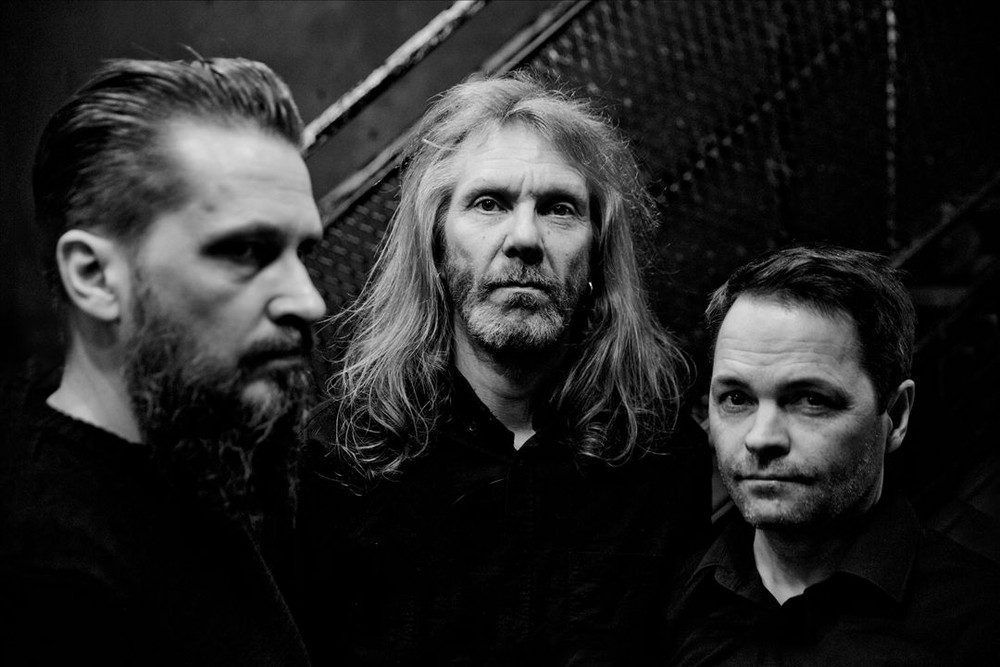
Supersilent
Experimental
Electronic
Avant-Garde
1
/5
Keith Rowe
Avant-Garde
Drone
Experimental
1
/5
Various Artists
Soundtrack
Afro-Funk
Alternative Rock
2
/5
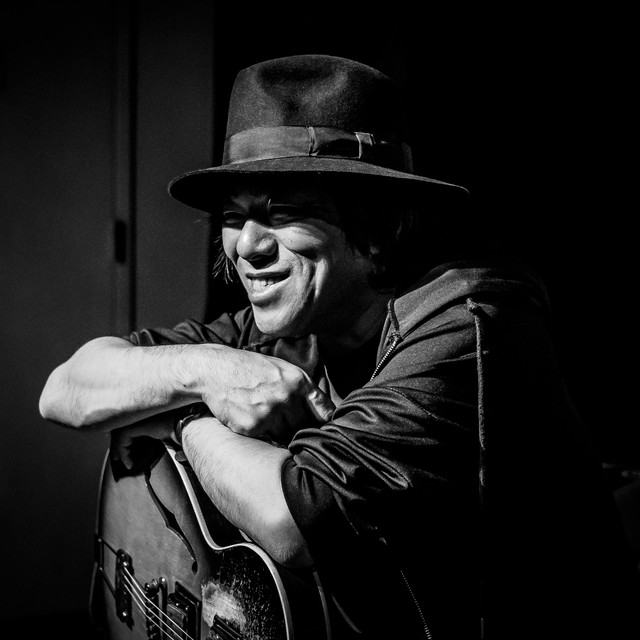
Marc Ribot
Experimental
Afro-Cuban Jazz
Avant-Garde
2
/5
Otomo Yoshihide
Experimental
Avant-Garde
Eai
1
/5
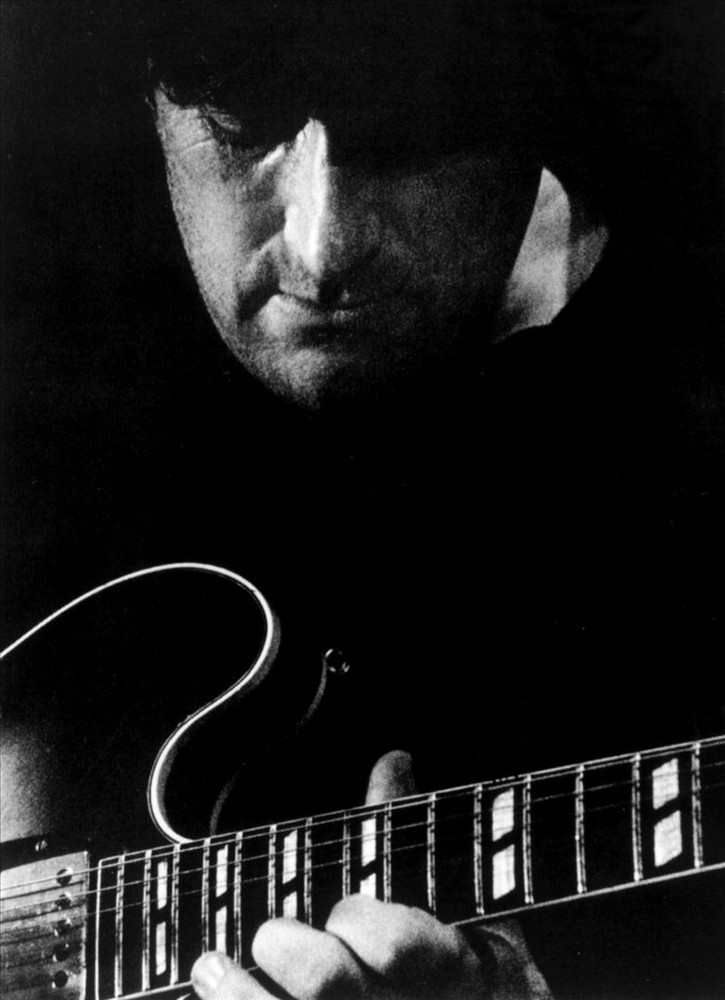
Fred Frith
Free Improvisation
Avant-Garde
Experimental
1
/5
Keiji Haino
Japanoise
Noise
Avant-Garde
1
/5
John Zorn
Avant-Garde Jazz
Free Improvisation
Jazz
1
/5
Derek Bailey
Free Improvisation
Jazz
Avant-Garde
1
/5
Rhodri Davies
Free Improvisation
Drone
Experimental
Download our mobile app
Get the Melodigging app and start digging for new genres on the go
Download on the App Store
Get it on Google Play
© 2026 Melodigging
Give feedback
Legal
Melodding was created as a tribute to
Every Noise at Once
, which inspired us to help curious minds keep digging into music's ever-evolving genres.