Genres
Artists
Albums
Make Music
Sign in
Sign in
Artists
Yugoslav New Wave
Artists
Yugoslav New Wave
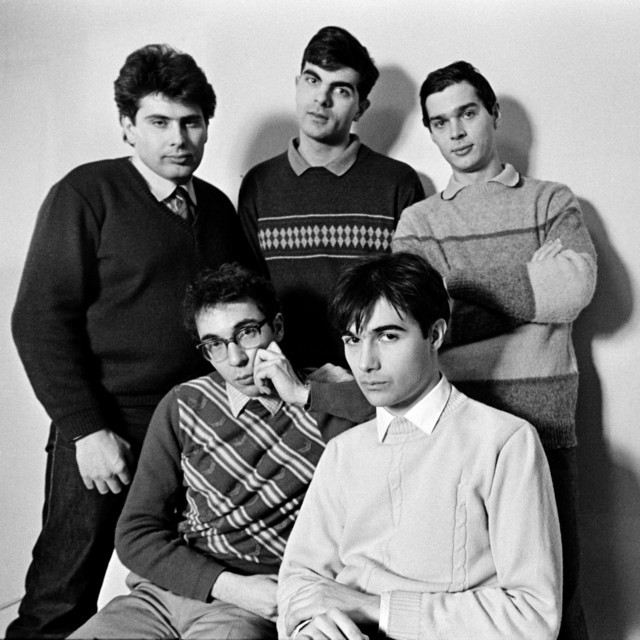
Idoli
1981–2014
·
4 albums
Listen
2
/5
Genres
Yugoslav New Wave
Yugoslav new wave (Novi val) was a regional variant of the global new wave and post‑punk movement that took shape at the turn of the 1980s in the Socialist Federal Republic of Yugoslavia. It blended punk’s immediacy with art‑school experimentation, minimalist synth textures, reggae/ska rhythm accents, and sharp, irony‑laced lyrics. Centered around the scenes in Zagreb, Belgrade, Ljubljana, and Sarajevo, the movement benefitted from Yugoslavia’s comparatively open cultural policy within socialist Europe, active youth media, and strong domestic labels. The result was a vibrant, modern pop/rock language that was both cosmopolitan and distinctly local, capturing urban life, humor, and social commentary in Serbo‑Croatian and Slovenian.
Discover
Listen
New Wave
New wave is a broad, pop-oriented umbrella for styles that emerged in the mid-to-late 1970s as a sleeker, more melodic outgrowth of punk culture. Initially, the term varied by region: in the United States it was first used by critics and labels (famously Sire Records’ “Don’t Call It Punk” campaign in 1977) to rebrand punk-associated artists with more radio-friendly aesthetics; in the United Kingdom it encompassed a wider constellation of fresh, stylish post-punk-era sounds. Over time, “new wave” became a catch‑all for hooky guitar pop, synth-driven songs, danceable rhythms, and modernist production sensibilities. Sonically, it blends tight, upbeat rhythms (often disco- and reggae-informed), clean chorus/flanger guitars, prominent synthesizers, and concise, hook-led songwriting. Its visual identity—sharp suits, futurist imagery, and fashion-forward presentation—was integral, aligning with the rise of music television and emphasizing art-school wit, irony, and modern urban themes.
Discover
Listen
Post-Punk
Post-punk is a broadly experimental strain of rock that emerged in the late 1970s as artists sought to push beyond the speed, simplicity, and orthodoxy of first-wave punk. It typically features angular, bass-forward grooves; jagged or minimal guitar lines; stark, spacious production; and an openness to dub, funk, electronic, and avant-garde ideas. Lyrics often examine alienation, urban decay, politics, and the inner life with artful or abstract delivery. A studio-as-instrument approach, emphasis on rhythm section interplay, and an appetite for non-rock textures (tape effects, drum machines, found sound, synths) distinguish the style. The result can be danceable yet tense, cerebral yet visceral, and emotionally restrained yet intensely expressive.
Discover
Listen
Rock
Rock is a broad family of popular music centered on amplified instruments, a strong backbeat, and song forms that foreground riffs, choruses, and anthemic hooks. Emerging from mid‑20th‑century American styles like rhythm & blues, country, and gospel-inflected rock and roll, rock quickly expanded in scope—absorbing folk, blues, and psychedelic ideas—while shaping global youth culture. Core sonic markers include electric guitar (often overdriven), electric bass, drum kit emphasizing beats 2 and 4, and emotive lead vocals. Rock songs commonly use verse–chorus structures, blues-derived harmony, and memorable melodic motifs, ranging from intimate ballads to high‑energy, stadium‑sized performances.
Discover
Listen
Rock And Roll
Rock and roll is a high-energy, dance-oriented popular music style that emerged in the United States in the early-to-mid 1950s. It fuses the 12‑bar blues and boogie‑woogie with the backbeat and instrumentation of rhythm & blues, the twang and storytelling of country, and the fervor of gospel. Its hallmark sound centers on a strong backbeat (accented on beats 2 and 4), driving rhythm sections, electric guitar riffs, prominent piano or saxophone leads, and catchy, chorus-forward songwriting. Typical harmonies revolve around I–IV–V progressions, often in 12-bar form, with swung or shuffle feels and punchy turnarounds. Culturally, rock and roll catalyzed a youth movement linked to dancing, teen identity, and social change. It bridged racial audiences by popularizing Black American musical traditions for mainstream listeners, and it laid the foundation for subsequent rock styles and much of modern pop.
Discover
Listen
Albums
2014
2
/5
Original Album Collection
Idoli
Yugoslav New Wave
New Wave
Post-Punk
1983
1
/5
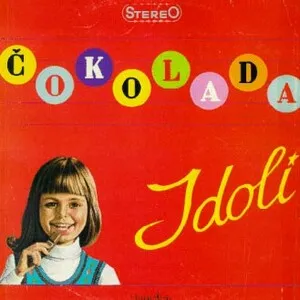
Čokolada
Idoli
Yugoslav New Wave
1982
1
/5
Odbrana i poslednji dani Одбрана и последњи дани
Идоли
Yugoslav New Wave
New Wave
Post-Punk
1981
3
/5
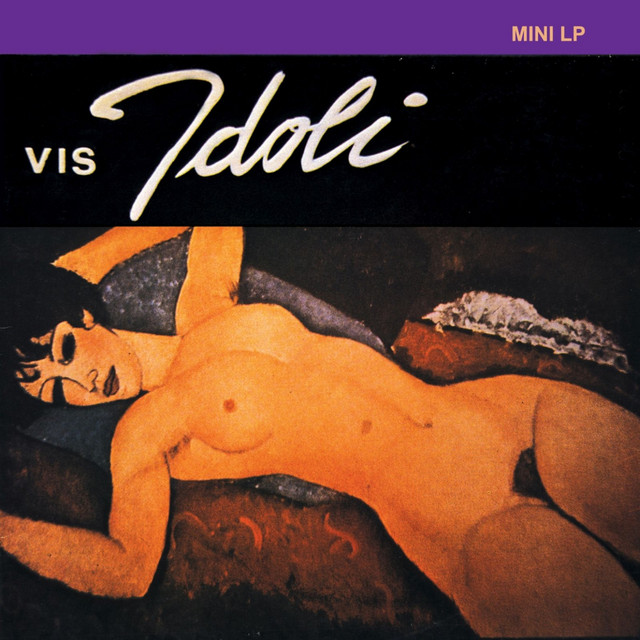
Mini Lp
Idoli
Yugoslav New Wave
New Wave
Rock
Similar artists
1
/5
Various Artists
Afro-Funk
Alternative Rock
Ambient
1
/5
Šarlo Akrobata
New Wave
Post-Punk
Rock
1
/5
Razni Izvođači
Croatian Folk Music
Istrian Folk Music
New Wave
5
/5
The Cure
Gothic Rock
Post-Punk
New Wave
4
/5
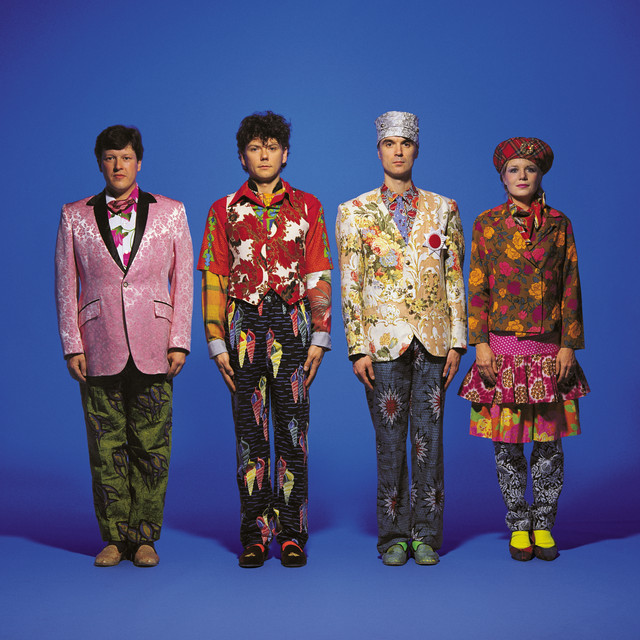
Talking Heads
Art Punk
New Wave
Post-Punk
4
/5
Kino
Post-Punk
Leningrad Rock Club Scene
New Wave
4
/5
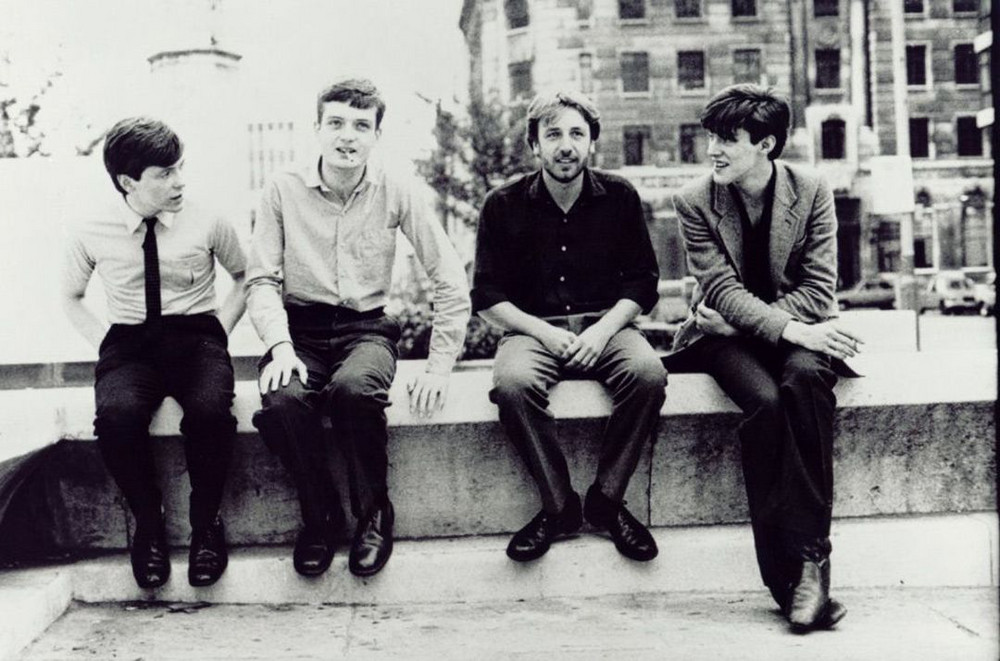
Joy Division
Gothic Rock
Post-Punk
Madchester
3
/5
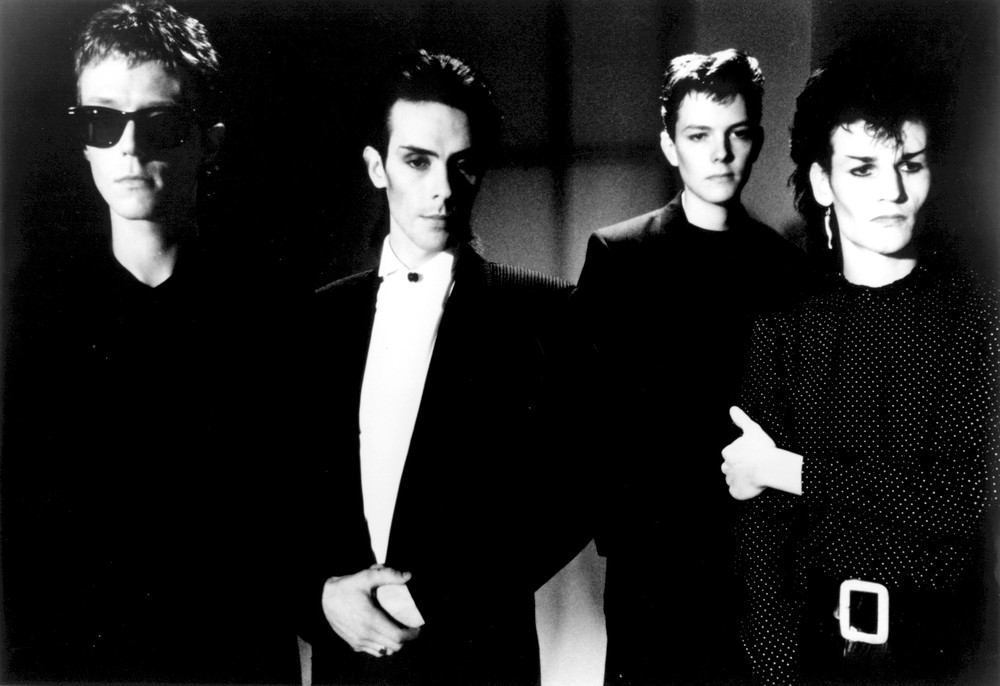
Bauhaus
Dark Wave
Post-Punk
Gothic Rock
3
/5
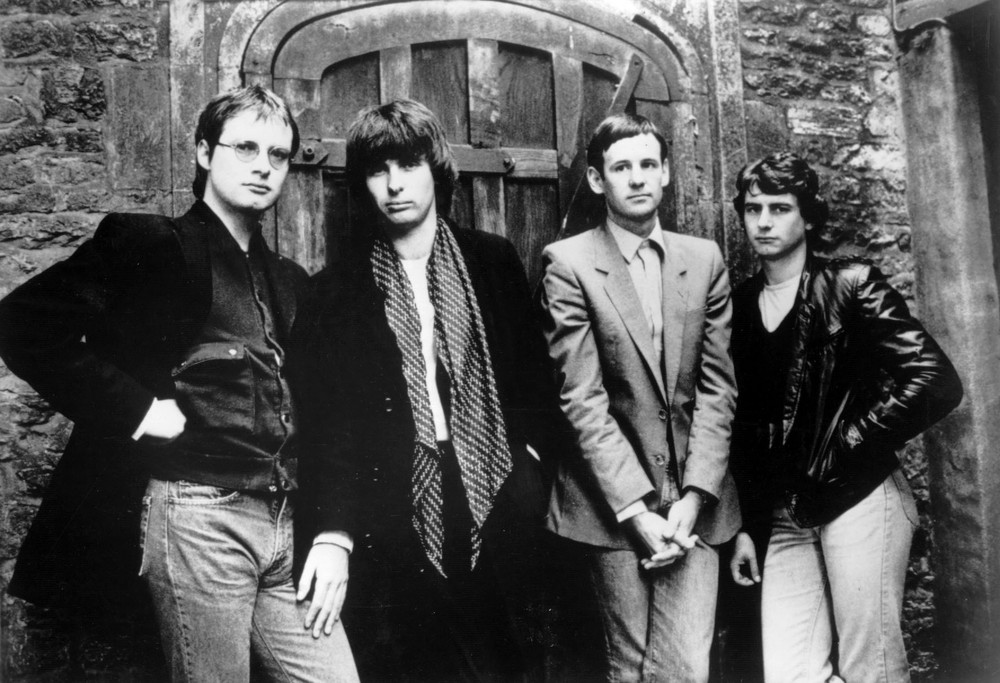
XTC
New Wave
Post-Punk
Rock
3
/5
Killing Joke
Industrial Rock
Industrial
Post-Punk
Download our mobile app
Get the Melodigging app and start digging for new genres on the go
Download on the App Store
Get it on Google Play
© 2026 Melodigging
Give feedback
Legal
Melodding was created as a tribute to
Every Noise at Once
, which inspired us to help curious minds keep digging into music's ever-evolving genres.