Genres
Artists
Albums
Make Music
Sign in
Sign in
Artists
Polka
Artists
Polka
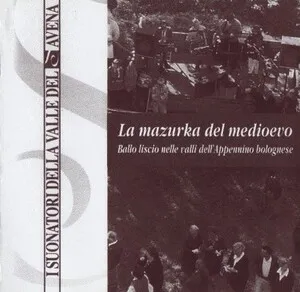
I Suonatori della Valle del Savena
2002
·
1 album
Listen
1
/5
Genres
Liscio
Liscio is a traditional Italian ballroom dance music style that crystallized in Emilia–Romagna, especially in Romagna, in the mid-20th century. The term "liscio" ("smooth") refers to the fluid, gliding quality of partner dancing associated with the genre. Its core repertoire is built on European social-dance forms—waltz (valzer), polka, and mazurka—interpreted with a distinctly Romagnolo flavor. Typical ensembles feature violin and clarinet (or saxophone) supported by accordion, guitar, double bass or bass guitar, and drums, often with a lead singer performing in Italian or the local Romagnolo dialect. Liscio is made for community dancing in balere (dance halls), village fêtes (sagre), and social gatherings. Melodies are tuneful and memorable, harmonies are mostly diatonic and functional, and arrangements emphasize a steady, danceable pulse with a warm, festive atmosphere.
Discover
Listen
Polka
Polka is a lively Central European couple dance and musical style in a brisk 2/4 meter, characterized by its buoyant “oom‑pah” bass-chord accompaniment and bright, diatonic melodies. Originating in Bohemia (today’s Czech Republic) in the early 19th century, it quickly became a pan-European craze before taking root across immigrant communities in the Americas. Ensembles typically feature accordion or button box/concertina, clarinet or saxophone, trumpets/trombone, tuba or string bass, and drum kit, with regional variants highlighting different lead voices and rhythmic feels. While the classical ballroom tradition codified polka into formal strains (often AABB with a contrasting trio), folk and popular styles favor singable tunes, simple I–IV–V harmonies, and tempos commonly around 115–135 BPM, inviting upbeat social dancing and communal celebration.
Discover
Listen
Mazurka
The mazurka is a Polish folk dance and musical genre in triple meter, characterized by strong accents on the second or third beat and by distinctive dotted and syncopated rhythms. It originated in the Mazovia region of Poland and became both a social dance and an instrumental idiom. In the 19th century the mazurka moved from village floors to European salons and concert halls, where composers—most famously Frédéric Chopin—transformed it into a refined art-music genre while preserving its rustic rhythmic markers and modal colorings. Today, the mazurka exists as a living folk dance tradition and as a classical piano form, emblematic of Polish musical identity.
Discover
Listen
Albums
2002
1
/5
La mazurka del medioevo
I Suonatori della Valle del Savena
Liscio
Mazurka
Similar artists
2
/5
Raoul Casadei
Canzone Napoletana
Liscio
Polka
1
/5
Secondo Casadei
Polka
Liscio
1
/5
Janusz Prusinowski Trio
Folk
Polka
Traditional Folk
4
/5
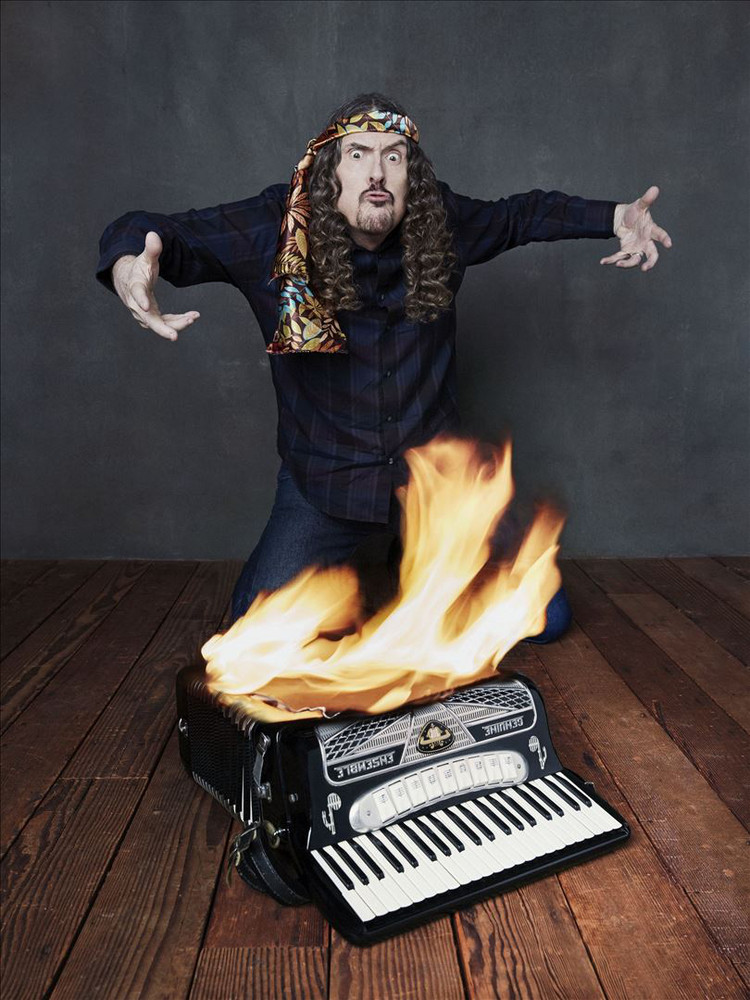
"Weird Al" Yankovic
Comedy
Comedy Rock
Polka
3
/5
James Last
Polka
Big Band
Easy Listening
3
/5
POLKADOT STINGRAY
Polka
Isekai
J-Pop
3
/5
Refugio De Amor
Polka
Cumbia
3
/5
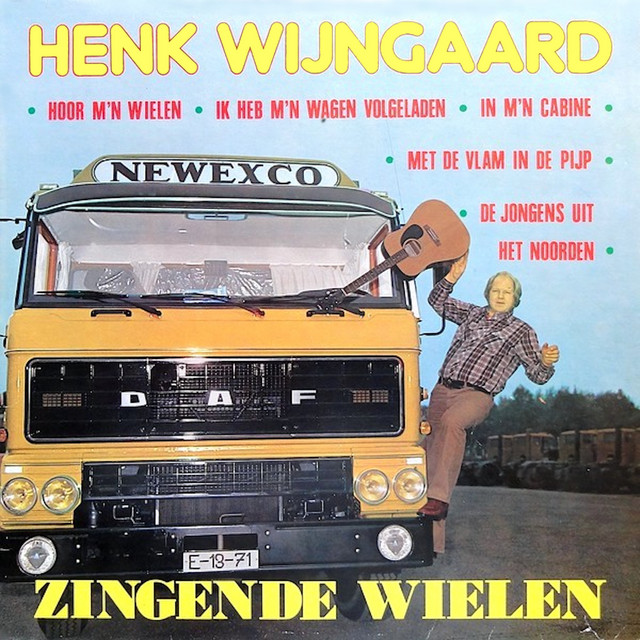
Henk Wijngaard
Levenslied
Hollands
Nederpop
3
/5
Florian Silbereisen
Polka
Schlager
Volkspop
3
/5
The Dreadnoughts
Celtic Punk
Pirate
Folk Punk
Download our mobile app
Get the Melodigging app and start digging for new genres on the go
Download on the App Store
Get it on Google Play
© 2026 Melodigging
Give feedback
Legal
Melodding was created as a tribute to
Every Noise at Once
, which inspired us to help curious minds keep digging into music's ever-evolving genres.