Genres
Artists
Albums
Make Music
Sign in
Sign in
Artists
Alternative Dance
Artists
Alternative Dance
Horror Section
Listen
2
/5
Genres
Alternative Dance
Alternative dance blends the textures and songwriting of alternative rock and post‑punk with club‑oriented rhythms and production. Born in the UK at the cusp of the late 1980s “Second Summer of Love,” it embraced house/acid house grooves, sequenced bass lines, and sampling while keeping indie sensibilities, guitars, and song structures. The result is music that works on a dancefloor but still reads like an alternative single. Typical hallmarks include four‑on‑the‑floor or breakbeat drums, jangly or funky guitars, prominent bass (often synth), euphoric pads, and hook‑forward vocals. Landmark albums like New Order’s Technique and Primal Scream’s Screamadelica helped define its palette and ethos.
Discover
Listen
Deathrock
Deathrock is a dark, theatrical offshoot of punk that emerged in the early 1980s, characterized by ominous atmospheres, tom-heavy “tribal” drumming, chorus-soaked basslines, and reverb-drenched guitar. It blends the immediacy and DIY aggressiveness of punk rock with the bleak textures and minor-key melodicism of post-punk and early gothic rock, often drawing visual inspiration from horror cinema and macabre cabaret. Vocals range from plaintive and haunted to snarling and declamatory, while lyrics explore themes of death, alienation, ritual, and romantic morbidity. The production favors raw edges, spring/plate reverbs, and room ambience over polish.
Discover
Listen
Skate Punk
Skate punk is a fast, energetic subgenre of punk closely tied to 1980s Southern California skate culture. It favors rapid tempos, tight downstroked power-chord guitars, punchy bass played with a pick, and driving, skank- or d‑beat‑adjacent drum patterns. Vocals range from nasal, melodic leads to gang shouts, with big, shout-along choruses. Lyrically, skate punk mixes anti-authoritarian commentary with personal and youthful themes—friendship, boredom, suburban malaise, and of course skateboarding. Melodic sophistication distinguishes it from rawer hardcore, while its speed and intensity keep it edgier than most pop punk. Labels like Epitaph and Fat Wreck Chords helped define the sound’s crisp, high-BPM assault with tight harmonies and hook-laden riffs.
Discover
Listen
Horror Punk
Horror punk is a subgenre of punk rock that fuses fast, aggressive punk energy with macabre imagery, campy B‑movie storytelling, and catchy, melodic hooks. Songs often feature minor-key riffs, gang vocals, and choruses designed for crowd sing-alongs, creating a balance between menace and fun. The style draws heavily on classic rock ’n’ roll and doo‑wop melodicism filtered through the rawness of 1970s punk. Lyrics reference monsters, graveyards, slashers, and supernatural themes, usually delivered with theatrical flair rather than genuine nihilism, making the mood dark yet playful.
Discover
Listen
Psychobilly
Psychobilly is a high-octane fusion of 1950s rockabilly and late‑1970s punk rock, spiked with horror, sci‑fi, and B‑movie aesthetics. It is defined by twangy, reverb‑drenched guitars, an aggressively slapped upright (double) bass, and breakneck drums that push songs toward punk tempos. The style’s sound balances the swing and I‑IV‑V DNA of rockabilly with punk’s distortion, attitude, and shout‑along choruses. Lyrics typically revel in campy macabre imagery—monsters, hot rods, graveyards, radioactive romance—delivered with a snarling, tongue‑in‑cheek theatricality. Onstage, pompadours, quiffs, tattoos, coffin imagery, and the signature “wrecking” pit-dance complete a subcultural identity that is both retro and transgressive. While rooted in the United Kingdom scene of the early 1980s, psychobilly rapidly spread across Europe and the United States, cultivating a global circuit of dedicated bands, labels, and festivals.
Discover
Listen
Punk
Punk is a fast, abrasive, and minimalist form of rock music built around short songs, stripped-down instrumentation, and confrontational, anti-establishment lyrics. It emphasizes DIY ethics, raw energy, and immediacy over virtuosity, often featuring distorted guitars, shouted or sneered vocals, and simple, catchy melodies. Typical songs run 1–3 minutes, sit around 140–200 BPM, use power chords and basic progressions (often I–IV–V), and favor live, unpolished production. Beyond sound, punk is a cultural movement encompassing zines, independent labels, political activism, and a fashion vocabulary of ripped clothes, leather, and safety pins.
Discover
Listen
Pop Punk
Pop punk blends the speed and attitude of punk rock with the melody, hooks, and songcraft of pop. It features bright, concise songs driven by crunchy power-chord guitars, punchy drums, and catchy vocal lines that often favor gang shouts and harmonies. Lyrically, pop punk tends to focus on adolescence, relationships, boredom, suburbia, and self-deprecating humor, delivered with a mix of earnestness and wit. Production ranges from raw and DIY to radio-ready polish, but the core is always immediacy: big choruses, tight structures, and energetic performances.
Discover
Listen
Show all 7 genres
Similar artists
4
/5
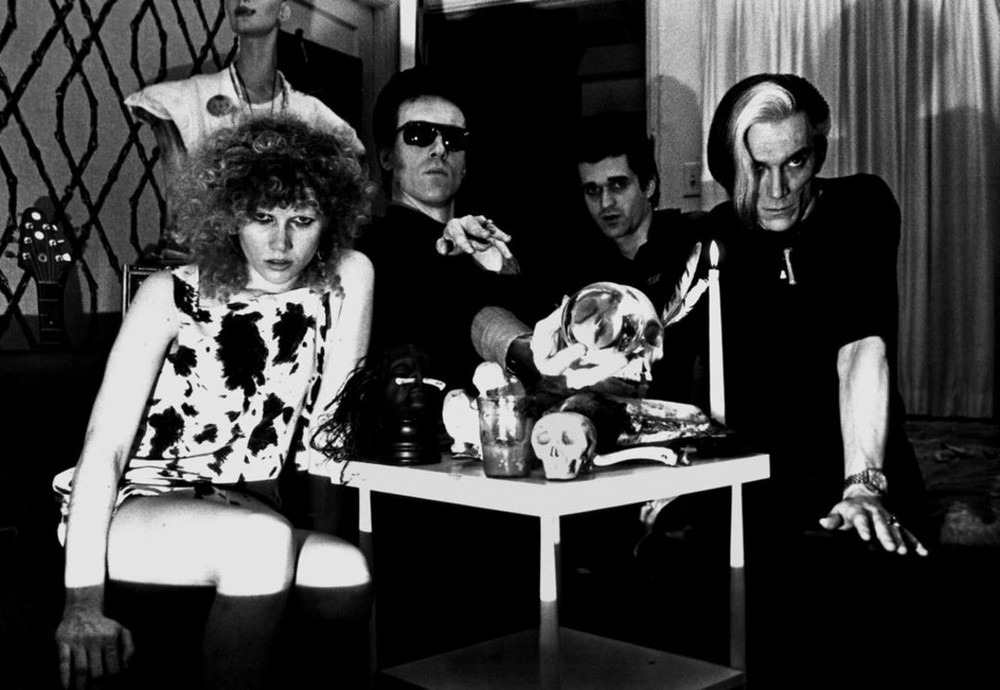
The Cramps
Psychobilly
Gothabilly
Rockabilly
3
/5
Blitzkid
Horror Punk
Deathrock
Psychobilly
2
/5
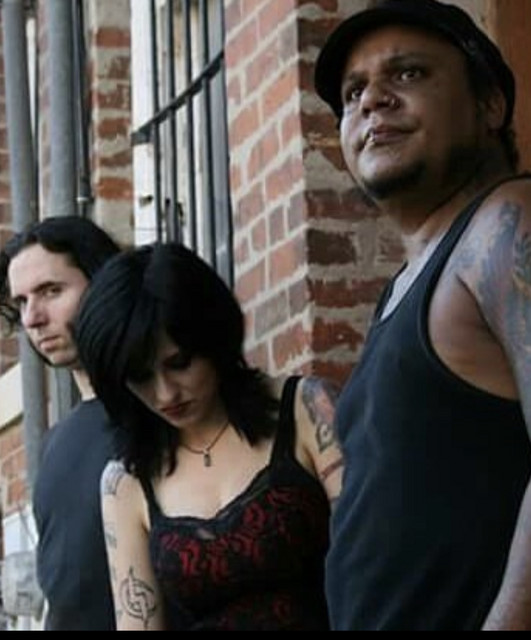
Cancerslug
Deathrock
Horror Punk
Psychobilly
2
/5
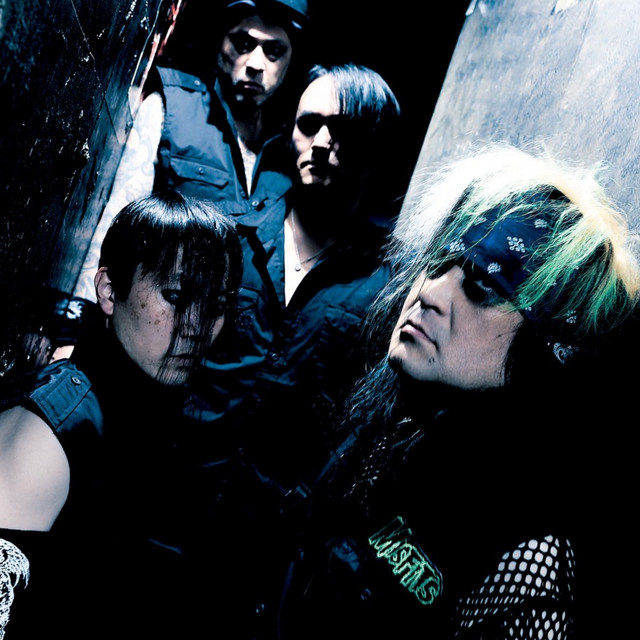
Balzac
Deathrock
Horror Punk
Psychobilly
1
/5
THE Undead
Deathrock
Go-Go
Hardcore Punk
1
/5
Various Artists
Afro-Funk
Alternative Rock
Ambient
4
/5
Misfits
Horror Punk
New Jersey Punk
Psychobilly
3
/5
The Damned
Horror Punk
Proto-Punk
Punk
3
/5
Tiger Army
Psychobilly
Horror Punk
Punk
3
/5
T.S.O.L.
Crossover Thrash
Hardcore Punk
Horror Punk
Download our mobile app
Get the Melodigging app and start digging for new genres on the go
Download on the App Store
Get it on Google Play
© 2026 Melodigging
Give feedback
Legal
Melodding was created as a tribute to
Every Noise at Once
, which inspired us to help curious minds keep digging into music's ever-evolving genres.