Genres
Artists
Albums
Make Music
Sign in
Sign in
Artists
Blues
Artists
Blues
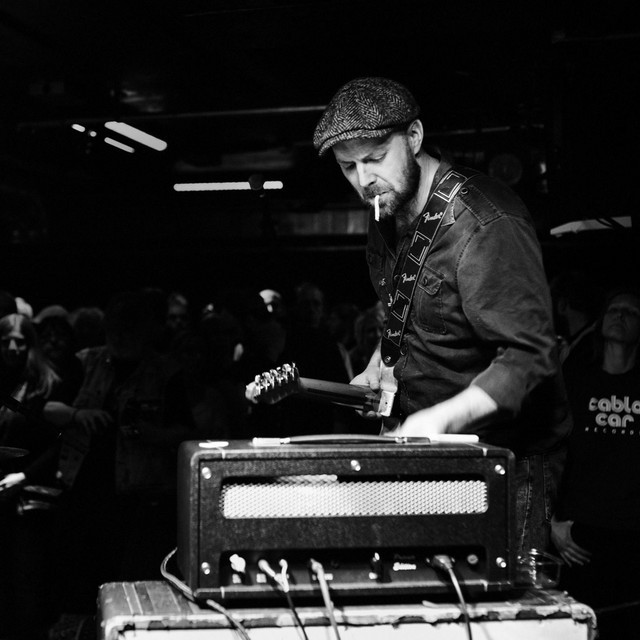
Henrik Freischlader
Listen
2
/5
Genres
Chill Guitar
Chill guitar is a streaming-era microgenre centered on mellow, spacious guitarwork framed by unobtrusive production. It favors clean or lightly saturated electric tones and intimate acoustic textures, arranged to sit comfortably in the background without losing musical interest. Tracks are typically short, loop-friendly instrumentals designed for studying, reading, or relaxing. The mood leans warm and reflective: motifs unfold slowly, effects like reverb and delay create soft ambience, and harmonic movement stays consonant and diatonic. While rooted in guitar performance, it borrows the pocket and sound design of downtempo and lo‑fi hip hop—often adding gentle percussion, vinyl hiss, or subtle field noise to craft a lived‑in, calming feel.
Discover
Listen
Modern Blues
Modern blues is a contemporary evolution of traditional and electric blues that embraces current songwriting, studio techniques, and cross-genre collaboration. It preserves the core blues vocabulary—blue notes, call-and-response phrasing, and 12‑bar and minor‑blues forms—while integrating elements of rock, soul, funk, and even pop and hip hop production. Sonically, modern blues favors saturated but articulate electric guitar tones, prominent backbeat drums, thick bass, and tasteful keys or organ. Lyrically it updates classic themes of struggle, love, resilience, and place with present-day imagery and personal storytelling. The result is a style that feels rooted and authentic yet radio- and festival-ready.
Discover
Listen
Blues Rock
Blues rock is a guitar-driven style that fuses the raw feeling and 12‑bar structures of the blues with the power, volume, and rhythmic punch of rock. It emphasizes riff-based songs, pentatonic and blues-scale soloing, call‑and‑response between voice and guitar, and an expressive, often gritty vocal delivery. Typical ensembles are power trios (guitar, bass, drums) or quartet formats adding second guitar, keyboards, or harmonica, and performances commonly feature extended improvisation. Sonically, it favors overdriven tube-amp tones, sustained bends, vibrato, and dynamic contrasts, moving from shuffles and boogies to straight‑eighth rock grooves.
Discover
Listen
Funk
Funk is a rhythm-forward African American popular music style that centers on groove, syncopation, and interlocking parts. Rather than emphasizing complex chord progressions, funk builds tight, repetitive vamps that highlight the rhythm section and create an irresistible dance feel. The genre is marked by syncopated drum patterns, melodic yet percussive bass lines, choppy guitar "chanks," punchy horn stabs, call‑and‑response vocals, and a strong backbeat. Funk’s stripped-down harmony, prominent use of the one (accenting the downbeat), and polyrhythmic layering draw deeply from soul, rhythm and blues, jazz, gospel, and African rhythmic traditions. From James Brown’s late-1960s innovations through the expansive P-Funk universe and the slicker sounds of the 1970s and 1980s, funk has continually evolved while seeding countless other genres, from disco and hip hop to house and modern R&B.
Discover
Listen
Rock
Rock is a broad family of popular music centered on amplified instruments, a strong backbeat, and song forms that foreground riffs, choruses, and anthemic hooks. Emerging from mid‑20th‑century American styles like rhythm & blues, country, and gospel-inflected rock and roll, rock quickly expanded in scope—absorbing folk, blues, and psychedelic ideas—while shaping global youth culture. Core sonic markers include electric guitar (often overdriven), electric bass, drum kit emphasizing beats 2 and 4, and emotive lead vocals. Rock songs commonly use verse–chorus structures, blues-derived harmony, and memorable melodic motifs, ranging from intimate ballads to high‑energy, stadium‑sized performances.
Discover
Listen
Jazz Blues
Jazz blues is a hybrid idiom that merges the expressive, melodic language and 12‑bar song forms of the blues with the harmony, improvisational vocabulary, and rhythmic feel of jazz. Typically, it retains a blues structure (often the 12‑bar form) while enriching it with jazz devices such as ii–V progressions, secondary dominants, turnarounds, tritone substitutions, and extended chords (9ths, 11ths, 13ths). The feel commonly swings, with walking bass lines, comping on piano or guitar, blue notes, call‑and‑response phrasing, and solos that mix blues scales with mixolydian and bebop lines. The result ranges from earthy shuffles to urbane, harmonically sophisticated vehicles for improvisation, sitting comfortably between New Orleans roots, Kansas City riff traditions, and modern bop language.
Discover
Listen
Jazz
Jazz is an improvisation-centered music tradition that emerged from African American communities in the early 20th century. It blends blues feeling, ragtime syncopation, European harmonic practice, and brass band instrumentation into a flexible, conversational art. Defining features include swing rhythm (a triplet-based pulse), call-and-response phrasing, blue notes, and extended harmonies built on 7ths, 9ths, 11ths, and 13ths. Jazz is as much a way of making music—spontaneous interaction, variation, and personal sound—as it is a set of forms and tunes. Across its history, jazz has continually hybridized, from New Orleans ensembles and big-band swing to bebop, cool and hard bop, modal and free jazz, fusion, and contemporary cross-genre experiments. Its influence permeates global popular and art music.
Discover
Listen
Blues
Blues is an African American musical tradition defined by expressive "blue notes," call-and-response phrasing, and a characteristic use of dominant-seventh harmony in cyclical song forms (most famously the 12‑bar blues). It is as much a feeling as a form, conveying sorrow, resilience, humor, and hard-won joy. Musically, blues commonly employs the I–IV–V progression, swung or shuffled rhythms, and the AAB lyric stanza. Melodies lean on the minor/major third ambiguity and the flattened fifth and seventh degrees. Core instruments include voice, guitar (acoustic or electric), harmonica, piano, bass, and drums, with slide guitar, bends, and vocal melismas as signature techniques. Over time the blues has diversified into regional and stylistic currents—Delta and Piedmont country blues, urban Chicago and Texas blues, West Coast jump and boogie-woogie—while profoundly shaping jazz, rhythm & blues, rock and roll, soul, funk, and much of modern popular music.
Discover
Listen
Show all 8 genres
Similar artists
3
/5
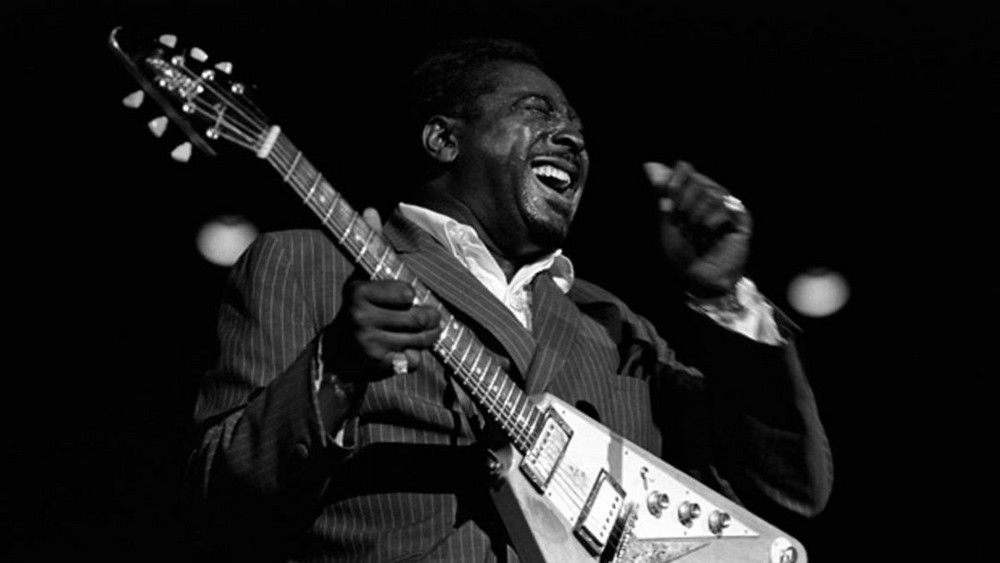
Albert King
Blues
Soul Blues
Electric Blues
3
/5
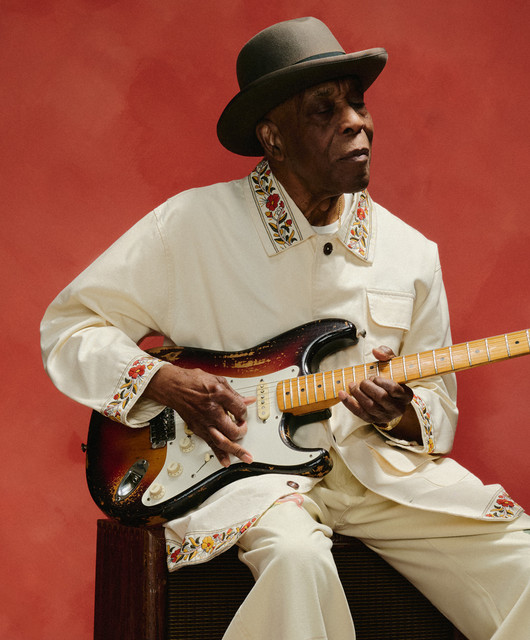
Buddy Guy
Blues
Chicago Blues
Electric Blues
3
/5
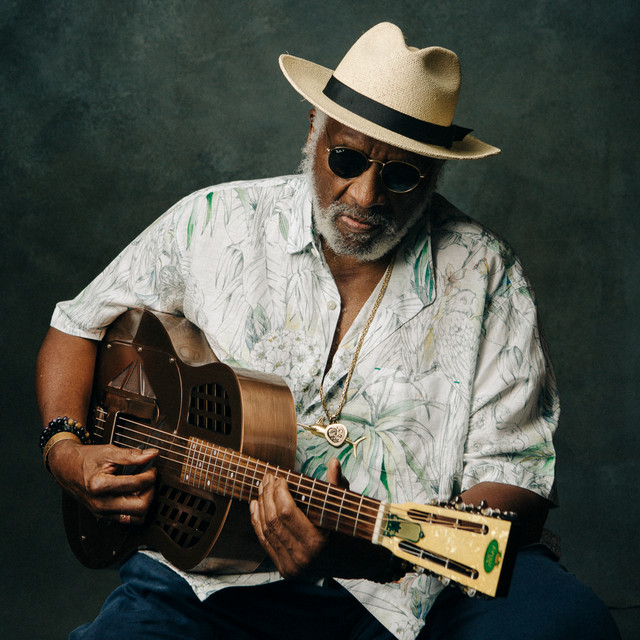
Taj Mahal
Blues
Classic Blues
Country Blues
3
/5
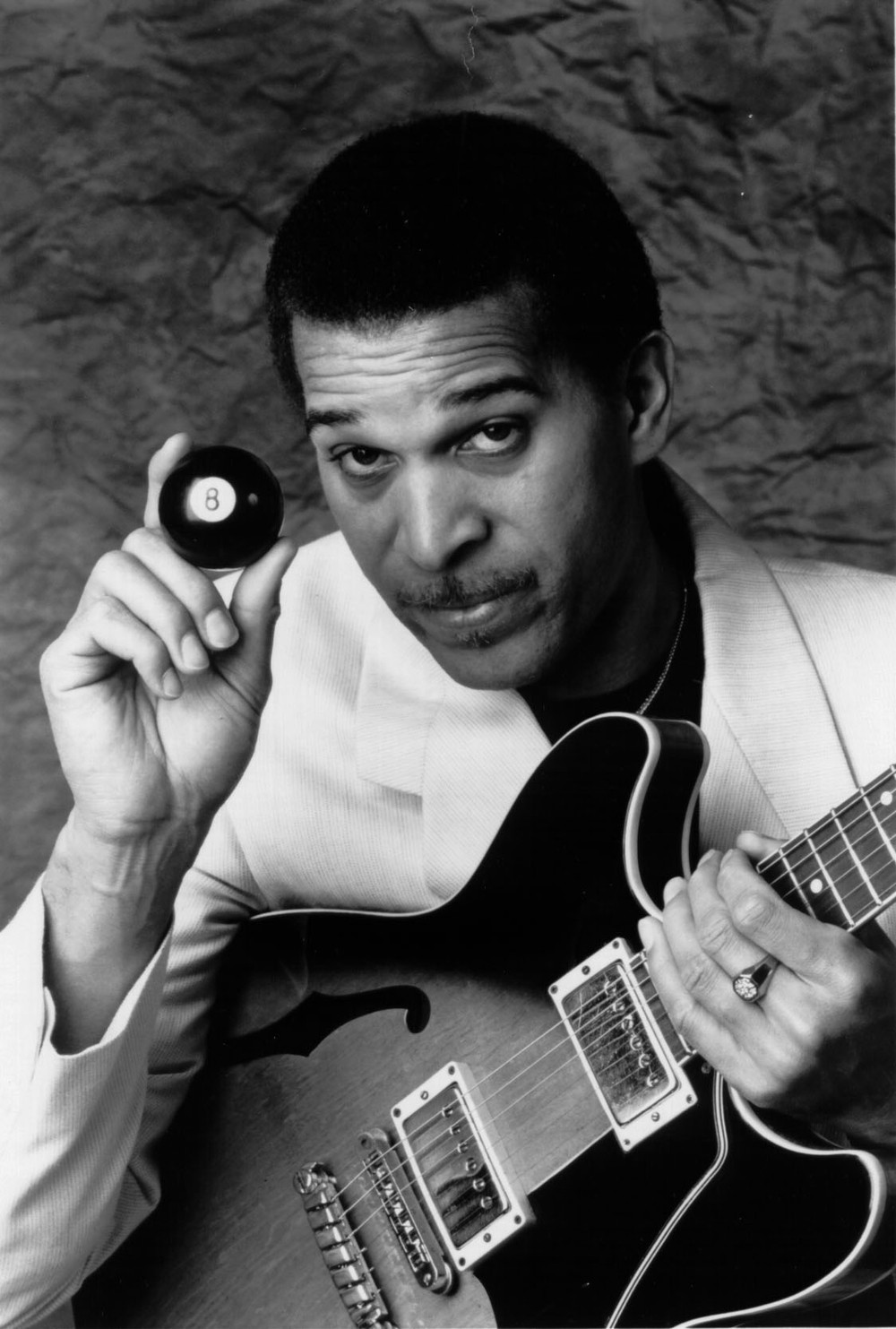
Melvin Taylor
Blues
Blues Rock
Classic Blues
3
/5
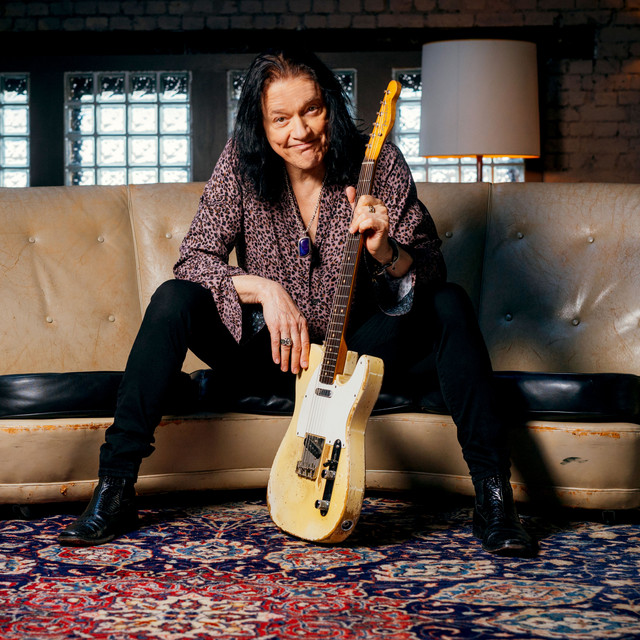
Robben Ford
Blues
Blues Rock
Jazz Blues
3
/5
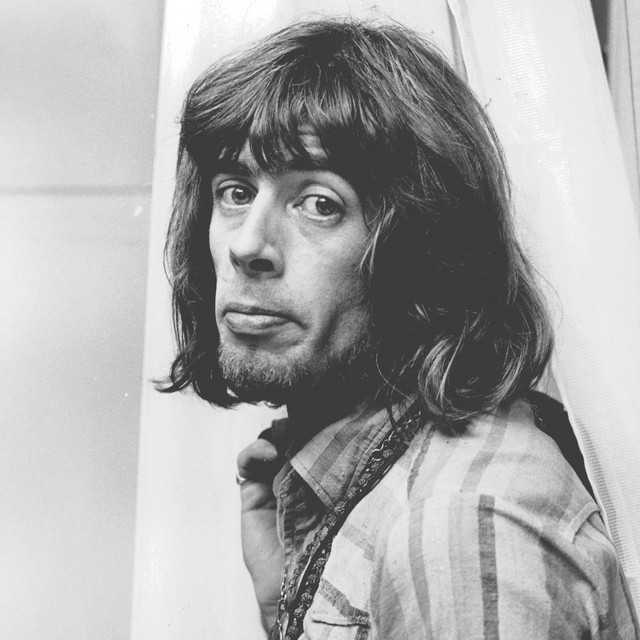
John Mayall
Blues
Blues Rock
British Blues
2
/5
Albert Cummings
Blues
Blues Rock
Jazz Blues
2
/5
Duke Robillard
Blues
Blues Rock
Boogie-Woogie
2
/5
Robben Ford & The Blue Line
Blues
Blues Rock
Jazz Blues
3
/5
Christone "Kingfish" Ingram
Classic Blues
Blues
Blues Rock
Download our mobile app
Get the Melodigging app and start digging for new genres on the go
Download on the App Store
Get it on Google Play
© 2026 Melodigging
Give feedback
Legal
Melodding was created as a tribute to
Every Noise at Once
, which inspired us to help curious minds keep digging into music's ever-evolving genres.