Genres
Artists
Albums
Make Music
Sign in
Sign in
Artists
Gnawa
Artists
Gnawa
Henri Agnel
Listen
1
/5
Genres
Traditional Music
Traditional music is an umbrella term used in the mid–20th century by folklorists and ethnomusicologists to denote community-rooted, orally transmitted repertoires tied to social ritual, work, celebration, and storytelling. Unlike commercial pop or art-music traditions, traditional music is typically learned by ear, varies regionally, and evolves slowly through communal participation. It often features modal melodies, cyclic rhythms, heterophony or unison singing, and indigenous instruments whose timbres are integral to local identity. Lyrics tend to preserve language, history, and collective memory. While the musical practices themselves can be ancient, the phrase “traditional music” emerged to replace earlier, narrower or colonial framings like “folk” or “ethnic” music, foregrounding continuity, locality, and living practice rather than exoticism.
Discover
Listen
Gnawa
Gnawa is a spiritual, trance-based music of Morocco associated with the Gnawa brotherhoods, a community with roots in sub‑Saharan Africa and Sufi Islam. It centers on a deep, percussive bass lute called the guembri (also known as sintir or hajhuj), the bright metallic clatter of iron castanets (qraqeb/krakebs), unison handclaps, and call‑and‑response vocals. Performances often unfold in an all‑night ritual called a lila (derdeba), where cyclical 6/8 grooves and repetitive chants invite communal participation and induce a trance state. The repertoire invokes saints and ancestral spirits (mluk), moving through color-coded suites and intensifying rhythmic layers. While firmly rooted in West African rhythmic sensibilities, Gnawa also absorbs Maghrebi and Sufi aesthetics, producing a sound that is both devotional and intensely groove‑driven.
Discover
Listen
Medieval
Medieval music refers to the diverse sacred and secular musical practices of Europe between the fall of the Western Roman Empire and the dawn of the Renaissance. It spans more than eight centuries, from early monophonic chant to the first notated polyphony. Core features include the use of church modes rather than major/minor, extensive reliance on vocal music (Latin sacred chant as well as vernacular song), and the progressive development from unmeasured chant to rhythmic modal notation and, later, mensural notation. Texture evolves from monophony (plainchant, troubadour songs) to organum, conductus, and the motet, culminating in complex isorhythmic works by the late 13th–14th centuries. Secular traditions—troubadours and trouvères in France, Minnesänger in German lands, and the Iberian Cantigas—coexisted with and influenced sacred practice. Instruments such as the vielle, harp, psaltery, recorder, shawm, hurdy-gurdy, and portative organ often doubled or accompanied voices, though much music remained purely vocal.
Discover
Listen
Similar artists
1
/5
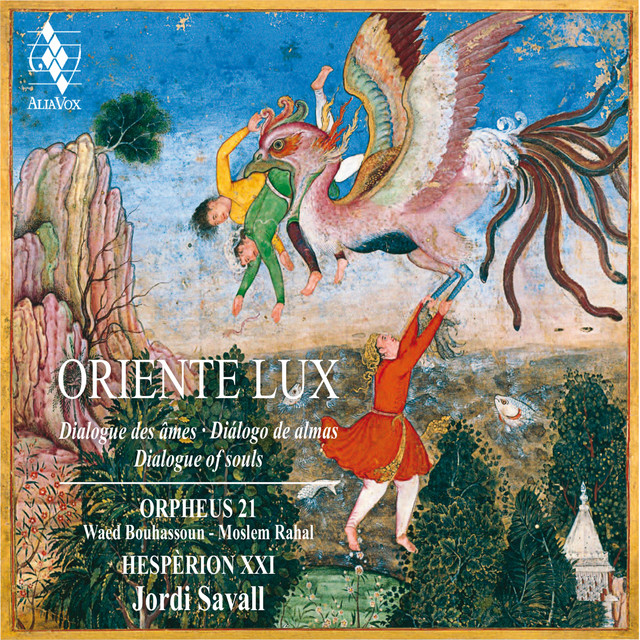
Waed Bouhassoun
Gnawa
Medieval
Traditional Music
1
/5
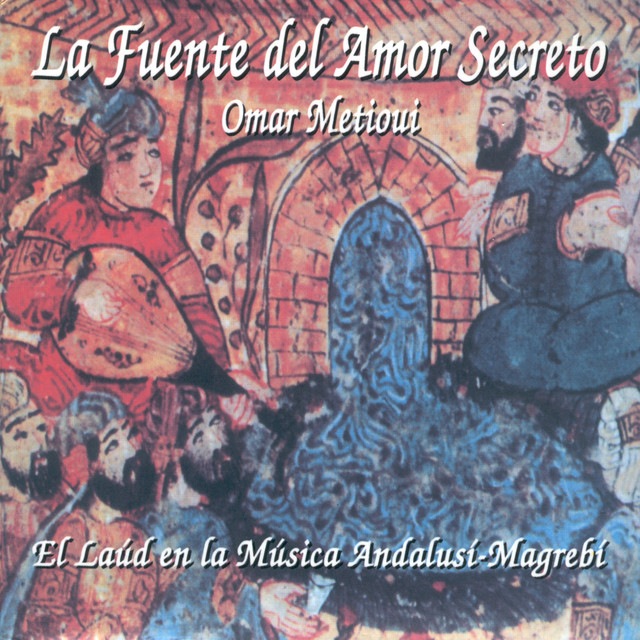
Omar Metioui
Andalusian Classical
Gnawa
Medieval
1
/5
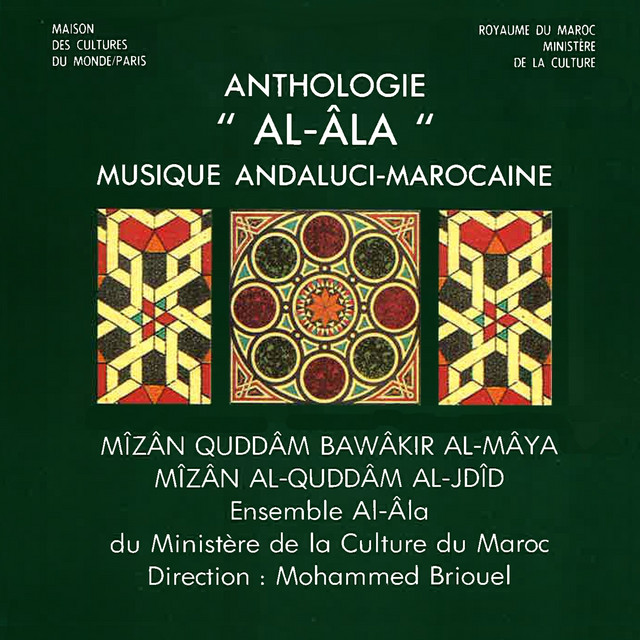
Mohamed Briouel
Gnawa
Medieval
Traditional Music
2
/5
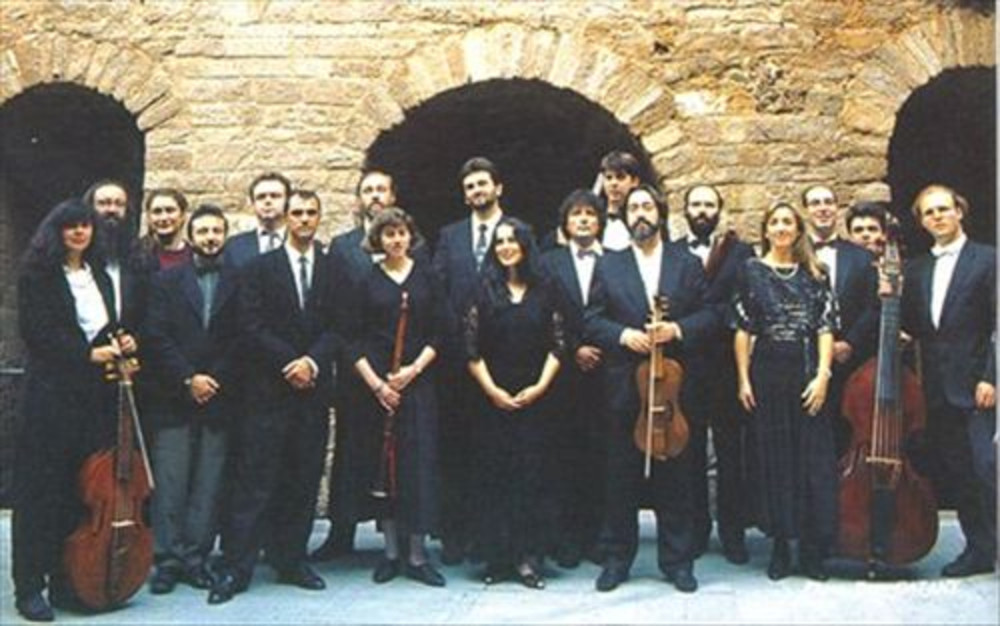
Hespèrion XXI
Medieval
Renaissance
Classical Performance
2
/5
Petros Tabouris
Ancient Mediterranean
Ancient Greek Music
Medieval
2
/5
Luar Na Lubre
Galician Folk Music
Folk
Celtic
2
/5
Marco Beasley
Medieval
Traditional Music
Classical
2
/5
Ancient Greek Music Workshop
Ancient Greek Music
Ancient Mediterranean
Medieval
2
/5
Eduardo Paniagua
Medieval
Medieval Lyric Poetry
Spanish Classical Music
2
/5
Orchestre al-Brihi de Fès
Andalusian Classical
Gnawa
Traditional Music
Download our mobile app
Get the Melodigging app and start digging for new genres on the go
Download on the App Store
Get it on Google Play
© 2026 Melodigging
Give feedback
Legal
Melodding was created as a tribute to
Every Noise at Once
, which inspired us to help curious minds keep digging into music's ever-evolving genres.