Genres
Artists
Albums
Make Music
Sign in
Sign in
Artists
Big Band
Artists
Big Band
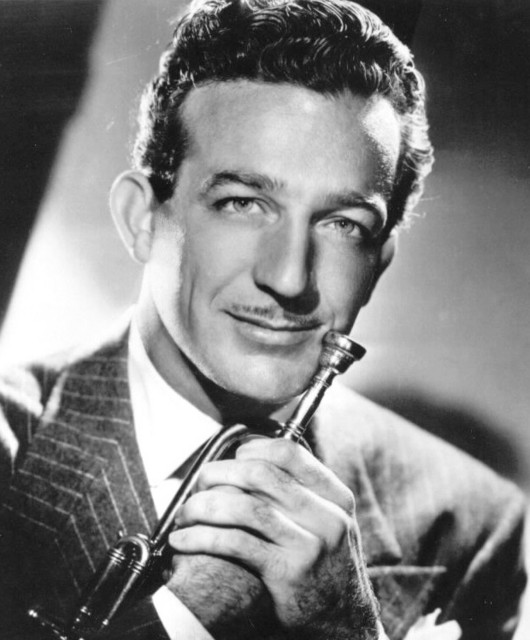
Harry James
Listen
3
/5
Genres
Pov: Indie
"pov: indie" is a social-media-native microstyle built around short, cinematic indie-pop/indie-rock snippets designed to accompany a first-person (POV) narrative. Instead of being defined by a single new musical technique, it is defined by context: the music is chosen or written to feel like the soundtrack to a specific moment (a crush, a late-night walk, moving to a new city, seasonal nostalgia). Sonically it typically uses bright but soft guitars or synths, intimate vocals, simple memorable hooks, and production that reads clearly on phone speakers. The emotional tone is often wistful, tender, and “coming-of-age,” with lyrics that can be understood quickly in a 10–30 second clip.
Discover
Listen
Lo Star
Lo star is a streaming-era umbrella tag used to group under-the-radar, low-profile artists who sit on the fringes of indie, alternative, DIY pop, and related scenes. Rather than denoting a single, tightly defined musical vocabulary, it marks a discovery space of self-produced or small-label projects with modest audiences, genre-fluid aesthetics, and a distinctly DIY approach to recording and release. Expect intimate vocals, inexpensive or home-studio production, hybrid acoustic/electronic textures, and songwriting that favors personal storytelling and immediacy over polish. Because it functions as a curatorial category for emerging or niche acts, the sonic palette spans indie rock and folk-pop to bedroom pop and lo-fi electronic, unified by scale, ethos, and distribution more than by strict musical rules.
Discover
Listen
Swing
Swing is a jazz style centered on a buoyant, danceable groove created by a walking bass, four-to-the-bar rhythm guitar, a backbeat emphasis on 2 and 4, and a lilted “swung” eighth-note feel. Typically performed by big bands (saxes, trumpets, trombones, and a rhythm section) as well as small combos, it balances written arrangements with improvised solos. Hallmarks include call-and-response between horn sections, riff-based melodies, shout choruses that build intensity near the end of an arrangement, and rich sectional voicings grounded in blues language and ii–V–I harmonic motion. Tempos range from medium to brisk, serving social dances like the Lindy Hop and Jitterbug. Swing’s expressive phrasing, dance-floor focus, and sophisticated arranging made it the dominant popular music of the late 1930s and early 1940s.
Discover
Listen
Big Band
Big band is a large-ensemble style of jazz and popular dance music built around brass, reed, and rhythm sections playing arranged parts. Typical instrumentation includes five saxophones (often doubling clarinet/flute), four trombones, four trumpets, and a rhythm section of piano, guitar, upright bass, and drum set. The music emphasizes swing rhythms, call-and-response between sections, riff-based writing, and dramatic shout choruses, while leaving space for improvised solos. Born in American ballrooms and theaters, big band became the sound of the Swing Era, providing both music for dancing and a platform for sophisticated arranging and orchestration that shaped much of 20th‑century jazz and popular music.
Discover
Listen
Jazz
Jazz is an improvisation-centered music tradition that emerged from African American communities in the early 20th century. It blends blues feeling, ragtime syncopation, European harmonic practice, and brass band instrumentation into a flexible, conversational art. Defining features include swing rhythm (a triplet-based pulse), call-and-response phrasing, blue notes, and extended harmonies built on 7ths, 9ths, 11ths, and 13ths. Jazz is as much a way of making music—spontaneous interaction, variation, and personal sound—as it is a set of forms and tunes. Across its history, jazz has continually hybridized, from New Orleans ensembles and big-band swing to bebop, cool and hard bop, modal and free jazz, fusion, and contemporary cross-genre experiments. Its influence permeates global popular and art music.
Discover
Listen
Jazz Trumpet
Jazz trumpet is the idiomatic approach to playing the trumpet within jazz, where the instrument often serves as a lead melodic voice and improvisational vehicle. It is defined by expressive tone production, swing phrasing, blues inflection, and a wide palette of articulations and effects such as vibrato, growls, half-valve smears, shakes, fall-offs, and the creative use of mutes (Harmon, plunger, straight, cup, and bucket). Across its history, jazz trumpet has adapted to changing harmonic languages—from early New Orleans polyphony and swing-era melodies to bebop’s chromatic lines, hard bop’s gospel- and blues-rooted intensity, cool and modal lyricism, avant-garde freedom, electric fusion, and contemporary post-bop and crossover forms. The role of the jazz trumpeter spans leading themes (heads), creating spontaneous melodies over standard song forms, shaping ensemble textures, and communicating an individual sound and time feel, whether laid-back, on top of the beat, or deeply behind it.
Discover
Listen
Similar artists
4
/5
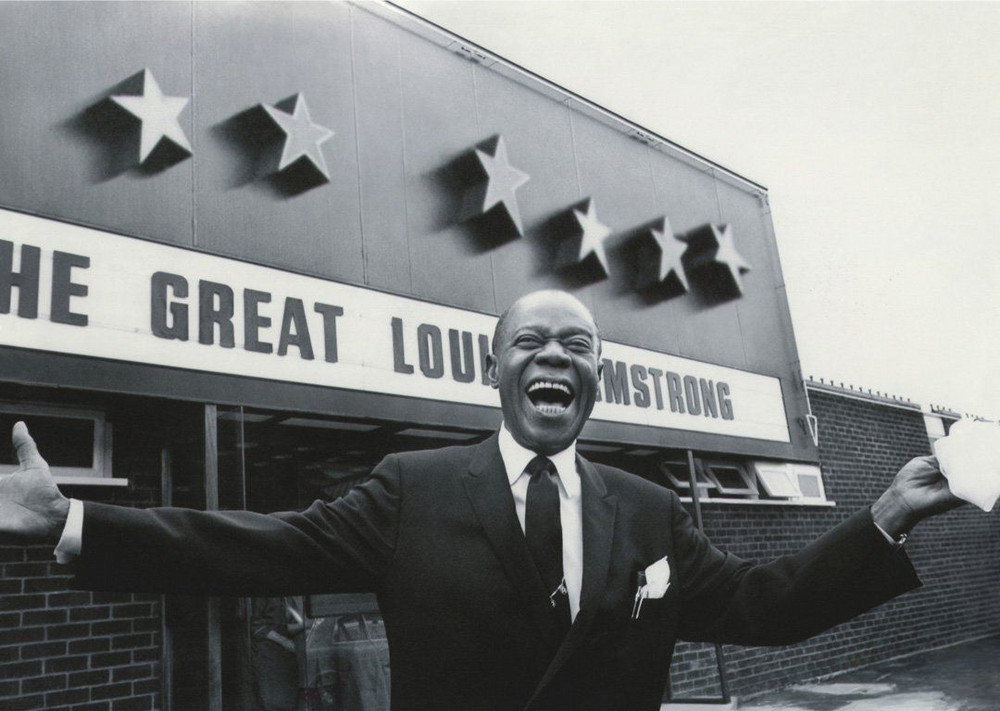
Louis Armstrong
Dixieland
Harlem Renaissance
Jazz Trumpet
4
/5
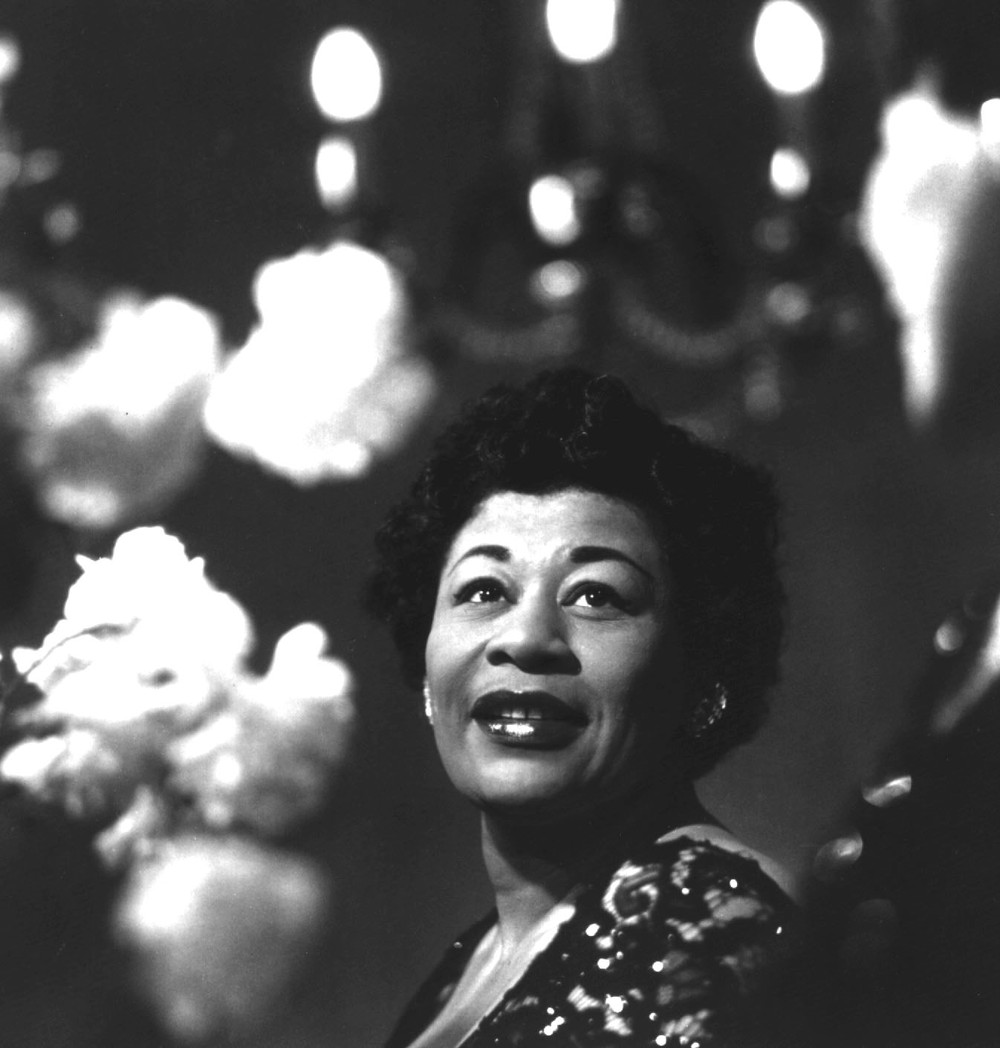
Ella Fitzgerald
Vocal Jazz
Swing
Standards
1
/5
Various Artists
Afro-Funk
Alternative Rock
Ambient
4
/5
Frank Sinatra
Big Band
Jazz
Swing
4
/5
Dean Martin
Big Band
Easy Listening
Adult Standards
4
/5
Billie Holiday
Harlem Renaissance
Jazz
Swing
4
/5
Count Basie
Harlem Renaissance
Swing
Jazz
4
/5
Duke Ellington
Big Band
Swing
Jazz
4
/5
Peggy Lee
Big Band
Vocal Jazz
Jazz
3
/5
Louis Prima
Jump Blues
Swing
Big Band
Download our mobile app
Get the Melodigging app and start digging for new genres on the go
Download on the App Store
Get it on Google Play
© 2026 Melodigging
Give feedback
Legal
Melodding was created as a tribute to
Every Noise at Once
, which inspired us to help curious minds keep digging into music's ever-evolving genres.