Genres
Artists
Albums
Make Music
Sign in
Sign in
Artists
Blues Rock
Artists
Blues Rock
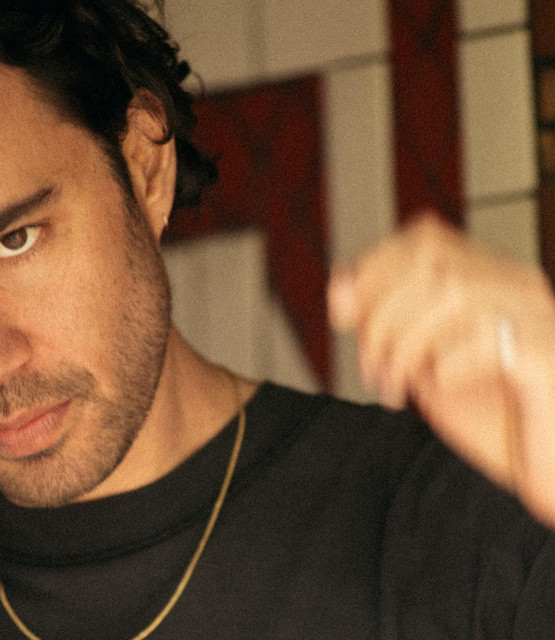
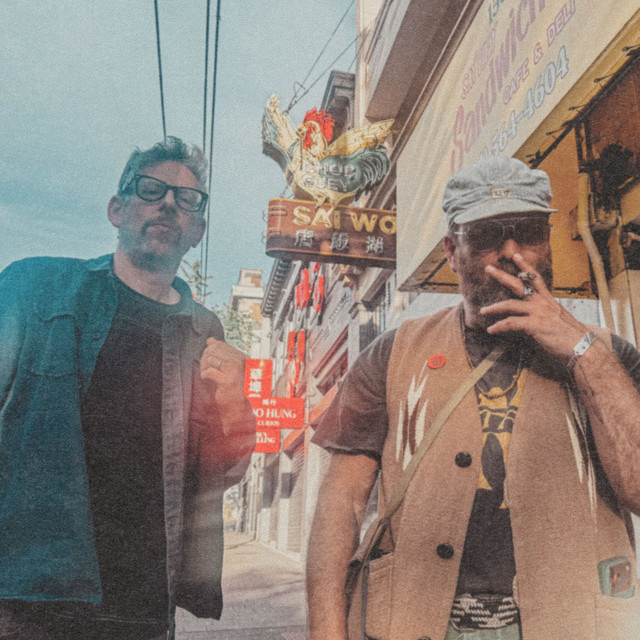
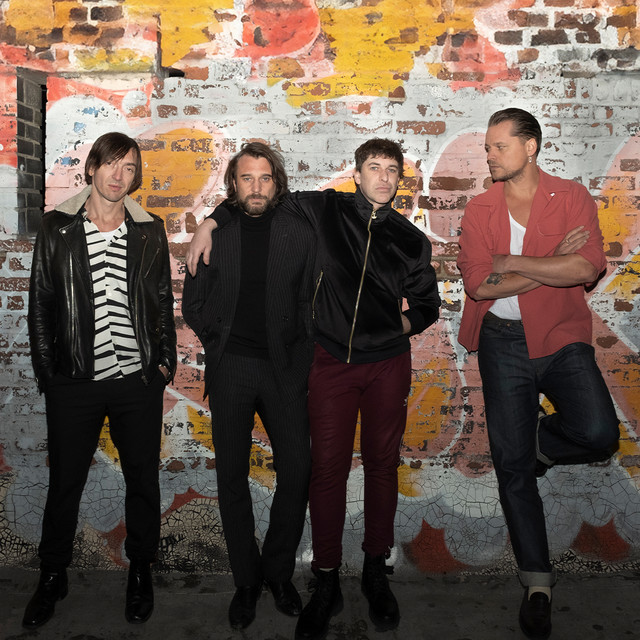
Hanni El Khatib
Listen
2
/5
Genres
Experimental Indie
Experimental indie is a broad, exploratory wing of independent rock and pop that prioritizes curiosity over convention. It blends DIY recording practices with off‑kilter song forms, unusual timbres, and a willingness to fold in ideas from avant‑pop, noise, electronic music, and psych. Rather than a fixed sound, it is a method and attitude: use the tools at hand (bedroom rigs, pedals, samplers, tape, software) to push past genre borders, while keeping the immediacy and intimacy of indie. Expect jagged rhythms, warped hooks, collage‑like arrangements, and production choices that foreground texture as much as melody.
Discover
Listen
Indie Pop Rap
Indie pop rap blends the melodic hooks and DIY aesthetic of indie pop with conversational, often introspective rap delivery. The production favors warm, guitar- or synth-led beats, understated drums, and lo‑fi textures over bombastic trap maximalism. Lyrically, it leans personal and relatable—relationships, coming of age, mental health, and day-to-day vignettes—delivered in a half-sung, half-rapped style. The sound was shaped by bedroom producers and the streaming era, where low-stakes, catchy songs with intimate vocals thrive on playlists and social media.
Discover
Listen
Northern Gothic
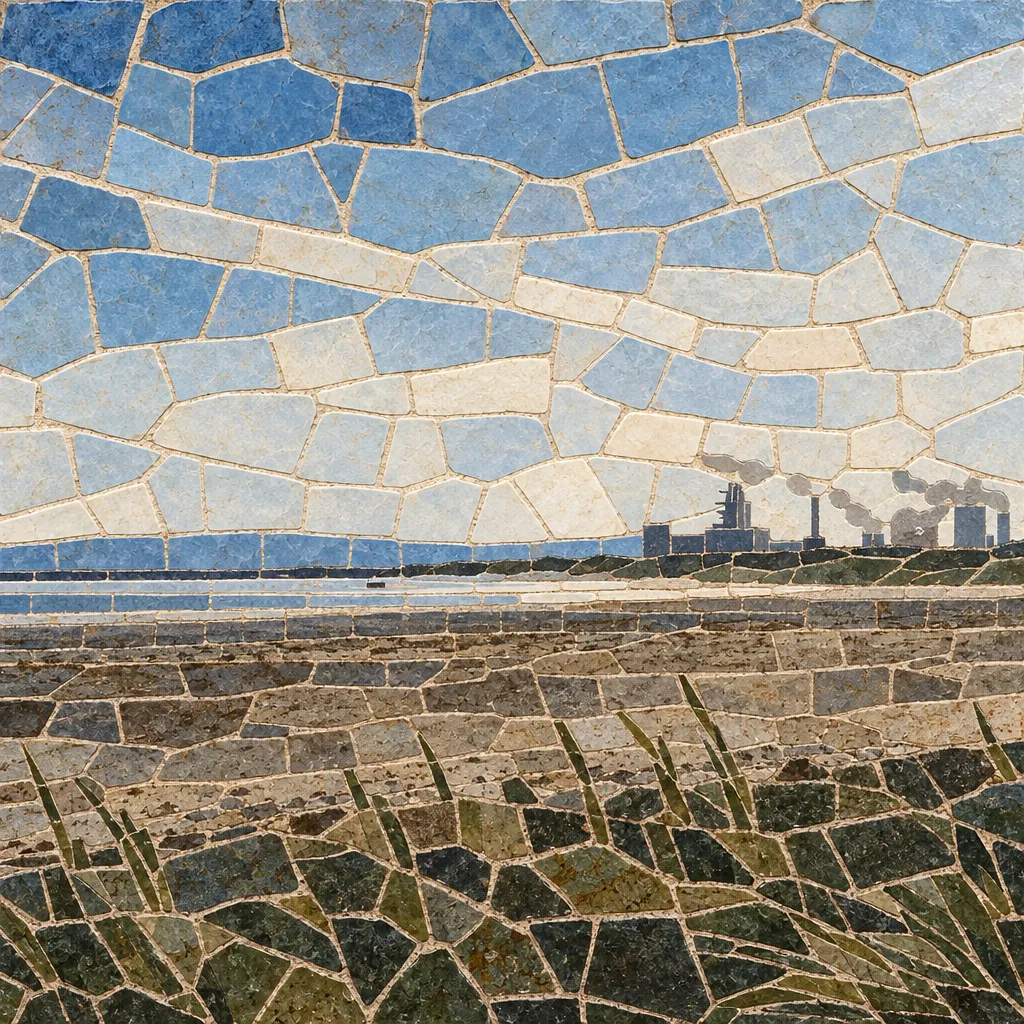
Northern gothic is a modern recontextualization of gothic sensibility rooted in the post‑industrial landscapes, politics, and culture of 21st‑century Northern England. It blends post‑punk austerity, industrial and dark ambient textures, hauntological memory work, and stark folk storytelling. The sound often evokes mills, moorland, sea ports, terraces, and cooling towers—spaces marked by deindustrialization—through tape patina, reverberant spaces, modular drones, and vernacular narratives. Compared with classic goth, it is less theatrical and more documentary or folkloric in tone, prioritizing regional specificity, minimalism, and social realism.
Discover
Listen
Channel Pop
Channel pop is a digital-era strain of mainstream pop shaped by video and creator platforms—especially YouTube and later TikTok and Instagram—where artists build audiences through frequent uploads on their own “channels.” Musically it favors intimate, highly polished but close-mic’d vocals, acoustic guitar or piano-led arrangements, restrained beats, and succinct, playlist-friendly structures. Many releases are cover-first (reimagining recent chart hits) with a steady flow of glossy singles, session-style performances, and creator collaborations that gradually blend into original material. Titles, artwork, and release cadence are optimized for search and recommendation algorithms, yielding a sound that is simultaneously personal and platform-aware.
Discover
Listen
Souldies
Souldies is a modern revival of classic lowrider “oldies” soul—slow, tender ballads rooted in 1960s and early-’70s sweet soul and doo‑wop aesthetics, reimagined by a new generation of largely Chicano/Latinx artists in Southern California. Characterized by warm, analog-leaning production, mellow backbeats, honeyed vocal harmonies, and heart‑on‑sleeve lyricism, the style favors mid‑slow tempos, tape‑like saturation, spring/plate reverb, and minimalist yet expressive arrangements. English and Spanish (or Spanglish) lyrics often explore love, longing, devotion, and cruising/lowrider culture. Souldies sits at the intersection of classic soul, rhythm & blues, northern soul selections, and Latin soul, offering a contemporary, community‑centered sound that feels both timeless and newly personal.
Discover
Listen
Southern Americana
Southern Americana is a regional strain of Americana rooted in the musical vernacular of the U.S. South. It blends songwriting-first aesthetics with the organic textures of country, folk, and blues, and the swagger of Southern rock. Typical recordings feature warm, lived‑in tones: Telecasters and acoustic guitars alongside pedal steel, Hammond organ, fiddle, mandolin, and harmony vocals. Lyrically it is grounded in place—small towns, highways, kudzu, pine line horizons—and in the South’s complicated histories of faith, work, love, and loss. The groove ranges from back‑porch shuffles and waltzes to swampy, slow‑burn rhythms, keeping the focus on stories and melody rather than studio gloss.
Discover
Listen
Deep Indie Pop
Deep indie pop is a moody, finely textured branch of indie pop that favors introspective songwriting, soft-focus production, and intimate vocal delivery. It sits between bedroom pop and dream pop, borrowing lo‑fi warmth and hazy ambience while maintaining the hook sensibility of pop. Compared with mainstream indie pop, the "deep" variant leans toward slower to mid‑tempo grooves, lush synth pads, chorus‑soaked guitars, and subdued drum programming. Lyrics often explore memory, late‑night reflection, and bittersweet romance, presented with close‑miked, breathy vocals and understated arrangements.
Discover
Listen
Garage Rock Revival
Garage rock revival is a turn-of-the-millennium resurgence of raw, guitar‑driven rock that consciously channels the immediacy of 1960s garage bands and the urgency of 1970s punk. It favors short songs, distorted riffs, catchy hooks, and a back‑to‑basics band setup over studio gloss and elaborate arrangements. Hallmarks include crunchy overdriven guitars, tight and energetic drum patterns, simple but punchy bass lines, and vocals with a swaggering or detached cool. Production often leans lo‑fi or analog‑inspired, emphasizing room sound and performance over perfection. Lyrically, it tends to focus on youthful nightlife, romance, boredom, style, and urban ennui. Scenes in New York City and Detroit were pivotal for the mainstream breakthrough, with parallel explosions in the UK, Sweden, and Australia. The movement revitalized interest in guitar rock across indie and mainstream audiences.
Discover
Listen
Blues Rock
Blues rock is a guitar-driven style that fuses the raw feeling and 12‑bar structures of the blues with the power, volume, and rhythmic punch of rock. It emphasizes riff-based songs, pentatonic and blues-scale soloing, call‑and‑response between voice and guitar, and an expressive, often gritty vocal delivery. Typical ensembles are power trios (guitar, bass, drums) or quartet formats adding second guitar, keyboards, or harmonica, and performances commonly feature extended improvisation. Sonically, it favors overdriven tube-amp tones, sustained bends, vibrato, and dynamic contrasts, moving from shuffles and boogies to straight‑eighth rock grooves.
Discover
Listen
Garage Rock
Garage rock is a raw, energetic style of rock music that emerged in the mid-1960s from local scenes across North America. Typically performed by amateur or semi-professional teenage bands in basements and suburban garages, the sound is unpolished and immediate, favoring feel over finesse. Its hallmarks include distorted guitars, pounding drums, simple chord progressions (often I–IV–V), prominent Farfisa/Vox organ riffs, and shouted, attitude-heavy vocals. Songs are short, hooky, and driven by rhythmic urgency, with lyrics about teenage love, boredom, rebellion, and swagger. The style became a direct ancestor of proto-punk and punk rock, prized for its do-it-yourself spirit and visceral impact.
Discover
Listen
Show all 10 genres
Similar artists
4
/5
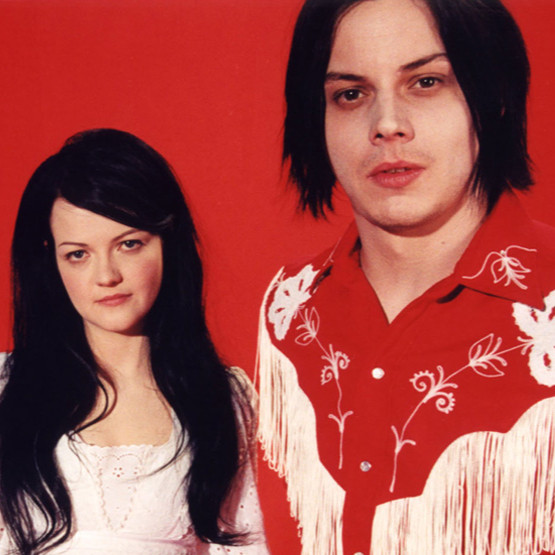
The White Stripes
Rock
Alternative Rock
Blues Rock
4
/5
The Black Keys
Blues Rock
Modern Blues
Punk Blues
3
/5
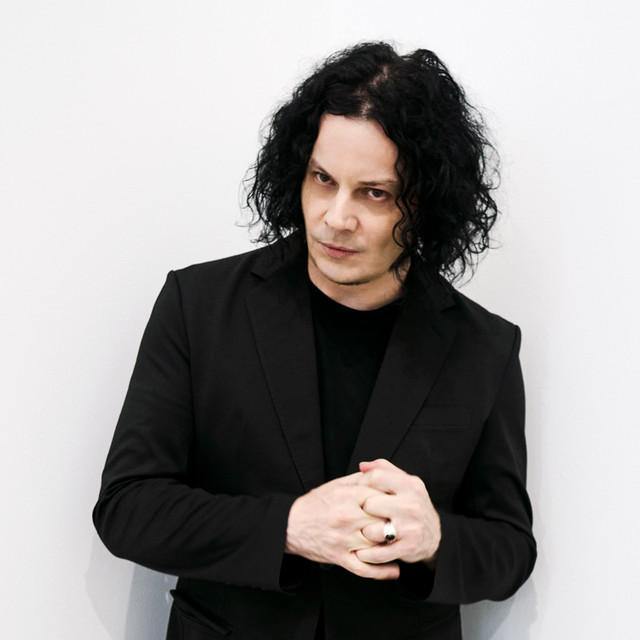
Jack White
Garage Rock Revival
Blues Rock
Garage Rock
3
/5
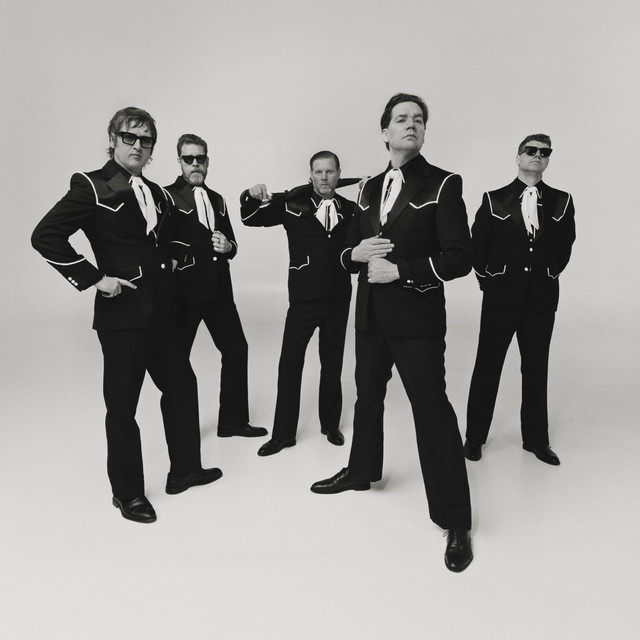
The Hives
Garage Rock Revival
Garage Rock
Garage Punk
3
/5
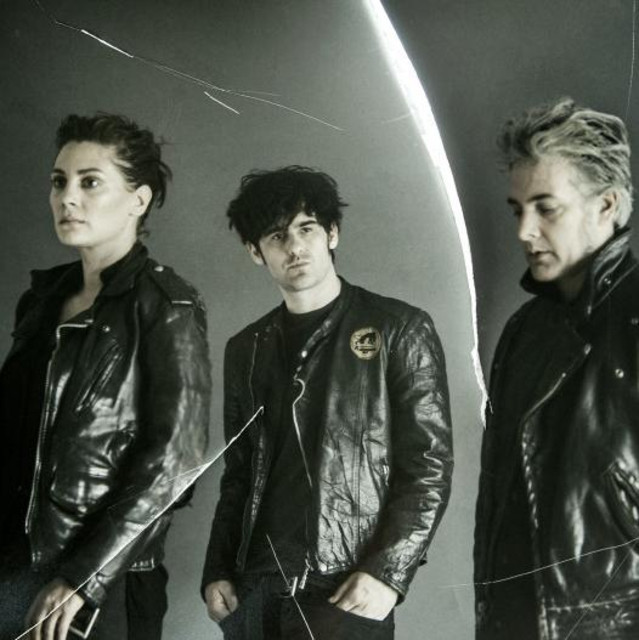
Black Rebel Motorcycle Club
Garage Rock Revival
Blues Rock
Garage Rock
4
/5
Jet
Garage Rock
Chill Pop
Indie Pop Rap
1
/5
Various Artists
Afro-Funk
Alternative Rock
Ambient
5
/5
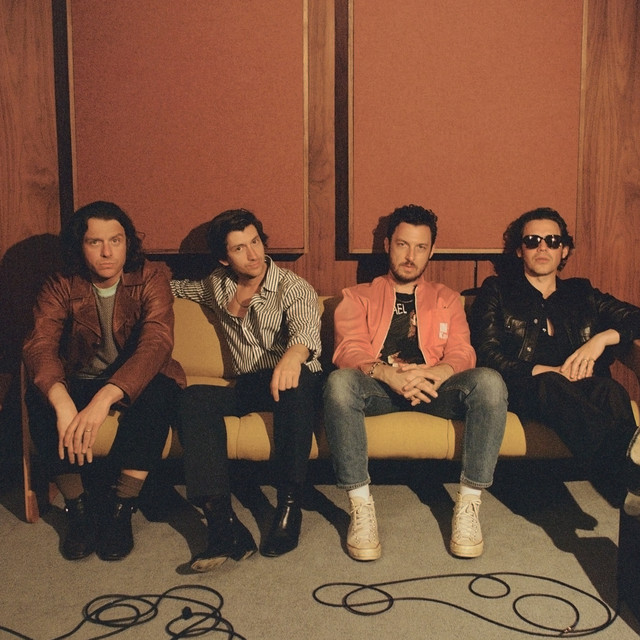
Arctic Monkeys
Garage Rock
Indie
Indie Rock
5
/5
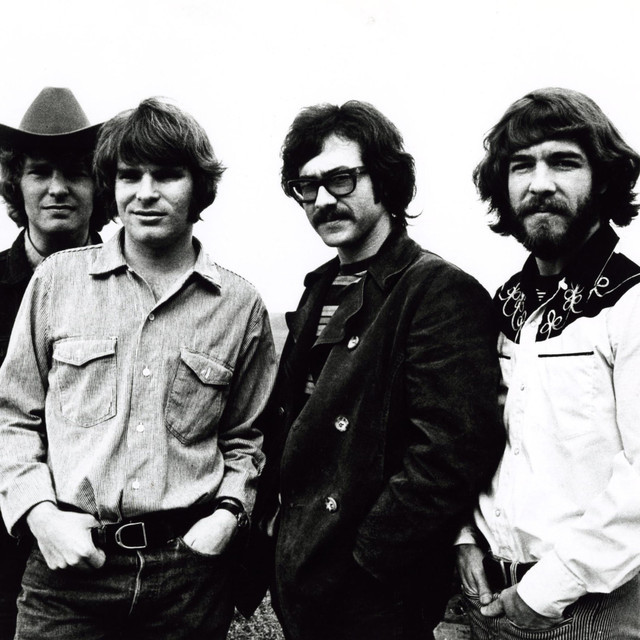
Creedence Clearwater Revival
Southern Rock
Swamp Rock
Country Rock
5
/5
The Strokes
Alternative Rock
Garage Rock
Indie Rock
Download our mobile app
Get the Melodigging app and start digging for new genres on the go
Download on the App Store
Get it on Google Play
© 2026 Melodigging
Give feedback
Legal
Melodding was created as a tribute to
Every Noise at Once
, which inspired us to help curious minds keep digging into music's ever-evolving genres.