Genres
Artists
Albums
Make Music
Sign in
Sign in
Artists
Psytrance
Artists
Psytrance
Hallucinogen
1996–2002
·
3 albums
Listen
2
/5
Genres
Hypertrance
Hypertrance is an internet-native fusion of modern trance and the maximalist, ultra-glossy aesthetics of the hyperpop ecosystem. It emphasizes euphoric supersaw leads, soaring pads, huge risers, and hard side‑chained kick–bass grooves, while borrowing hyperpop’s pitch‑shifted vocals, clipped loudness, and playful, self‑aware sound design. Typical tempos sit around 140–160 BPM with a 4/4 pulse, bright major‑key hooks, and breakdowns that explode into short, high‑impact drops. Producers frequently combine trance signifiers (gated pads, anthemic builds, arpeggios, 303/acid flourishes) with internet-era techniques (OTT compression, aggressive clipping, formant play, nightcore‑style vocal edits). The result feels at once nostalgic and futuristic: a rave ecstasy updated for the post‑SoundCloud, post‑PC Music generation.
Discover
Listen
Gaming Edm
Gaming EDM is a bright, hook‑driven branch of electronic dance music tailored for online gaming, streaming, and creator culture. It blends festival‑ready drops and sidechained supersaws with melodic, video‑game–friendly timbres (arpeggiated leads, chip/8‑bit flourishes) and clean royalty-friendly production that sits well under voice chat or commentary. The songs are typically concise, high‑energy, and instantly catchy, engineered to loop well on streams and to sync to highlight reels and esports content.
Discover
Listen
Psybass
Psybass (often written psy-bass) is a psychedelic bass-music style that blends the sound-design mentality of psytrance with the swagger and groove of modern bass genres. It typically runs at midtempo speeds, emphasizes hypnotic low-end movement, and layers kaleidoscopic textures over organic percussion and field recordings. Expect intricately modulated basslines, trippy FX, and elastic halftime rhythms. The mood ranges from shamanic and ceremonial to futuristic and glitchy, with arrangements that breathe—swelling from spacious, downtempo passages into dense, polyrhythmic climaxes. Tonally, psybass leans on modal and drone-like harmonies (Dorian, Phrygian, pentatonic colors) and often incorporates timbres from world instruments and nature recordings, while maintaining an unmistakably electronic, high-fidelity sheen.
Discover
Listen
Full On Groove
Full on groove is a contemporary branch of psytrance that blends the high-energy impact of classic full‑on with the rolling, swing‑inflected basslines and tight rhythmic phrasing associated with progressive psy. It emphasizes hypnotic, dance‑driven “groove” over maximal melodic fireworks, keeping arrangements punchy and functional for peak‑time dance floors. Typical tempos sit around 140–146 BPM. The sound palette features a solid 4/4 kick, a round and persistent 1/16 rolling bassline, crisp percussive layers, and filtered psy leads and zaps used sparingly for momentum. Breaks are concise, risers are controlled rather than explosive, and sections often pivot on drum‑bass interplay, shuffle, and micro‑edits, creating a forward‑leaning, festival‑ready flow.
Discover
Listen
Progressive Psytrance
Progressive psytrance is a subtler, groove-oriented branch of psychedelic trance that blends the hypnotic, psychedelic sound design of psytrance with the patient builds, long phrases, and evolving textures of progressive trance and house. Compared to full-on psytrance, it favors a tighter low-end, fewer layers, and incremental modulation over time. Tracks emphasize rolling basslines, crisp percussive grids, and spacious effects that gradually morph, creating a deep, immersive momentum suited to extended DJ sets and sunrise or daytime floors.
Discover
Listen
Psytrance
Psytrance (psychedelic trance) is a high-energy branch of trance music that emphasizes hypnotic repetition, richly modulated synth textures, and immersive sound design. Typically ranging from 138–150 BPM (with substyles slower or faster), it features a straight four-on-the-floor kick, a tight, rolling 1/16th-note bassline, and intricately layered FX—zaps, squelches, formant sweeps, and granular stutters—arranged to create a mind-bending, psychedelic journey. Tracks are commonly 6–9 minutes long, evolving through long-form tension and release. Harmony is sparse and modal (often minor, Phrygian, or Phrygian dominant), while rhythmic micro-variations, filter automation, and spatial motion (pans, dopplers, psychoacoustic tricks) carry the narrative.
Discover
Listen
Trance
Trance is a form of electronic dance music characterized by steady four-on-the-floor beats, long build‑ups and breakdowns, and euphoric, melodic progressions designed to induce a hypnotic or “trance‑like” state. Typical tempos range from about 130 to 142 BPM, with arrangements often stretching 7–10 minutes to allow DJs room for tension, release, and seamless mixing. The sound palette emphasizes shimmering pads, arpeggiated synth motifs, supersaw leads, and wide, reverberant spaces. Harmonically, trance tends to favor minor keys, modal mixture, and extended suspense before cathartic drops. Production hallmarks include sidechain compression (“pumping”), off‑beat open hi‑hats, rolling basslines, and lush delay/reverb tails. While largely instrumental, a major branch—vocal trance—features lyrical toplines and pop‑leaning structures without losing its club‑centric dynamics.
Discover
Listen
Goa Trance
Goa trance is a subgenre of trance music that emerged in Goa, India in the early 1990s. It is characterized by long, progressively evolving tracks (often 8–12 minutes) built around hypnotic 4/4 beats, drone-like/rolling basslines, and densely layered, rapidly sequenced "psychedelic" melodies. Its sound palette blends analog acid timbres (notably TB‑303 squelches), bright arpeggiated leads, shimmering pads, and extensive use of delay/reverb to create a spacious, mind-expanding atmosphere. Melodic writing often draws on modal and "oriental"-inspired figures, occasionally referencing Indian scales and timbral cues, while maintaining a Western electronic dance framework at ~135–145 BPM. As the forerunner of psychedelic trance (psytrance), Goa trance emphasized organic, trance-inducing progression and spiritual/visionary aesthetics, aiming to put dancers into a collective "trance" on open-air beaches and forest dancefloors.
Discover
Listen
Ambient Dub
Ambient dub fuses the studio-as-instrument ethos of Jamaican dub with the spacious textures and slow-motion pacing of ambient and ambient house. It is marked by deep sub‑bass, echo‑drenched percussion, and vast, reverb‑heavy soundscapes where delays, filtering, and tape‑style feedback become primary compositional tools. Tracks tend to be long, hypnotic, and minimal, often incorporating field recordings, gentle synth pads, and fragmentary vocals that are treated as atmospheric elements rather than lyrical leads. Emerging in the early 1990s UK, the style crystallized through influential artists and compilations that showcased a reflective, psychedelic, and immersive approach to dub-informed electronic music.
Discover
Listen
Downtempo
Downtempo is a mellow, groove-oriented branch of electronic music characterized by slower tempos, plush textures, and a focus on atmosphere over dancefloor intensity. Typical tempos range from about 60–110 BPM, with swung or laid-back rhythms, dub-informed basslines, and warm, jazz-tinged harmonies. Stylistically, it blends the spaciousness of ambient, the head-nodding rhythms of hip hop and breakbeat, and the cosmopolitan smoothness of lounge and acid jazz. Producers often use sampled drums, Rhodes or Wurlitzer electric pianos, guitar licks with delay, and field recordings to create intimate, cinematic soundscapes. The mood spans from soulful and romantic to introspective and dusk-lit, making it a staple of after-hours listening, cafes, and relaxed club back rooms.
Discover
Listen
Psybient
Psybient (also called psychill) blends the deep, enveloping textures of ambient music with the timbral palette, psychedelic effects, and ritualistic atmosphere of psytrance—usually at much slower tempos. Expect long-form, evolving soundscapes; drones and lush pads; organic and ethnic instrumentation (hand drums, flutes, sitar-like timbres); and spacious production with delays, reverbs, and modulated filter sweeps. Beats are typically downtempo (roughly 60–110 BPM), often with hypnotic, syncopated percussion and gently pulsing basslines. The overall effect is meditative yet vividly hallucinatory—music designed as much for inner journeys and chillout spaces as for attentive, high-fidelity listening.
Discover
Listen
Dub
Dub is a studio-born offshoot of reggae that uses the mixing desk as a performance instrument. Producers strip songs down to their rhythmic core—drums and bass—and then rebuild them in real time with radical mutes, echoes, reverbs, and filters. Typically created from the B-sides (“versions”) of reggae singles, dub foregrounds spacious low-end, one-drop or steppers drum patterns, and fragmented vocal or instrumental phrases that drift in and out like ghostly textures. Spring reverb, tape echo, and feedback are not just effects but compositional tools, turning the studio into an instrument of improvisation. The result is bass-heavy, spacious, and hypnotic music that emphasizes negative space and textural transformation, laying the foundation for countless electronic and bass music styles.
Discover
Listen
Electronic
Electronic is a broad umbrella genre defined by the primary use of electronically generated or electronically processed sound. It encompasses music made with synthesizers, drum machines, samplers, computers, and studio/tape techniques, as well as electroacoustic manipulation of recorded or synthetic sources. The genre ranges from academic and experimental traditions to popular and dance-oriented forms. While its sonic palette is rooted in electricity and circuitry, its aesthetics span minimal and textural explorations, structured song forms, and beat-driven club permutations. Electronic emphasizes sound design, timbre, and studio-as-instrument practices as much as melody and harmony.
Discover
Listen
Show all 13 genres
Albums
2002
2
/5
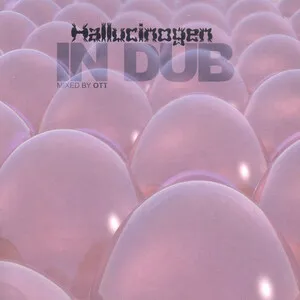
In Dub
Hallucinogen
Psybient
Ambient Dub
Downtempo
1996
2
/5
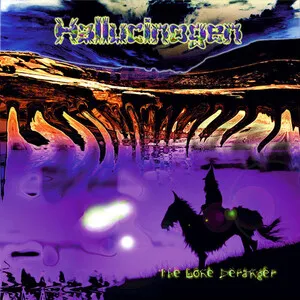
The Lone Deranger
Hallucinogen
Psytrance
Trance
Electronic
1996
2
/5
Twisted
Hallucinogen
Goa Trance
Psytrance
Trance
Similar artists
1
/5
Various Artists
Afro-Funk
Alternative Rock
Ambient
2
/5
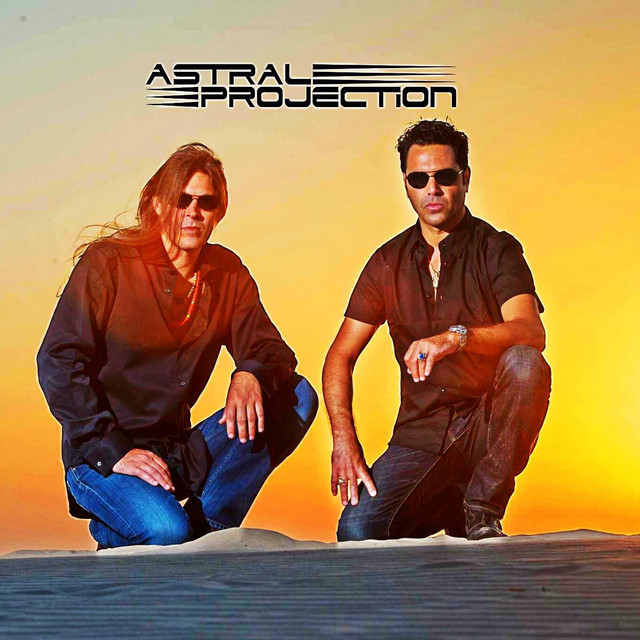
Astral Projection
Psytrance
Trance
Goa Trance
2
/5
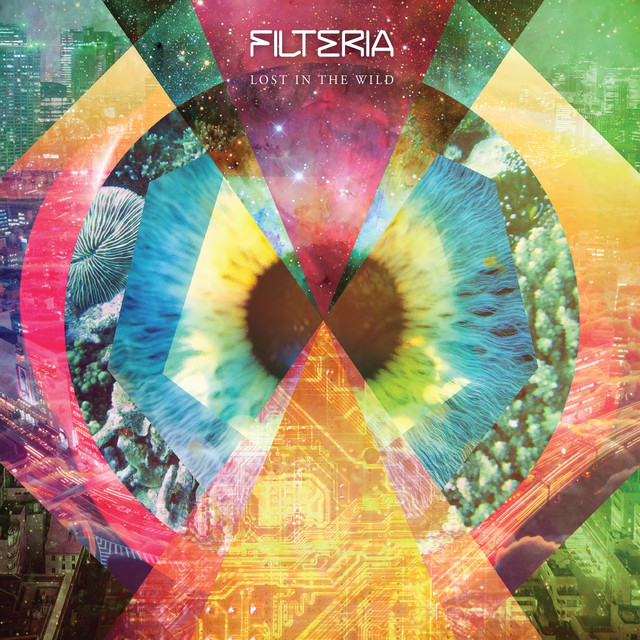
Filteria
Goa Trance
Psytrance
Trance
1
/5
Dimension 5
Goa Trance
Psytrance
Trance
1
/5
Texas Faggott
Suomisaundi
Psytrance
Electronic
3
/5
Infected Mushroom
Psytrance
Electronic
Tech-Noir
3
/5
Liquid Soul
Psytrance
Progressive Trance
Electronic
2
/5
Man With No Name
Goa Trance
Trance
Psytrance
3
/5
Astrix
Psytrance
Progressive Trance
Gaming Edm
1
/5
Transwave
Goa Trance
Psytrance
Trance
Download our mobile app
Get the Melodigging app and start digging for new genres on the go
Download on the App Store
Get it on Google Play
© 2026 Melodigging
Give feedback
Legal
Melodding was created as a tribute to
Every Noise at Once
, which inspired us to help curious minds keep digging into music's ever-evolving genres.