Your digging level

For this genre
0/8
🏆
Sign in, then listen to this genre to level up

Description

Suomisaundi (also spelled suomisoundi) is a free‑form, highly experimental branch of psychedelic trance that emerged in Finland in the mid‑1990s.

It favors playful, humorous aesthetics, funky and syncopated basslines, squelchy acid leads, and unpredictable song structures over the tightly formulaic arrangements of mainstream psytrance. Producers often embrace DIY sensibilities—drawing on tracker/software culture, quirky sample collage, and lo‑fi timbres—while keeping the core 4/4 dance pulse.

Compared with other psy styles, suomisaundi is less concerned with standardized “peak/drop” arcs and more with spontaneous, jam‑like narratives, sudden left turns, odd meters or tempo shifts, and melodic ideas that reference local folk, polka/humppa, and video‑game/demoscene influences.


Sources: Spotify, Wikipedia, Discogs, RYM, MB, user feedback and other online sources

History

Origins (mid‑1990s)

Suomisaundi crystallized within Finland’s small but inventive rave/psytrance community as producers began pushing away from the increasingly codified Goa/psy templates. The term literally means “Finnish sound,” reflecting a local identity that blended the hypnotic drive of Goa trance with irreverent humor, acid squelch, and a hackerish, demoscene‑inflected production ethos.

Netlabels, crews, and codification (late 1990s–2000s)

Community hubs, parties, and early netlabels documented and promoted the style, with scene figure Tim Thick acting as a vocal proponent and archivist. Crews and labels cultivated a recognizable aesthetic: fast, funky grooves; rubbery 303 lines; cut‑and‑paste samples; and unpredictable arrangement.

International diffusion (2000s)

By the early 2000s, compilations and label partnerships brought suomisaundi to global psy circles. Its free‑form approach resonated with DJs and dancers seeking a break from formulaic full‑on. The style cross‑pollinated with forest/dark strains, as well as with breaks‑leaning psy, without losing its cheeky, melodic edge.

Digital era and continuity (2010s–present)

Bandcamp, netlabel culture, and social media kept the scene vibrant and decentralized. Contemporary producers continue the tradition of playful experimentation, mixing modern sound design with the classic suomi spirit—groovy, oddball, and joyfully nonconformist.
How to make a track in this genre

Tempo, groove, and rhythm
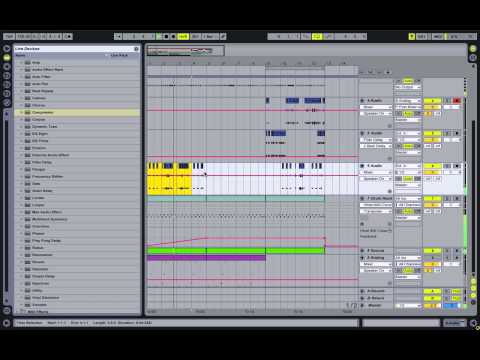
•   Aim for 138–150 BPM with a steady 4/4 kick, but feel free to use swing, push‑pull grooves, and rhythmic prankery. •   Ditch the standard off‑beat/rolling psy bass. Try syncopated, funky basslines with ghost notes, octave pops, and occasional triplet or 7/8 inserts before snapping back to 4/4.
Sound palette and design
•   Build tracks around elastic acid lines (TB‑303 or clones) and expressive filter automation (resonance sweeps, FM/RM oddities, pitch bends). •   Layer quirky FM/PCM timbres, tracker‑style one‑shots, and demoscene/game‑inspired bleeps. Embrace a bit of lo‑fi grit, bitcrush, or cassette wow/flutter. •   Use bright, slightly detuned leads for singable motifs; contrast with foresty textures, metallic zaps, cowbells, and toms for percussive color.
Harmony and melody
•   Favor modal/folky scales (Dorian, Mixolydian, Lydian) and playful cadences. Short hooky motifs that mutate through transposition and ornamentation work well. •   Write counter‑melodies that weave around acid lines. Don’t be afraid of sudden key shifts for comedic or surreal effect.
Arrangement and narrative
•   Avoid rigid build‑drop formulas. Craft jam‑like arcs: introduce an idea, twist it unexpectedly, break into a polka/humppa wink, then rejoin the groove. •   Use cut‑ups and spoken snippets sparingly to enhance humor. Quick breakdowns, odd fills, and tempo feints keep the dancefloor guessing.
Mixing and feel
•   Prioritize groove and midrange character over hyper‑clinical loudness. Let kicks be punchy but not over‑limited; keep dynamic micro‑swings. •   Stereo imagery can be wide and playful (ping‑pong delays, Doppler flanges), but anchor kick/bass center so the funk translates live.
Performance tips
•   Live: map filter/resonance, delay feedback, and bass cutoff to controllers for hands‑on squelch and spontaneous edits. •   DJ sets: interleave suomi tracks with darker or forest pieces, using suomi for lift, color, and surprise transitions.

Main artists

Top tracks

Locked
Share your favorite track to unlock other users’ top tracks

Upcoming concerts

in this genre
Influenced by
Has influenced

Download our mobile app

Get the Melodigging app and start digging for new genres on the go
© 2026 Melodigging
Melodding was created as a tribute to Every Noise at Once, which inspired us to help curious minds keep digging into music's ever-evolving genres.
Buy me a coffee for Melodigging