Genres
Artists
Albums
Make Music
Sign in
Sign in
Artists
Choral
Artists
Choral
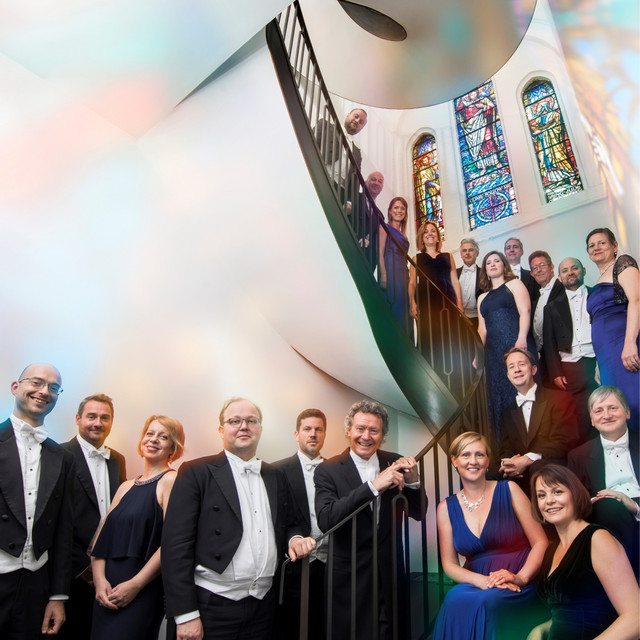
Grex Vocalis
1983
·
1 album
Listen
2
/5
Genres
English Renaissance
English Renaissance music refers to the flourishing of sacred and secular composition in England from the early 16th century through the early 17th century. It is characterized by rich modal polyphony, careful text setting, and a distinctive color that often features expressive cross-relations ("English false relations"). The tradition encompasses large-scale Latin and English church works (Masses, motets, anthems, and services), as well as an influential secular output including madrigals, lute songs (ayres), consort songs, and instrumental music for viols and keyboard (the Virginalist school). Dance-derived forms such as the pavan and galliard, and variation techniques over ground basses (e.g., romanesca, passamezzo) are hallmarks of the instrumental style. Instrumentation typically centers on choir, viol consort, lute, and virginals/harpsichord, with an idiom that balances imitative counterpoint and clear declamation. The period witnessed a golden age under the Tudors and early Stuarts, culminating in composers such as Tallis, Byrd, Morley, Dowland, and Gibbons.
Discover
Listen
Renaissance
Renaissance music (c. 1400–1600) marks the shift from medieval sonorities to a clearer, triad-based polyphony in which multiple independent voices are treated with near-equal importance. It favors modal counterpoint, pervasive imitation, smooth voice-leading, and carefully prepared cadences. Text intelligibility and expressive text-setting become central concerns, especially in sacred motets and masses and in secular forms like the Italian madrigal and the French chanson. While much of the repertory is a cappella, instrumental consorts (viol, recorder, sackbut, cornett, organ) play a growing role. A steady tactus underpins rhythms, and tuning systems such as meantone temperament shape its characteristic color. Music printing (from 1501) accelerates stylistic diffusion across Europe.
Discover
Listen
Choral
Choral refers to music written for and performed by a choir—an ensemble of voices organized into sections such as soprano, alto, tenor, and bass (SATB), or same-voice groupings (SSA, TTBB). It encompasses both sacred and secular repertoire and may be sung a cappella or with accompaniment by organ, piano, or full orchestra. Stylistically, choral music ranges from chant-like monophony to intricate polyphony and rich homophonic textures. Texts are drawn from liturgy, scripture, poetry, and vernacular sources, and are set in many languages. Performance contexts include church services, concert halls, and community events, making choral one of the most socially embedded and widely practiced forms of ensemble music. Across history, choral music has served as a laboratory for vocal counterpoint, word painting, and text-driven form, while functioning as a cultural bridge among religious rites, national traditions, and contemporary concert practice.
Discover
Listen
Albums
1983
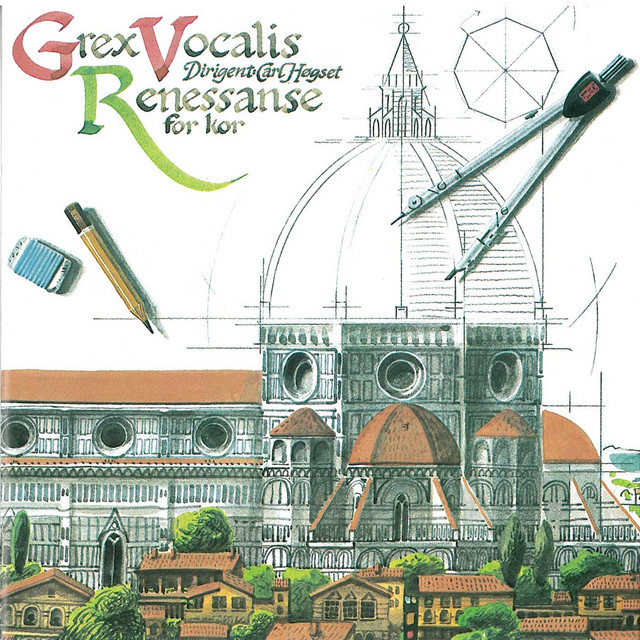
Renessanse for Kor
Grex Vocalis
English Renaissance
Similar artists
3
/5
Oxford Camerata
Renaissance
Classical
Gregorian Chant
3
/5
Harry Christophers
Baroque
Choral
Classical Performance
3
/5
Andreas Scholl
Baroque
Classical
Cantata
3
/5
The Sixteen
Baroque
Classical
Choral
3
/5
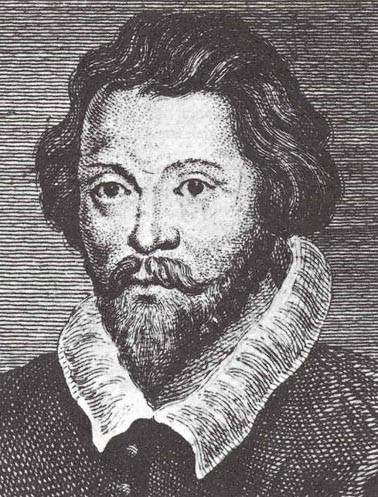
William Byrd
Renaissance
Choral
Classical
3
/5
The King's Singers
Puirt À Beul
Choral
Renaissance
3
/5
Lionel Meunier
Requiem
Baroque
Choral
2
/5
Vox Luminis
Requiem
Baroque
Choral
2
/5
Owain Park
Choral
Early Music
Gregorian Chant
2
/5
Antony Pitts
Choral
Early Music
Gregorian Chant
Download our mobile app
Get the Melodigging app and start digging for new genres on the go
Download on the App Store
Get it on Google Play
© 2026 Melodigging
Give feedback
Legal
Melodding was created as a tribute to
Every Noise at Once
, which inspired us to help curious minds keep digging into music's ever-evolving genres.