Genres
Artists
Albums
Make Music
Sign in
Sign in
Artists
Covertronica
Artists
Covertronica
Gosha
Listen
3
/5
Genres
Covertronica
Covertronica is a microgenre centered on electronically produced cover versions of well‑known songs. Artists retain the recognizability of the original melodies and hooks, but reimagine them with contemporary electronic palettes—glossy synths, side‑chained pads, drum machines, 808s, and modern pop/EDM production. The style thrives on clever reharmonization (e.g., minor/major flips), tempo shifts, and textural redesign, often translating rock, soul, or classic pop into sleek electropop/indietronica frameworks. Vocals are typically polished and upfront, with stacked harmonies, tight autotune as a color (when desired), and arrangement tricks such as filtered intros, half‑time drops, and breakdowns that mirror club and synth‑pop dynamics. Because the repertoire comes from existing songs, covertronica is as much about curatorial taste and arrangement craft as it is about sound design, making it a meeting point between DJ culture’s recontextualization and the singer‑producer era of the internet.
Discover
Listen
Dark Clubbing
Dark clubbing is a contemporary, internet-spread club aesthetic that blends the physical energy of techno and EBM with the shadowy atmosphere of darkwave and post‑punk. Typically mid‑tempo to driving (roughly 115–130 BPM), it favors pounding four‑to‑the‑floor kicks, gritty bass synths, cold synthetic textures, and reverb‑soaked vocals. The result is dance music that feels nocturnal and cinematic—equally suited to smoke‑filled basements and late‑night drives. Although it borrows heavily from older traditions (industrial, electro, goth/EBM club culture), dark clubbing cohered as a playlist‑ and DJ‑driven micro‑scene in the late 2010s, unified more by shared mood, sound design, and visual aesthetic (neon noir, chrome, leather, shadow) than by rigid formal rules.
Discover
Listen
Groove Room
Groove room is a sleek, club-leaning micro-style at the intersection of deep house, nu-disco, and indie dance. It favors warm, rubbery basslines, syncopated percussion with a light shuffle, and silky chords or Rhodes stabs that keep the floor moving without resorting to maximal drops. The production tends to be mid-tempo (typically 115–123 BPM) with a glossy but intimate soundstage: subtle guitar licks, filtered disco fragments, sax or flute flourishes, and breathy, soulful toplines are common. The result feels both lounge-ready and dancefloor-capable—music that can soundtrack a cocktail hour and still peak a small room at 2 a.m. Aesthetically, groove room embraces modern house drum design and sidechained pads, but draws its melodic language from 70s/80s funk and disco, framed with indie-dance sensibility. It’s polished, ear-pleasing, and arranged to sustain a steady, hypnotic bounce.
Discover
Listen
Darksynth
Darksynth is a brooding, aggressive offshoot of synthwave that fuses 1980s cinematic synth aesthetics with the bite of industrial and EBM. It emphasizes distorted bass arpeggios, minor-key motifs, and ominous atmospheres inspired by slasher films, cyberpunk dystopias, and occult imagery. The style typically features saturated analog-style timbres, reese and FM basses, gated reverbs, and pounding, 80s-informed drum programming. While it retains retro color and melody, it pushes into harsher sound design, higher contrast dynamics, and heavier rhythmic impact than most synthwave, often flirting with metal’s intensity and industrial’s menace.
Discover
Listen
Deep House
Deep house is a subgenre of house music characterized by warm, soulful textures, jazz-influenced harmony, and understated, hypnotic grooves. It typically runs around 115–124 BPM, favoring subtle swing, syncopated percussion, and rounded, mellow basslines over aggressive peaks. Sonically, deep house draws on extended chords (7ths, 9ths, 11ths), Rhodes and M1 organ timbres, airy pads, and tasteful use of reverb and delay to create a spacious, emotive atmosphere. Vocals, when present, often reference soul and gospel traditions, delivering intimate, reflective themes rather than big-room hooks. The style emerged in the mid-to-late 1980s as producers fused Chicago house rhythms with jazz-funk, soul, and garage house sensibilities, resulting in a smoother, deeper take on the house blueprint.
Discover
Listen
Similar artists
3
/5
Robert Cristian
Covertronica
Deep House
Groove Room
3
/5
Matvey Emerson
Covertronica
Deep House
Groove Room
2
/5
NEVRMIND
Covertronica
Deep House
Groove Room
5
/5
The Weeknd
Contemporary R&b
Alternative R&b
Pop
4
/5
Robin Schulz
Tropical House
Electronic
Deep Euro House
4
/5
Gabry Ponte
Italo Dance
Eurodance
Slap House
4
/5
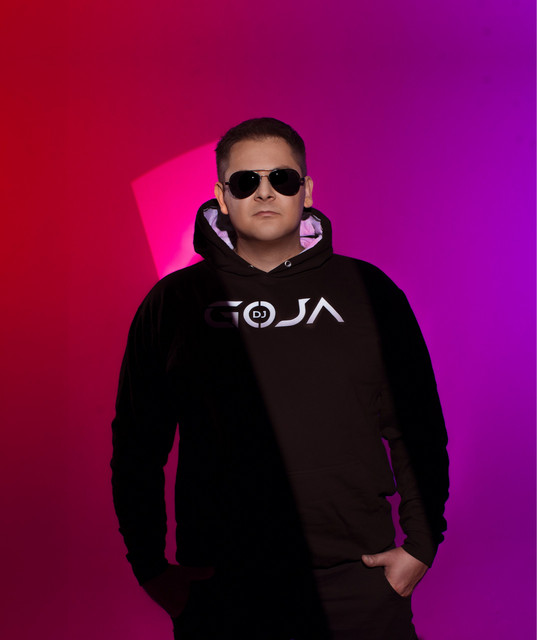
DJ Goja
Afrobeats
Covertronica
Deep Deep House
4
/5
Deep Mage
Deep House
Tropical House
Chill House
4
/5
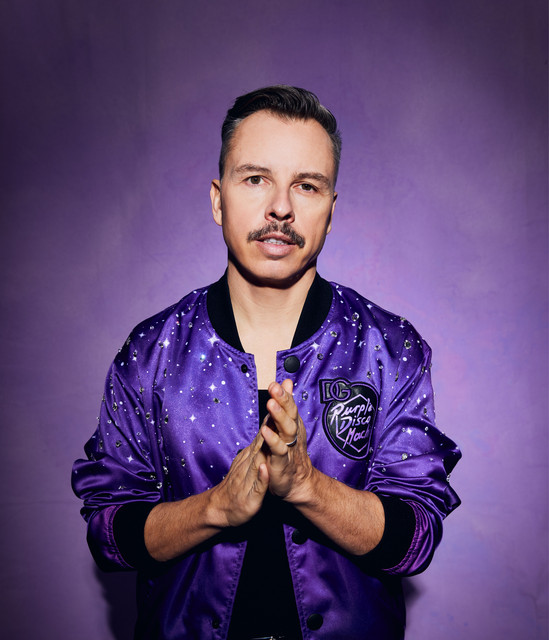
Purple Disco Machine
Funky House
Disco House
Nu Disco
4
/5
AVAION
Deep House
Tropical House
Stutter House
Download our mobile app
Get the Melodigging app and start digging for new genres on the go
Download on the App Store
Get it on Google Play
© 2026 Melodigging
Give feedback
Legal
Melodding was created as a tribute to
Every Noise at Once
, which inspired us to help curious minds keep digging into music's ever-evolving genres.