Genres
Artists
Albums
Make Music
Sign in
Sign in
Artists
Honkyoku
Artists
Honkyoku
Goro Yamaguchi
1994–1996
·
2 albums
Listen
1
/5
Genres
Honkyoku
Honkyoku are solo shakuhachi (end-blown bamboo flute) pieces associated with the Komusō, wandering lay Buddhist practitioners from the warrior class who practiced suizen ("blowing meditation"). Developed primarily during Japan’s Edo period, honkyoku emphasize breath, silence (ma), and subtle inflections over fixed meter or virtuosic display. Their sound world features free rhythm, contemplative pacing, microtonal pitch shading (meri/kari), and distinctive tone colors—ranging from pure, bell-like tones to airy, breath-saturated textures (muraiki). Although now performed in concert settings, the repertoire originated as a meditative practice and remains one of the most inward-looking branches of Japanese classical music.
Discover
Listen
East Asian Classical Music
East Asian classical music refers to the interconnected courtly, ritual, and elite art-music traditions of China, Korea, Japan, and (historically) Vietnam that share a deep lineage in classical Chinese musical thought and repertory. At its core are Confucian ceremonial aesthetics, pentatonic modal systems, heterophonic ensemble textures, and codified repertoires transmitted through court institutions, temples, and literati circles. Signature sound worlds include China’s refined guqin and yayue court ensembles, Japan’s stately gagaku and Buddhist shōmyō chant, Korea’s aak (Confucian ritual), hyangak/dangak, and jeongak (court and aristocratic music), and Vietnam’s nhã nhạc (Huế court music). The result is a family of traditions marked by timbral subtlety (e.g., sho chord clusters, hichiriki reeds, silk-string zithers), flexible but ceremonially structured rhythm, and modal nuance—often conveying grandeur, contemplation, and ritual solemnity.
Discover
Listen
Japanese Classical
Japanese classical refers to the courtly, religious, theatrical, and chamber traditions that crystallized in Japan from the Nara and Heian periods onward. It encompasses Gagaku (imperial court music), Shinto ritual music (kagura), Buddhist chant (shōmyō), Noh and Kabuki repertories (e.g., nagauta, jōruri), and chamber music for koto, shamisen, and shakuhachi (sankyoku). The style emphasizes modal color (ryō and ritsu modes, along with later in/yo pentatonic variants), the dramatic architecture of jo–ha–kyū (slow introduction, development, swift conclusion), and the aesthetic of ma (meaningful silence/space). Textures are often heterophonic or layered, timbres are cultivated for breathy, reedy, and bell-like colors (e.g., shō, hichiriki, ryūteki), and rhythm can range from free-flowing chant to stately ceremonial cycles. The result is a contemplative yet ceremonially powerful sound world distinct from Western common-practice tonality.
Discover
Listen
Japanese Music
Japanese music is a broad umbrella that spans ancient court and religious traditions, regional folk repertoires, and a vast spectrum of modern popular and experimental styles. Its aesthetic is often defined by timbral nuance, the expressive use of silence (ma), flexible rhythm, and modal pitch collections distinct from common-practice Western harmony. Core traditional streams include gagaku (imperial court music), shōmyō (Buddhist chant), noh and kabuki theater music (e.g., nagauta), and min'yō (folk song). Instruments such as the koto, shamisen, shakuhachi, biwa, and various taiko drums shape its signature sound. Since the Meiji period, Western classical, band, jazz, rock, electronic, and hip-hop idioms have been localized into uniquely Japanese forms—from kayōkyoku and enka to city pop, J-pop, Vocaloid, and game/anime music.
Discover
Listen
Albums
1996
1
/5
L'art de la flûte shakuhachi
Goro Yamaguchi
Honkyoku
1994
1
/5
A Bell Ringing in the Empty Sky
Gorō Yamaguchi
Honkyoku
East Asian Classical Music
Japanese Music
Similar artists
2
/5
Nonesuch Explorer Series
East Asian Classical Music
Japanese Music
East Asian Music
2
/5
Nanae Yoshimura
Sōkyoku
Classical
Folk
1
/5
Master Musicians Of The Ikuta School
Japanese Classical
Traditional Music
East Asian Classical Music
1
/5
Koto Ensemble Of The Ikuta School, Japan
Japanese Classical
Traditional Music
Asian Music
1
/5
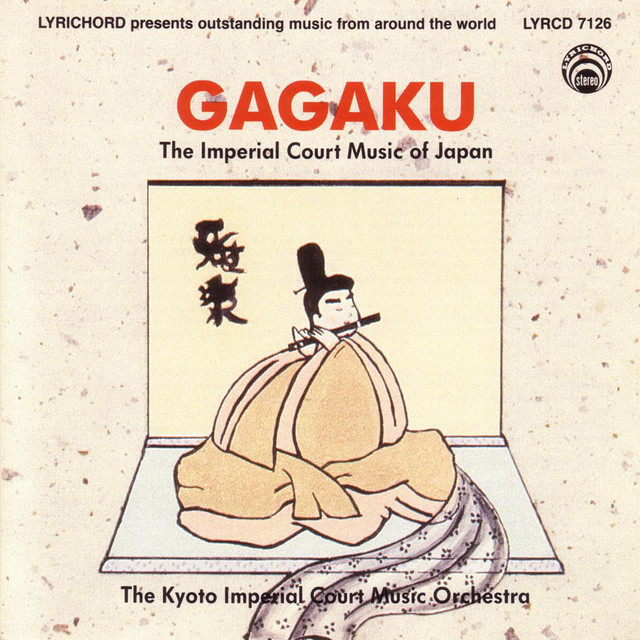
Kyoto Imperial Court Music Orchestra
Japanese Classical
Traditional Music
East Asian Classical Music
1
/5
Nippon Gagaku Kai
Japanese Classical
Traditional Music
East Asian Classical Music
1
/5
Tadao Sawai
Japanese Classical
Traditional Music
East Asian Classical Music
1
/5
Tokyo Gakuso
Gagaku
Japanese Classical
Traditional Music
1
/5
Kinshi Tsuruta
Japanese Classical
East Asian Classical Music
East Asian Folk Music
1
/5
Moines Du Temple Daitokuji De Kyôto
Japanese Classical
Traditional Folk
Traditional Music
Download our mobile app
Get the Melodigging app and start digging for new genres on the go
Download on the App Store
Get it on Google Play
© 2026 Melodigging
Give feedback
Legal
Melodding was created as a tribute to
Every Noise at Once
, which inspired us to help curious minds keep digging into music's ever-evolving genres.