Genres
Artists
Albums
Make Music
Sign in
Sign in
Artists
Ska
Artists
Ska
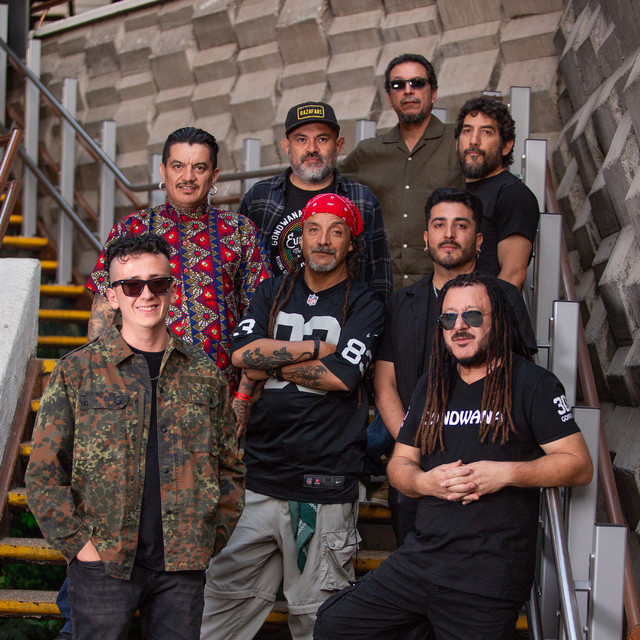
Gondwana
1997–2003
·
2 albums
Listen
4
/5
Genres
New Isolationism
New isolationism is a contemporary strain of isolationist ambient and post-industrial minimalism that emerged in the 2010s, particularly around Scandinavian experimental labels and studios. It foregrounds intimate, close-mic’d sound, negative space, and a quiet-but-present noise floor; its pieces feel both internal and architectural, like rooms built from reverb tails, tape hiss, and soft electronics. Sonically, the style blends glacial drones, fragile chamber timbres (strings, organ, piano), lo‑fi electronics, and field recordings into stark, slow-evolving tableaux. Melodic information is sparse—often only a few tones or gestures—while rhythm is either absent or reduced to distant pulses, heartbeats, or mechanical cycles. Vocals, when they appear, are murmured, diaristic, or abstracted by pitch and time manipulation. Aesthetically, new isolationism is post‑internet and diaristic: it captures solitude, memory, and dislocation with a palette that feels personal yet estranged, drawing as much from contemporary gallery sound practice as from classic dark ambient.
Discover
Listen
Spanish-Language Reggae
Spanish-language reggae (often called "reggae en español") adapts Jamaican reggae and dancehall aesthetics to Spanish lyrics and Latin American cultural contexts. It spans two complementary currents: roots/reggae bands that sing in Spanish, and the Panamanian dancehall/singjay tradition that placed Spanish toasting over Jamaican riddims. Hallmarks include syncopated one‑drop or steppers drum patterns, a prominent, melodic bassline, offbeat guitar/keyboard "skank," and dub-informed production with space, delay, and spring reverb. Vocals range from soulful crooning to rapid-fire singjay flows, switching fluidly between Spanish and Caribbean slang. Lyrical themes move between social commentary, identity, romance, spirituality, and party vibes. From local sound systems to global stages, the style became a bridge between Jamaica’s sound system culture and the Latin world—both preserving reggae’s roots spirit and directly feeding the emergence of reggaetón and broader urbano scenes.
Discover
Listen
Roots Reggae
Roots reggae is a spiritually and socially conscious strand of reggae that emerged in Jamaica in the early to mid-1970s. It emphasizes Rasta themes, African identity, resistance to oppression, and everyday struggles, delivered through soulful vocals and storytelling lyrics. Musically, it features the one‑drop drum pattern, heavy melodic basslines, offbeat "skank" guitar/piano, warm Hammond/organ bubbles, and spacious, dub-influenced production. Tempos are moderate and rolling, the grooves are hypnotic, and the arrangements leave space for call‑and‑response, harmony vocals, and horn counter‑melodies.
Discover
Listen
Reggae-Pop
Reggae-pop blends the offbeat rhythms, skanking guitar, and bass-forward grooves of reggae with the hooks, song structures, and polished production of mainstream pop. It typically features bright, catchy choruses, romantic or feel-good lyrics, and accessible arrangements that keep the reggae pulse while smoothing edges for radio play. Drum patterns often sit in the 75–100 BPM range and may alternate between a laid-back one-drop feel and a straighter pop backbeat, while keyboards and guitars accent the offbeats to preserve the genre’s Caribbean character.
Discover
Listen
Reggae
Reggae is a popular music genre from Jamaica characterized by a laid-back, syncopated groove, prominent bass lines, and steady offbeat “skank” guitar or keyboard chords. The rhythmic core often emphasizes the third beat in a bar (the “one drop”), creating a spacious, rolling feel that foregrounds bass and drums. Typical instrumentation includes drum kit, electric bass, rhythm and lead guitars, keyboards/organ (notably the Hammond and the percussive "bubble"), and often horn sections. Tempos generally sit around 70–80 BPM (or 140–160 BPM felt in half-time), allowing vocals to breathe and messages to be clearly delivered. Lyrically, reggae ranges from love songs and everyday storytelling to incisive social commentary, resistance, and spirituality, with Rastafarian culture and language (e.g., “I and I”) playing a central role in many classic recordings. Studio production techniques—spring reverbs, tape delays, and creative mixing—became signature elements, especially through dub versions that strip down and reimagine tracks.
Discover
Listen
Ska
Ska is a Jamaican popular music style characterized by a brisk 4/4 groove, off‑beat guitar or piano upstrokes (the “skank”), walking bass lines, and punchy horn riffs. Emerging in late‑1950s Kingston dancehalls, ska fused local mento and calypso with American rhythm & blues and jazz, creating a lively sound that celebrated independence‑era optimism and street culture. Across time, ska evolved through distinct waves: the original Jamaican ska of the early 1960s, the racially integrated and politically aware 2 Tone movement in late‑1970s Britain, and the third‑wave explosion in the 1990s that blended ska with punk energy around the world.
Discover
Listen
Albums
2003
1
/5
RAS Portraits
Gondwana
Ska
1997
4
/5
Gondwana
Gondwana
Reggae-Pop
Similar artists
1
/5
Various Artists
Afro-Funk
Alternative Rock
Ambient
3
/5
Ganja
Mexican Ska
Reggae
Roots Reggae
3
/5
Antidoping
Mexican Ska
Musica Quintanarroense
Musica Sudcaliforniana
2
/5
Rastrillos
Mexican Ska
Reggae
Roots Reggae
1
/5
Leones Negros
Reggae
Roots Reggae
Ska
4
/5
Cultura Profética
Roots Reggae
Reggae
Latin Alternative
2
/5
Phyllis Dillon
Rocksteady
Calypso
Lovers Rock
3
/5
Toots & The Maytals
Reggae
Rocksteady
Roots Reggae
3
/5
The Wailers
Rocksteady
Ska
Dub
3
/5
The Skatalites
Jamaican Ska
Dub
Ska
Download our mobile app
Get the Melodigging app and start digging for new genres on the go
Download on the App Store
Get it on Google Play
© 2026 Melodigging
Give feedback
Legal
Melodding was created as a tribute to
Every Noise at Once
, which inspired us to help curious minds keep digging into music's ever-evolving genres.