Genres
Artists
Albums
Make Music
Sign in
Sign in
Artists
Mashup
Artists
Mashup
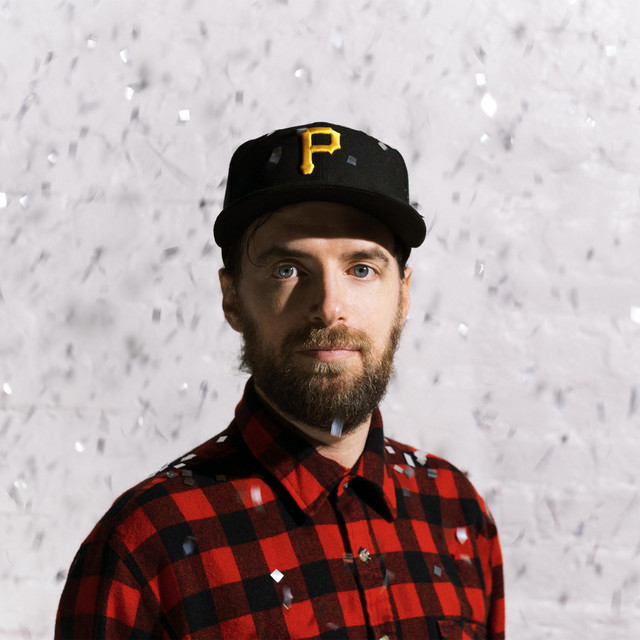
Girl Talk
2004–2008
·
4 albums
Listen
3
/5
Genres
Deep Southern Trap
Deep southern trap is a moody, bass-forward branch of Southern U.S. trap distinguished by subterranean 808 subs, sparse but hard-hitting drums, and minor-key, cinematic textures. It places atmosphere and low‑end pressure at the center, often pairing sliding 808s with ominous pads, bells, or plucked synths that leave ample space for the vocal. The tempo typically sits around 60–75 BPM (or 120–150 BPM double‑time), with half‑time bounce, triplet hi‑hat rolls, and tightly quantized snares/claps. Lyrically it ranges from street reportage and survival narratives to introspective, codeine‑slow melancholia—punctuated by ad‑libs and heavily processed vocals. The overall aesthetic is dark, weighty, and immersive, optimized as much for car systems as for headphones.
Discover
Listen
Mashup
Mashup is a genre and production technique in which two or more pre‑existing recordings are combined to form a new track, most commonly by placing the vocal (a cappella) from one song over the instrumental of another. It relies on beatmatching, harmonic mixing, and careful editing to create the illusion that disparate sources naturally fit together. Unlike a traditional remix (which typically reworks stems from a single song) or a medley (which plays songs sequentially), a mashup emphasizes simultaneous overlay and interplay between multiple songs, often highlighting humor, contrast, or surprising continuity. The style rose to prominence in the early 2000s UK “bastard pop” scene and spread via file‑sharing, blogs, and video platforms; it remains popular in DJ culture, pop culture countdowns, and internet meme communities, while inhabiting a legal gray area due to copyright.
Discover
Listen
Idm
IDM (often expanded as "Intelligent Dance Music") is a strand of experimental electronic music that applies the sound palette and production methods of club genres to listening-focused, often home-oriented works. It favors intricate rhythm programming, unusual time signatures, and richly textured sound design, blending ambient atmospheres with techno’s pulse, electro’s syncopation, and breakbeat’s fragmentation. The music often de-emphasizes the dancefloor in favor of headphone detail, algorithmic structure, and timbral exploration. The term itself is contentious—many artists rejected the "intelligent" label—yet it became a convenient tag for the early- to mid‑1990s cluster of Warp, Rephlex, and related scenes that foregrounded complexity, abstraction, and emotional ambiguity.
Discover
Listen
Glitch
Glitch is an experimental electronic music genre that foregrounds the sounds of technological error—digital clicks, pops, clipping, buffer underruns, CD skipping, software crashes, and bit‑reduction. Rather than hiding artifacts, producers use them as primary musical material, often arranged through extreme micro‑editing and non‑linear sequencing. Texturally, glitch spans austere minimalism to warm, hazy ambience. Rhythms tend to be fragmented and asymmetrical, with sudden cuts, stutters, and silences that create tension and negative space. The palette commonly includes sine‑tone grains, granular clouds, filtered noise, and hyper‑detailed percussive fragments, sometimes sitting over subdued drones or dub‑inflected low end. The style emerged in the late 1990s around labels such as Mille Plateaux, influenced by IDM, minimal techno, and the aesthetics of failure in digital media. It later permeated pop and beat‑driven styles through sound‑design techniques that evoke imperfection and transience.
Discover
Listen
Plunderphonics
Plunderphonics is a sample-based music practice in which new compositions are made entirely or predominantly from pre‑existing recordings. Rather than using short, unrecognizable snippets as texture, plunderphonic works foreground recognizable materials—pop hits, classical excerpts, commercials, voice-overs—and transform them through juxtaposition, layering, pitch-shifting, time-stretching, and collage. Coined by Canadian composer John Oswald in the mid‑1980s, the term names both a technique and a critical stance that questions authorship, originality, and ownership in the age of reproducible media. Plunderphonics often functions as cultural commentary or satire, drawing attention to how meaning changes when familiar sounds are recontextualized. Stylistically, it ranges from dense cut‑up cacophony to groove-oriented rearrangements that remain danceable and accessible.
Discover
Listen
Hip Hop
Hip hop is a cultural and musical movement that emerged from Black, Latino, and Caribbean communities, centering around rapping (MCing), DJing/turntablism, sampling-based production, and rhythmic speech over beats. It prioritizes groove, wordplay, and storytelling, often reflecting the social realities of urban life. Musically, hip hop is built on drum-centric rhythms (from breakbeats to 808 patterns), looped samples, and bass-forward mixes. Lyrically, it ranges from party anthems and braggadocio to political commentary and intricate poetic forms, with flow, cadence, and rhyme density as core expressive tools. Beyond music, hip hop encompasses a broader culture, historically intertwined with graffiti, b-boying/b-girling (breakdance), fashion, and street entrepreneurship, making it both an art form and a global social language.
Discover
Listen
Experimental
Experimental music is an umbrella term for practices that prioritize exploration, process, and discovery over adherence to established genre norms. It embraces new sound sources, nonstandard tuning systems, indeterminacy and chance operations, graphic and open-form scores, extended techniques, and technology-led sound design (tape, electronics, computers, and live processing). Rather than a single style, it is a methodology and ethos: testing hypotheses about sound, structure, and performance, often blurring boundaries between composition, improvisation, sound art, and performance art. Listeners can expect unfamiliar timbres, unusual forms, and an emphasis on how music is made as much as the resulting sound.
Discover
Listen
Electronic
Electronic is a broad umbrella genre defined by the primary use of electronically generated or electronically processed sound. It encompasses music made with synthesizers, drum machines, samplers, computers, and studio/tape techniques, as well as electroacoustic manipulation of recorded or synthetic sources. The genre ranges from academic and experimental traditions to popular and dance-oriented forms. While its sonic palette is rooted in electricity and circuitry, its aesthetics span minimal and textural explorations, structured song forms, and beat-driven club permutations. Electronic emphasizes sound design, timbre, and studio-as-instrument practices as much as melody and harmony.
Discover
Listen
Show all 8 genres
Albums
2008
3
/5
Feed the Animals
Girl Talk
Mashup
Plunderphonics
2006
3
/5
Night Ripper
Girl Talk
Mashup
2004
2
/5
Unstoppable
Girl Talk
Mashup
Electronic
Idm
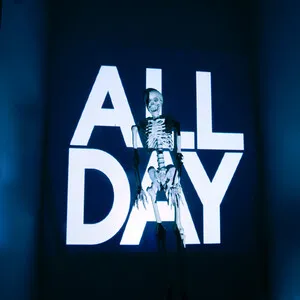
All Day
Girl Talk
Mashup
Similar artists
3
/5
Oneohtrix Point Never
Hauntology
Plunderphonics
Ambient
2
/5
Negativland
Experimental
Plunderphonics
Satire
3
/5
Susumu Yokota
Ambient
Fourth World
Drone
2
/5
Tdstr
Dariacore
Breakcore
Experimental Club Music
2
/5
Kid606
Drill And Bass
Breakcore
Deep Idm
1
/5
Various Artists
Afro-Funk
Alternative Rock
Ambient
3
/5
Soulwax
Mashup
Alternative Dance
Electroclash
3
/5
3LAU
Mashup
Electronic
Progressive House
4
/5
The Avalanches
Collage Pop
Plunderphonics
Electronic
4
/5
George Clanton
Chillwave
Plunderphonics
Vaporwave
Download our mobile app
Get the Melodigging app and start digging for new genres on the go
Download on the App Store
Get it on Google Play
© 2026 Melodigging
Give feedback
Legal
Melodding was created as a tribute to
Every Noise at Once
, which inspired us to help curious minds keep digging into music's ever-evolving genres.