Genres
Artists
Albums
Make Music
Sign in
Sign in
Artists
Ghazal
Artists
Ghazal
Girija Devi
3 albums
Listen
1
/5
Genres
Thumri
Thumri is a North Indian (Hindustani) light-classical vocal genre known for its expressive, romantic character and flexible approach to raga and text. It typically sets short, evocative lyrics—often in Braj Bhasha, Hindi, or Urdu—on themes of shṛngāra (love), viraha (separation), and Krishna devotion, prioritizing emotional nuance over strict raga orthodoxy. Musically, thumri is associated with slow-to-medium tempi, lilting rhythmic cycles such as Dadra (6), Keherwa (8), Rupak (7), Deepchandi (14), and Addha, and a palette of “mishra” (mixed) ragas like Khamaj, Kafi, Bhairavi, and Pilu. Ornamentation is central: meend (glides), murki (grace turns), andolan (gentle oscillation), bol-banāo (word-based elaboration), and delicate taans color the line. Historically linked to tawaif (courtesan) culture and kathak dance, thumri matured in 19th‑century Lucknow and later flourished in Benares (Varanasi), evolving two principal styles: bandish-ki-thumri (more rhythmic and dance-oriented) and bol-banaav thumri (slow, lyrical, and text-centered).
Discover
Listen
Ghazal
Ghazal is a South Asian light-classical vocal genre built around the Urdu–Persian poetic form of the same name. It sets couplets (sher) that share a rhyme (qaafiya) and refrain (radif), often opening with a matla and ending with a maqta featuring the poet’s takhallus. Themes revolve around love, longing, separation, metaphysical yearning, and refined wit. Musically, ghazal draws on Hindustani classical grammar but prioritizes text clarity and melodic expressiveness over elaborate improvisation. Performances commonly feature a singer accompanied by harmonium and tabla (with sarangi, sitar, or guitar as color), use raga-informed melodies, and keep lilting tala cycles such as dadra (6 beats) or keherwa (8 beats). The style favors intimate delivery, subtle ornamentation (meend, murki), and immaculate diction, making it ideal for salon (mehfil) settings as well as recorded and film music.
Discover
Listen
Khyal
Khyal (often spelled khayal) is the principal improvisatory vocal genre of North Indian (Hindustani) classical music. The word means “imagination,” and the style celebrates inventive melodic expansion within the strict grammar of raga and tala. A typical performance centers on two compositions (bandish): a slow, expansive vilambit or bada khyal followed by a fast drut or chhota khyal. Singers develop the raga through alap-like vistaar (melodic elaboration), bol-alap and bol-bant (text-based improvisation), sargam passages (solfège), and taans (fast, cascading runs) that culminate on the sam (downbeat). Khyal emphasizes microtonal nuance and vocal ornamentation—meend (glides), andolan (slow oscillations), gamak (heavy shakes), and intricate layakari (rhythmic play). It is accompanied by a tanpura drone, tabla in a chosen tala (often teentaal, ektal, or jhoomra), and a melodic support instrument such as sarangi or harmonium. Over the last two centuries, distinct gharanas (schools) have shaped its aesthetics, including Gwalior, Agra, Kirana, Jaipur-Atrauli, Patiala, Mewati, and Rampur-Sahaswan.
Discover
Listen
Hindustani Classical
Hindustani classical is the North Indian branch of the Indian classical tradition, centered on the concepts of raga (melodic framework) and tala (cyclical rhythm). It emphasizes improvisation within strict aesthetic and grammatical boundaries, unfolding a raga through a gradual, architected performance arc from free-rhythm exploration to metrically grounded elaboration. Performances typically proceed through an alap (slow, non-metrical exposition), jor and jhala (rhythmic intensification on plucked instruments), and a composed piece—bandish or gat—set to a tala cycle, followed by improvisations (vistar, tans, bol-bant) that resolve emphatically on the sam (first beat). Signature ornaments such as meend (glides), gamak (oscillation), and andolan (slow vibrato) articulate microtonal nuance (shruti). The style encompasses vocal genres like dhrupad and khyal, and instrumental idioms on sitar, sarod, sarangi, bansuri, and shehnai, supported by a sustaining drone (tanpura) and tabla or pakhawaj accompaniment. Beyond the concert hall, Hindustani classical has deeply informed sub-classical and popular forms across South Asia and, through mid-20th-century cultural exchange, popular and art music worldwide.
Discover
Listen
Indian Classical
Indian classical music (Shastriya Sangeet / Mārga Sangeet) is the art-music tradition of the Indian subcontinent, organized around melodic frameworks called raga and cyclical meters called tala. It has two major streams: Hindustani music in the North, which foregrounds extended improvisation and raga exploration, and Carnatic music in the South, which is composition-centric with structured but highly sophisticated improvisation. A related eastern tradition is Odissi (from present-day Odisha), whose classical lineage spans roughly two millennia. Despite regional distinctions, these systems share common theoretical roots, performance aesthetics, and a spiritual-philosophical view of music as a vehicle for rasa (embodied aesthetic emotion).
Discover
Listen
Albums
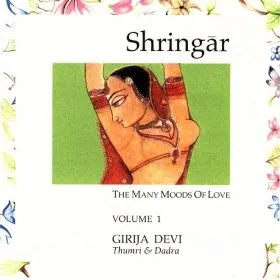
Girija Devi Vol.1 (Shringar: The Many Moods of Love)
Girija Devi
Thumri
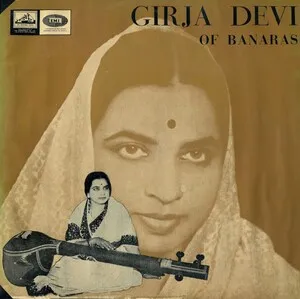
Girja Devi of Banaras
Girija Devi
Thumri
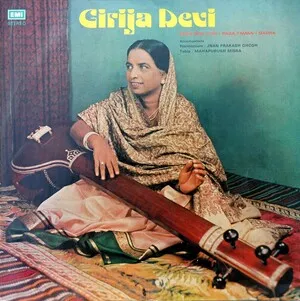
Raga Desi Todi, Raga Yaman, Dadra
Girija Devi
Khyal
Similar artists
2
/5
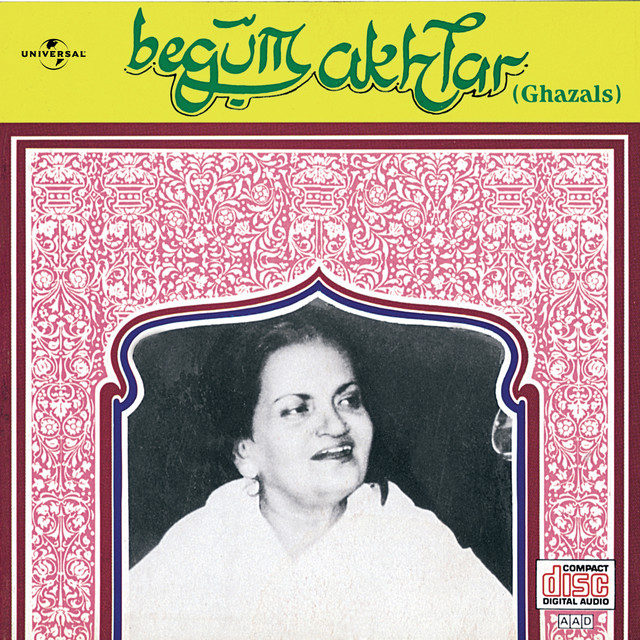
Begum Akhtar
Ghazal
Hindustani Classical
Qawwali
2
/5
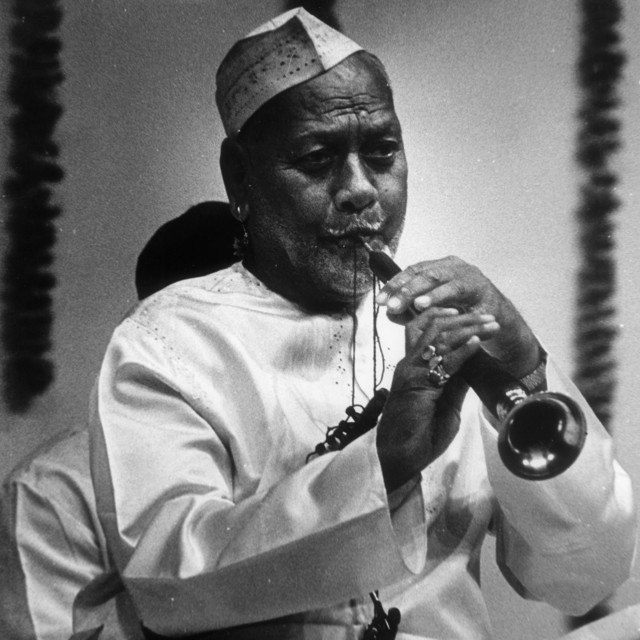
Bismillah Khan
Hindustani Classical
Indian Classical
Khyal
1
/5
Various Artists
Afro-Funk
Alternative Rock
Ambient
5
/5
Pritam
Bollywood
Filmi
Pop
2
/5
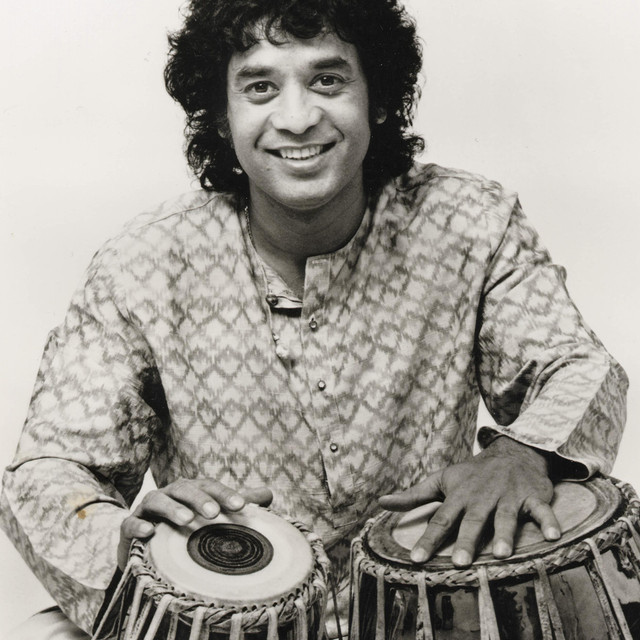
Zakir Hussain
Hindustani Classical
Indian Classical
Ghazal
5
/5
Irshad Kamil
Bollywood
Filmi
Pop
4
/5
Sandesh Shandilya
Bollywood
Desi
Filmi
3
/5
Pandit Jasraj
Hindustani Classical
Bhajan
Indian Classical
2
/5
Hariprasad Chaurasia
Hindustani Classical
Indian Classical
Indian Indie
2
/5
Ali Akbar Khan
Dhrupad
Indian Classical
Hindustani Classical
Download our mobile app
Get the Melodigging app and start digging for new genres on the go
Download on the App Store
Get it on Google Play
© 2026 Melodigging
Give feedback
Legal
Melodding was created as a tribute to
Every Noise at Once
, which inspired us to help curious minds keep digging into music's ever-evolving genres.