Genres
Artists
Albums
Make Music
Sign in
Sign in
Artists
Dhrupad
Artists
Dhrupad
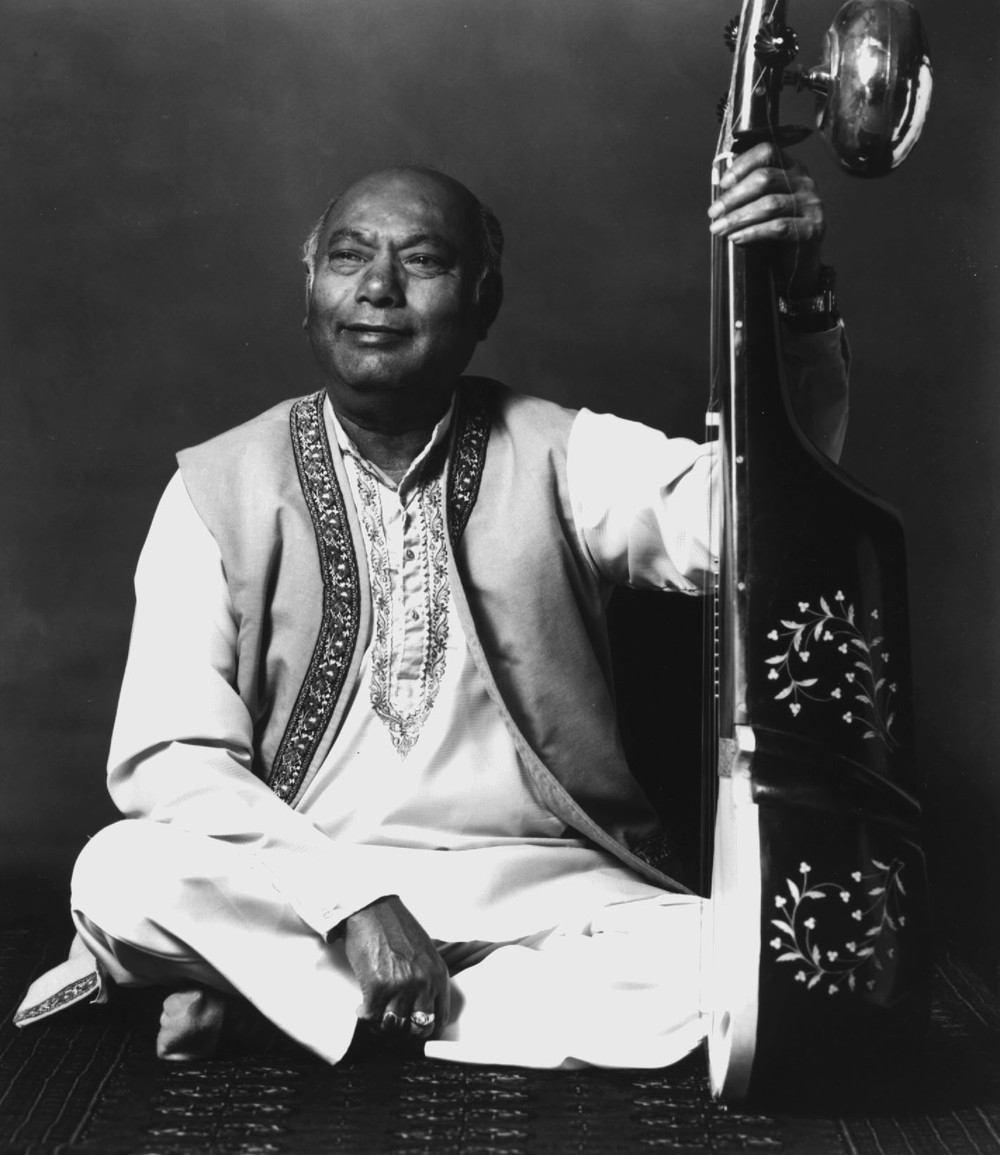
Ali Akbar Khan
1995–2020
·
12 albums
Listen
2
/5
Genres
Indian Indie
Indian indie is the umbrella for independent, non-film music made in India across languages such as Hindi, English, and numerous regional tongues. It is defined more by its DIY production and artist-led release model than by a single sound. Musically, it spans indie pop and rock, folk-fusion, singer‑songwriter ballads, dream‑pop/shoegaze textures, and electronic‑leaning productions. Artists often blend Western harmony and song forms with raga‑tinged melodies, Indian rhythmic feels, and occasional use of traditional instruments like tabla, bansuri, or sitar. The scene grew rapidly with college festivals, small venues, and digital platforms (YouTube, streaming services, Bandcamp), plus boutique labels and festivals such as NH7 Weekender that created national visibility. Lyrically, it tends to be intimate and contemporary—touching on romance, urban life, identity, and nostalgia—while maintaining accessible hooks and warm, organic sonics.
Discover
Listen
Khyal
Khyal (often spelled khayal) is the principal improvisatory vocal genre of North Indian (Hindustani) classical music. The word means “imagination,” and the style celebrates inventive melodic expansion within the strict grammar of raga and tala. A typical performance centers on two compositions (bandish): a slow, expansive vilambit or bada khyal followed by a fast drut or chhota khyal. Singers develop the raga through alap-like vistaar (melodic elaboration), bol-alap and bol-bant (text-based improvisation), sargam passages (solfège), and taans (fast, cascading runs) that culminate on the sam (downbeat). Khyal emphasizes microtonal nuance and vocal ornamentation—meend (glides), andolan (slow oscillations), gamak (heavy shakes), and intricate layakari (rhythmic play). It is accompanied by a tanpura drone, tabla in a chosen tala (often teentaal, ektal, or jhoomra), and a melodic support instrument such as sarangi or harmonium. Over the last two centuries, distinct gharanas (schools) have shaped its aesthetics, including Gwalior, Agra, Kirana, Jaipur-Atrauli, Patiala, Mewati, and Rampur-Sahaswan.
Discover
Listen
Dhrupad
Dhrupad is the oldest surviving vocal form of North Indian (Hindustani) classical music, prized for its meditative depth, austere aesthetics, and uncompromising focus on raga purity. A typical performance opens with a long, unmetered alap that patiently explores the raga’s tonal universe through sustained tones, meend (glides), and powerful gamak (ornaments), often articulated with "nom–tom" syllables. After the alap, a fixed composition (bandish) in four parts (sthayi, antara, sanchari, abhoga) unfolds in a tala such as chautal (12 beats) or dhamar (14 beats), accompanied by the barrel drum pakhawaj and a tanpura drone. Texts are frequently devotional and composed in Braj Bhasha or Sanskrit, addressing deities like Shiva or Vishnu, or praising royal patrons. Historically associated banis (style-streams) include Gauri, Khandar, Nauhar, and Dagar, with the Dagar lineage especially noted for the expansive, contemplative alap. While primarily a vocal genre, instruments such as the rudra veena also embody dhrupad aesthetics.
Discover
Listen
South Asian Music
South Asian music is a broad regional meta-genre that encompasses the diverse classical, devotional, folk, and popular traditions of the Indian subcontinent, including India, Pakistan, Bangladesh, Nepal, Sri Lanka, Bhutan, and the Maldives. It is organized primarily around modal melody (raga/ragini systems and related regional modes), cyclical rhythm (tala and folk meters), and a strong emphasis on improvisation, ornamentation, and timbral nuance. A constant drone (often tanpura or shruti box) and intricate percussion languages (bols) are characteristic across many forms. Devotional currents (bhajan, kirtan, qawwali), courtly and Sufi lineages, and countless folk idioms feed into modern popular styles from filmi/Bollywood to regional pop and diaspora fusions. While the roots reach back to ancient Vedic chant and early treatises, much of the classical grammar and performance practice recognizable today coalesced between the late medieval and early modern periods, shaped by temple, court, and Sufi contexts and later interfacing with colonial modernity and global pop.
Discover
Listen
Indian Classical
Indian classical music (Shastriya Sangeet / Mārga Sangeet) is the art-music tradition of the Indian subcontinent, organized around melodic frameworks called raga and cyclical meters called tala. It has two major streams: Hindustani music in the North, which foregrounds extended improvisation and raga exploration, and Carnatic music in the South, which is composition-centric with structured but highly sophisticated improvisation. A related eastern tradition is Odissi (from present-day Odisha), whose classical lineage spans roughly two millennia. Despite regional distinctions, these systems share common theoretical roots, performance aesthetics, and a spiritual-philosophical view of music as a vehicle for rasa (embodied aesthetic emotion).
Discover
Listen
Hindustani Classical
Hindustani classical is the North Indian branch of the Indian classical tradition, centered on the concepts of raga (melodic framework) and tala (cyclical rhythm). It emphasizes improvisation within strict aesthetic and grammatical boundaries, unfolding a raga through a gradual, architected performance arc from free-rhythm exploration to metrically grounded elaboration. Performances typically proceed through an alap (slow, non-metrical exposition), jor and jhala (rhythmic intensification on plucked instruments), and a composed piece—bandish or gat—set to a tala cycle, followed by improvisations (vistar, tans, bol-bant) that resolve emphatically on the sam (first beat). Signature ornaments such as meend (glides), gamak (oscillation), and andolan (slow vibrato) articulate microtonal nuance (shruti). The style encompasses vocal genres like dhrupad and khyal, and instrumental idioms on sitar, sarod, sarangi, bansuri, and shehnai, supported by a sustaining drone (tanpura) and tabla or pakhawaj accompaniment. Beyond the concert hall, Hindustani classical has deeply informed sub-classical and popular forms across South Asia and, through mid-20th-century cultural exchange, popular and art music worldwide.
Discover
Listen
South Asian Classical Music
South Asian classical music is the art-music tradition of the Indian subcontinent built around raga (melodic frameworks) and tala (cyclical rhythmic structures). It emphasizes microtonal nuance, ornamentation (gamaka), and a continuous drone, producing a highly expressive, meditative, and often devotional soundworld. The tradition cohered from ancient liturgical and courtly practices and later diverged into two major streams: Hindustani (North Indian) and Carnatic (South Indian). Both systems share the raga–tala grammar but differ in repertoire, performance format, instrumentation, and stylistic emphasis. Improvisation is central in both, balancing formal compositions with spontaneous exploration.
Discover
Listen
Show all 7 genres
Albums
2020
1
/5
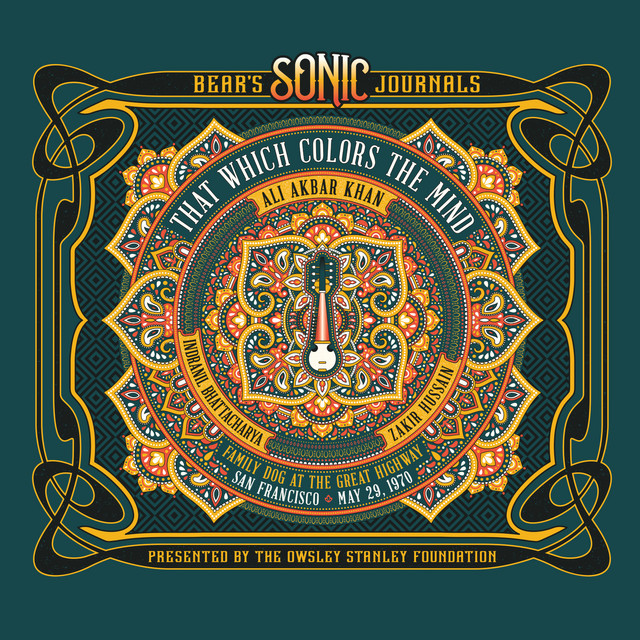
Bear's Sonic Journals: That Which Colors the Mind
Ali Akbar Khan
Dhrupad
2015
1
/5
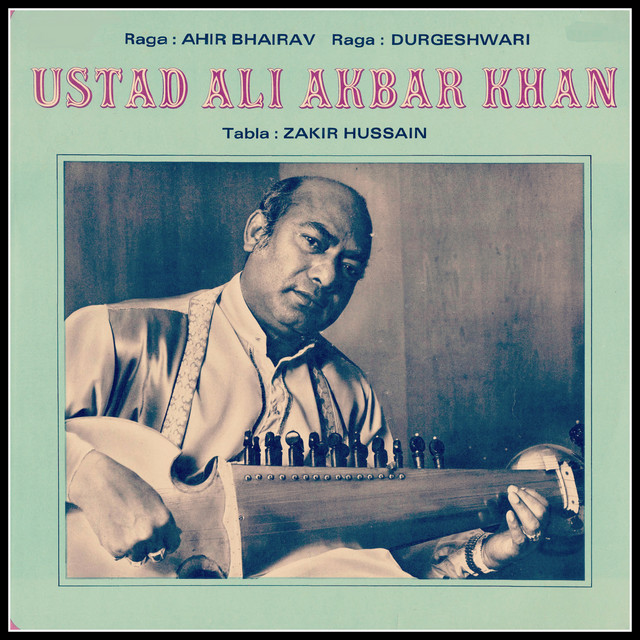
Ustad Ali Akbar Khan 1973
Ali Akbar Khan
Dhrupad
2011
1
/5
Morning & Evening Ragas
Ali Akbar Khan
South Asian Classical Music
Indian Classical
South Asian Music
2006
1
/5
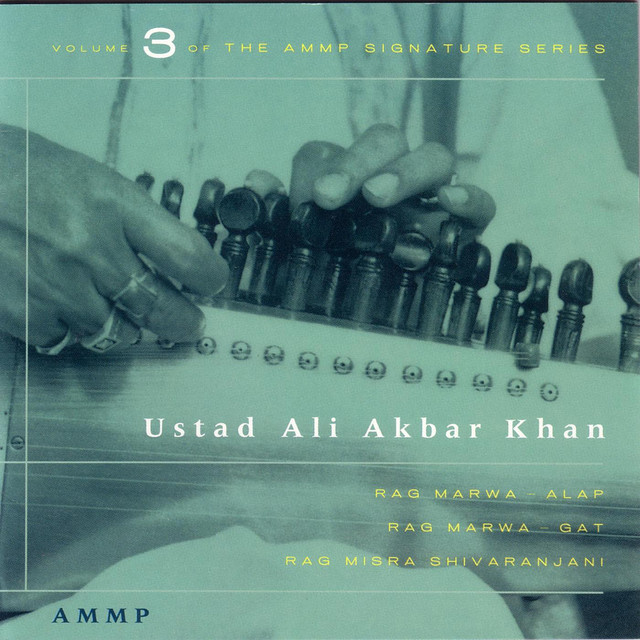
Signature Series, Vol. 3
Ali Akbar Khan
Dhrupad
Indian Classical
2002
2
/5
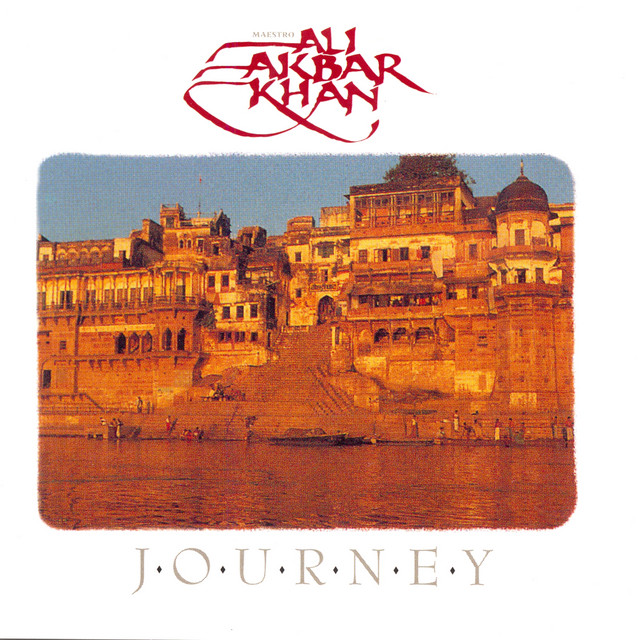
Journey
Ali Akbar Khan
Dhrupad
2002
1
/5
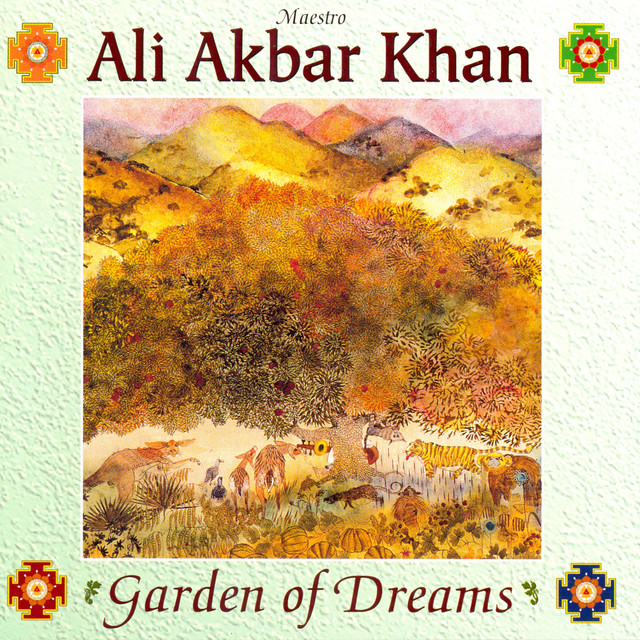
Garden of Dreams
Ali Akbar Khan
Dhrupad
2002
2
/5
Garden of Dreams
Ali Akbar Khan
Dhrupad
2002
1
/5
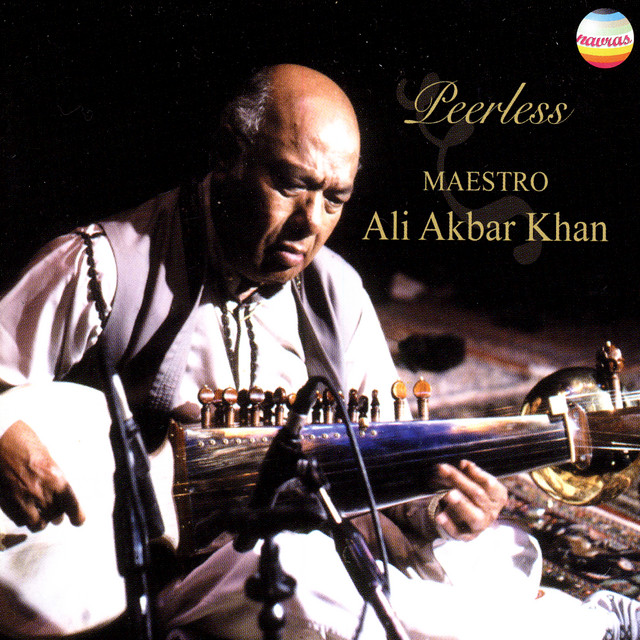
Peerless
Ali Akbar Khan
Dhrupad
1996
1
/5
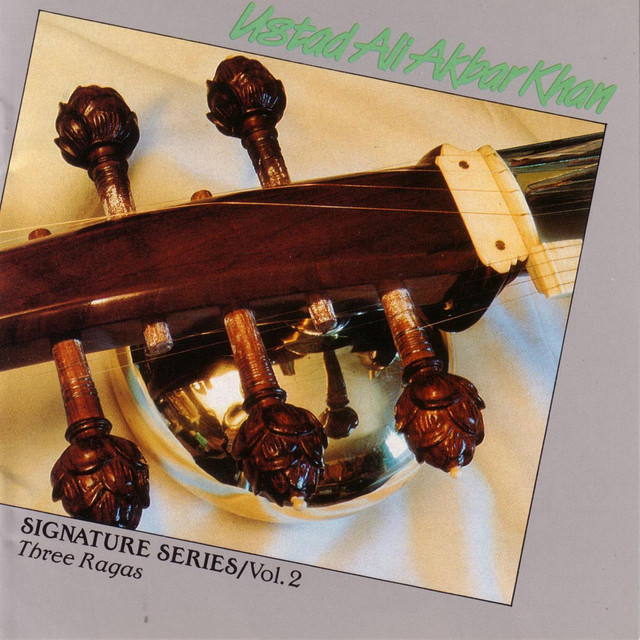
Signature Series Vol 2
Ali Akbar Khan
Dhrupad
Indian Classical
1996
2
/5
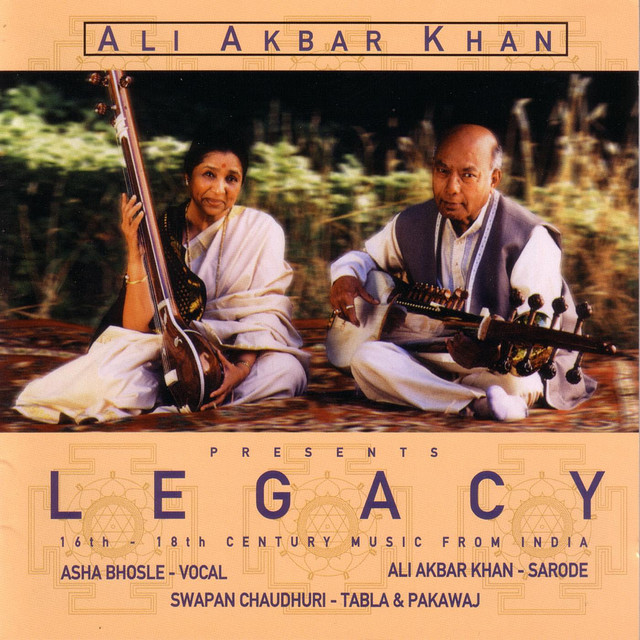
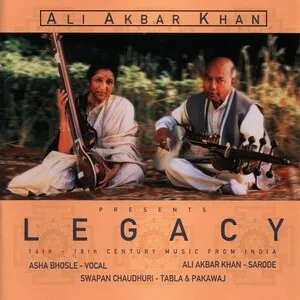
Legacy
Ali Akbar Khan
Dhrupad
1995
1
/5
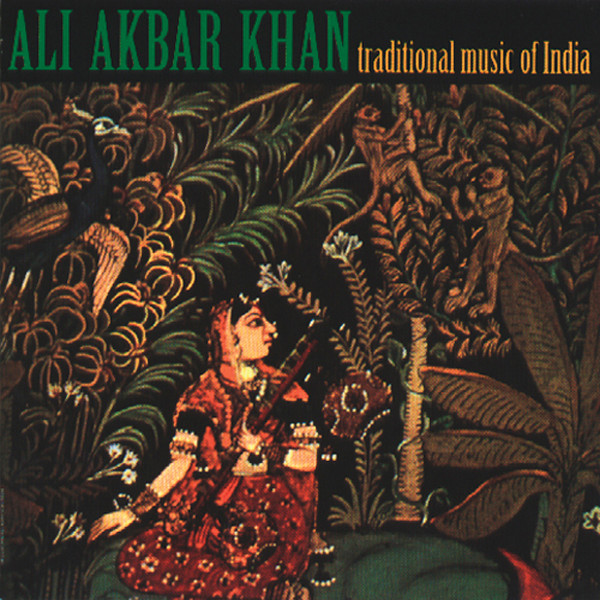
Traditional Music of India
Ali Akbar Khan
Dhrupad
Legacy
Ali Akbar Khan
Khyal
Similar artists
2
/5
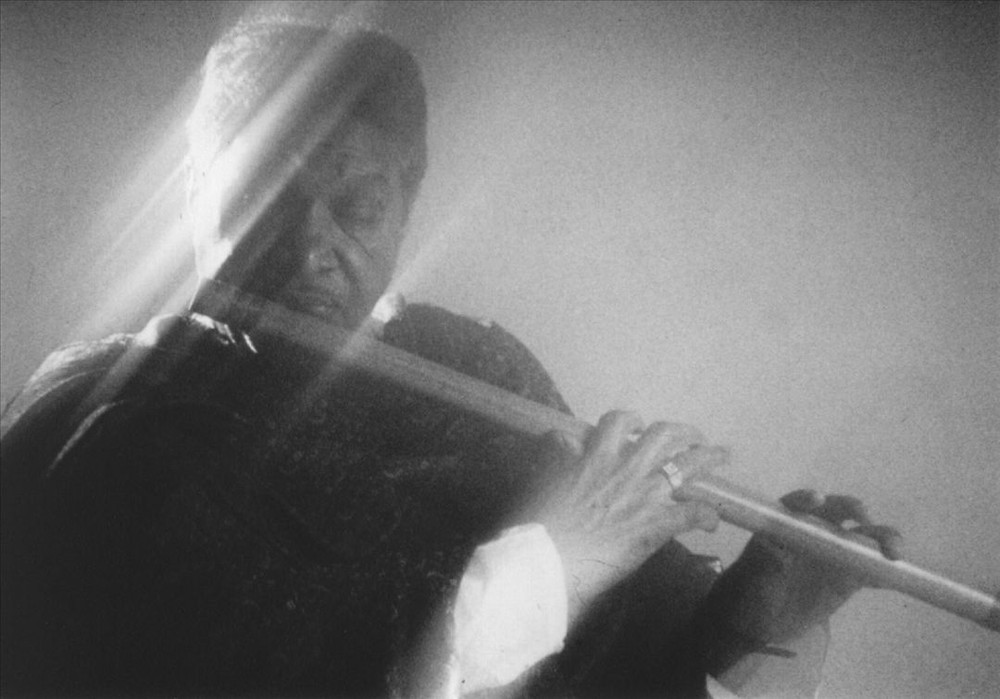
Hariprasad Chaurasia
Hindustani Classical
Indian Classical
Indian Indie
1
/5
Various Artists
Afro-Funk
Alternative Rock
Ambient
2
/5
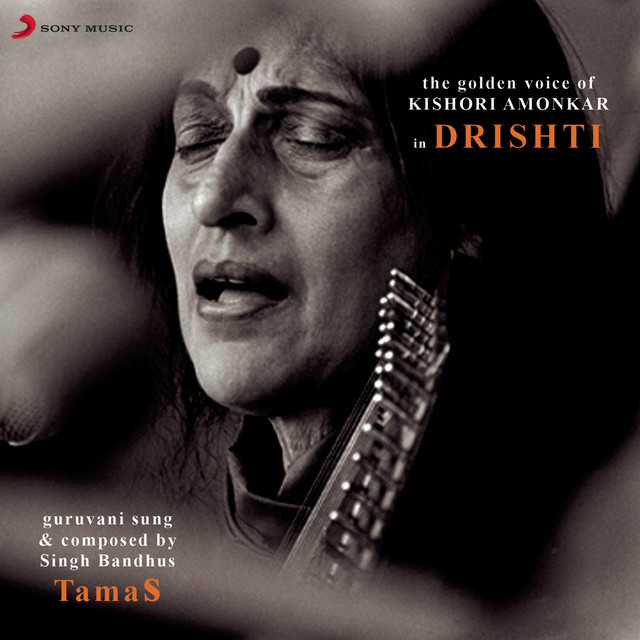
Kishori Amonkar
Khyal
Bhajan
Devotional
3
/5
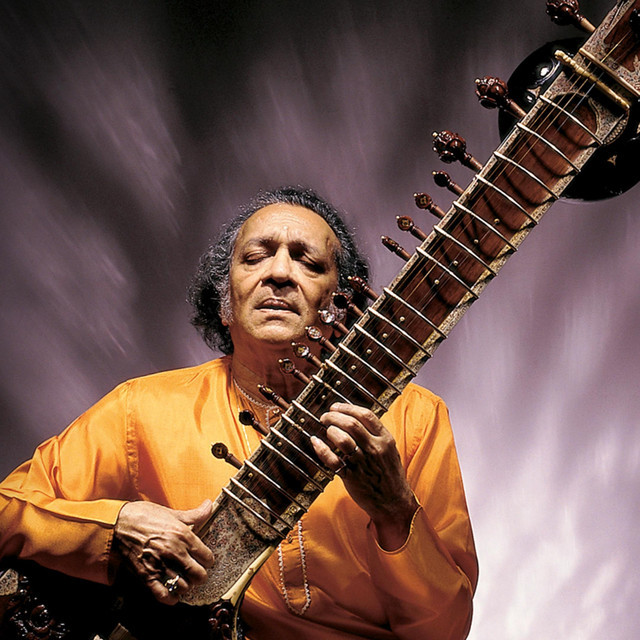
Ravi Shankar
Indian Classical
South Asian Classical Music
Hindustani Classical
3
/5
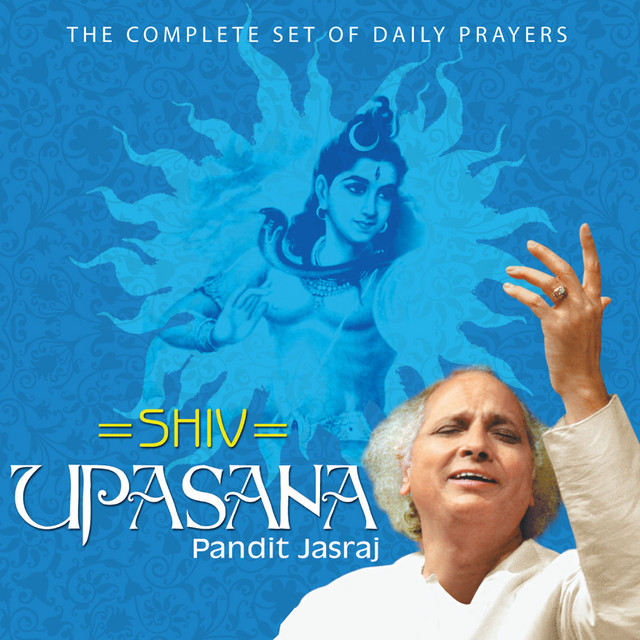
Pandit Jasraj
Hindustani Classical
Bhajan
Indian Classical
3
/5
Anoushka Shankar
Hindustani Classical
Electronic
Gamecore
3
/5
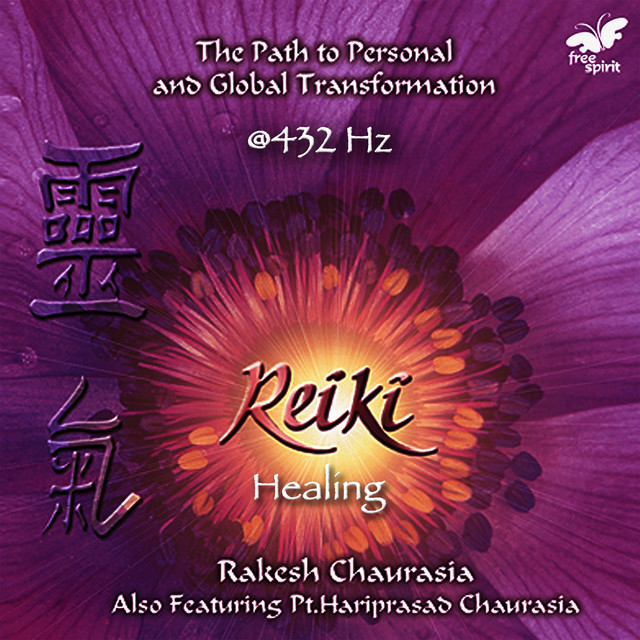
Rakesh Chaurasia
Hindustani Classical
Bhajan
Indian Classical
2
/5
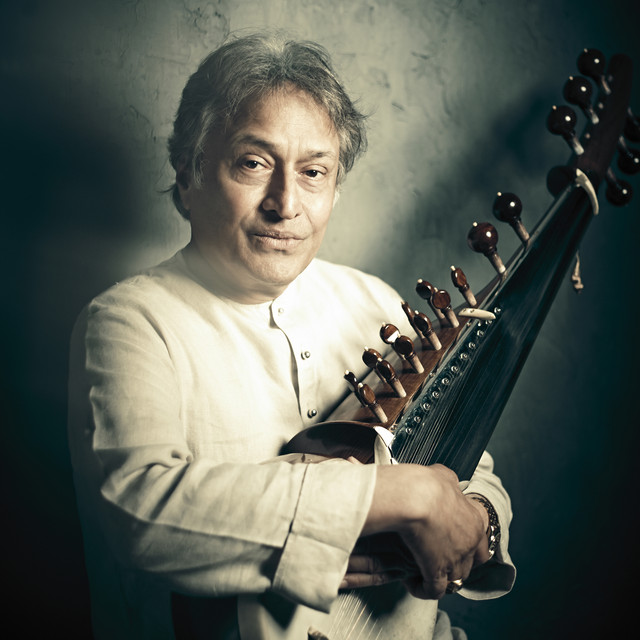
Amjad Ali Khan
Hindustani Classical
Indian Classical
Indian Indie
2
/5
Bismillah Khan
Hindustani Classical
Indian Classical
Khyal
5
/5
Pritam
Bollywood
Filmi
Pop
Download our mobile app
Get the Melodigging app and start digging for new genres on the go
Download on the App Store
Get it on Google Play
© 2026 Melodigging
Give feedback
Legal
Melodding was created as a tribute to
Every Noise at Once
, which inspired us to help curious minds keep digging into music's ever-evolving genres.