Genres
Artists
Albums
Make Music
Sign in
Sign in
Artists
Folklore Argentino
Artists
Folklore Argentino
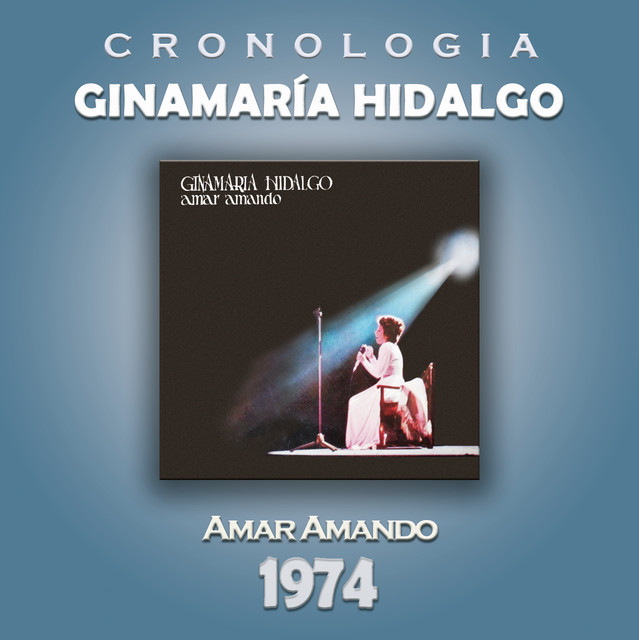
Ginamaría Hidalgo
1972
·
1 album
Listen
1
/5
Genres
Latin Folk
Latin folk is a broad umbrella for singer‑songwriter and ensemble music that draws on traditional folk forms from across Latin America while presenting them in contemporary, often acoustically driven arrangements. It emphasizes storytelling, social and poetic lyricism, and the timbres of regional instruments such as the guitar, charango, quena, zampoña, cuatro, and bombo legüero. Rhythmic cells are borrowed from pan‑regional traditions (chacarera, cueca, zamba, huayno, joropo, son, and others), yet songs are commonly shaped in accessible verse‑chorus structures. While its roots are centuries old, the modern genre coalesced during the mid‑20th‑century folk revival and the Nueva Canción movements, which linked ancestral sounds with contemporary concerns such as identity, justice, and cultural memory.
Discover
Listen
Folklore Argentino
Folklore argentino (música folklórica argentina) is the umbrella term for Argentina’s regional traditional music and song. It gathers styles such as chacarera and zamba from the Northwest, chamamé and rasguido doble from the Litoral, cueca and tonada cuyana from Cuyo, malambo and milonga pampeana from the Pampas, vidala and baguala from the Andean northwest, and many more. While its roots stretch back to the colonial era and to indigenous traditions, the genre crystallized as a modern national repertoire during the mid‑20th‑century folkloric boom. It is marked by guitar-based accompaniment (rasgueado strumming), bombo legüero drum pulses, rich vocal traditions (solo and choral), and dance forms in compound meters with characteristic hemiolas. Themes often evoke the land, the gaucho, love and longing, community festivities, indigenous memory, and social justice.
Discover
Listen
Tango
Tango is a song-and-dance music from the Río de la Plata region, crystallizing in Buenos Aires (Argentina) and Montevideo (Uruguay) in the late 19th century. It is characterized by a melancholic, dramatic tone; richly expressive melodies; and a distinctive rhythmic feel rooted in the habanera and milonga. Core ensembles feature bandoneón, violin(s), piano, double bass, and sometimes guitar, forming the famed orquesta típica. Across the 1920s–1950s it became a worldwide craze, moving from rough immigrant bars to grand salons and radio, developing highly sophisticated arranging and performance practices. Lyrics often employ lunfardo (Buenos Aires slang) and dwell on urban nostalgia, love, betrayal, and the neighborhood (el barrio). Note on terminology: in flamenco, “tangos” is a distinct palo (song form) with a lively 4/4 compás, often in A Phrygian, closely related in feeling to rumba flamenca. Although it shares the name and a spirited character, flamenco tangos is a different tradition from the Río de la Plata tango described above.
Discover
Listen
Trova
Trova is a Cuban singer‑songwriter tradition that emerged in the late 19th century, centered on itinerant guitar‑accompanied vocalists who composed and performed their own songs. Characterized by intimate, lyrical delivery and refined guitar accompaniment, trova blends Spanish poetic songcraft with Cuban rhythmic sensibilities (notably the habanera pulse). Themes commonly include love, longing, social observation, and patriotic sentiment, often presented in strophic forms suitable for serenades or small gatherings. The tradition laid the groundwork for Cuban bolero and later songwriter movements, preserving a focus on melody, poetic text, and expressive, ornamented vocal lines.
Discover
Listen
Zamba
Zamba (with “z”) is a traditional Argentine song-and-dance form, distinct from Brazilian samba. It is a lyrical, courtship-oriented couple dance from Argentina’s northwest that uses a handkerchief (pañuelo) as a central prop. Musically, zamba is most often set in 6/8 with frequent hemiola (3:2) interplay against 3/4, producing a gently lilting yet subtly syncopated feel. Tempos are moderate to slow, and melodies are cantabile and expressive, with strophic forms that highlight poetic verses (coplas). Typical instrumentation includes voice, nylon‑string guitar (fingerpicked arpeggios), and bombo legüero; charango, violin, and other folk instruments may appear. The mood is romantic, nostalgic, and tender, with lyrics that often celebrate landscape, memory, and intimate dialogue. Iconic pieces like “Zamba de mi esperanza,” “La López Pereyra,” and “Alfonsina y el mar” exemplify its blend of poetic sensibility and graceful dance impulse.
Discover
Listen
Albums
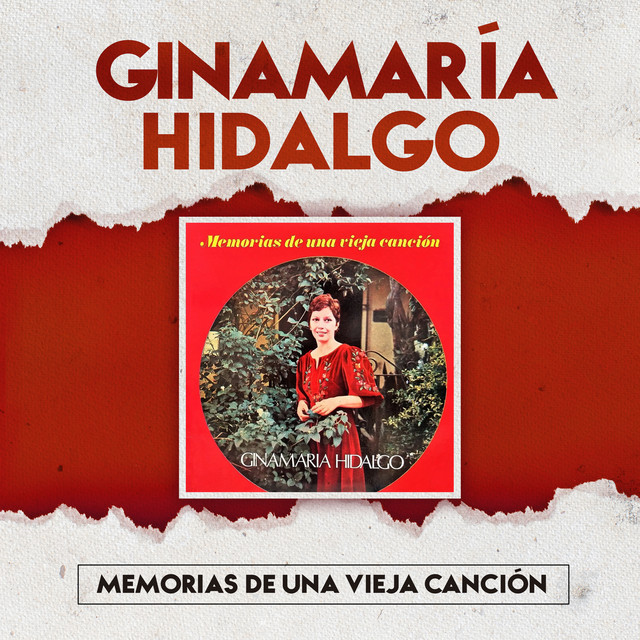
1972
1
/5
Memorias de una Vieja Canción
Ginamaría Hidalgo
Zamba
Similar artists
3
/5
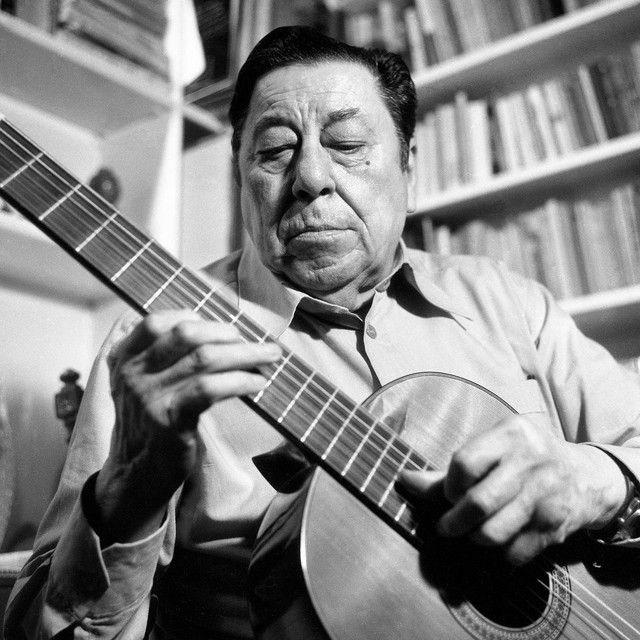
Atahualpa Yupanqui
Nuevo Cancionero
Argentine Music
Milonga
3
/5
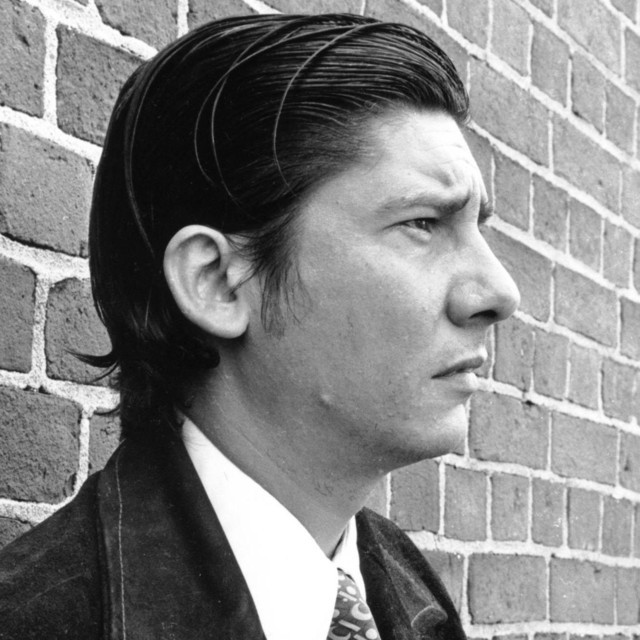
Alfredo Zitarrosa
Milonga
Nueva Canción
Candombe
3
/5
Juan Carlos Baglietto
Argentine Rock
Folklore Argentino
Latin Folk
4
/5
Mercedes Sosa
Nueva Canción
Argentine Music
Nuevo Cancionero
2
/5
Facundo Guevara
Folklore Argentino
Latin Folk
Nueva Trova
3
/5
León Gieco
Argentine Rock
Folklore Argentino
Latin Folk
3
/5
Facundo Cabral
Folklore Argentino
Latin Folk
Nueva Trova
3
/5
Victor Heredia
Nueva Canción
Argentine Rock
Folclor Andino
3
/5
Lito Vitale
Argentine Rock
Folklore Argentino
Latin Folk
2
/5
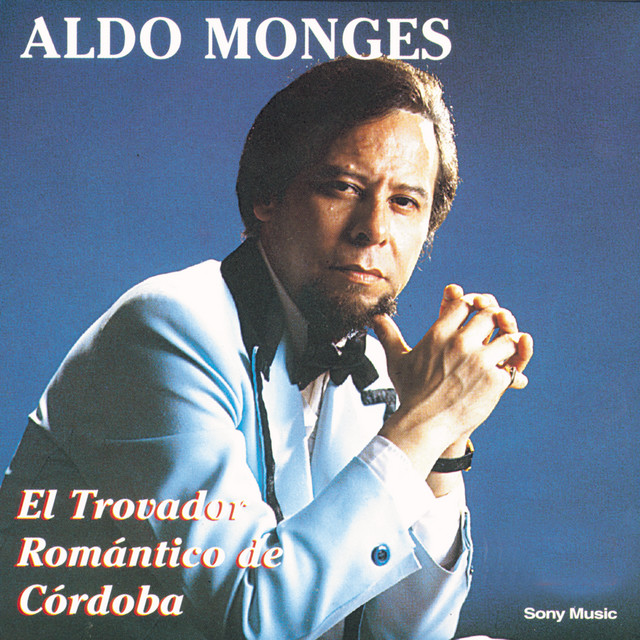
Aldo Monges
Folklore Argentino
Latin Folk
Trova
Download our mobile app
Get the Melodigging app and start digging for new genres on the go
Download on the App Store
Get it on Google Play
© 2026 Melodigging
Give feedback
Legal
Melodding was created as a tribute to
Every Noise at Once
, which inspired us to help curious minds keep digging into music's ever-evolving genres.