Genres
Artists
Albums
Make Music
Sign in
Sign in
Artists
Cumbia
Artists
Cumbia
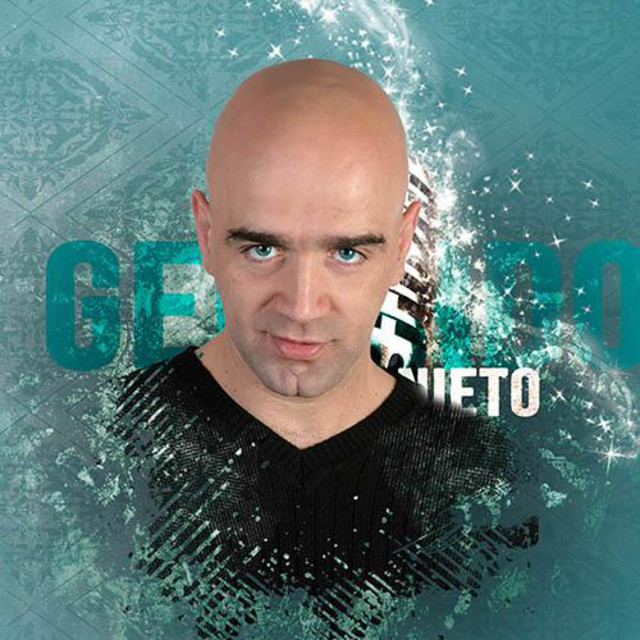
Gerardo Nieto
2013
·
1 album
Listen
2
/5
Genres
Plena Uruguaya
Plena uruguaya is a dance‑oriented urban–tropical style from Uruguay that adapts the Caribbean "plena" song‑and‑drum tradition to the local Montevideo carnival soundworld. It blends bright brass riffs, keyboard montunos, and punchy coro–pregón vocals with a strong hand‑percussion engine. Compared with Puerto Rican plena, the Uruguayan variant tends to use a full tropical orchestra setup (trumpets/trombones, piano/keys, electric bass, timbales, congas, bongó, güira) and, in many bands, borrow rhythmic colors from candombe and murga. The result is upbeat, festive music made for social dancing, street parties, and carnival stages, with catchy call‑and‑response hooks and lyrics that mix everyday stories, humor, romance, and barrio pride.
Discover
Listen
Cumbia Uruguaya
Cumbia uruguaya is the Uruguayan branch of the wider cumbia tradition, adapted to the country’s dance‑hall culture and coastal urban life. It blends the classic cumbia beat with local popular “música tropical” aesthetics, drawing on brass‑led dance orchestras, later synthesizers and keyboards, and the Afro‑Uruguayan sense of groove. Early bands leaned on Colombian and Peruvian cumbia repertoires, but Uruguayan groups quickly localized the sound: sturdy 4/4 percussion (congas, timbales, güiro), a punchy electric‑bass tumbao, bright keyboard hooks or accordion riffs, and call‑and‑response coros backing a charismatic lead singer. Lyrically it favors romance, partying, neighborhood pride, and feel‑good storytelling, delivered in Rioplatense Spanish. From the late 1990s onward, crossover with pop and regional urban styles made cumbia uruguaya sleeker and more radio‑friendly, without losing its core function as social dance music.
Discover
Listen
Tropical Music
Tropical music (música tropical) is an umbrella for dance-oriented Afro-Caribbean and coastal Latin American styles that were popularized across the Spanish-speaking world in the mid‑20th century. It blends African-derived polyrhythms and percussion with horn-led orchestras, call-and-response vocals, and catchy, romantic choruses. Typical repertoires mix cumbia, porro, merecumbé, son, mambo, merengue, pachanga, bolero, and related rhythms, presented by big bands or compact combos aimed squarely at social dancing. Beyond a single beat or tempo, the hallmark is a bright, syncopated groove (often organized around the clave), tumbao bass lines, montuno piano patterns, and sectional brass “mambos.” Over time, tropical music absorbed electric instruments and studio production while keeping its festive, coastal character.
Discover
Listen
Murga
Murga is a carnival-rooted performance genre that blends choral singing, sharp social satire, and highly rhythmic street percussion. Typically presented by neighborhood troupes, it combines theatrical staging, elaborate costumes, and choreographed movement with a driving, snare-led groove. Although it has variants across the Hispanic world, murga is especially associated with the Río de la Plata region, where its sound crystallized into massed chorus, rapid-fire "cuplés" (satirical couplets), and set pieces that open (saludo) and close (retirada) each show. The tone ranges from festive and humorous to bitingly political, all delivered with bold vocal projection and call-and-response energy.
Discover
Listen
Cumbia
Cumbia is a syncretic dance-music tradition from Colombia’s Caribbean coast that blends African rhythmic heritage, Indigenous (especially gaita flute) melodic practice, and Spanish colonial instrumentation and forms. Traditionally performed in a moderate 2/4 (often felt in 4/4 today), it features interlocking hand-drum parts (tambora, alegre, llamador), guacharaca or maracas for steady texture, and long cane flutes (gaita hembra and gaita macho) carrying call-and-response melodies. As it spread in the 20th century, orchestras and dance bands added accordion, horns, piano, bass, and later electric guitar and synthesizers, creating urban and pan–Latin American variants. Harmonically simple and rhythm-forward, cumbia places groove, ostinati, and vocal refrains at the center, making it both ceremonial in origin and enduringly popular on social dance floors across the Americas.
Discover
Listen
Albums
2013
Polvo de Estrellas
Gerardo Nieto
Plena Uruguaya
Cumbia Uruguaya
Similar artists
2
/5
Vanesa Britos
Candombe
Cumbia
Tropical Music
2
/5
Conjunto Casino de Uruguay
Cumbia
Tropical Music
Cumbia Uruguaya
1
/5
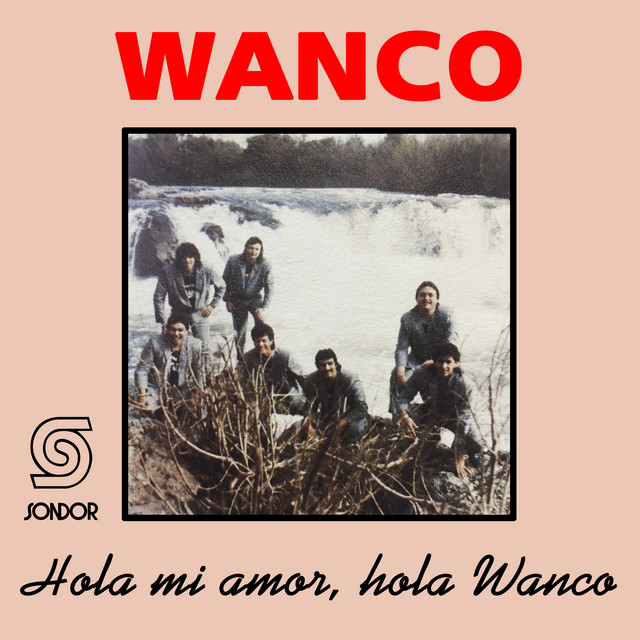
Wanco
Cumbia
Tropical Music
Cumbia Uruguaya
1
/5
Various Artists
Soundtrack
Afro-Funk
Alternative Rock
2
/5
La Caratula
Tropical Music
Cumbia Uruguaya
Plena Uruguaya
4
/5
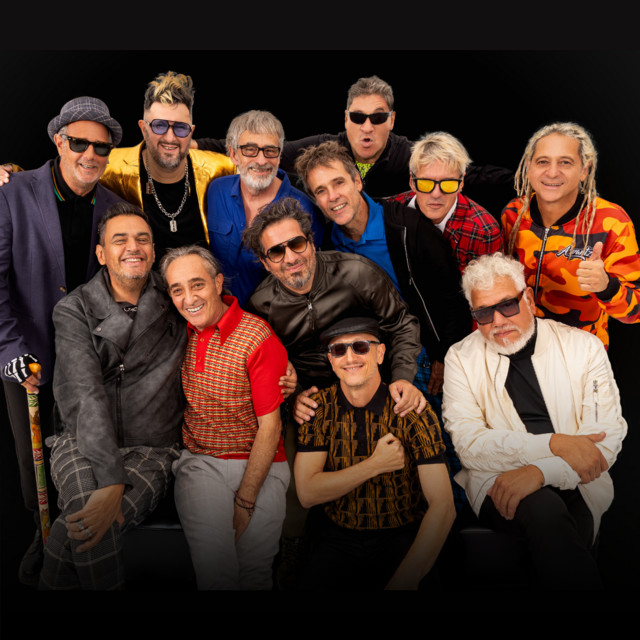
Los Auténticos Decadentes
Latin
Murga
Ska
4
/5
La Sonora Dinamita
Cumbia
Cumbia Sonidera
Salsa
4
/5
La Sonora Santanera
Bolero
Chachachá
Cumbia
4
/5
Junior Klan
Son Jarocho
Tropical Music
Cumbia Sonidera
4
/5
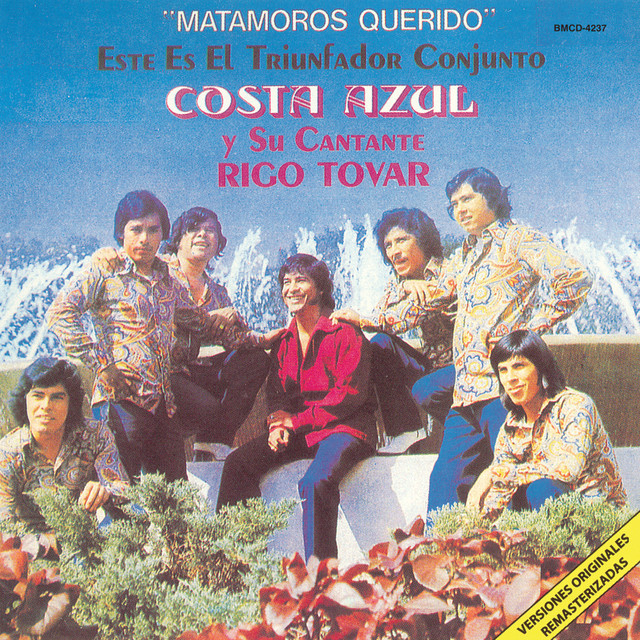
Rigo Tovar
Cumbia
Tropical Music
Grupera
Download our mobile app
Get the Melodigging app and start digging for new genres on the go
Download on the App Store
Get it on Google Play
© 2026 Melodigging
Give feedback
Legal
Melodding was created as a tribute to
Every Noise at Once
, which inspired us to help curious minds keep digging into music's ever-evolving genres.