Genres
Artists
Albums
Make Music
Sign in
Sign in
Artists
Cumbia
Artists
Cumbia
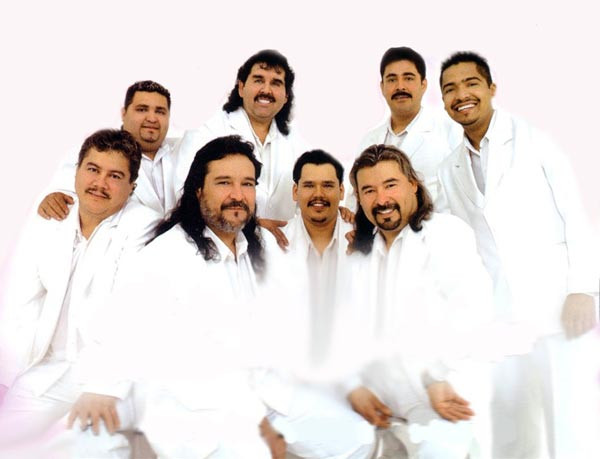
Rigo Tovar
2002
·
1 album
Listen
4
/5
Genres
Lo Star
Lo star is a streaming-era umbrella tag used to group under-the-radar, low-profile artists who sit on the fringes of indie, alternative, DIY pop, and related scenes. Rather than denoting a single, tightly defined musical vocabulary, it marks a discovery space of self-produced or small-label projects with modest audiences, genre-fluid aesthetics, and a distinctly DIY approach to recording and release. Expect intimate vocals, inexpensive or home-studio production, hybrid acoustic/electronic textures, and songwriting that favors personal storytelling and immediacy over polish. Because it functions as a curatorial category for emerging or niche acts, the sonic palette spans indie rock and folk-pop to bedroom pop and lo-fi electronic, unified by scale, ethos, and distribution more than by strict musical rules.
Discover
Listen
Grupera
Grupera is a romantic, keyboard-driven branch of Mexican popular music that blends the songwriting sensibility of the Latin ballad with rhythms and instrumentation from regional styles such as cumbia, ranchera, norteño, mariachi, and bolero. Typically performed by "grupos" (bands) with electric guitars, bass, drums, and prominent synthesizers or electric keyboards, grupera favors melodic hooks, emotive lead vocals, and lush, reverb-heavy production. Songs often alternate between gentle ballads and danceable cumbias or ranchera-derived polkas, all wrapped in pop-friendly arrangements that made the style a radio and chart staple across Mexico and the U.S. Latino market during the 1980s and 1990s.
Discover
Listen
Cumbia Mexicana
Cumbia mexicana is the Mexican adaptation of Colombian cumbia, reshaped by local tropical orchestras, border accordion traditions, and urban DJ (sonidero) culture. It typically features a steady 2/4 cumbia groove, melodic accordion or organ riffs, bright brass lines, and romantic or festive lyrics. Over time it diversified into regional styles such as cumbia sonidera (Mexico City), cumbia norteña (northern Mexico with accordion-driven arrangements), and the slowed-down cumbia rebajada (Monterrey DJ culture), while also crossing over into grupera and banda contexts. Today it is a cornerstone of Mexico’s popular dance music, equally at home in neighborhood parties, massive sonidero sound-system dances, and pop collaborations.
Discover
Listen
Tropical Music
Tropical music (música tropical) is an umbrella for dance-oriented Afro-Caribbean and coastal Latin American styles that were popularized across the Spanish-speaking world in the mid‑20th century. It blends African-derived polyrhythms and percussion with horn-led orchestras, call-and-response vocals, and catchy, romantic choruses. Typical repertoires mix cumbia, porro, merecumbé, son, mambo, merengue, pachanga, bolero, and related rhythms, presented by big bands or compact combos aimed squarely at social dancing. Beyond a single beat or tempo, the hallmark is a bright, syncopated groove (often organized around the clave), tumbao bass lines, montuno piano patterns, and sectional brass “mambos.” Over time, tropical music absorbed electric instruments and studio production while keeping its festive, coastal character.
Discover
Listen
Cumbia
Cumbia is a syncretic dance-music tradition from Colombia’s Caribbean coast that blends African rhythmic heritage, Indigenous (especially gaita flute) melodic practice, and Spanish colonial instrumentation and forms. Traditionally performed in a moderate 2/4 (often felt in 4/4 today), it features interlocking hand-drum parts (tambora, alegre, llamador), guacharaca or maracas for steady texture, and long cane flutes (gaita hembra and gaita macho) carrying call-and-response melodies. As it spread in the 20th century, orchestras and dance bands added accordion, horns, piano, bass, and later electric guitar and synthesizers, creating urban and pan–Latin American variants. Harmonically simple and rhythm-forward, cumbia places groove, ostinati, and vocal refrains at the center, making it both ceremonial in origin and enduringly popular on social dance floors across the Americas.
Discover
Listen
Mariachi
Mariachi is a traditional Mexican ensemble and performance practice that crystallized in western Mexico (especially Jalisco, Colima, Nayarit, and Michoacán) and later became a national and international emblem of Mexican music. Modern mariachi bands typically feature multiple violins, two trumpets, and a rhythm section anchored by the high‑pitched, five‑string vihuela and the deep, fretless guitarrón, often alongside a standard guitar and, in some historic or regional variants, the Mexican harp. The sound balances bright, projecting trumpets and soaring violins over rich strummed textures and a powerful, melodic bass line. Repertoire spans regional sones (including son jalisciense), huapangos, rancheras, corridos, boleros, waltzes, and polkas. Vocal delivery is central: most players sing in stacked harmonies, trade lead verses, and punctuate performances with expressive gritos (exclamations). Costuming (charro suits) and stylized stagecraft are integral to the genre’s identity.
Discover
Listen
Albums
2002
4
/5
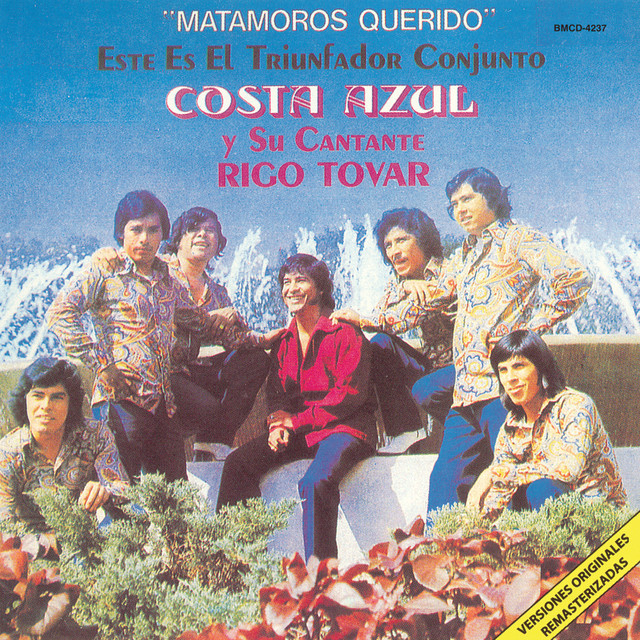
Matamoros querido
Rigo Tovar y su Conjunto Costa Azul
Cumbia Mexicana
Cumbia
Tropical Music
Similar artists
4
/5
Junior Klan
Son Jarocho
Tropical Music
Cumbia Sonidera
3
/5
Internacional Carro Show
Tropical Music
Cumbia
Cumbia Sonidera
3
/5
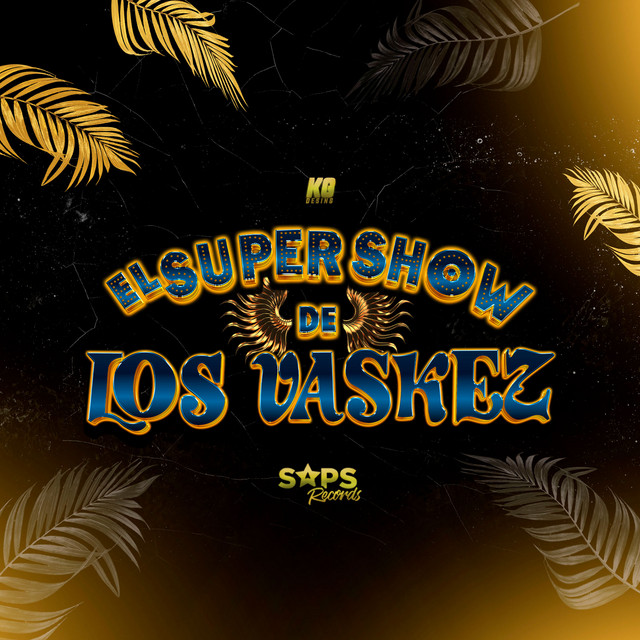
El Super Show De Los Vaskez
Son Jarocho
Tropical Music
Cumbia
3
/5
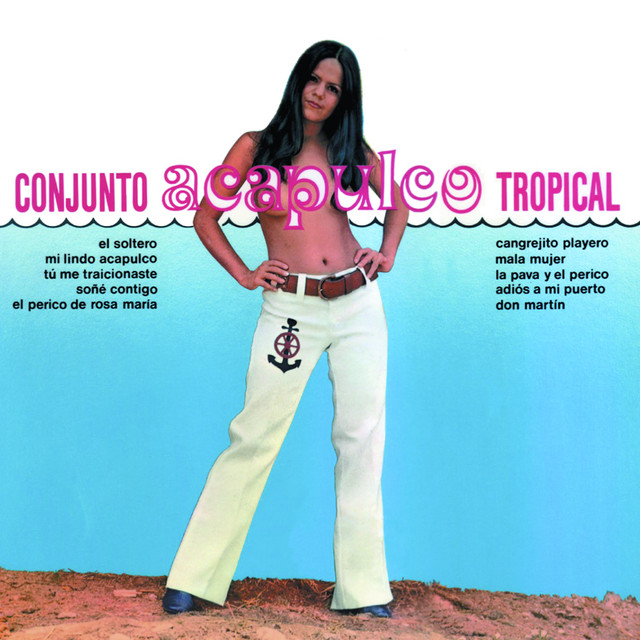
Acapulco Tropical
Tropical Music
Cumbia
Cumbia Sonidera
4
/5
Bronco
Cumbia Norteña Mexicana
Cumbia
Tejano
1
/5
Various Artists
Afro-Funk
Alternative Rock
Ambient
3
/5
Super Lamas
Cumbia
Cumbia Sonidera
Electrocumbia
3
/5
Tropical Panamá
Cumbia
Cumbia Norteña Mexicana
Grupera
3
/5
Campeche Show
Cumbia
Cumbia Sonidera
Grupera
3
/5
Tommy Ramirez y Sus Sonorritmicos
Cumbia
Grupera
Tropical Music
Download our mobile app
Get the Melodigging app and start digging for new genres on the go
Download on the App Store
Get it on Google Play
© 2026 Melodigging
Give feedback
Legal
Melodding was created as a tribute to
Every Noise at Once
, which inspired us to help curious minds keep digging into music's ever-evolving genres.