Genres
Artists
Albums
Make Music
Sign in
Sign in
Artists
Acholi Music
Artists
Acholi Music
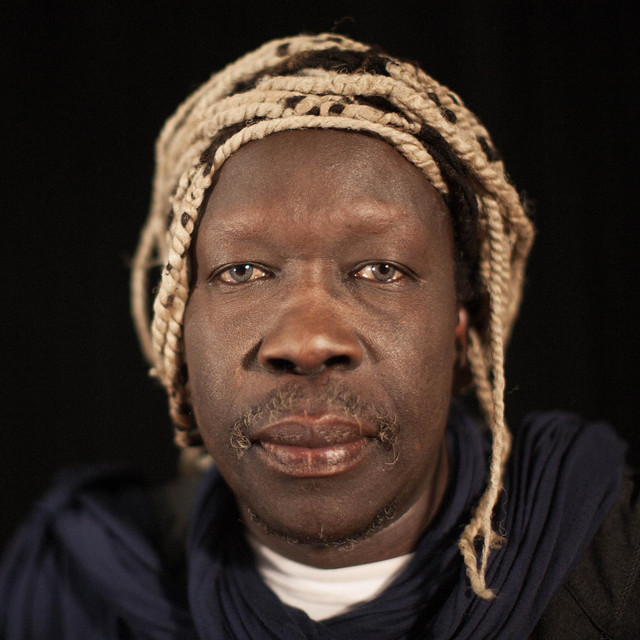
Geoffrey Oryema
1990–2004
·
5 albums
Listen
3
/5
Genres
Worldbeat
Worldbeat is a pop-oriented fusion that blends contemporary Western production (pop, rock, dance, and electronic) with rhythms, instruments, scales, and vocal styles drawn from diverse musical traditions around the world. It typically features layered percussion, polyrhythms, call-and-response vocals, and multilingual or code-switching lyrics, while maintaining accessible song forms and hook-driven choruses. Arrangements often juxtapose drum kits, bass guitar, and synths with instruments such as kora, mbira, oud, sitar, djembe, balafon, or charango. As a retail and radio category in the 1980s–1990s, worldbeat served both as a creative space for cross-cultural collaboration and a marketing umbrella, attracting praise for bridge-building and criticism for occasional exoticism or unequal credit-sharing.
Discover
Listen
Afro Rock
Afro rock is a fusion of African popular and traditional rhythms with the power, instrumentation, and song forms of rock music. It typically blends electric guitar riffs, bass-driven grooves, trap-set drumming, and horns with polyrhythms drawn from styles such as highlife, afrobeat, and juju. The result is a propulsive, dance-forward sound that can be earthy and communal yet also psychedelic and exploratory. Emerging at the turn of the 1970s, afro rock drew on the global spread of rock and funk while foregrounding African rhythmic cycles, call-and-response vocals, and percussion. It often features extended jams, bright horn lines, and chant-like hooks, sitting comfortably between concert-stage rock energy and down-home, party-starting social dance music.
Discover
Listen
Blues Rock
Blues rock is a guitar-driven style that fuses the raw feeling and 12‑bar structures of the blues with the power, volume, and rhythmic punch of rock. It emphasizes riff-based songs, pentatonic and blues-scale soloing, call‑and‑response between voice and guitar, and an expressive, often gritty vocal delivery. Typical ensembles are power trios (guitar, bass, drums) or quartet formats adding second guitar, keyboards, or harmonica, and performances commonly feature extended improvisation. Sonically, it favors overdriven tube-amp tones, sustained bends, vibrato, and dynamic contrasts, moving from shuffles and boogies to straight‑eighth rock grooves.
Discover
Listen
Folk Rock
Folk rock is a fusion genre that blends the narrative lyricism, modal melodies, and acoustic timbres of traditional folk with the backbeat, amplification, and song structures of rock. It typically pairs acoustic or traditional instruments (acoustic guitar, mandolin, fiddle) with a rock rhythm section (electric guitar, bass, drums), often featuring chiming 12‑string guitar textures, close vocal harmonies, and socially conscious or storytelling lyrics. The result ranges from intimate, reflective ballads with a steady backbeat to more anthemic, roots‑driven rock. Emerging in the mid‑1960s through artists such as Bob Dylan and The Byrds, folk rock became a gateway for traditional and roots materials to enter mainstream popular music, and it seeded later movements from country rock and Americana to jangle pop and modern indie folk.
Discover
Listen
Rock
Rock is a broad family of popular music centered on amplified instruments, a strong backbeat, and song forms that foreground riffs, choruses, and anthemic hooks. Emerging from mid‑20th‑century American styles like rhythm & blues, country, and gospel-inflected rock and roll, rock quickly expanded in scope—absorbing folk, blues, and psychedelic ideas—while shaping global youth culture. Core sonic markers include electric guitar (often overdriven), electric bass, drum kit emphasizing beats 2 and 4, and emotive lead vocals. Rock songs commonly use verse–chorus structures, blues-derived harmony, and memorable melodic motifs, ranging from intimate ballads to high‑energy, stadium‑sized performances.
Discover
Listen
Folk
Folk is a song-centered acoustic tradition rooted in community storytelling, everyday life, and social history. It emphasizes clear melodies, simple harmonies, and lyrics that foreground narrative, protest, and personal testimony. As a modern recorded genre, folk coalesced in the early-to-mid 20th century in the United States out of older ballad, work song, and rural dance traditions. It typically features acoustic instruments (guitar, banjo, fiddle, mandolin, harmonica), strophic song forms, and participatory singing (choruses, call-and-response).
Discover
Listen
East African Music
East African music is a broad regional umbrella that encompasses the musical traditions and modern styles of countries along and around the Swahili Coast and the Horn of Africa. It blends indigenous rhythmic practices and vocal traditions with centuries of Indian Ocean exchange, notably Arabic maqam-based aesthetics and instrumentation that shaped coastal forms like taarab. Across the interior and highlands, interlocking guitar lines, polyrhythmic percussion, and call-and-response vocals inform genres such as Kenyan benga and Ugandan kadongo kamu, while Ethiopia and Eritrea contribute distinctive modal systems (qenet) that underpin ethio-jazz and popular song. Languages such as Kiswahili, Amharic, Oromo, Tigrinya, Luganda, Luo, Somali, and others frame lyric poetry ranging from praise and protest to love and social commentary. Since the mid-20th century, Congolese rumba/soukous dance-band idioms mixed with local rhythms to shape dance musics like muziki wa dansi and modern Tanzanian pop forms. In the 21st century, ultra-fast electronic scenes (singeli) and Swahili hip-hop/pop (bongo flava) testify to the region’s continual reinvention, while traditional forms like taarab and lyre-based repertories (nyatiti, krar, endongo) remain foundational.
Discover
Listen
Acholi Music
Acholi music is the traditional music of the Acholi people of Northern Uganda (and neighboring South Sudan), centered on communal dancing, call-and-response singing, and rich polyrhythmic drumming. It features distinctive social dance forms such as bwola (a royal drum dance with a powerful, processional character), larakaraka (a lively courtship dance), dingi-dingi, apiti, and otole (a warrior dance). Ensembles combine interlocking drum patterns with shakers, whistles, horns, and melodic instruments like the one‑string fiddle (rigi‑rigi/endingidi), lamellophones, and end-blown or side-blown horns (oporo). Vocals often use responsorial structures, parallel intervals, and pentatonic/hexatonic melodic contours. Songs mark weddings, courtship, harvests, praise, mourning, and historical remembrance. Movement is integral: choreography and musical rhythm are inseparable, producing an energetic, communal, and celebratory sound that can also turn solemn and epic during ceremonial pieces.
Discover
Listen
Show all 8 genres
Albums
2004
1
/5
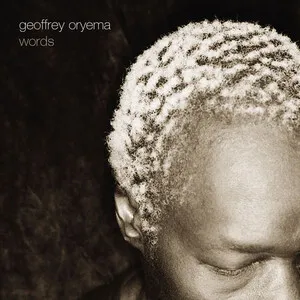
Words
Geoffrey Oryema
Acholi Music
2000
2
/5
Spirit
Geoffrey Oryema
Acholi Music
Blues Rock
Folk Rock
1996
2
/5
Night to Night
Geoffrey Oryema
Acholi Music
1993
2
/5
Beat the Border
Geoffrey Oryema
Acholi Music
East African Music
Worldbeat
1990
1
/5
Exile
Geoffrey Oryema
Acholi Music
East African Music
Afro Rock
Similar artists
1
/5
Various Artists
Afro-Funk
Alternative Rock
Ambient
4
/5
Bob Dylan
Folk Rock
Roots Rock
Rock
4
/5
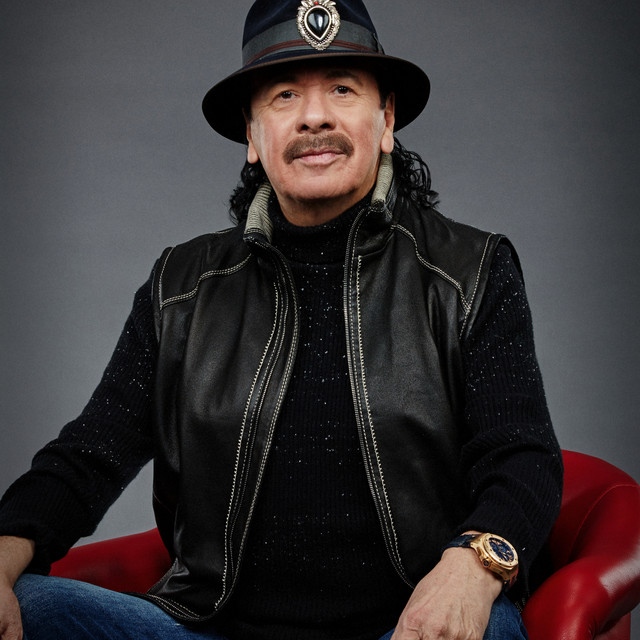
Santana
Latin Rock
Rock
Blues Rock
4
/5
Van Morrison
Folk Rock
Folk
Rock
4
/5
Nitty Gritty Dirt Band
Country Rock
Bluegrass
Country
4
/5
Tom Waits
Dark Cabaret
Singer-Songwriter
Blues
3
/5
John Martyn
Psychedelic Folk
Folk
Folk Rock
2
/5
Roy Harper
Psychedelic Folk
Acid Rock
Folk
2
/5
Alvin Youngblood Hart
Country Blues
Blues
Blues Rock
1
/5
Kebnekajse
Folk Rock
Rock
Nordic Folk Rock
Download our mobile app
Get the Melodigging app and start digging for new genres on the go
Download on the App Store
Get it on Google Play
© 2026 Melodigging
Give feedback
Legal
Melodding was created as a tribute to
Every Noise at Once
, which inspired us to help curious minds keep digging into music's ever-evolving genres.