Genres
Artists
Albums
Make Music
Sign in
Sign in
Artists
Ndombolo
Artists
Ndombolo
Gaëlle
2023
·
1 album
Listen
3
/5
Genres
Maimouna
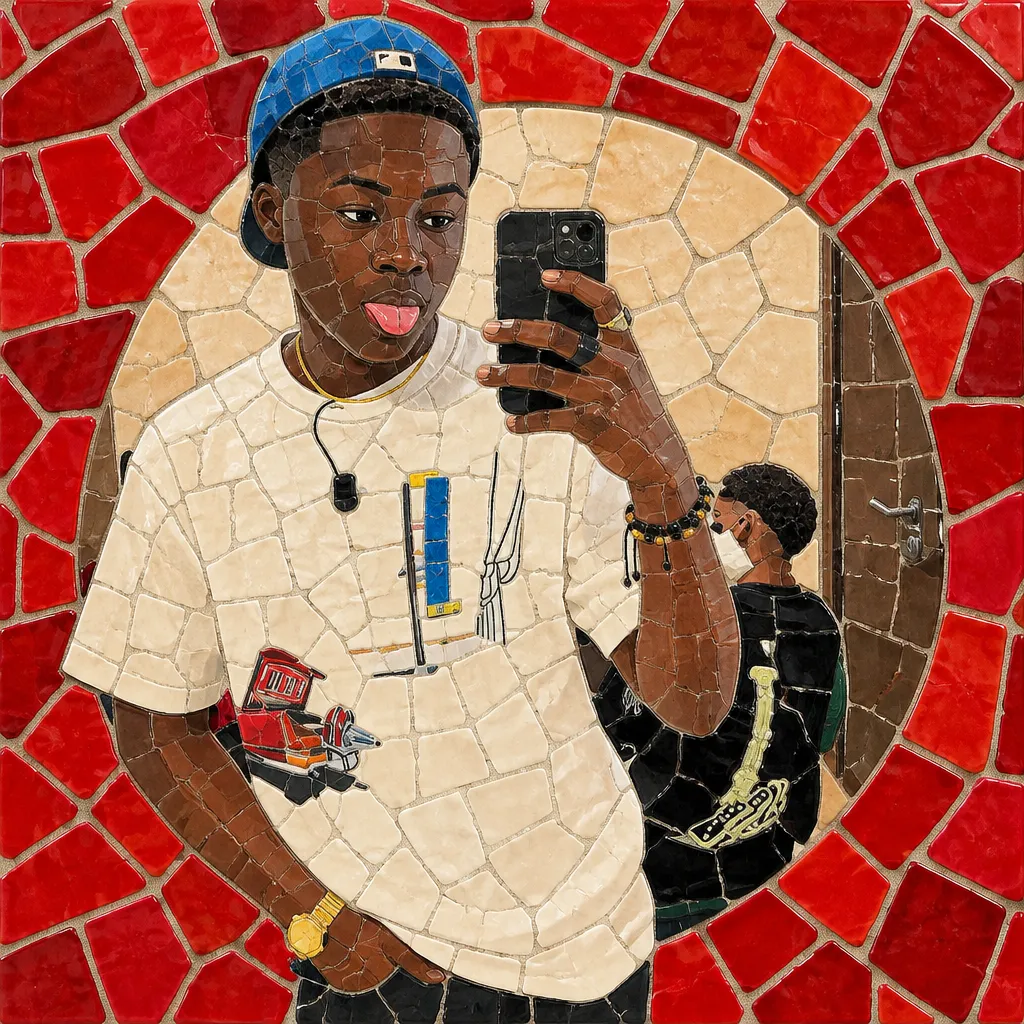
Maimouna is a contemporary Francophone West- and Central‑African club style and dance craze that emerged in the early 2020s, most strongly associated with Côte d’Ivoire’s hyperactive urban party scene. It blends upbeat Afropop songcraft with street‑level chant, call‑and‑response hooks, and kinetic, percussion‑forward beats designed for viral dance challenges. Typical tracks ride a mid‑fast 100–118 BPM groove with shaker and cowbell patterns, handclaps, snare rushes, and short synth stabs or guitar licks. Vocals often mix Nouchi (Ivorian street slang) with French, using playful boasts, dance instructions, and catchy refrains. The production is bright and punchy, favoring simple harmonic loops so the crowd‑energy, chants, and choreography lead the experience.
Discover
Listen
Afro Drill
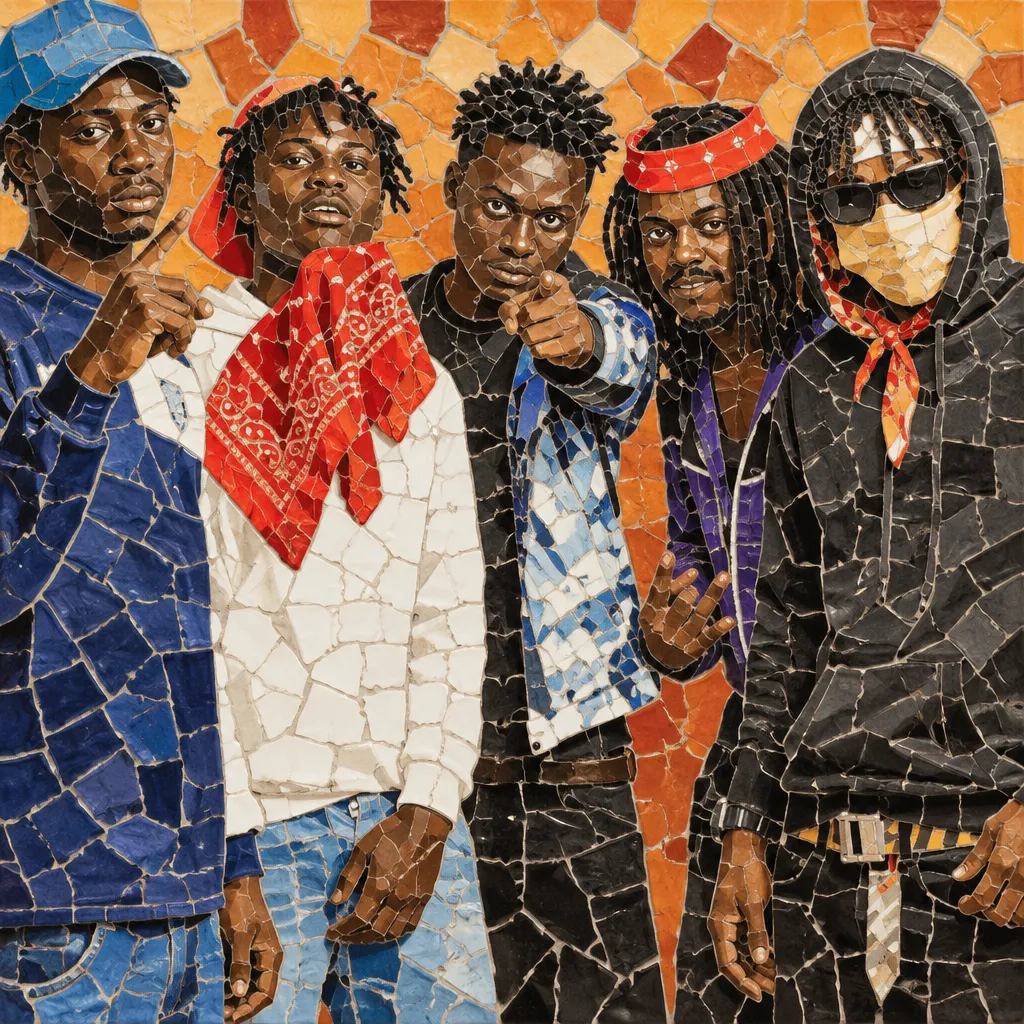
Afro drill is a regionalized form of drill that fuses the gritty, sliding-808 sonics and half‑time bounce of UK/Chicago drill with African rhythmic feel, languages, and street narratives. Born around the turn of the 2020s in Ghana (popularly called the Asakaa movement) and quickly echoed across other African scenes and diasporas, it retains drill’s cold, minor‑key atmosphere while introducing Afrobeats/highlife‑tinged melodies, syncopated percussion, and local flows in Twi, Ghanaian Pidgin, Yoruba, Sheng, and more. The result is music that is simultaneously raw and danceable—dark, street‑level storytelling delivered with regional slang and call‑and‑response hooks, framed by modern drill drum programming and African groove sensibilities.
Discover
Listen
Pop Urbaine
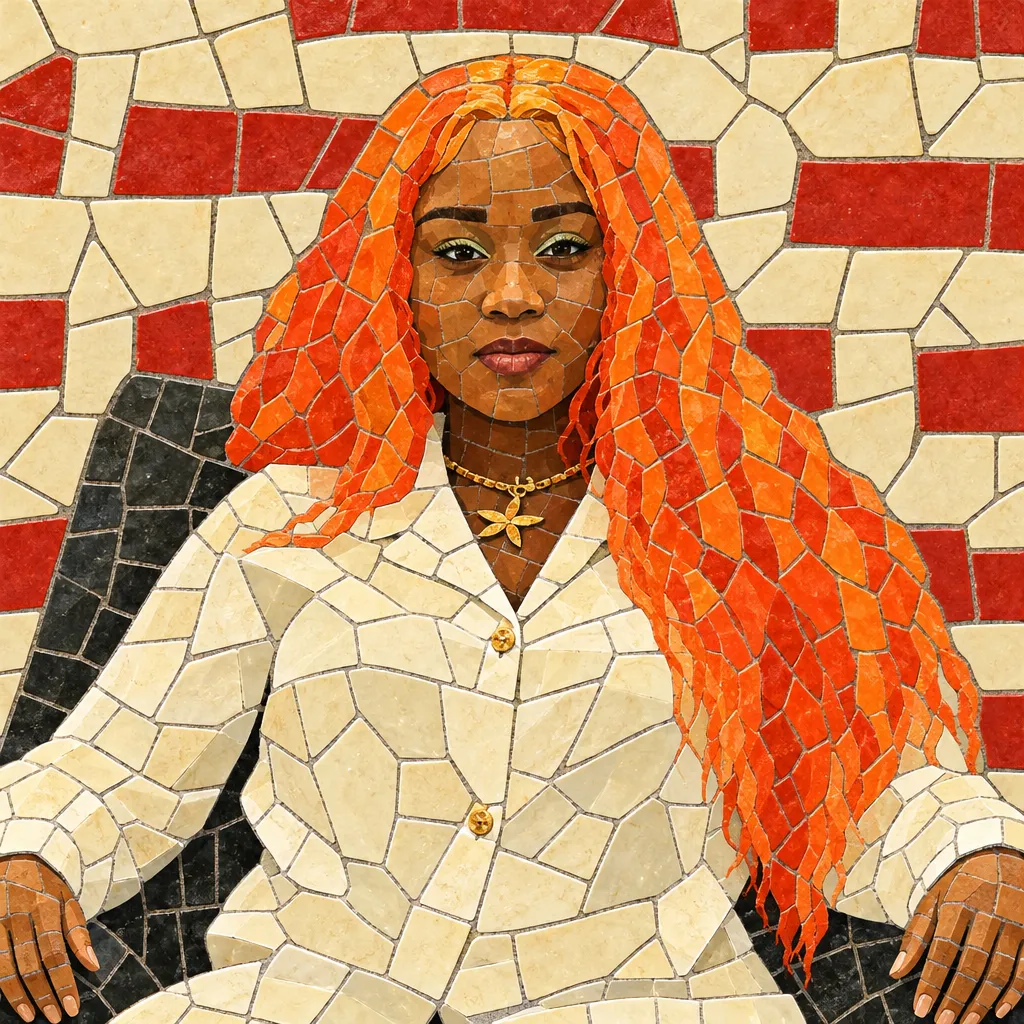
Pop urbaine is a French mainstream pop style that blends contemporary R&B, hip hop, Afrobeats, dancehall, zouk, raï, and reggaeton with chart‑friendly songwriting. It emphasizes melodic hooks, mid‑tempo grooves, and sleek vocal production (often with Auto‑Tune) while foregrounding everyday, romantic, and nightlife themes in colloquial French. Rhythmically it favors syncopated Afro‑Caribbean patterns, sparse but bouncy 808 drums, and light guitar or synth plucks, creating a buoyant, danceable feel without the aggressiveness of club music. Vocals typically alternate between sung refrains and rap‑influenced verses, with catchy refrains designed for streaming and social media virality. The genre became a defining sound of French popular culture in the late 2010s, driven by a new generation of Francophone artists with diasporic roots who globalized French pop while keeping its language and local slang at the center.
Discover
Listen
Shatta
Shatta is a raw, high-energy French Caribbean take on dancehall that crystallized in the 2010s within the Guadeloupe–Martinique scene. It is powered by hard-hitting dembow-derived grooves, booming 808 sub-bass, clipped snares, and sirens/airhorns designed for clubs and car sound systems. Vocals—often in Antillean Creole and French—favor short, repetitive hooks, call-and-response chants, and provocative, party-focused or streetwise themes. Stylistically, Shatta blends Jamaican dancehall attitude with local French Antillean aesthetics (and some bouyon drive), plus trap-era sound design. The result is an aggressive, minimal, dancefloor-first sound that’s immediately “bashment” in feel yet distinct to the FWI (French West Indies).
Discover
Listen
8d
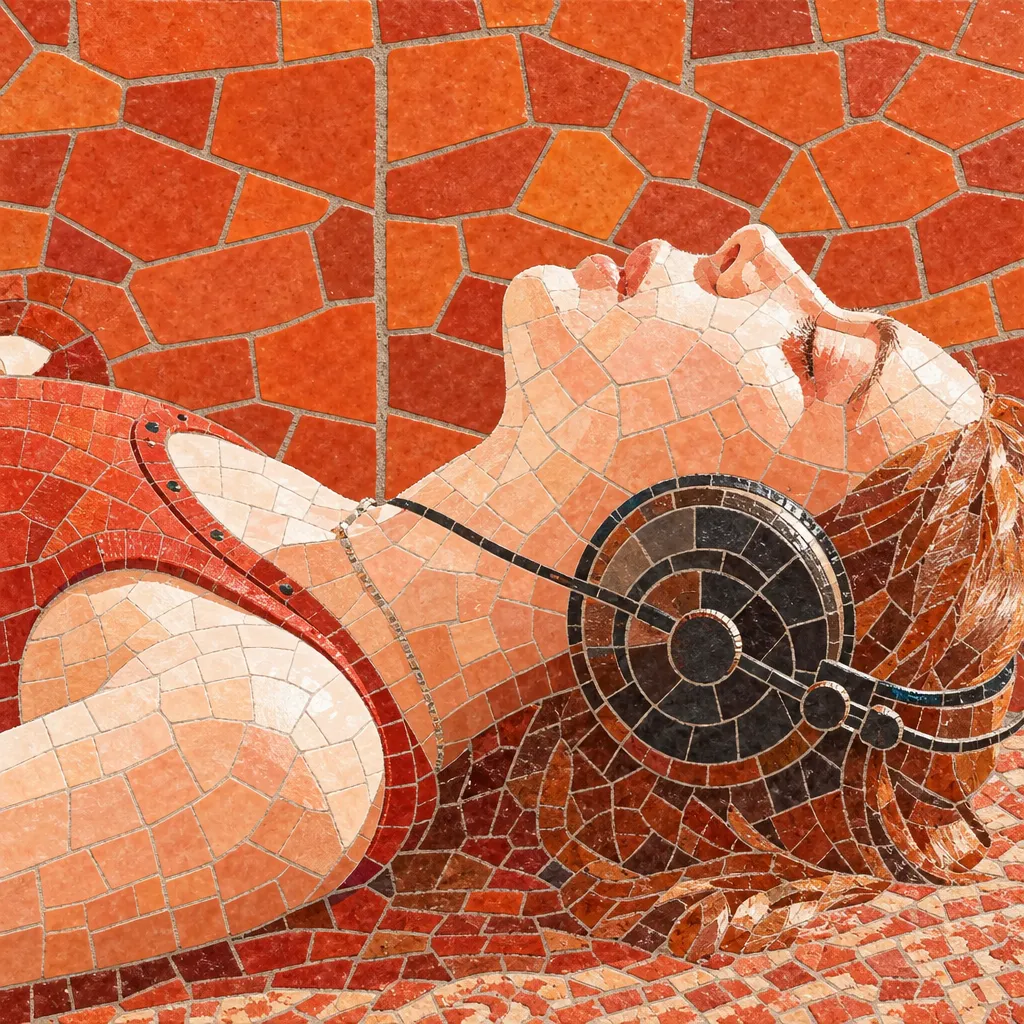
8D (often styled “8D Audio”) is not a traditional genre but a headphone‑centric production approach where a finished song is reprocessed with fast, automated spatial panning and head‑related transfer function (HRTF) filtering to simulate 360‑degree movement around the listener. Despite the name, there are no actual "eight dimensions." The appeal comes from psychoacoustic tricks—continuous circular or figure‑eight panning, binaural/ambisonic processing, Doppler‑like EQ changes, and reverb tails—that create the illusion that sounds orbit your head. The effect became a viral format on streaming platforms and video sites in the late 2010s, commonly applied to pop, lo‑fi, and chill tracks to make “immersive” headphone versions. Because 8D is an effect rather than a compositional style, its repertoire largely consists of fan/producer remixes of pre‑existing music, plus original ambient and chill pieces designed specifically for the "moving sound" experience.
Discover
Listen
Lo Star
Lo star is a streaming-era umbrella tag used to group under-the-radar, low-profile artists who sit on the fringes of indie, alternative, DIY pop, and related scenes. Rather than denoting a single, tightly defined musical vocabulary, it marks a discovery space of self-produced or small-label projects with modest audiences, genre-fluid aesthetics, and a distinctly DIY approach to recording and release. Expect intimate vocals, inexpensive or home-studio production, hybrid acoustic/electronic textures, and songwriting that favors personal storytelling and immediacy over polish. Because it functions as a curatorial category for emerging or niche acts, the sonic palette spans indie rock and folk-pop to bedroom pop and lo-fi electronic, unified by scale, ethos, and distribution more than by strict musical rules.
Discover
Listen
Ndombolo
Ndombolo (also spelled dombolo) is a high‑energy Congolese dance music born from the 1990s soukous scene. It accelerates the classic Congolese rumba/soukous template, pushing the tempo, sharpening the rhythmic drive, and foregrounding hip‑swaying, pelvis‑led dance moves. Musically, ndombolo is marked by propulsive drum‑kit and conga patterns, bright interlocking electric guitars that launch into long, fast seben breaks, elastic bass lines, and catchy call‑and‑response vocals—often in Lingala with French catchphrases. Atalaku (hype‑men) add spirited shouts and dance commands that stoke the crowd. The overall sound is upbeat, percussion‑driven, and tailor‑made for the dancefloor. By the mid‑1990s and 2000s the style dominated clubs across Central, Eastern, and parts of Western Africa, becoming a pan‑African dance craze and a reference point for subsequent urban dance‑pop styles.
Discover
Listen
Zouk
Zouk is a high-energy dance music that originated in the French Caribbean (Guadeloupe and Martinique) in the early 1980s, crystallized by the band Kassav’. It blends Haitian compas (kadans) with local folk rhythms and the glossy production aesthetics of disco, funk, and early electronic pop. Early “zouk béton” emphasized driving, tightly arranged rhythms, bright synth-brass stabs, and call-and-response vocals. A slower, smoother branch known as “zouk love” followed, foregrounding romantic lyrics, silky harmonies, and sensual grooves. Sung primarily in Antillean Creole and French, zouk is both a party soundtrack and a cultural statement of Caribbean identity.
Discover
Listen
Compas
Compas (also spelled konpa or compas direct) is Haiti’s modern, méringue-based dance music. It features a steady, driving groove, lyrical melodies, and tight horn or synth hooks designed for continuous social dancing. The style blends Haitian méringue rhythms with jazz and Afro‑Cuban/Latin elements, typically in a mid‑tempo 4/4. A locked‑in drum/cowbell pattern, syncopated bass ostinatos, percussive rhythm guitar, keyboards playing montuno-like figures, and call‑and‑response vocals in Haitian Creole or French are core traits. Since the late 1970s, electronic keyboards and drum machines have been common, but the feel remains warm, romantic, and unshakably danceable.
Discover
Listen
Show all 9 genres
Albums
2023
3
/5
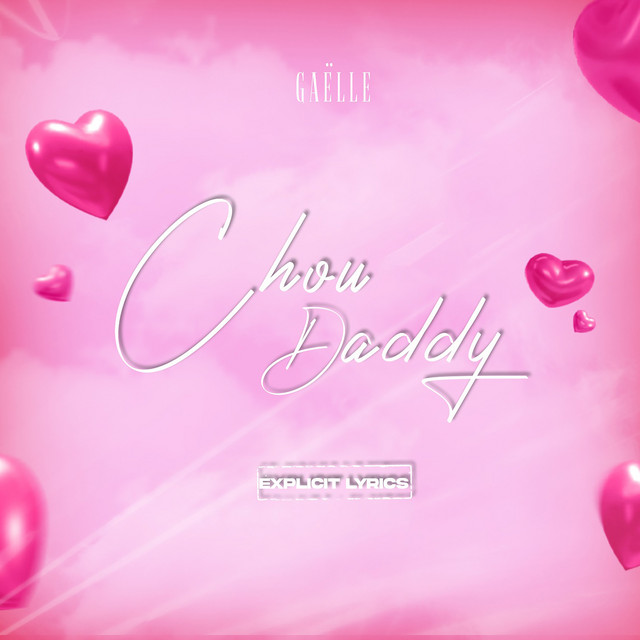
Chou Daddy
Gaëlle
Ndombolo
Zouk
Similar artists
4
/5
Joé Dwèt Filé
Kizomba
Zouk
Shatta
3
/5
Hiro
Afro Drill
Afrobeats
Compas
4
/5
Kalash
Zouk
Dancehall
Shatta
3
/5
Ronisia
Zouk
Afro Drill
Basshall
3
/5
Josey
Bikutsi
Ndombolo
Rap Ivoire
3
/5
Ya Levis
Kizomba
Zouk
Afro Drill
3
/5
Singuila
Ndombolo
Compas
Congolese Rumba
3
/5
LÉA CHURROS
Maloya
Kizomba
Zouk
3
/5
Toofan
Ndombolo
Rap Ivoire
Afro Drill
3
/5
LIMO
Kizomba
Zouk
Afro Drill
Download our mobile app
Get the Melodigging app and start digging for new genres on the go
Download on the App Store
Get it on Google Play
© 2026 Melodigging
Give feedback
Legal
Melodding was created as a tribute to
Every Noise at Once
, which inspired us to help curious minds keep digging into music's ever-evolving genres.