Genres
Artists
Albums
Make Music
Sign in
Sign in
Artists
Pop
Artists
Pop
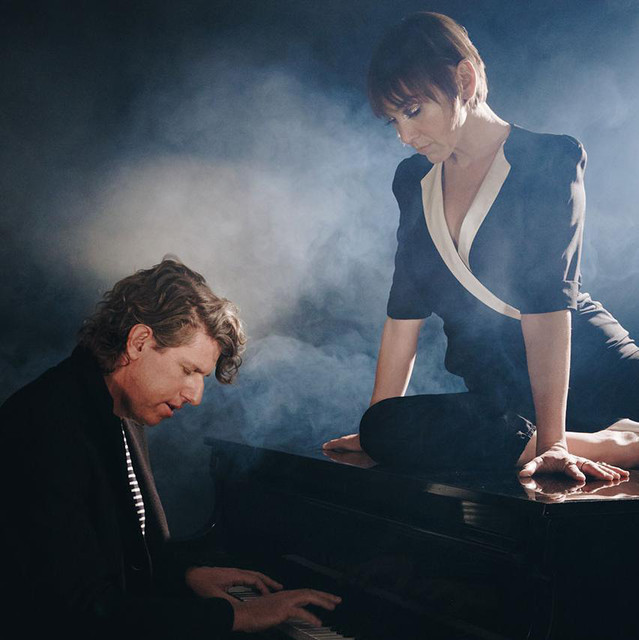
Foxes
2014–2022
·
3 albums
Listen
4
/5
Genres
Hypertrance
Hypertrance is an internet-native fusion of modern trance and the maximalist, ultra-glossy aesthetics of the hyperpop ecosystem. It emphasizes euphoric supersaw leads, soaring pads, huge risers, and hard side‑chained kick–bass grooves, while borrowing hyperpop’s pitch‑shifted vocals, clipped loudness, and playful, self‑aware sound design. Typical tempos sit around 140–160 BPM with a 4/4 pulse, bright major‑key hooks, and breakdowns that explode into short, high‑impact drops. Producers frequently combine trance signifiers (gated pads, anthemic builds, arpeggios, 303/acid flourishes) with internet-era techniques (OTT compression, aggressive clipping, formant play, nightcore‑style vocal edits). The result feels at once nostalgic and futuristic: a rave ecstasy updated for the post‑SoundCloud, post‑PC Music generation.
Discover
Listen
Edm
EDM (Electronic Dance Music) refers to the mainstream, festival-oriented wave of electronic dance styles that rose to global prominence in the early 2010s. It emphasizes high-energy drops, ear-catching toplines, and crowd-pleasing arrangements designed for large stages and mass audiences. Musically, EDM typically sits around 124–130 BPM with a strong four-on-the-floor kick, wide supersaw leads, bright plucks, and heavily sidechained pads and basses for a pumping feel. Tracks are structured around tension-and-release: intros and builds lead to explosive drops, followed by breakdowns that rebuild energy. Vocals and pop-style songwriting frequently appear, enabling crossover success on radio and streaming platforms.
Discover
Listen
Complextro
Complextro is a subgenre of electro house known for its rapid-fire timbral changes, micro-edited fills, and intricately layered bass riffs. Rather than presenting a single lead sound, tracks cycle through many short motifs, each with distinct sound design, creating a kaleidoscopic, "patchwork" drop. The style typically runs around 124–130 BPM with a four-on-the-floor groove, bright digital textures, staccato chord stabs, and tight sidechain compression. Its palette often borrows from chiptune and glitch, while adopting heavier bass design techniques from dubstep. The result is high-energy, hook-dense dance music where arrangement complexity and sound design virtuosity are central.
Discover
Listen
Cruise
Cruise is a fast-paced Nigerian dance music style built around energetic grooves and heavily chopped sampling. It commonly uses short, looped vocal snippets—often humorous or meme-like—cut and rearranged into rhythmic hooks. The sound is club-forward and party-ready, prioritizing movement, chantable moments, and quick transitions over long melodic development. Cruise is closely tied to Nigerian youth party culture and internet-driven humor, where witty sample choices and catchy loop design are as important as the drum patterns.
Discover
Listen
Big Room House
Big room house is a festival-focused strain of EDM built for massive sound systems and outdoor main stages. It typically runs around 126–132 BPM (most commonly 128), uses four-on-the-floor kick patterns, and features huge, simple lead riffs designed to be instantly memorable to large crowds. A defining trait is the contrast between cinematic, reverb-washed breakdowns and ultra-dry, percussive drops driven by a powerful kick, sub, and a few bold supersaw or horn-like synth stabs. Arrangements lean on dramatic builds with snare rolls, risers, and crowd-hyping vocal chops, culminating in drops that emphasize impact over harmonic complexity.
Discover
Listen
Big Room Trance
Big room trance is a festival-ready offshoot of trance that fuses euphoric, supersaw-led melodies and breakdowns with the drop-centric, minimal heft of big room house. The result emphasizes towering anthemic leads, thunderous 4/4 kicks, and massive crowd-centric builds that resolve into simple but explosive drops. Typically sitting around 128–132 BPM, it retains trance’s emotional chord movements and uplifting tension while adopting big room’s stripped-back, stadium-oriented sound design: punchy mono kicks, sidechained pads, white-noise risers and snare rolls, plus short, high-impact drops that spotlight a memorable lead hook. It’s engineered for mainstage impact and instant recognizability.
Discover
Listen
Festival Progressive House
Festival progressive house is an anthemic, melody-forward branch of progressive house engineered for large outdoor stages and mass sing‑alongs. It features euphoric breakdowns, supersaw lead stacks, sidechained pads, and big, vocal‑driven hooks that resolve into powerful four‑on‑the‑floor drops. Arrangements are optimized for festival energy flow: long emotive breakdowns, tension‑building snare rolls and risers, and cathartic, hands‑in‑the‑air drops. Compared with classic progressive house, it is brighter, more pop‑accessible, and designed to translate on huge PA systems and broadcast stages.
Discover
Listen
Guaracha Edm
Guaracha EDM is a Colombian-born strain of four-on-the-floor electronic dance music that fuses big-room energy with hooky, folkloric Latin riffs. Its hallmark sound is a driving 4/4 kick at club tempo, stacked with syncopated toms and hand percussion, while short, catchy trumpet- or accordion-like leads deliver the melodic hook. Unlike classic house or techno, the genre leans heavily on Latin rhythmic vocabulary and party chants in Spanish, often chopping, pitching, or formant-shifting vocals into percussive call‑and‑response motifs. The result is a high-adrenaline, festival-ready style designed for “zapateo” dance floors and peak-time drops.
Discover
Listen
Jungle Dutch
Jungle Dutch is a late‑2010s Indonesian microgenre that grew out of local breakbeat kota scenes. It combines the high‑pitched, staccato “bleep” leads associated with Dutch House (aka Dirty Dutch) and the frantic, tom‑driven, “tribal” drops of Jungle Terror. The result is an ultra‑energetic club sound with fast breakbeat momentum, stop‑start fills, metallic percussion hits, and explosive builds that release into percussive riffs rather than long melodic hooks. Typical tempos sit around the mid‑140s to mid‑150s BPM, with arrangements built for quick, viral edits and DJ‑friendly drops. Sound design favors bright, narrow‑band synths (often pulse/square/FM tones), hard‑kicking drums, and crowd‑moving chants or one‑shot shouts layered over breaky rhythms.
Discover
Listen
Bass Trap
Bass trap is a high-energy electronic dance music style that merges trap’s halftime hip-hop drum language with festival-scale sound design. It is defined by hard-hitting 808-style sub-bass, punchy snare/clap patterns, rapid hi-hat figures, and aggressive synth or bass “growls” borrowed from modern bass music. Tracks are typically built for big drops and crowd impact, using tension-heavy builds, sudden silences, and explosive low-end releases.
Discover
Listen
Bossbeat
Bossbeat is an internet‑born, high‑octane branch of EDM tailored to evoke the intensity of a video‑game “boss fight.” Producers fuse modern dubstep and trap sound design with melodic, leitmotif‑driven writing borrowed from video game music and film scoring, aiming for cinematic build‑ups and explosive, riff‑like drops. Characteristic features include minor‑key motifs, fast and syncopated percussion, halftime switch‑ups, aggressive bass design (growls, reeses, metallic FM), and hybrid orchestral layers (brass stabs, choirs, epic drums). The result is music that feels both dance‑floor ready and narratively dramatic—perfect for action montages, game content, and creator culture.
Discover
Listen
Broken Transmission
Broken transmission is a vaporwave-adjacent microgenre built from fragmented, channel-surfing collages of analog broadcast ephemera. Producers splice together tiny shards of TV idents, news stingers, commercials, interstitial music, and dead air, emphasizing tape hiss, static, dropouts, and tuning noise as musical material. Often beatless or only loosely pulsed, tracks unfold like late-night flipping through channels: abrupt cuts, fleeting jingles, station sign‑offs, and half-heard voiceovers that dissolve into snow. The result is a liminal, hauntological mood—nostalgia filtered through the mechanical errors and material decay of VHS, cable boxes, and broadcast tape. Where classic vaporwave slows and loops pop smoothness, broken transmission foregrounds the texture of the medium itself. It treats errors, transitions, and broadcast artifacts as hooks, creating an uncanny documentary of mediated memory.
Discover
Listen
Dubstep Product
Dubstep product is a production/library music take on dubstep tailored for sync: trailers, esports broadcasts, gaming content, advertising, influencer videos, and broadcast bumpers. It takes the sound design, half‑time groove, and drop‑centric structures of UK/US dubstep (including brostep/tearout variants) and packages them into edit‑friendly cues with clean hit points, sting endings, alternate mixes, stems, and duration cuts (15/30/60 seconds). The result balances maximalist bass design with practical considerations for dialogue, sound effects, and branding overlays. Compared with club‑oriented dubstep, dubstep product favors punchy, readable arrangements, cinematic impacts, and clearly marked builds/drops that translate across headphones, TV speakers, and mobile devices.
Discover
Listen
Gauze Pop
Gauze pop is a hazy, soft‑focus strain of indie and electronic pop built around breathy vocals, blurred textures, and nostalgic synth palettes. The term evokes music that feels veiled—like hearing a pop song through gauze—where reverb, delay, chorus, and tape‑like warble soften contours and melt rhythms into a pastel wash. Musically it blends the tunefulness of synth‑pop and indietronica with the dreamy atmospherics of chillwave and dream pop. Tempo tends to sit in a relaxed mid‑range, drums are cushioned and low‑passed, and harmonies favor warm major‑7ths and add9 colors. The result is intimate, memory‑soaked pop that’s equal parts bedroom‑made and cinema‑wide.
Discover
Listen
Modern Uplift
Modern uplift is a streaming‑era microgenre label for contemporary, radio‑friendly pop/rock that emphasizes optimistic, motivational songwriting and anthemic, sing‑along choruses. It sits at the intersection of post‑grunge sheen and arena‑rock scale, updated with modern pop production touches. Compared with darker alternative strains, modern uplift favors major‑key progressions, mid‑tempo grooves, layered guitars and keys, and polished mixes designed to translate from headphones to large venues. Its lineage runs through 1990s–2000s post‑grunge’s radio‑ready polish and 1970s–1980s arena rock’s big, melodic hooks, reframed in the 2010s by streaming and playlist culture that grouped kindred artists under fine‑grained microgenre tags.
Discover
Listen
Bytebeat
Bytebeat is a minimalist form of algorithmic music in which very short computer programs (often a single arithmetic expression) generate raw PCM audio directly. It typically uses 8-bit integer math and a running time counter t to produce harsh, glitchy, melody-like patterns, rhythms, and textures through bitwise operations, shifts, modular arithmetic, and simple integer multiplications. The aesthetic sits between chiptune timbres and noise art: crunchy aliasing, stepping waveforms, and emergent structure arise from extremely compact code. First popularized online in 2011, bytebeat is as much a programming puzzle as it is a musical style, celebrated for revealing how complex musical behaviors can emerge from ultra-simple rules.
Discover
Listen
Future House
Future house is a mid‑2010s strain of house music known for rubbery, plucked bass leads, clean and punchy drums, and streamlined, drop‑focused arrangements. It bridges the groove and warmth of deep/UK house with the sheen and impact of big‑room/electro‑house, often featuring metallic or organ‑like bass timbres that “speak” melodically. Typical tracks sit around 124–128 BPM, use tight sidechain compression for a pumping feel, and contrast sparse, atmospheric breakdowns with hooky, syncopated bass drops. Vocals, when present, are concise—often chopped or pitched—and the sound design emphasizes clarity, swing, and a modern, club‑ready polish.
Discover
Listen
Modern Mod
Modern mod is a contemporary guitar-pop and rhythm-and-blues–leaning style that updates the sharp hooks, brisk tempos, and street-smart attitude of 1960s British mod for the post-Britpop era. Typically built on tight backbeats, chiming or slightly overdriven guitars, punchy basslines, and soulful embellishments (Hammond organ, brass), it balances working‑class realism and nightlife romance with concise, sing‑along choruses. While it borrows the clean lines and scooter‑culture aesthetics of classic mod, its songwriting and production are informed by 1990s indie/Britpop and 2000s UK indie rock, giving it a crisp, modern sheen. Compared with the late‑1970s Mod Revival, modern mod is less punky and more melodic; compared with Britpop, it is leaner and more R&B‑rooted, prioritizing taut rhythms, jangly riffs, and compact, radio‑ready songs.
Discover
Listen
Downtempo
Downtempo is a mellow, groove-oriented branch of electronic music characterized by slower tempos, plush textures, and a focus on atmosphere over dancefloor intensity. Typical tempos range from about 60–110 BPM, with swung or laid-back rhythms, dub-informed basslines, and warm, jazz-tinged harmonies. Stylistically, it blends the spaciousness of ambient, the head-nodding rhythms of hip hop and breakbeat, and the cosmopolitan smoothness of lounge and acid jazz. Producers often use sampled drums, Rhodes or Wurlitzer electric pianos, guitar licks with delay, and field recordings to create intimate, cinematic soundscapes. The mood spans from soulful and romantic to introspective and dusk-lit, making it a staple of after-hours listening, cafes, and relaxed club back rooms.
Discover
Listen
Indie Pop
Indie pop is a melodic, DIY-rooted branch of alternative music that blends the immediacy of pop songwriting with the independence and aesthetics of underground scenes. It typically features jangly, clean-toned guitars, tuneful bass lines, compact song structures, and intimate, literate lyrics that balance sweetness with subtle melancholy. The sound often leans toward bright chord progressions, earworm choruses, and understated production, favoring charm and personality over gloss. Culturally, indie pop is tied to small labels, fanzines, and community radio, with influential scenes and imprints such as Postcard, Sarah, and Creation laying the groundwork for its global diffusion.
Discover
Listen
Dance
Dance (as a broad, mainstream club- and radio-oriented style) is pop-leaning music designed primarily for dancing, characterized by steady, driving beats, catchy hooks, and production that translates well to nightclubs and large sound systems. It emerged after disco, blending four-on-the-floor rhythms with electronic instrumentation and pop songwriting, and it continually absorbs elements from house, techno, Hi-NRG, synth-pop, and later EDM. Tempos commonly fall between 110–130 BPM, vocals often emphasize memorable choruses, and arrangements are structured for both club mixing and mass appeal.
Discover
Listen
Pop Rock
Pop rock blends the hook-focused immediacy of pop with the instrumentation and drive of rock. It prioritizes catchy melodies, concise song structures, and polished production while retaining guitars, bass, and drums as core elements. Typical pop rock tracks use verse–pre-chorus–chorus forms, strong vocal harmonies, and memorable riffs. The sound ranges from jangly and bright to mildly overdriven and arena-ready, aiming for radio-friendly appeal without abandoning rock’s rhythmic punch.
Discover
Listen
Pop
Pop is a broad, hook-driven style of popular music designed for wide appeal. It emphasizes memorable melodies, concise song structures, polished vocals, and production intended for radio, charts, and mass media. While pop continually absorbs elements from other styles, its core remains singable choruses, accessible harmonies, and rhythmic clarity. Typical forms include verse–pre-chorus–chorus, frequent use of bridges and middle-eights, and ear-catching intros and outros. Pop is not defined by a single instrumentation. It flexibly incorporates acoustic and electric instruments, drum machines, synthesizers, and increasingly digital production techniques, always in service of the song and the hook.
Discover
Listen
Electronic
Electronic is a broad umbrella genre defined by the primary use of electronically generated or electronically processed sound. It encompasses music made with synthesizers, drum machines, samplers, computers, and studio/tape techniques, as well as electroacoustic manipulation of recorded or synthetic sources. The genre ranges from academic and experimental traditions to popular and dance-oriented forms. While its sonic palette is rooted in electricity and circuitry, its aesthetics span minimal and textural explorations, structured song forms, and beat-driven club permutations. Electronic emphasizes sound design, timbre, and studio-as-instrument practices as much as melody and harmony.
Discover
Listen
Show all 24 genres
Albums
2022
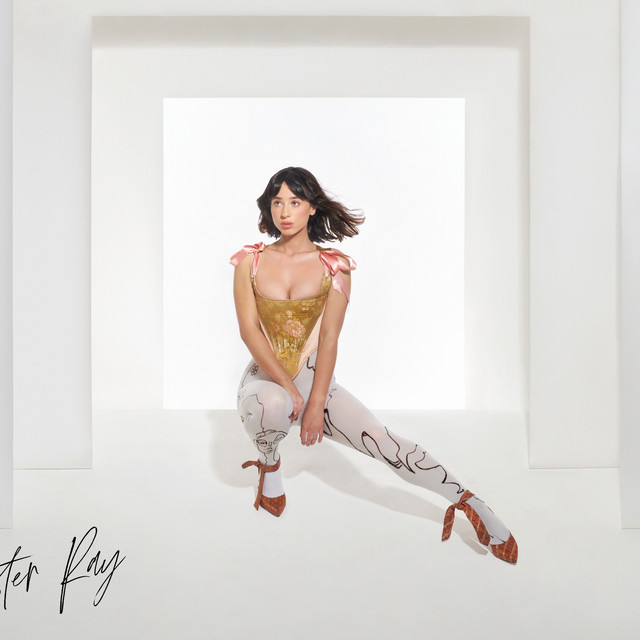
The Kick
Foxes
Pop
2016
All I Need
Foxes
Indie Pop
Pop
Pop Rock
2014
Glorious
Foxes
Downtempo
Electronic
Pop
Similar artists
Hide discovered
1
/5
Various Artists
Soundtrack
Afro-Funk
Alternative Rock
5
/5
Kesha
Dance-Pop
Electronic
Pop
4
/5
Men I Trust
Indie Pop
Bedroom Pop
Electronic
4
/5
Phoenix
Alternative Dance
Indie
Indie Rock
3
/5
the bird and the bee
Indie Pop
Electronic
Pop
5
/5
Charli xcx
Candy Pop
Hyperpop
Electropop
5
/5
Madonna
Dance-Pop
Pop
Electronic
5
/5
Halsey
Etherpop
Electropop
Pop
5
/5
Nelly Furtado
Pop
Alternative Rock
Electronic
4
/5
Dido
Pop
Downtempo
Europop
Download our mobile app
Get the Melodigging app and start digging for new genres on the go
Download on the App Store
Get it on Google Play
© 2026 Melodigging
Give feedback
About & FAQ
Legal
Melodding was created as a tribute to
Every Noise at Once
, which inspired us to help curious minds keep digging into music's ever-evolving genres.