Genres
Artists
Albums
Make Music
Sign in
Sign in
Artists
Trap Triste
Artists
Trap Triste
FMK
2019–2025
·
2 albums
Listen
4
/5
Genres
Cumbia 420
Cumbia 420 is a contemporary Argentine micro‑genre that fuses the 2/4 swing and keyboard riffs of cumbia villera with the dembow/reggaetón pulse and trap/hip‑hop aesthetics. Built around minor‑key synth hooks, booming 808 sub‑bass, whistle/lead “silbido” lines and heavily Auto‑Tuned vocals, it keeps cumbia’s street‑party groove while adopting urban club sound design and lyrical themes tied to barrio life and cannabis (“420”). The result is a raw, dance‑forward style that sits between a cumbia sound system and an urban club set: simple, sticky melodies; aggressive percussive programming; and catchy call‑and‑response hooks designed for social media virality and neighborhood parties.
Discover
Listen
Dembow Belico
Dembow bélico is a recent crossover of the Dominican dembow rhythm with the lyrical aesthetics and sonic signifiers of Mexico’s corridos bélicos and broader regional mexicano. It keeps dembow’s relentless, syncopated, club-ready percussion, but injects “bélico” (warlike) storytelling, slang, and iconography drawn from the corridos world. Producers typically fuse fast dembow drums, sirens, and chopped vocal shots with Mexican regional elements like tuba stabs, sierreño/12‑string guitar riffs, and banda-style brass hits. The result is a high-energy, gritty, and party-oriented sound that also carries the bravado and conflict-laced narratives characteristic of corridos bélicos.
Discover
Listen
Trap Triste
Trap triste (Spanish for “sad trap”) is a Spanish‑language offshoot of trap that emphasizes melancholic, introspective songwriting over minimalist, atmospheric beats. It blends minor‑key piano or guitar loops, airy pads, and reverb‑soaked textures with modern trap drum programming—808 slides, sparse kicks, and fast hi‑hat rolls. Vocals are typically sung‑rap with heavy Auto‑Tune, drawing on the emotive cadences of emo rap and the hazy feel of cloud rap while retaining Latin trap’s rhythmic backbone. Lyrically, it centers on heartbreak, loneliness, late‑night reflection, and personal vulnerability, often using straightforward, diary‑like phrasing that connects quickly with listeners on streaming platforms and social media.
Discover
Listen
Flamenco Urbano
Flamenco urbano is a contemporary Spanish fusion that blends core elements of flamenco—cante jondo vocal timbre, palmas handclaps, rasgueado and picado guitar, cajón, and the Andalusian cadence—with modern urban production such as reggaeton dembow, trap 808s, hip‑hop sampling, and R&B toplines. Compared with the earlier nuevo flamenco, which often merged flamenco with jazz, rock, and pop, flamenco urbano is explicitly grounded in post-2010s urban idioms and streaming-era aesthetics. It often features autotuned melisma, loop-based harmonies, processed claps, sparse bass-forward beats, and lyrics that pivot between street realism, romance, pride, and cultural identity. The result is music that can be club-ready and rhythmically infectious while retaining the emotive intensity and ornamentation of flamenco.
Discover
Listen
Previa
Previa is a contemporary Argentine pre‑party DJ style built around high‑energy edits, bootlegs, and mashups designed to kick off the night. The name comes from the colloquial “la previa,” the pregame gathering before going out, and the music’s job is to turn familiar Latin pop, reggaeton, and regional hits into floor‑ready, faster, harder versions. Sonically, previa lives between tech‑house tempo and reggaeton sensibilities: hooks are sped up, drops hit with big sidechained bass, and builds are short and dramatic. DJs chop sing‑along choruses, stack hypechants and FX, and slam dembow or four‑on‑the‑floor kick patterns under recognizable vocals. The vibe is extroverted, party‑starting, and unapologetically functional—made for mass sing‑backs and immediate dancing.
Discover
Listen
Reparto
Reparto is a contemporary Cuban urban dance genre that grew out of Havana’s neighborhood (“el reparto”) party circuits. It is built for high-energy street dancing, emphasizing syncopated, loop-based rhythms, shouted hooks, and a raw, percussive low-end that often feels closer to club-ready reggaeton than to traditional Cuban pop. A distinctive trait is the incorporation of Cuban music elements—especially salsa-derived rhythmic language and, in many productions, salsa-like guitar picking patterns that add a bright, montuno-adjacent drive over modern drum programming. Vocals typically alternate between rap-style delivery, call-and-response chants, and catchy repeated slogans designed for crowd participation.
Discover
Listen
Trap Latino
Trap latino (Latin trap) is a Spanish-language offshoot of Southern U.S. trap that fuses the dark, bass-heavy aesthetics of trap with the rhythmic DNA and songwriting sensibilities of the Latin urbano spectrum (reggaeton, dembow, Latin hip hop). Beats typically sit around 70–75 BPM (or 140–150 BPM double-time), driven by sliding 808 bass lines, skittering hi-hat rolls, and crisp snares/claps. Vocals range from gritty rap to heavily Auto-Tuned, melodic hooks, often delivered in Spanish or Spanglish. Lyrical themes oscillate between street realism, romance, hedonism, and introspection, with production palettes favoring minor keys, eerie pads, bell/pluck motifs, and space that lets low-end energy shine. Born in Puerto Rico mid-2010s, the style quickly crossed into the broader Latin urbano market and global pop, reshaping the sound of contemporary Latin music and catalyzing crossovers with regional Mexican, pop, and reggaeton scenes.
Discover
Listen
Argentine Trap
Argentine trap is the Southern Cone’s spin on Latin trap and contemporary hip hop, forged by a generation raised on freestyle battles, YouTube, and low‑cost bedroom production. It blends the half‑time bounce of trap (heavy 808s, rattling hi‑hats, gliding bass) with Rioplatense Spanish, lunfardo slang, melodic Auto‑Tune hooks, and pop‑ready refrains. Compared with Puerto Rican and U.S. Latin trap, the Argentine branch often pivots between braggadocio and introspective, romantic, or melancholic storytelling, and it freely cross‑pollinates with reggaeton and pop to reach massive mainstream audiences.
Discover
Listen
Cumbia Pop
Cumbia pop is a contemporary, radio-friendly take on cumbia that emerged in the Southern Cone during the 2010s. It blends the characteristic cumbia groove with glossy pop songwriting, bright synths, and clean, dance-pop production. Often nicknamed "cumbia cheta" in the Río de la Plata region, the style favors major-key hooks, chanted refrains, and romantic or party-themed lyrics aimed at teens and young adults. Tempos typically sit around 95–110 BPM, arrangements are concise and chorus-focused, and acoustic instruments (güira, congas, guitar, accordion) are layered with modern electronic elements for a feel-good, celebratory sound. The result is a polished, accessible crossover that carries cumbia’s infectious rhythm into the world of mainstream pop and streaming-era virality.
Discover
Listen
La Pop
LA pop is a contemporary pop micro-scene centered on Los Angeles, defined by glossy, radio-ready production, hook-heavy toplining, and a tight ecosystem of songwriters, producers, and artist-development teams. It blends mainstream pop with electropop sheen, R&B smoothness, and a light touch of hip‑hop rhythms, all optimized for streaming, radio, and sync. The style emphasizes ultra-melodic choruses, crisp midtempo grooves, bright synths or guitar loops, and highly crafted vocal production (doubles, harmonies, tuned ad‑libs). Lyrically, it favors confessional storytelling about relationships, self‑image, and the LA dream—intimate in tone but cinematic in scale.
Discover
Listen
Musica Urbana Oaxaquena
Musica urbana oaxaqueña (Oaxacan urban music) is a contemporary, grassroots blend of Latin urban styles—reggaeton, Latin trap, dancehall and hip‑hop—with regional sounds and languages from the state of Oaxaca, Mexico. It often mixes Spanish with Indigenous languages such as Zapotec, Mixtec, Mixe, Mazatec, and Triqui, foregrounding local identity alongside global club aesthetics. Production typically marries dembow or halftime trap drums with timbres and melodic turns inspired by Oaxacan brass band traditions (bandas de viento), chilena costeña (6/8–3/4 hemiola swing), son istmeño motifs, and cumbia keyboards or guitars. Lyrically, it ranges from party and romance to migration, pride, and community narratives tied to fiestas patronales, tequio (communal work), and Oaxacan diasporic life.
Discover
Listen
Modern Alternative Pop
Modern alternative pop is a broad, internet-era strain of pop that blends mainstream songcraft with left-of-center production, aesthetics, and subject matter. It borrows glossy hooks from radio pop while incorporating indie sensibilities, electronic textures, and experimental arrangement ideas. Lyrics lean confessional and self-aware—often addressing mental health, digital life, identity, and complicated relationships—with an emphasis on personality-forward vocal delivery. Sonically it spans hushed, minimal, bass-forward tracks to bright, synth-led anthems; what unites it is a willingness to break Top 40 conventions while remaining hook-centric and emotionally direct.
Discover
Listen
Turreo
Turreo is a contemporary Argentine urban dance style that fuses reggaeton/dembow rhythms with the street-oriented energy of local RKT and the timbres of cumbia villera. Typically set around 90–105 BPM, it features punchy dembow drums, aggressive tom fills, sirens, and bright saw/pluck leads riding simple, catchy minor-key chord loops. Vocals lean on Argentine lunfardo slang and barrio storytelling—alternating between party, flirtation, and rough-edged romance—delivered with a direct, chantable flow designed for the dance floor. Aesthetically, turreo is raw, loud, and hook-driven. Its sound coalesced in Buenos Aires’ conurbano through DJs and MCs who shaped the vibe via YouTube, TikTok, club edits, and collaborative “sessions,” making it a defining strand of Argentina’s 2020s urbano wave.
Discover
Listen
Hip Hop
Hip hop is a cultural and musical movement that emerged from Black, Latino, and Caribbean communities, centering around rapping (MCing), DJing/turntablism, sampling-based production, and rhythmic speech over beats. It prioritizes groove, wordplay, and storytelling, often reflecting the social realities of urban life. Musically, hip hop is built on drum-centric rhythms (from breakbeats to 808 patterns), looped samples, and bass-forward mixes. Lyrically, it ranges from party anthems and braggadocio to political commentary and intricate poetic forms, with flow, cadence, and rhyme density as core expressive tools. Beyond music, hip hop encompasses a broader culture, historically intertwined with graffiti, b-boying/b-girling (breakdance), fashion, and street entrepreneurship, making it both an art form and a global social language.
Discover
Listen
Rap
Rap is a vocal music style built on the rhythmic, rhymed, and often improvised spoken delivery of lyrics over a beat. It emphasizes flow, cadence, wordplay, and narrative, and is commonly performed over sampled or programmed drum patterns and loops. Emerging from block parties and sound-system culture in the Bronx, New York City, rap became the core vocal expression of hip hop culture alongside DJing, breakdancing, and graffiti. While it is closely linked to hip hop, rap as a technique and genre has also crossed into pop, rock, electronic, and global regional scenes. Musically, rap favors strong drum grooves (breakbeats, 808 patterns), sparse harmony, and loop-based structures that foreground the MC’s voice. Lyrically, it spans party chants and battle brags to intricate internal rhymes, social commentary, reportage, and autobiography.
Discover
Listen
Latin
Latin (as a genre label) is a broad umbrella used by the recording industry to categorize popular music rooted in Latin America, the Caribbean, and the Iberian world, often characterized by syncopated Afro-diasporic rhythms, dance-forward grooves, and lyrics primarily in Spanish or Portuguese. As a marketplace category that took shape in the mid-20th century United States, it gathers diverse traditions—Afro-Cuban, Brazilian, Mexican, and Caribbean styles—into a shared space. In practice, "Latin" spans everything from big-band mambo and bolero ballads to contemporary pop, rock, hip hop, and dance fusions produced by artists of Latin American heritage.
Discover
Listen
Show all 16 genres
Albums
2025
1
/5
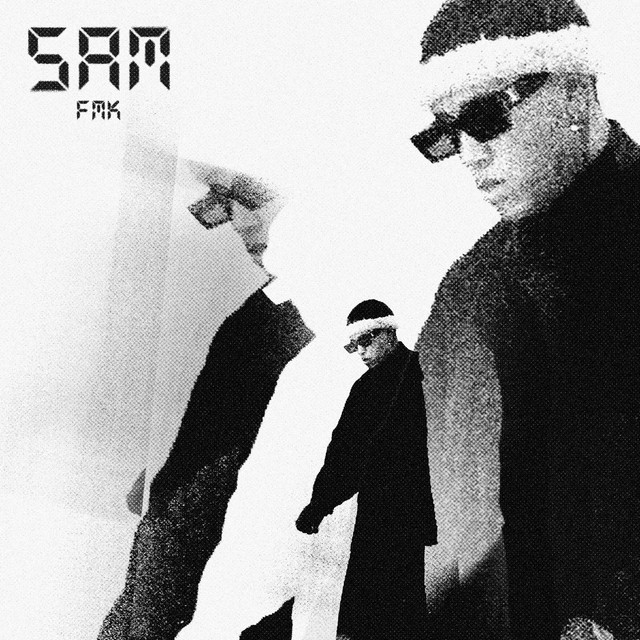
5AM
FMK
Trap Triste
2019
3
/5
Aunque Ya No Estés Aquí
FMK
Trap Triste
Similar artists
5
/5
Brytiago
Trap Boricua
Chilean Trap
Trap Triste
4
/5
Kidd Keo
Trap Triste
Argentine Trap
Flamenco Urbano
5
/5
Bad Bunny
Latin
Reggaeton
Trap Latino
5
/5
J Balvin
Reggaeton
Latin
Trap Latino
5
/5
Myke Towers
Reggaeton
Trap Latino
Trap Boricua
5
/5
Don Omar
Reggaeton
Latin Hip Hop
Electro Latino
5
/5
Arcángel
Reggaeton
Trap Latino
Urbano Latino
5
/5
Farruko
Reggaeton
Latin
Trap Latino
5
/5
Quevedo
Trap Latino
Reggaeton
Urbano Latino
5
/5
Ñengo Flow
Trap Boricua
Chilean Trap
Neoperreo
Download our mobile app
Get the Melodigging app and start digging for new genres on the go
Download on the App Store
Get it on Google Play
© 2026 Melodigging
Give feedback
Legal
Melodding was created as a tribute to
Every Noise at Once
, which inspired us to help curious minds keep digging into music's ever-evolving genres.