Genres
Artists
Albums
Make Music
Sign in
Sign in
Artists
Bisrock
Artists
Bisrock
Fin and Fil
Listen
1
/5
Genres
Pinoy Indie
Pinoy indie is the independent, do‑it‑yourself wing of contemporary Filipino popular music (often framed within OPM), spanning indie rock, indie pop, dream pop, folk‑leaning acts, and genre‑blending experiments. It is characterized by melodic songwriting, intimate and often poetic lyrics in Filipino and/or English, warm guitar and synth textures, and production that ranges from raw live takes to carefully layered bedroom aesthetics. The scene is deeply tied to Manila’s small venues and college circuits, and it values community, authenticity, and storytelling over strict commercial formulas.
Discover
Listen
Bisrock
Bisrock is a Cebuano-language variant of Pinoy rock that emerged from the Cebu rock scene in the Philippines. The name blends “Bisaya” (referring to the Visayan languages, especially Cebuano) and “rock,” signaling a community-forward movement to make rock that speaks in the local tongue. Although bands were already performing Cebuano-language rock in the 1980s, the label “Bisrock” was popularized in 2002 by Cebuano writer Januar E. Yap, first attached to Missing Filemon’s debut. The scene resonated particularly with youth in the Visayas and Mindanao, championing regional identity through rock idioms ranging from alternative and punk to reggae-inflected grooves. Stylistically, Bisrock pairs familiar rock instrumentation and progressions with lyrics that foreground everyday Cebuano life, humor, romance, social commentary, and local pride. Its appeal was both musical and cultural: it normalized using Cebuano as a primary rock language and briefly became a visible regional movement during the 2000s.
Discover
Listen
Pinoy Hip Hop
Pinoy hip hop (Filipino hip hop) is the Philippines’ take on rap culture, blending the foundations of American hip hop with local languages, melodies, and storytelling traditions. Artists frequently switch between Tagalog and English ("Taglish"), as well as other Philippine languages (e.g., Cebuano, Ilocano), creating a conversational and culturally specific lyrical voice. Musically, the style spans classic boom-bap and G‑funk to contemporary trap and pop-rap. Producers often sample or interpolate OPM (Original Pilipino Music) ballads and love songs, mixing sentimental hooks with gritty verses. Thematically, Pinoy hip hop ranges from braggadocio and nightlife to social critique, diaspora identity, humor, and “hugot” (emotionally candid) storytelling. The genre is rooted in Manila’s dance and DJ culture but has grown nationally and within the diaspora. Battle rap culture—particularly the FlipTop league—has been a major force, foregrounding lyricism, multisyllabic rhyme schemes, and the debate-like tradition reminiscent of Balagtasan.
Discover
Listen
Opm
OPM (Original Pilipino Music) is the umbrella term for Filipino popular music, encompassing mainstream pop, soft rock, ballads, and band music primarily sung in Filipino languages (especially Tagalog) as well as English. The tag crystallized in the 1970s alongside the Manila Sound movement and the formation of a modern local recording industry that foregrounded Filipino songwriting and artists. Stylistically, OPM blends Western pop/rock and soul with indigenous and Hispanic-influenced Filipino song traditions such as kundiman and harana. Melodies tend to be singable and emotive, harmony is diatonic with occasional modulations, and lyrics often revolve around love, nostalgia, family, and national identity. Across decades, OPM has continually evolved—from disco-tinged 70s pop and 80s power ballads to 90s alternative band culture and today’s polished pop and R&B—while remaining distinctively Filipino in sensibility and storytelling.
Discover
Listen
Harana
Harana is a Filipino tradition of nocturnal courtship serenades performed outside a woman’s window, typically accompanied by a guitar and a small group of male singers. It took shape during the Spanish colonial period and blends Iberian musical elements with local languages and poetic sensibilities. Musically, harana favors gentle tempos, lilting Spanish-derived dance rhythms (especially the habanera and occasional waltz), and simple, elegant harmonies that support expressive, melismatic vocal delivery. Lyrics are written in Tagalog (and other Philippine languages), using highly formal, respectful, and flowery language that extols virtue, modesty, and devotion. While closely related to the more art-song–oriented kundiman, harana is defined by its function as a serenade: a ritualized performance with a call-and-response social script, rather than a concert piece. Its sound world—guitar rasgueado patterns, bass-note–plus–strum accompaniments, and sweet, sentimental melodies—has left a lasting imprint on Philippine love songs and popular ballads.
Discover
Listen
Similar artists
2
/5
KINGwAw
Bisrock
Opm
Pinoy Hip Hop
4
/5
Arthur Nery
Harana
Kundiman
Opm
4
/5
Cup of Joe
Kundiman
Harana
Opm
4
/5
Ben&Ben
P-Pop
Kundiman
Opm
4
/5
fitterkarma
Art Rock
Harana
Opm
4
/5
December Avenue
Pinoy Alternative
Pinoy Rock
Batak
4
/5
IV OF SPADES
Harana
Kundiman
Opm
4
/5
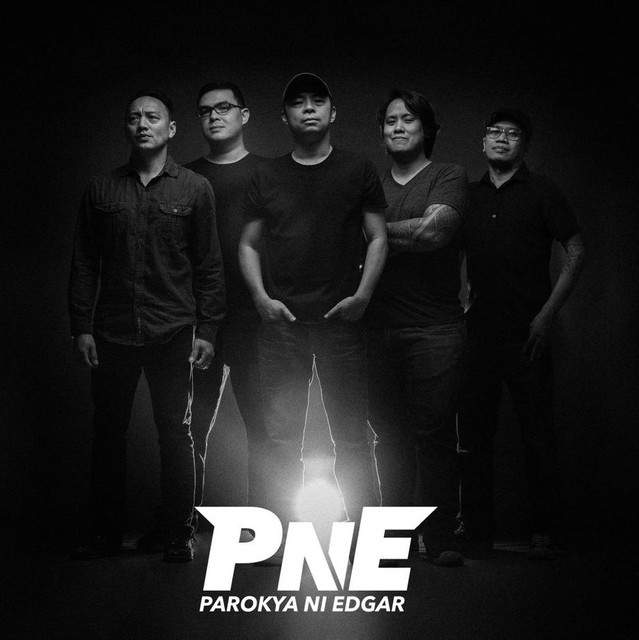
Parokya Ni Edgar
Harana
Opm
P-Pop
4
/5
TJ Monterde
Bisrock
Pop
Harana
4
/5
Up Dharma Down
Harana
Kundiman
Opm
Download our mobile app
Get the Melodigging app and start digging for new genres on the go
Download on the App Store
Get it on Google Play
© 2026 Melodigging
Give feedback
Legal
Melodding was created as a tribute to
Every Noise at Once
, which inspired us to help curious minds keep digging into music's ever-evolving genres.