Genres
Artists
Albums
Make Music
Sign in
Sign in
Artists
Ragtime
Artists
Ragtime
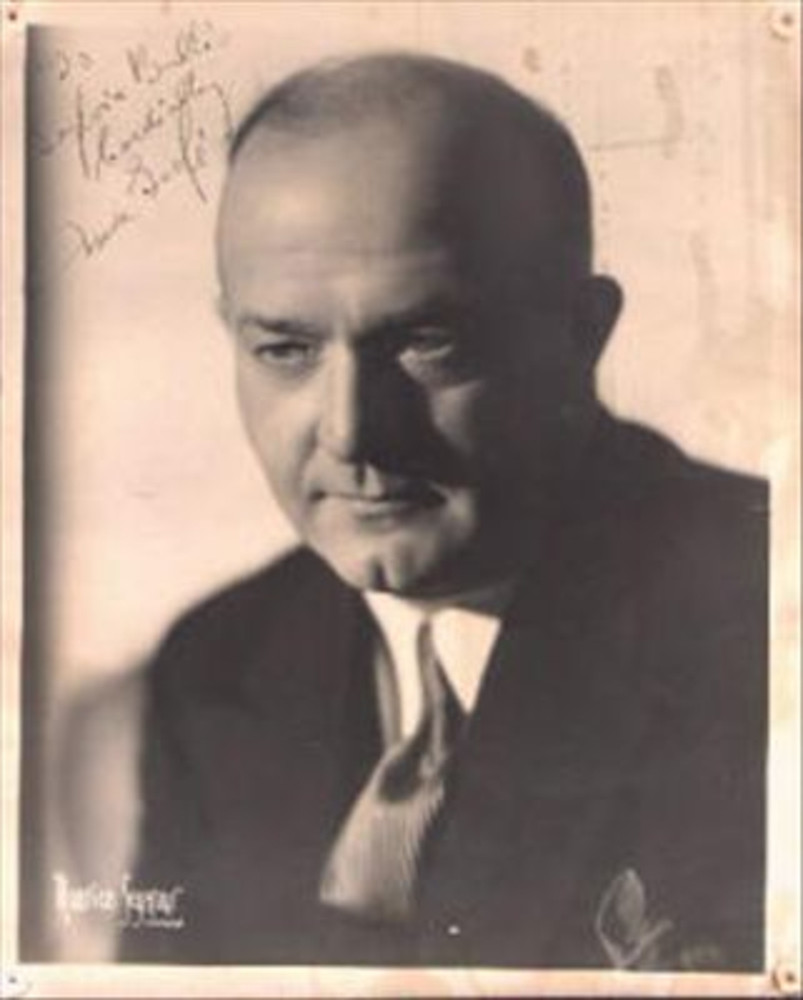
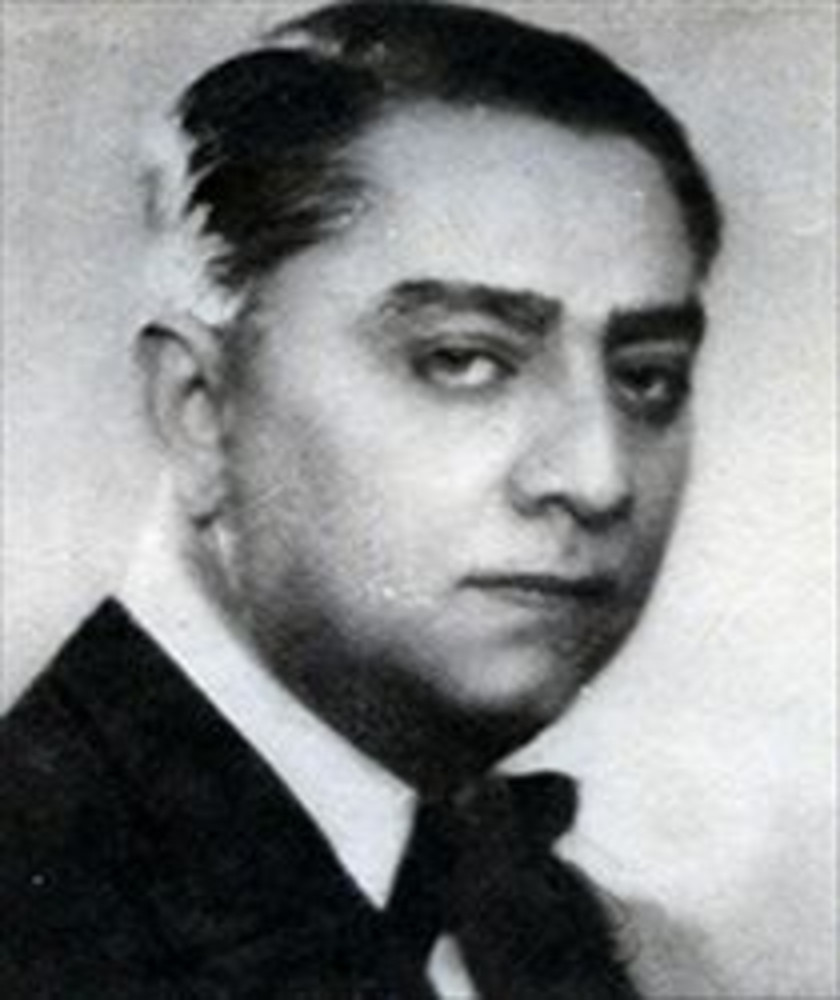
Ferde Grofé
1983
·
1 album
Listen
1
/5
Genres
American Modern Classical
American modern classical is a broad umbrella for concert music created by U.S.-based composers from the early 20th century to the present that embraces modernist and postmodern approaches. It often combines European classical forms with distinctly American elements such as jazz harmony, vernacular rhythms, popular-song clarity, minimalism, experimental timbre, and new technologies. The style ranges widely—from dissonant, highly structured modernism and complex rhythmic writing to repetitive minimalism, spacious post-minimal textures, and contemporary cinematic/neo-classical language—so it is best understood as a scene and lineage rather than a single fixed sound.
Discover
Listen
Ragtime
Ragtime is an African American–rooted piano style that flourished from the 1890s to the 1910s, characterized by lively syncopation in the right hand against a steady, march-like “oom‑pah” accompaniment in the left hand. Typically written in 2/4 or 4/4 time and notated with straight (unswung) eighth notes, classic rags unfold in multiple 16‑bar strains, often in the form AABBACCDD. The music draws on cakewalk rhythms, marching-band forms, and popular song, and it became a sensation through sheet music, piano rolls, and parlor performance. Scott Joplin, known as the “King of Ragtime,” helped codify the genre’s refined, compositional approach, calling for moderate tempos and a clear, singing melody. Beyond solo piano, ragtime was arranged for small ensembles and orchestras, found a home in vaudeville and dance halls, and laid essential groundwork for early jazz, stride piano, and much of 20th‑century American popular music.
Discover
Listen
Classical
Classical music is the notated art-music tradition of Europe and its global descendants, characterized by durable forms, carefully codified harmony and counterpoint, and a literate score-based practice. The term “classical” can refer broadly to the entire Western art-music lineage from the Medieval era to today, not just the Classical period (c. 1750s–1820s). It privileges long-form structures (such as symphonies, sonatas, concertos, masses, and operas), functional or modal harmony, thematic development, and timbral nuance across ensembles ranging from solo instruments to full orchestras and choirs. Across centuries, the style evolved from chant and modal polyphony to tonal harmony, and later to post-tonal idioms, while maintaining a shared emphasis on written notation, performance practice, and craft.
Discover
Listen
Albums
1983
Grofé: Grand Canyon Suite/Gershwin: Porgy & Bess
Ferde Grofé, Detroit Symphony Orchestra, Antal Doráti
American Modern Classical
Similar artists
3
/5
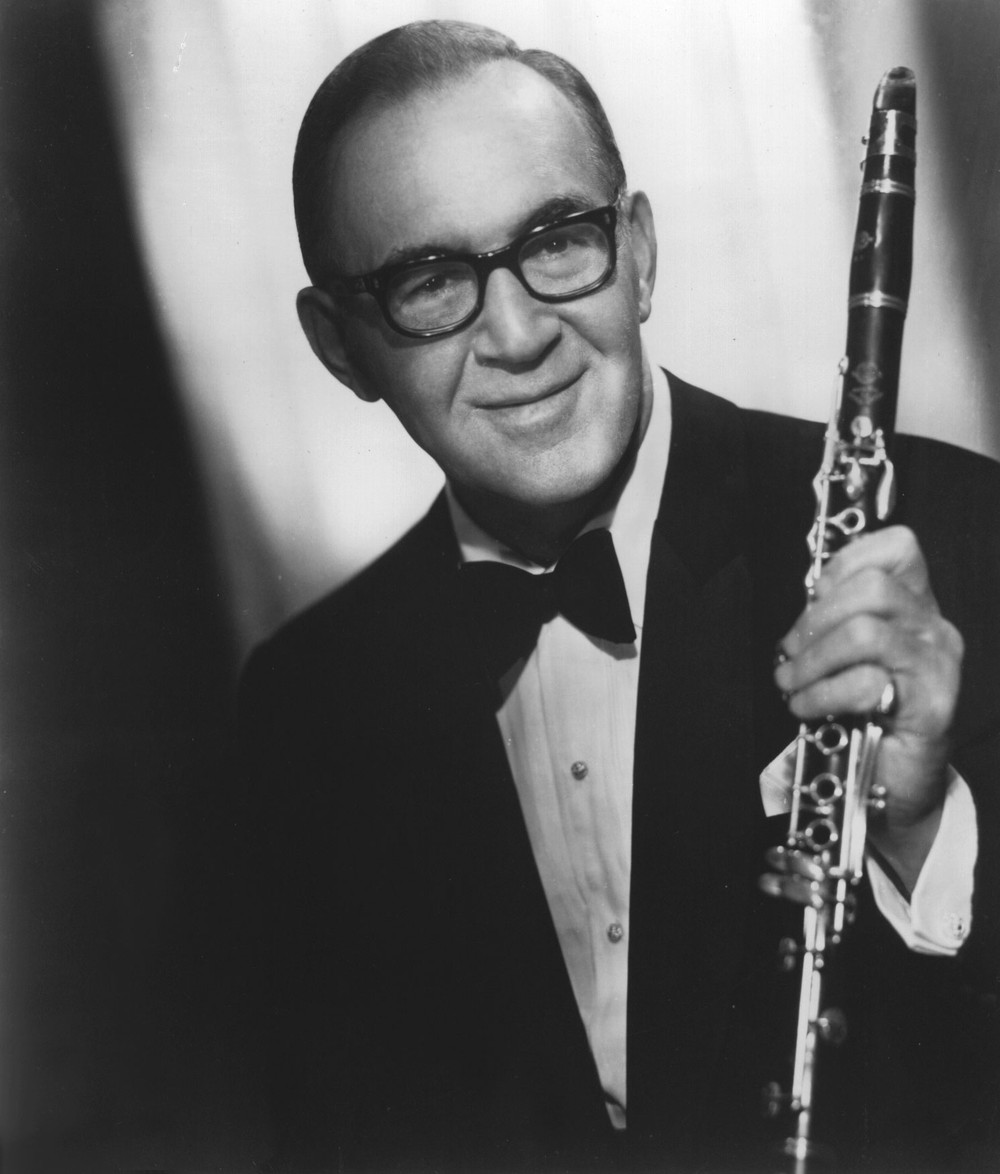
Benny Goodman
Ragtime
Big Band
Jazz
3
/5
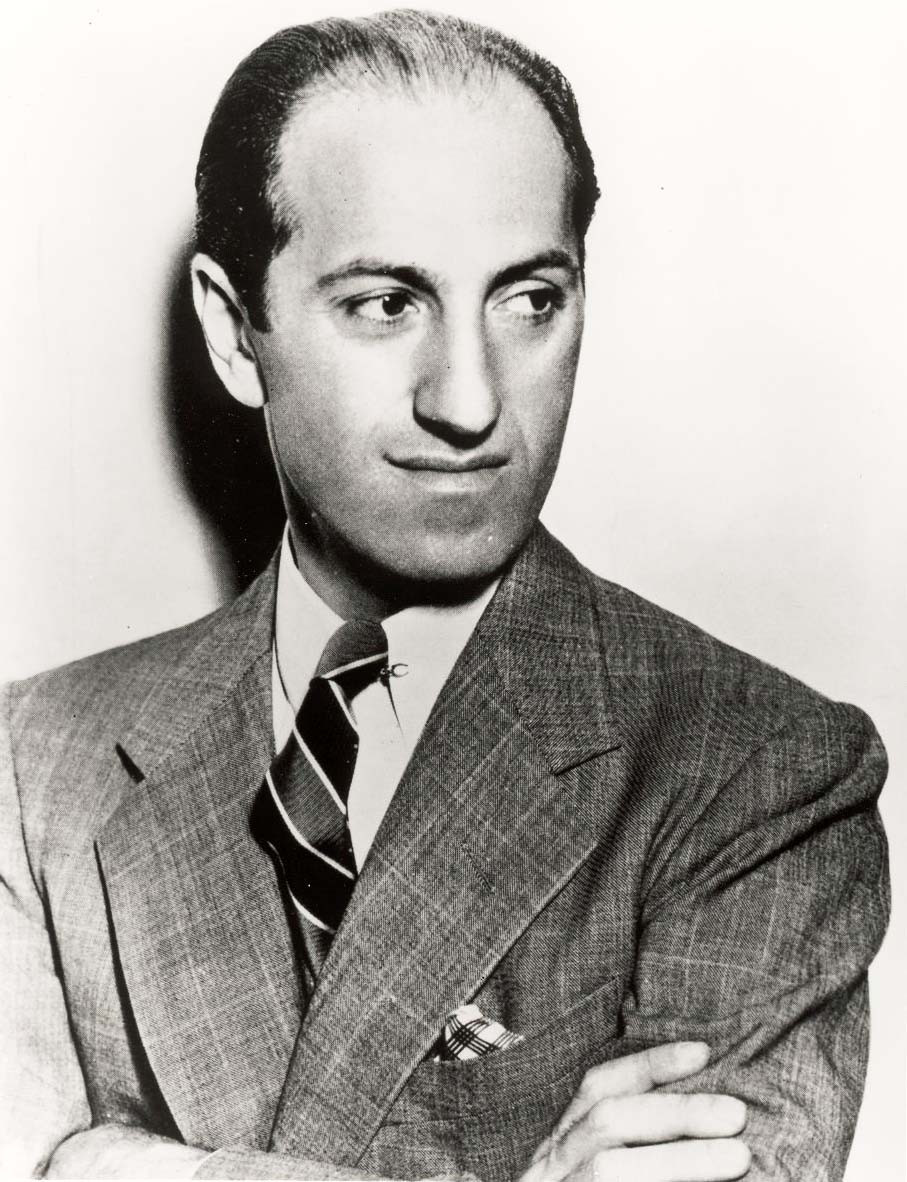
George Gershwin
Tin Pan Alley
Classical
Ragtime
3
/5
Unknown
Ragtime
Classic Kollywood
Classical
2
/5
Jean-Pierre Rampal
Chamber Music
Classical
Japanese Classical
2
/5
Joshua Rifkin
Ragtime
Maxixe
Classical
2
/5
Paul Whiteman
Big Band
Ragtime
Swing
2
/5
E. Power Biggs
Classical
Ragtime
Baroque
1
/5
Grigoras Dinicu
Ragtime
Classical
1
/5
Peter Lang
Ragtime
American Primitive Guitar
Classical
1
/5
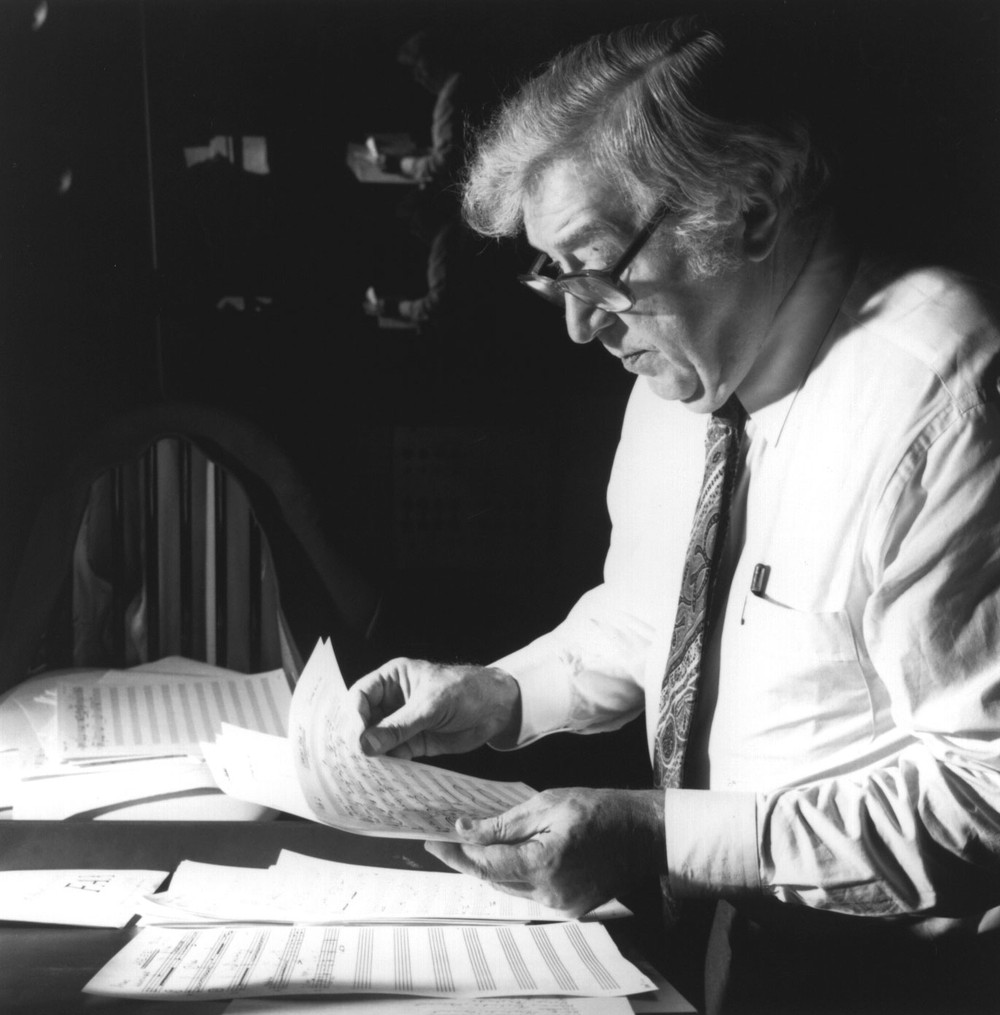
Gunther Schuller
Ragtime
Classical
Jazz
Download our mobile app
Get the Melodigging app and start digging for new genres on the go
Download on the App Store
Get it on Google Play
© 2026 Melodigging
Give feedback
Legal
Melodding was created as a tribute to
Every Noise at Once
, which inspired us to help curious minds keep digging into music's ever-evolving genres.