Genres
Artists
Albums
Make Music
Sign in
Sign in
Artists
Classical Piano
Artists
Classical Piano
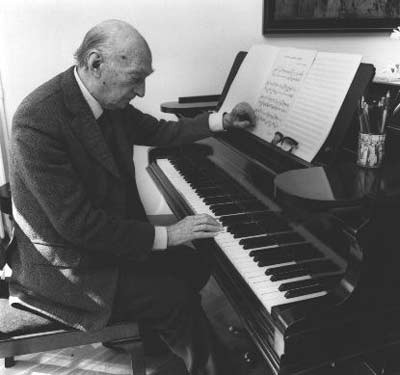
Federico Mompou
2021
·
1 album
Listen
3
/5
Genres
Latin
Latin (as a genre label) is a broad umbrella used by the recording industry to categorize popular music rooted in Latin America, the Caribbean, and the Iberian world, often characterized by syncopated Afro-diasporic rhythms, dance-forward grooves, and lyrics primarily in Spanish or Portuguese. As a marketplace category that took shape in the mid-20th century United States, it gathers diverse traditions—Afro-Cuban, Brazilian, Mexican, and Caribbean styles—into a shared space. In practice, "Latin" spans everything from big-band mambo and bolero ballads to contemporary pop, rock, hip hop, and dance fusions produced by artists of Latin American heritage.
Discover
Listen
Jazz
Jazz is an improvisation-centered music tradition that emerged from African American communities in the early 20th century. It blends blues feeling, ragtime syncopation, European harmonic practice, and brass band instrumentation into a flexible, conversational art. Defining features include swing rhythm (a triplet-based pulse), call-and-response phrasing, blue notes, and extended harmonies built on 7ths, 9ths, 11ths, and 13ths. Jazz is as much a way of making music—spontaneous interaction, variation, and personal sound—as it is a set of forms and tunes. Across its history, jazz has continually hybridized, from New Orleans ensembles and big-band swing to bebop, cool and hard bop, modal and free jazz, fusion, and contemporary cross-genre experiments. Its influence permeates global popular and art music.
Discover
Listen
Caucasian Classical Piano
Caucasian classical piano refers to the solo and chamber piano traditions that grew out of the South Caucasus—primarily Armenia, Georgia, and Azerbaijan—where European concert practice fused with local modal systems, folk melodies, and liturgical chant. Stylistically, the repertoire often marries late-Romantic and early-20th‑century pianism (coloristic pedaling, bravura textures, character pieces, and didactic cycles) with idioms specific to the region: Armenian folk and sacred modes, Georgian polyphonic fingerprints (drones and open-fifth sonorities), and Azerbaijani mugham-derived melismas and modal cadences. Across the 20th century, conservatories in Tbilisi, Baku, and Yerevan produced composers and pianists who framed local musical language within Western forms—preludes, etudes, nocturnes, dances, and children’s pieces—creating a distinct regional pianistic voice within the broader classical canon.
Discover
Listen
Impressionism
Impressionism in music is a late-19th- and early-20th-century style that prioritizes color, atmosphere, and suggestion over overt drama and functional harmonic progressions. Originating in France, it parallels the visual arts movement in its fascination with light, timbre, and fleeting impressions. Musically, the style favors modal, pentatonic, and whole‑tone materials; parallel (planed) chords; unresolved dissonances; and ambiguous tonal centers. Rhythms are flexible and often blur a sense of strong meter, while textures shimmer through delicate orchestration, pedal tones, and arpeggiated figures. Rather than strict sonata designs, impressionist works tend to be episodic, evocative, and programmatic, conjuring landscapes, water, night, and dreamlike states.
Discover
Listen
Classical Piano
Classical piano is the tradition of composing and performing music for the acoustic piano within the Western classical lineage. It emphasizes formal clarity, tonal harmony, contrapuntal writing, and expressive nuance across the full compass of the instrument. Its core repertoire ranges from Classical-era sonatas and variations to Romantic character pieces, études, dances, and 20th-century impressionistic and modernist works. Pianists exploit dynamics, articulation, pedaling, and touch to shape phrases, imitate orchestral textures, and project both intimate lyricism and large-scale drama.
Discover
Listen
Classical
Classical music is the notated art-music tradition of Europe and its global descendants, characterized by durable forms, carefully codified harmony and counterpoint, and a literate score-based practice. The term “classical” can refer broadly to the entire Western art-music lineage from the Medieval era to today, not just the Classical period (c. 1750s–1820s). It privileges long-form structures (such as symphonies, sonatas, concertos, masses, and operas), functional or modal harmony, thematic development, and timbral nuance across ensembles ranging from solo instruments to full orchestras and choirs. Across centuries, the style evolved from chant and modal polyphony to tonal harmony, and later to post-tonal idioms, while maintaining a shared emphasis on written notation, performance practice, and craft.
Discover
Listen
Choral
Choral refers to music written for and performed by a choir—an ensemble of voices organized into sections such as soprano, alto, tenor, and bass (SATB), or same-voice groupings (SSA, TTBB). It encompasses both sacred and secular repertoire and may be sung a cappella or with accompaniment by organ, piano, or full orchestra. Stylistically, choral music ranges from chant-like monophony to intricate polyphony and rich homophonic textures. Texts are drawn from liturgy, scripture, poetry, and vernacular sources, and are set in many languages. Performance contexts include church services, concert halls, and community events, making choral one of the most socially embedded and widely practiced forms of ensemble music. Across history, choral music has served as a laboratory for vocal counterpoint, word painting, and text-driven form, while functioning as a cultural bridge among religious rites, national traditions, and contemporary concert practice.
Discover
Listen
Show all 7 genres
Albums
2021
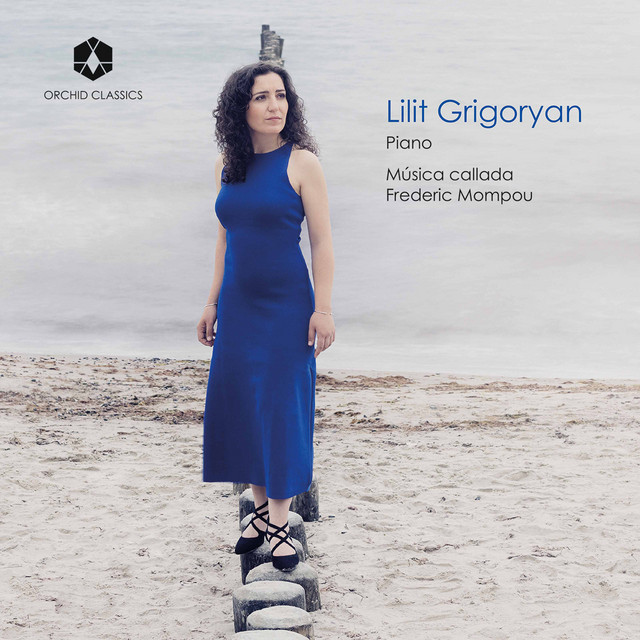
Música callada
Federico Mompou; Lilit Grigoryan
Caucasian Classical Piano
Similar artists
3
/5
Sergei Babayan
Classical
Classical Piano
Impressionism
3
/5
Nikolai Kapustin
Impressionism
Jazz
Classical Piano
1
/5
Various Artists
Soundtrack
Afro-Funk
Alternative Rock
4
/5
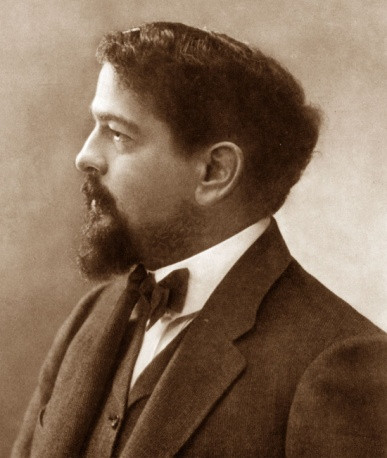
Claude Debussy
Impressionism
Classical
Classical Piano
4
/5
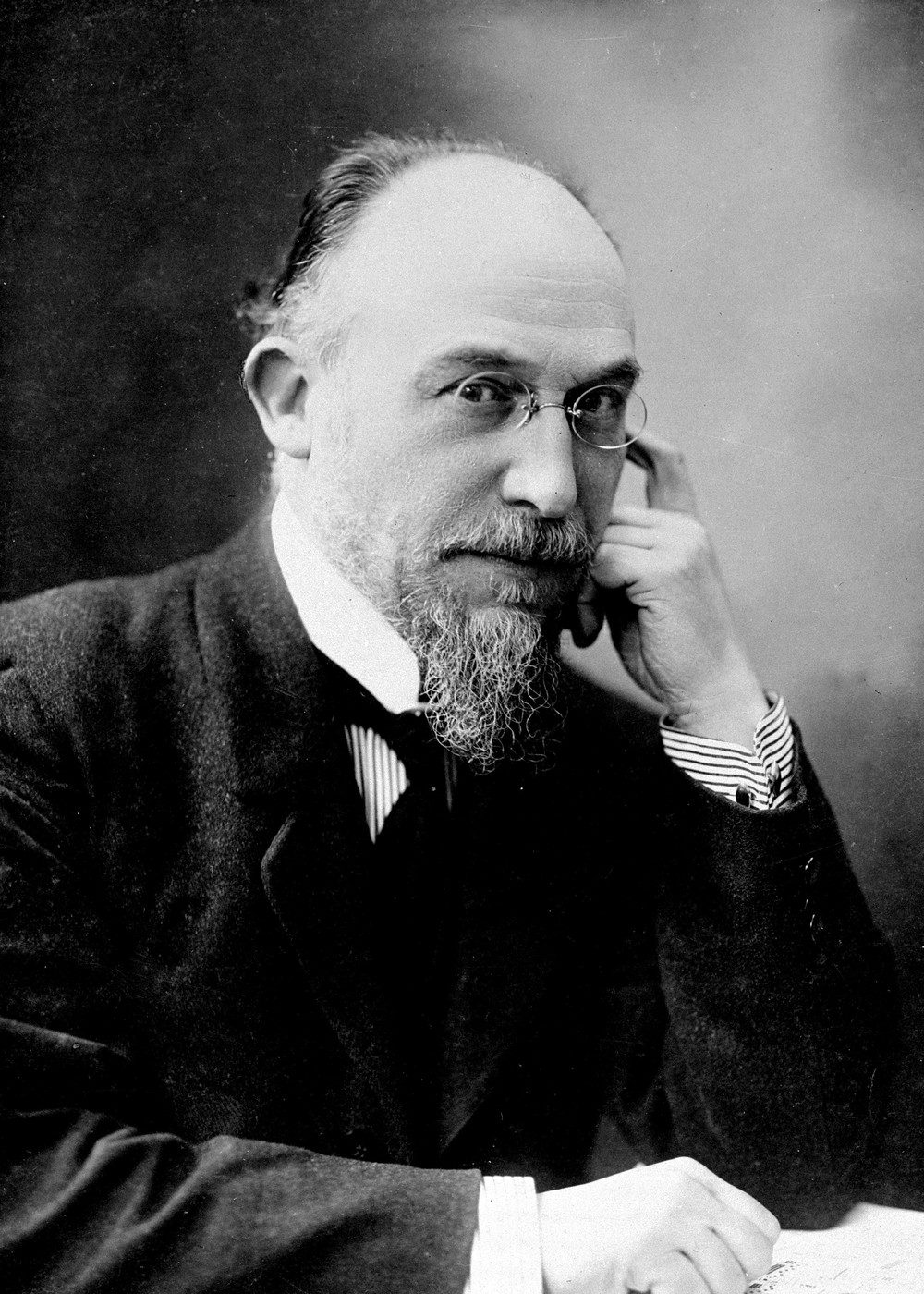
Erik Satie
Impressionism
Classical
Modern Classical
4
/5
Daniel Barenboim
Impressionism
Classical
Chamber Music
4
/5
Gabriel Fauré
Requiem
Chamber Choir
Classical
4
/5
Maurice Ravel
Impressionism
Classical
Neoclassicism
4
/5
Jean-Yves Thibaudet
Classical
Classical Piano
Impressionism
3
/5
Philippe Entremont
Classical
Classical Piano
Impressionism
Download our mobile app
Get the Melodigging app and start digging for new genres on the go
Download on the App Store
Get it on Google Play
© 2026 Melodigging
Give feedback
Legal
Melodding was created as a tribute to
Every Noise at Once
, which inspired us to help curious minds keep digging into music's ever-evolving genres.